Tuna Steak Marinade: the Ginger Ninja Recipe
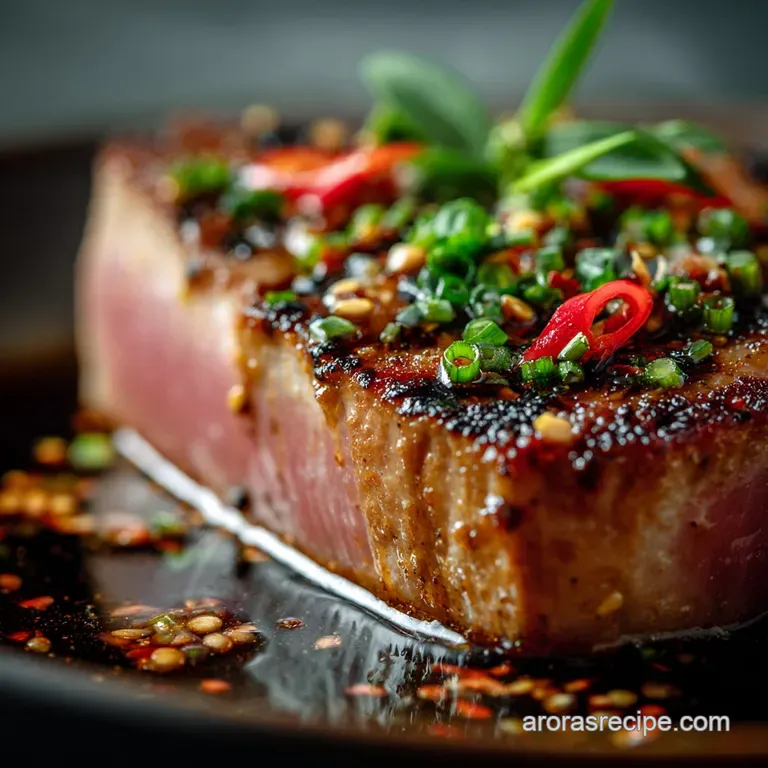
- The Ginger Ninja: Unlocking the Ultimate Seared Tuna Experience
- The Science Behind a Perfect Flavor Crust
- The Essential Components of Our Umami Marinade
- Customizing the Flavor: Swaps and Allergy Alternatives
- Step-by-Step Guide to Preparing the Tuna Steaks
- Timing, Technique, and The Perfect Sear
- Troubleshooting Your Seared Tuna: Expert Tips for Success
- Storage, Make-Ahead, and Safety Guidelines
- Pairing Your Perfectly Seared Tuna Steaks
- Final Thoughts on Achieving Tuna Perfection
- Recipe FAQs
- 📝 Recipe Card
The Ginger Ninja: Unlocking the Ultimate Seared Tuna Experience
Do you ever just crave that perfect sear the one that smells like toasted sesame and warm ginger hitting a screaming hot pan? That incredible aromatic cloud is exactly what this Tuna Steak Marinade delivers, creating a beautiful caramelized crust that protects the silkiest, ruby red interior.
Seriously, the contrast in texture is everything you want in a high end seafood dish.
This recipe is an absolute lifesaver for busy weeknights, especially when you need something fast, healthy, and genuinely impressive. We’re talking under 40 minutes from fridge to plate, which is faster than ordering takeout, and about 90% cheaper than what you’d pay at a sushi spot.
The secret to that speed and flavor payoff? An incredibly punchy, quick acting Tuna Steak Marinade.
Stop suffering through dry, flavourless fish. We are diving deep into the science and technique needed to ensure your marinated tuna steaks are spot on every single time. This step-by-step guide walks you through every detail of achieving the best Tuna Steak Marinade and the perfect over high heat sear.
The Science Behind a Perfect Flavor Crust
Getting that ideal texture crisp outside, buttery inside isn't magic; it’s just smart chemistry. We aren't just slopping sauce onto fish. Every ingredient in this specific Tuna Steak Marinade serves a purpose, balancing acid, salt, fat, and sugar to maximize flavor transfer and crust development.
What Makes This Marinade Umami Rich?
The base of our blend is low-sodium soy sauce, which provides massive umami (that deep, savory fifth taste) without relying on excessive salt. When combined with toasted sesame oil, you get an immediate depth that elevates the entire profile of the tuna.
The sesame oil also provides the crucial fat needed to help the flavor stick to the fish’s surface, even after a brief dip in the Tuna Steak Marinade .
Tuna Steak Marinade vs. Dry Rub: The Key Differences
A dry rub coats the exterior and works primarily through salt and spice. A marinade, however, introduces moisture and, crucially, acids and enzymes. For lean, delicate fish like tuna, we want a controlled balance.
Our Easy Tuna Steak Marinade uses wet ingredients to infuse flavor quickly and help encourage a sticky surface that browns beautifully, unlike a typical dry rub which can sometimes fall off.
How Acids (Citrus) Tenderize Without Denaturing
We use just a touch of lime juice and rice vinegar. Why? Acids begin the process of denaturing (or cooking) proteins. This is great for tenderizing, but for tuna, you must be extremely careful. Too much time in the acid heavy Tuna Steak Marinade will result in tough, rubbery fish.
We use minimal acid primarily for flavor balance and brightness, relying on salt and sugar for the bulk of the work.
Achieving the Golden Sear: Sugar Content and Maillard Reaction
The honey or maple syrup is absolutely non-negotiable in this Asian Tuna Steak Marinade. This small amount of sugar is key to the Maillard reaction that magical browning process.
When the sugar hits the screaming hot pan, it caramelizes instantly, giving you that dark, rich, crunchy crust (the sear ) that is essential for great tuna steak.
The Essential Components of Our Umami Marinade
I’ve spent years tinkering with ratios, and this particular Sesame Tuna Steak Marinade recipe hits the perfect sweet, salty, and savory note. It works because it’s simple, allowing the high-quality of the tuna itself to shine through.
You need a powerful punch of flavor that won't overwhelm the subtle taste of the fish.
Chef's Note: Always use fresh ingredients for the aromatics. Pre-minced garlic or dried ginger powder simply won't give you the clean, sharp flavour profile required for this high ranking Tuna Steak Marinade.
Customizing the Flavor: Swaps and Allergy Alternatives
Everyone has pantry holes or dietary restrictions, right? I certainly do. I once thought I could skip the toasted sesame oil because I only had regular sesame oil huge mistake! Toasted sesame oil is a flavor bomb , and the untoasted stuff is basically neutral. Learn from my errors, folks.
Pantry Checklist: What You Need for the Ginger Ninja Base
- Low-Sodium Soy Sauce: Provides salt and umami.
- Toasted Sesame Oil: Essential nutty fat.
- Rice Vinegar & Lime Juice: Brightness and minimal tenderizing.
- Honey/Maple Syrup: The caramelizing sugar element.
- Fresh Aromatics: Ginger and Garlic, minced.
Ingredient Deep Dive: Fresh Ginger, Garlic, and Sesame Oil Notes
The quality of your aromatics determines the final success of the marinade. Grate the ginger finely; you want the juice and the pulp fully incorporated into the mixture. If you love garlic, you can certainly add an extra clove, but don't overwhelm the fresh flavour of the tuna.
This Ginger Ninja Tuna Steak Marinade should taste bright, not heavy.
gluten-free Soy Alternatives (Tamari/Coconut Aminos)
If you need this recipe to be strictly gluten-free, Tamari is your best friend. It offers the same depth and color as traditional soy sauce. For those watching sodium or following paleo/keto, coconut aminos are an excellent, slightly sweeter substitute, though you might want to slightly reduce the added honey.
| Original Ingredient | Recommended Substitute | Why the Swap Works |
|---|---|---|
| Soy Sauce | Tamari or Coconut Aminos | GF alternative with deep savory flavor. |
| Honey/Maple Syrup | Agave Nectar or Brown Sugar | Provides the necessary simple sugar for crust. |
| Lime Juice | Lemon Juice | Comparable acidity and brightness. |
| Crushed Red Pepper | Sriracha or Gochujang | Adds complex heat and thickness. |
Adjusting the Spice Level (Chili and Heat Management)
I use red pepper flakes, mostly for visual appeal and a gentle kick. If you want some serious heat, use a tiny splash of chili oil in the Tuna Steak Marinade instead of the flakes. For a slow, building warmth, try a few dashes of Tabasco or your favorite hot sauce.
Just be wary of adding too much liquid, as this can dilute the crucial soy/oil balance.
step-by-step Guide to Preparing the Tuna Steaks
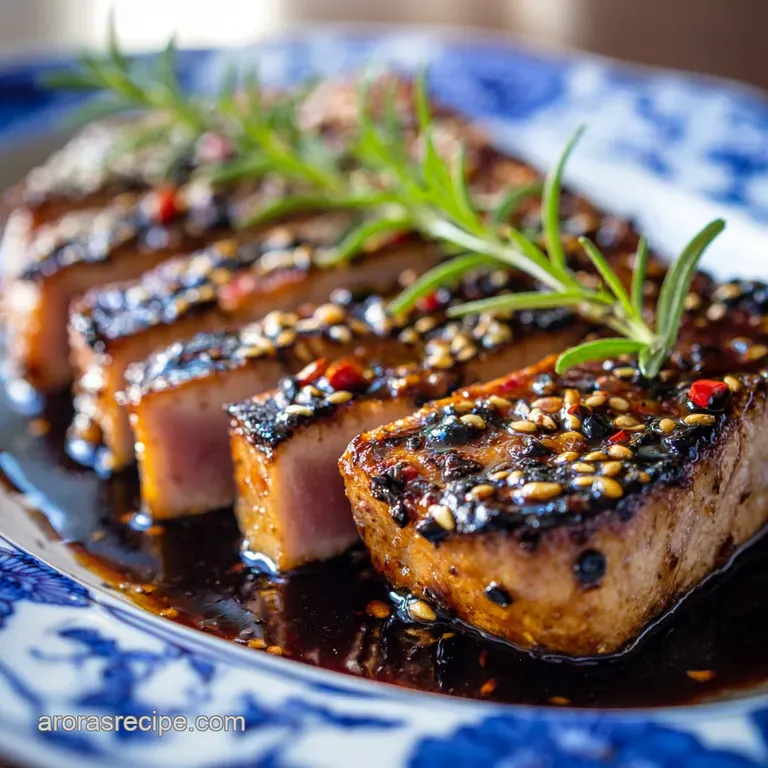
The true magic of this process happens in the final sear, but the prep work is what separates the novices from the pros. We are aiming for perfection, which means paying attention to moisture and timing.
This is how you make the ultimate Grilled Tuna Steak Marinade shine (even if we are pan-searing today!).
Proper Prep: Trimming and Patting Dry the Tuna Steaks
First, inspect your tuna steaks. If you see any dark bloodline running through the center, trim it off. This part can be tough and intensely metallic tasting. Second, and I cannot stress this enough: PAT. THEM. DRY. Use several layers of paper towel and gently press all surface moisture away.
A dry surface is the prerequisite for a perfect crust.
Mixing the Marinade: Achieving a Balanced Emulsion
In a small bowl, whisk together the wet ingredients (soy sauce, oils, vinegar, lime, sweetener) until they emulsify slightly. The toasted sesame oil and lime juice want to separate, but a quick whisk helps them play nice long enough to coat the tuna evenly. Then, stir in your fresh ginger, garlic, and spices.
You should have a thick, glossy mixture. This quick Tuna Steak Marinade recipe is almost too easy.
How Long Should Tuna Steaks Marinate? (Focus on safety and texture)
This is the most common mistake people make! Because tuna is so delicate, you absolutely cannot over marinate it. I recommend a minimum of 20 minutes to allow the flavors to penetrate the surface and a maximum of 30 minutes, especially because of the acid content.
Any longer than 30 minutes, and the lime juice will begin to cure the outer layer, making the edges mushy or tough. When I tried leaving my first ever batch of Asian Tuna Steak Marinade overnight, I ended up with ceviche tuna hybrid not good for searing.
Fining Up the Pan: The over High heat Seared Tuna Technique
Remove the tuna from the marinade and place it on a clean plate (discard the excess marinade never reuse it!). Heat your cast iron or heavy bottomed stainless steel pan over high heat for at least three minutes.
You should be able to see the heat shimmering off the surface, or even a wisp of smoke. Add your over high heat oil (grapeseed or refined avocado), wait 30 seconds until the oil is almost smoking, and then carefully lay the steaks down.
Timing, Technique, and The Perfect Sear
High heat, short time. That’s the mantra for searing tuna. If you cook it low and slow, you end up with grey, dry fish. We are aiming for a beautiful exterior crust using this fantastic Tuna Steak Marinade and a cool, pink interior.
Common Mistakes to Avoid When Marinating Fish
- Over marinating: As mentioned, 30 minutes max.
- Not Patting Dry: If the tuna is wet, the pan temperature drops instantly, and you steam the fish instead of searing it.
- Using the Wrong Oil: Olive oil has too low a smoke point. It burns and imparts a bitter flavor. Stick to grapeseed or avocado oil for this over high heat job.
- Moving the Fish: Once the tuna hits the hot pan, do NOT move it for the first 90 seconds. Let the crust form undisturbed.
Achieving the Ideal Internal Temperature (Rare vs. Medium Rare)
Most people prefer tuna served rare or medium rare. We sear specifically to avoid cooking the inside, which is why timing is so crucial.
- Rare (Cold, deep red center): Sear for 60 to 75 seconds per side. The seared edge should only go about 1/8 inch into the steak.
- Medium Rare (Warm, rosy pink center): Sear for 90 to 120 seconds per side. The seared edge will be slightly wider, about 1/4 inch.
If you like your steaks fully cooked, honestly, this might not be the right recipe for you, but if you insist, cook it for 3 to 4 minutes per side until the center is opaque. But seriously, try it medium rare first; it’s spectacular when made with the best Tuna Steak Marinade.
Safely Storing Uncooked Marinated Tuna
If you have fresh, sushi grade tuna that hasn't touched the marinade yet, you can store the raw steaks tightly wrapped in the coldest part of your fridge for up to two days. However, once the raw fish has been introduced to this specific Tuna Steak Marinade , you must cook it within 30 minutes.
The acidity and salt content make extended storage unsafe or detrimental to the quality.
Can You Freeze Tuna Steaks After Marinating?
Please, no. Don't do it. Marinating fish before freezing introduces moisture and alters the protein structure unevenly, leading to a mushy texture upon thawing and cooking. Freeze the tuna steaks unmarinated , then thaw them completely and apply the Easy Tuna Steak Marinade just before cooking.
Trust me, you want that firm, beautiful texture that this Sesame Tuna Steak Marinade helps create.
Troubleshooting Your Seared Tuna: Expert Tips for Success
If your sear looks pale or patchy, your pan wasn't hot enough, or your tuna was wet. Simple as that. If your tuna came out tough, you marinated it too long or cooked it too long. This over high heat, high flavor method using the Asian Tuna Steak Marinade demands speed.
Why Do I Need to Rest the Tuna?
Just like a good piece of Top Sirloin Steak: Pan-Seared with Garlic Thyme Baste , the internal juices rush toward the center during the rapid over high heat cooking process. If you slice it immediately, those juices spill out onto the cutting board, leaving the tuna dry. A 5 minute rest allows the moisture to redistribute evenly throughout the fish.
Storage, make-ahead, and Safety Guidelines
Leftover seared tuna is fantastic cold, especially sliced over a salad. Store cooked, sliced tuna in an airtight container in the refrigerator for up to 3 days. Since it's often served medium rare, always reheat very gently if you must, perhaps just warming it slightly in a non-stick pan or eating it cold.
This preserves the perfect texture achieved by the Tuna Steak Marinade process.
Pairing Your Perfectly Seared Tuna Steaks
This bold, umami rich flavor profile demands bright and crunchy sides to balance the richness of the sesame oil. The robust flavour of this Best Tuna Steak Marinade means you don't need heavy sauces.
Asian Inspired Side Dishes for Tuna
Consider a light side like quick pickled cucumber salad or simple steamed rice. The fresh ginger notes in the Tuna Steak Marinade really sing when paired with crisp, cold vegetables. For something heartier and creamier, a small serving of Ruths Chris Sweet Potato Casserole Copycat: The Ultra Smooth Steakhouse Star provides a surprisingly delicious savory sweet counterpoint.
Recommended Sauces and Garnishes (Beyond the Marinade)
You don't need a heavy sauce, but a drizzle of something creamy and sharp is perfect. A homemade wasabi mayo is phenomenal, providing a sinus clearing burst that cuts through the savory Tuna Steak Marinade .
Alternatively, thin slivers of fresh jalapeño and a squeeze of fresh lime juice add great textural and acidic contrast right before serving. Don't forget the reserved spring onions!
Presentation Tips
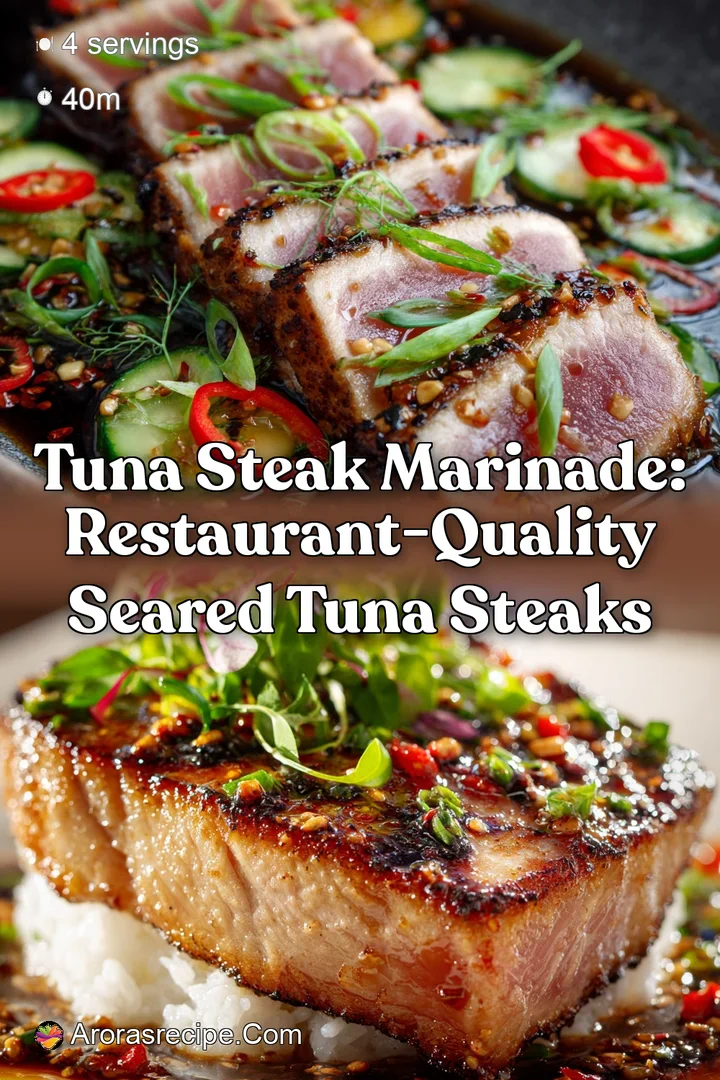
Slice the tuna against the grain into 1/2 inch thick slabs. Fan them out slightly on the plate. Show off that beautiful crust created by the Grilled Tuna Steak Marinade and the perfectly pink center. A tiny dusting of black sesame seeds on top makes it look totally professional.
This amazing Tuna Steak Marinade makes for the most visually appealing dish.
Final Thoughts on Achieving Tuna Perfection
Mastering seared tuna really comes down to confidence and controlling the heat. Once you trust the pan is hot enough and you stick to that 90 second per-side rule, you will never look back. This Ginger Ninja Tuna Steak Marinade is the powerhouse behind the flavour, offering a huge return on effort. Go forth and cook beautiful fish, my friend. You've got this. If you are looking for another great seafood option using similar techniques, you might check out my recipe for Grilled Shrimp Marinade: Best Citrus Herb Recipe for Flavor . Using the right Tuna Marinade Recipe changes everything.
Recipe FAQs
How long should I marinate the tuna for the best texture?
Tuna is delicate, and acidic marinades (like those containing citrus or vinegar) can "cook" the fish if left too long. Aim for a maximum of 30 minutes in the refrigerator, but even 15 minutes is sufficient to infuse the robust umami flavor.
Any longer than 30 minutes, and the surface texture may become tough or slightly mushy.
Why did my seared tuna steak turn out dry?
Tuna becomes very dry when overcooked past medium rare; the goal is usually a cold or warm pink center. The key to maintaining moisture is a quick, high heat sear (60-90 seconds per side) and immediate removal from the heat.
Ensure the steaks are patted completely dry before searing, as excess moisture prevents crust formation and causes the fish to steam.
Can I use frozen tuna steaks for this recipe?
Yes, but ensure they are completely thawed in the refrigerator overnight before beginning the recipe. After thawing, it is absolutely critical to pat the steaks thoroughly dry with paper towels to eliminate any excess surface moisture.
A dry fish surface is essential for achieving the perfect crispy crust characteristic of the Ginger Ninja marinade.
Can I prepare the marinade ahead of time?
Yes, the marinade mixture itself can be whisked together and stored in an airtight container in the refrigerator for up to five days. However, you must wait to add the tuna until you are ready to start the 30-minute marination process just before cooking. This ensures the fish remains fresh and firm.
What if I don't want to sear the tuna? Can I grill or bake it?
While searing provides the best crispy crust for this marinade, you can certainly grill or bake the tuna. For grilling, cook over medium high heat for 2-4 minutes per side until properly done.
If baking, preheat your oven to 400°F (200°C) and cook for 8 to 12 minutes, depending on the thickness of your steaks and desired doneness.
How can I make this recipe soy-free or gluten-free?
To make the recipe gluten-free, substitute the traditional soy sauce with tamari, which offers the same flavor depth without the wheat. For a completely soy-free option, use coconut aminos; just be aware that coconut aminos are generally less salty than soy sauce, so you might need a slight flavor adjustment.
Should I use the leftover marinade as a sauce?
You should never reuse a marinade that has been in contact with raw fish unless it is fully cooked first. If you want to use the liquid as a serving sauce, pour the leftover marinade into a small saucepan and bring it to a rolling boil for at least one full minute.
This high heat step ensures all potential bacteria are safely eliminated.
Best Tuna Steak Marinade Recipe
Ingredients:
Instructions:
Nutrition Facts:
| Calories | 352 kcal |
|---|---|
| Protein | 47.8 g |
| Fat | 12.0 g |
| Carbs | 13.2 g |
