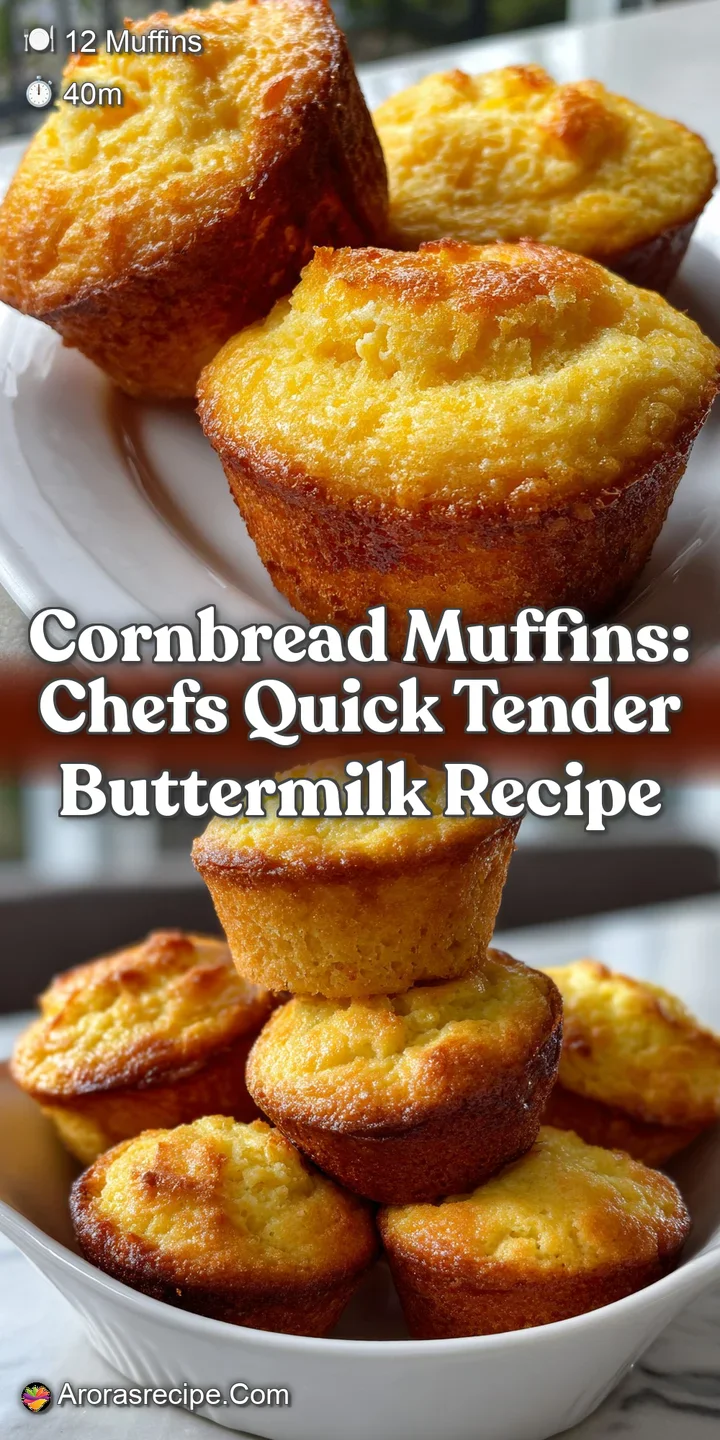
Cornbread Muffins: Quick, Tender Buttermilk Recipe
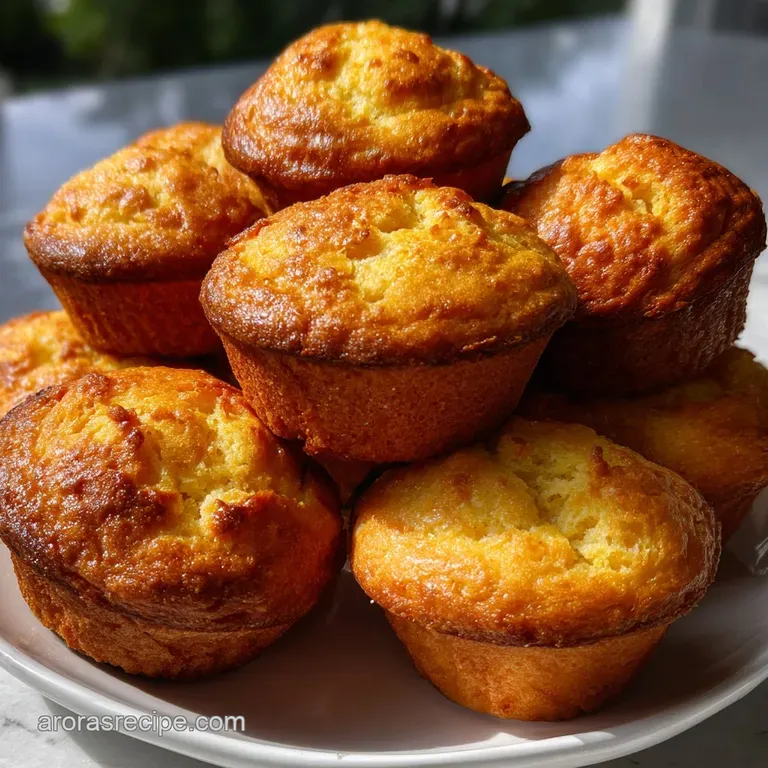
- Chef's Classic Buttermilk Cornbread Muffins : Quick, Tender, and Lighter Than Air
- The Ultimate Guide to Tender Buttermilk Corn Muffins
- The Science Behind the Perfect Crumb: Why This Recipe Excels
- Essential Pantry Items and Ingredient Deep Dive
- Baking Success: A Simple Step-by-Step Method
- Mastering the Batter: Chef's Tips and Troubleshooting
- Keeping Your Muffins Fresh: Storage and Longevity
- Elevating Your Spread: Suggested Pairings and Toppings
- Recipe FAQs
- 📝 Recipe Card
Chef's Classic Buttermilk Cornbread Muffins : Quick, Tender, and Lighter Than Air
The Ultimate Guide to Tender Buttermilk Corn Muffins
Imagine the scent: that warm, honeyed, rich aroma of baking cornmeal floating through your kitchen, beckoning everyone closer. That smell is the unmistakable sign that a batch of perfect Cornbread Muffins is on its way.
They promise a sturdy, slightly rustic texture on the outside, giving way to an unbelievably tender, moist interior.
Seriously, this buttermilk Cornbread Muffins recipe is a total lifesaver. It’s significantly faster than baking a skillet cake no fussing with preheating massive cast iron and cheaper than any bakery treat.
When you need that comforting, slightly sweet, satisfying side dish in under 40 minutes, this is your immediate solution.
We are leaving dry, crumbly, flavorless cornbread in the past. We are focusing on maximizing moisture and tenderness using classic techniques, achieving the best Cornbread Muffins you've ever tasted. Let's crack on and get baking!
You won't believe how easy this specific cornbread muffin recipe is to master.
The Science Behind the Perfect Crumb: Why This Recipe Excels
You might think Cornbread Muffins are simple, and they are, but a few key intentional changes separate a good muffin from a glorious one. I’ve made every mistake in the book over the years, producing everything from dense hockey pucks to sad, sandy crumbs.
Now I know the secrets, and they all hinge on controlling gluten and maximizing lift.
The Difference Buttermilk Makes in Quick Breads
Buttermilk isn't just for texture; it's a chemical powerhouse when making Cornbread Muffins . Its acidity reacts beautifully (and violently!) with the baking soda we include in the recipe. This reaction creates a huge burst of carbon dioxide bubbles right when the muffins hit the heat.
The result? Incredible vertical lift and a deeply tender crumb, far superior to what you get using regular milk. This is how we ensure our finished Cornbread Muffins are never heavy.
What Defines a 'Quick Bread' Muffin Texture
Muffins fall into the "quick bread" category because they use chemical leaveners (like baking soda and powder) instead of yeast. The goal here is speed and tenderness, not structure. We want a delicate texture that breaks apart easily in your hands, perfect for dipping into chili.
Achieving that characteristic dome and soft interior requires respecting the ingredients and baking quickly.
Our Secret to Avoiding Dry, Crumbly Muffins
Most dry Cornbread Muffins are caused by one of two culprits: too much flour/cornmeal, or fat that wasn’t properly integrated. I use melted butter here, not oil.
Melting the butter ensures it disperses fully into the batter, coating the flour particles and inhibiting excessive gluten development. This adds moisture and the rich flavor you just don't get with oil. This technique also ensures our Cornbread Muffins stay moist for days.
Gluten Development Control (The Overmixing Trap)
This is the single most important rule for Cornbread Muffins : Do not overmix. Flour contains proteins that, when hydrated and agitated, form gluten strands. Gluten is great for chewy yeast breads, but it guarantees tough, leathery muffins.
Stop mixing the second you see the dry streaks disappear. Seriously, lumps are your friends here; embrace them!
Balancing Acidity for Optimal Lift and Texture
Because we use both baking soda (activated by the buttermilk's acid) and baking powder (activated by heat and moisture), we get a powerful dual lift. A lot of recipes skip the powder, but using both guarantees rise insurance and superior loft in your Cornbread Muffins .
Plus, the slight sweetness helps balance the acidity, making the flavor profile irresistible.
Achieving Deep Flavor Through Melted Fat
We talked about texture, but let's talk flavor. Using melted butter, specifically, adds a depth that vegetable oil lacks. Pro Tip: For next level flavor in your Cornbread Muffins , try browning the butter first.
Cook it until it smells nutty and has golden brown bits, then let it cool slightly before adding it to the wet ingredients. It’s an extra step, but totally worth the rich taste.
Essential Pantry Items and Ingredient Deep Dive
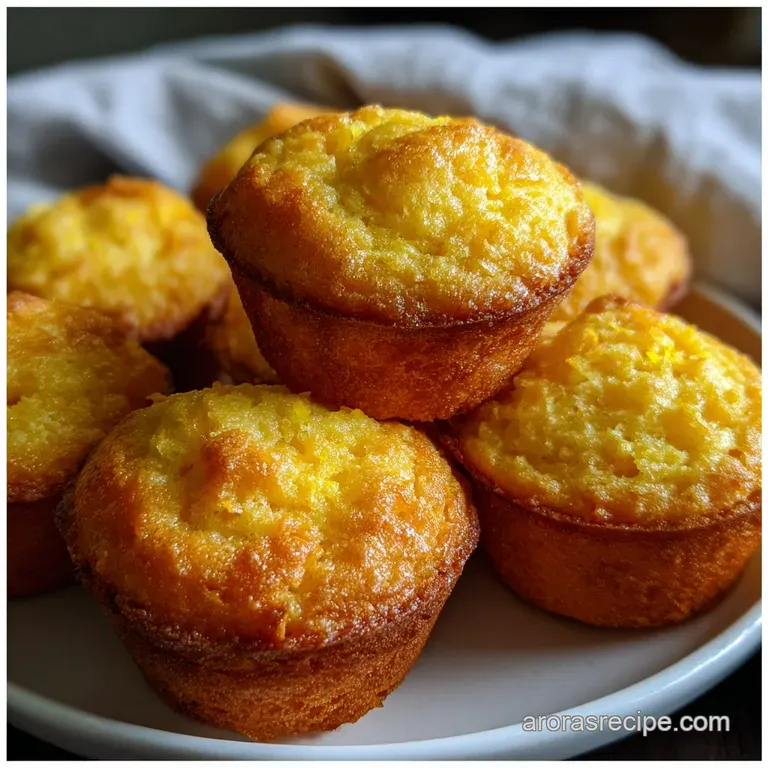
Before we start mixing these simple Cornbread Muffins together, let's talk specifics. Quality ingredients matter, especially since this is a basic recipe where flavors shine through brightly.
Choosing the Right Cornmeal Grade for Baking
I strongly recommend using medium grind yellow cornmeal. Fine corn flour can quickly lead to a paste like or gluey muffin texture once wet. The medium grind provides that pleasant, slightly rustic crunch and substance that defines proper Cornbread Muffins .
White cornmeal works fine too, but yellow offers a superior color and a slightly sweeter flavor.
Buttermilk Alternatives and Dairy Swaps
| Ingredient | Standard Recipe Use | Viable Substitute | Notes |
|---|---|---|---|
| Buttermilk | 1 1/4 cups | Milk + 1 Tbsp Lemon Juice/Vinegar | Let curdled mix sit for 5 mins before use. |
| Butter | 1/2 cup, melted | Neutral Oil (Canola/Grapeseed) | Only use oil if dairy-free; butter is superior. |
| Large Eggs | 2 | Flax Eggs (2 Tbsp ground flax + 6 Tbsp water) | Requires 10 mins rest time to gel for vegan Cornbread Muffins . |
If you're making savory cornbread muffins with sour cream, you can happily swap out the buttermilk for an equal measure of thin yogurt or light sour cream thinned slightly with milk. That little bit of fat and tang really works wonders.
Adjusting Sweetness: Sugar and Honey Options
My standard recipe uses 1/4 cup of granulated sugar for balance. It’s enough to encourage browning and give those classic Southern style Cornbread Muffins that hint of sweetness, without making them taste like dessert.
If you prefer a more robustly sweet variety, substitute half the sugar with honey, adding it to the wet ingredients. For fully savoury muffins (great with chili!), omit the sugar completely.
Prepping Your Muffin Tin for Optimal Release
I highly recommend using paper liners for these Cornbread Muffins for the easiest cleanup known to man. But if you want that lovely, slightly crispy edge, skip the liners. Instead, melt an extra tablespoon of butter and brush it liberally into the muffin wells.
When the batter hits that hot buttered metal, it creates a textural contrast that is just divine.
Baking Success: A Simple step-by-step Method
Remember our mantra: minimal mixing, maximum flavor. Follow these steps for perfect Cornbread Muffins every time.
Combining Dry Ingredients: Sifting is Optional
In your largest bowl, whisk together the cornmeal, flour, sugar, baking powder, baking soda, and salt. You don't have to sift, but a solid 30 seconds of enthusiastic whisking ensures those leavening agents are completely distributed.
If you skip this, you might end up with a small pocket of slightly bitter, unactivated baking soda in one of your Cornbread Muffins . Nobody wants that disappointment.
The 'Wet Into Dry' Mixing Technique
Create a nice deep crater in the center of your dry mix. In a separate bowl, combine the buttermilk, eggs, and the slightly cooled melted butter. This is key: if the butter is steaming, let it cool! Pour the wet mixture directly into the dry well. Using a rubber spatula, begin folding. Go slow.
Scrape the bottom and sides and bring the dry bits up. Stop mixing the very moment the dry patches disappear. It should look like thick, lumpy pancake batter.
Chef’s Note: Do not mix away the lumps! Lumps are unmixed pockets of flour, which will hydrate during baking, yielding a softer muffin. Overmixing now guarantees tunneling and toughness. These easy Cornbread Muffins demand gentle love.
Portioning the Batter Evenly in Muffin Cups
Using an ice cream scoop (a size 16 or 1/4 cup scoop is ideal) is the easiest way to ensure uniform muffins. Even size is crucial because it guarantees even baking time. Fill each prepared muffin cup about two-thirds to three quarters full. Filling them too high risks them collapsing or overflowing, creating a mess.
The Visual Cue for When the Muffins Are Done
Your oven should be ripping hot at 400°F (200°C) to start. Bake the Cornbread Muffins for 18 to 20 minutes. Here’s what you look for: the muffins should be a deep golden brown, especially around the edges.
When you tap the top lightly, they should spring back immediately, not leave an indentation. If you’re unsure, insert a clean wooden skewer or toothpick into the center; it should come out clean, perhaps with a few moist crumbs clinging to it, but definitely not wet batter.
Mastering the Batter: Chef's Tips and Troubleshooting
How to Avoid Tunneling and Tough Texture
Tunneling means you have long, stretchy air pockets running vertically through your muffin. This is the tell tale sign of overmixing. If you see tunnels, you developed too much gluten. Next time, mix for five seconds less. Also, ensure your ingredients (especially eggs) are close to room temperature.
Cold ingredients stiffen the melted butter, making the whole binding process uneven, which encourages you to mix more than necessary.
Temperature Matters: Why Ingredients Should Be Room Temp
While the buttermilk itself can be cold (it sometimes helps the leavening start), the eggs absolutely must be room temperature. Room temperature eggs emulsify better with the fat and incorporate faster into the batter.
This minimizes mixing time, directly leading to more tender Cornbread Muffins . Just set your eggs out on the counter 30 minutes before you plan to bake.
High Altitude Adjustments for Cornbread Muffins
Baking at high altitude often means faster leavening and evaporation, which can lead to dry or collapsed muffins. If you live above 3,500 feet, you might need to slightly adjust your leavening. Try reducing the baking powder by 1/4 teaspoon and increasing the liquid (buttermilk) by 1 2 tablespoons.
This slows the explosive rise and adds needed moisture.
Keeping Your Muffins Fresh: Storage and Longevity
These buttery Cornbread Muffins surprisingly hold up well, provided you store them correctly. There is nothing sadder than a dried out homemade muffin!
Short Term Counter Storage Best Practices
Once the Cornbread Muffins are completely cool, store them in an airtight container at room temperature. They will last beautifully for 2 to 3 days. To keep them ultra moist, tuck a small piece of plain bread or a half slice of apple into the container with them.
The bread/apple will sacrifice its moisture content before the cornbread does.
Vacuum Sealing and Freezing Baked Goods
Yes, you can absolutely freeze Cornbread Muffins ! Once they are completely cool, wrap each muffin individually in plastic wrap, then place them all into a heavy duty freezer bag or vacuum seal them. They stay perfect in the freezer for up to 3 months. When you want one, just pull it out.
Reheating Instructions for Day-Old Muffins
If your Cornbread Muffins are slightly stale or cold from the fridge, a quick reheat brings them back to life. Wrap them loosely in foil and place them in a 350°F (175°C) oven for about 8 minutes.
Alternatively, a quick 10 20 second burst in the microwave is acceptable, but be warned: it might make them a little chewier. Nothing beats a warm, freshly baked Cornbread Muffins texture.
Elevating Your Spread: Suggested Pairings and Toppings
These versatile Cornbread Muffins really shine when served piping hot alongside rich, savory meals. They are the perfect textural balance to anything saucy or meaty.
For dinner tonight, try serving them with something deeply comforting, like my recipe for Sage Ground Beef Cornbread Stuffing: Robust Comfort Food Recipe if you're making a full meal, or maybe just alongside a bowl of rich chili. They also make a phenomenal base if you want to crumble them up for a quicker Thanksgiving dressing (less work than baking a full sheet tray of Albers Cornbread: Perfectly Tender Ultra Crispy Skillet Bake ).
Topping Ideas:
- Sweet: Salted cultured butter and local wildflower honey (my favorite!). Maple syrup or blackberry jam is also sensational.
- Savory: Serve with extra sharp cheddar, sliced thin, or alongside a small bowl of melted pimento cheese.
- Unique: A tiny swirl of hot sauce mixed into softened butter for a kick.
Once you try these consistently moist and tender Cornbread Muffins , you'll never buy a mix again. This is truly the best cornbread muffins recipe for home bakers. Enjoy the aroma! Now go make those Cornbread Muffins !
Recipe FAQs
Why did my Cornbread Muffins turn out dry, dense, or crumbly?
The most common cause for dry muffins is overmixing the batter, which develops the gluten too much, leading to a tough texture. Be sure to mix until the dry ingredients are just incorporated, and stop as soon as you no longer see pockets of flour.
Can I use milk instead of buttermilk in this recipe?
While you can use regular milk, we highly recommend buttermilk because its acidity reacts with the leavening agents (baking soda/powder), creating a higher rise and a significantly more tender crumb.
To replicate buttermilk, add 1 tablespoon of white vinegar or lemon juice to a measuring cup and fill the rest with regular milk, letting it sit for 5 minutes before using.
How long do Cornbread Muffins stay fresh, and how should I store them?
Cornbread Muffins are best enjoyed the day they are baked. Store cooled leftovers in an airtight container at room temperature for up to 2-3 days.
Can I freeze the Cornbread Muffins for later use?
Yes, cooled muffins freeze very well! Wrap each muffin individually in plastic wrap, then place them all into a heavy duty freezer bag; they will keep for up to 3 months.
The recipe calls for melted butter, but should it be warm or cooled?
The melted butter should always be cooled slightly before being added to the batter. If the butter is too hot, it can scramble the eggs or curdle the buttermilk, negatively affecting the final texture of the muffins.
Can I add mix-ins, such as cheese or jalapeños, to this specific recipe?
Absolutely! This recipe works perfectly as a base for savory additions. Gently fold in about 1 cup total of shredded cheddar cheese, diced jalapeños, or crumbled bacon just before portioning the batter into the muffin tins.
Is it better to use fine ground or coarse ground cornmeal for this recipe?
We recommend fine or medium ground cornmeal for these muffins, as it helps achieve the "lighter than air" tender crumb mentioned in the description. Coarse ground cornmeal will result in a much heartier, denser, and rustic texture.
Buttermilk Cornbread Muffins Recipe Easy
Ingredients:
Instructions:
Nutrition Facts:
| Calories | 487 kcal |
|---|---|
| Protein | 4.3 g |
| Fat | 33.5 g |
| Carbs | 42.4 g |
