Cajun Tartar Sauce: Zesty & Smoky
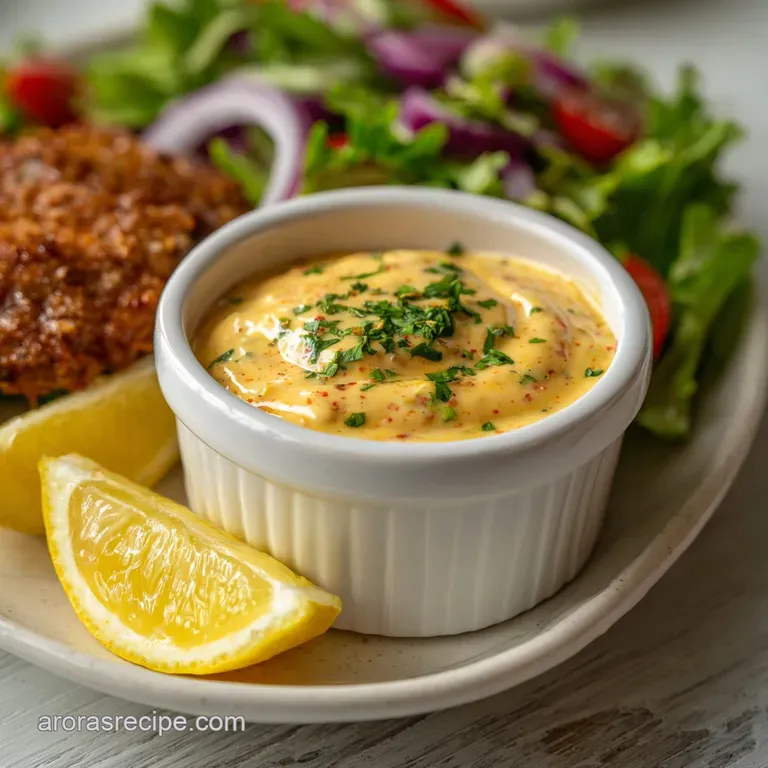
- Time: Active 10 minutes, Passive 30 minutes, Total 40 minutes
- Flavor/Texture Hook: Velvety base with a zippy, shattered pickle crunch
- Perfect for: Crispy catfish, weeknight shrimp boils, or crab cakes
- Why This Works: The Science of Layered Flavor
- Component Analysis: The Flavor Foundation
- Essential Ingredients for Soulful Sauce
- Mixing Bowls and Sharp Knives
- Fail Proof Steps to Velvety Results
- Common Mistakes and Texture Fixes
- Smart Substitutions and Creative Twists
- Storage Tips and Quality Retention
- Best Dishes for This Dipping Sauce
- Myths About Homemade Tartar Sauce
- Cajun Tartar Sauce FAQs
- 📝 Recipe Card
Close your eyes and imagine the sharp, acetic zing of a freshly popped jar of dill pickles mingling with the deep, earthy hum of smoked paprika. That first whiff always takes me back to a humid afternoon in New Orleans, standing by a card table loaded with newspaper and steaming crawfish.
I remember watching a local cook whisk a similar sauce in a plastic tub, his movements fast and practiced. It wasn't just mayo; it was a vibrant, orange tinted emulsion that looked alive with spices.
I've spent years trying to replicate that specific soulful kick, and I finally realized that most people play it too safe. They stir together some mayo and relish and call it a day. But if you want a sauce that actually stands up to the heavy, golden crust of fried seafood, you need to be bolder. You need layers.
You need that specific friction between the creamy fat and the acidic bite of capers.
We’ve all been there staring at a plate of perfectly fried shrimp, only to be let down by a bland, watery sauce that tastes like nothing. This Cajun Tartar Sauce is the literal antidote to that disappointment.
It’s got enough backbone to cut through the oil of a deep fry while staying silky enough to lick right off the spoon. Trust me, once you see how those spices bloom in the mayo after a quick rest, you’ll never go back to the jarred stuff again.
Why This Works: The Science of Layered Flavor
- Fat Soluble Infusion: The capsaicin in the cayenne and the oil based compounds in the smoked paprika dissolve into the mayonnaise, creating a more uniform heat that coats the tongue.
- Acidic Protein Denaturation: The lemon juice and vinegar from the pickles act as a chemical "brightener," physically breaking down the perception of heavy fats on the palate.
- Osmotic Texture Preservation: Using coarse grain mustard and minced capers provides physical resistance, ensuring the sauce doesn't feel like a homogenous "mush" but rather a collection of distinct textures.
The Science of the Cold Bloom
Flavor compounds in dried spices, especially the earthy notes in Cajun seasoning, take time to migrate into the fat molecules of the mayonnaise. In a cold environment, this process happens slowly, allowing the sharp edges of the garlic powder and cayenne to mellow and integrate.
This is why a 30 minute rest isn't just a suggestion; it is a chemical necessity for a balanced profile.
| Method | Preparation Time | Texture Profile | Best Use Case |
|---|---|---|---|
| The Quick Whisk | 5 minutes | Sharp, separated flavors | Last minute weeknight dip |
| The Cold Bloom | 40 minutes | Integrated, velvety, deep | Authentic seafood feasts |
| The Overnight Soak | 12 hours | Mellow, rounded, intense | Gourmet catering or prep |
When we talk about the soul of New Orleans cooking, we are often talking about patience. Even in a "quick" sauce like this, giving the ingredients a moment to get acquainted in the fridge makes the difference between a side dish and the star of the show. If you are looking for more ways to use these bold profiles, you might enjoy the technique in my Silky Creamy Crawfish recipe which uses similar spice to fat ratios.
Component Analysis: The Flavor Foundation
| Ingredient | Science Role | Pro Secret |
|---|---|---|
| high-quality Mayo | Primary Emulsion | Use a soy free version for a cleaner, less oily finish on the tongue. |
| Creole Mustard | Emulsification Aide | The mustard seeds act as stabilizers, preventing the lemon juice from thinning the sauce. |
| Minced Capers | Brine Delivery | Rinse them first to control the salt, then crush slightly to release oils. |
Essential Ingredients for Soulful Sauce
To get that authentic flavor, you need to be specific about what goes into the bowl. Don't just grab whatever is in the pantry; the quality of your aromatics determines the final punch.
- 1 cup high-quality mayonnaise: This is your canvas. Look for something thick and stable. Why this? Provides the velvety mouthfeel needed to carry the heavy spices.
- 2 tbsp coarse grain Creole mustard: This isn't your standard yellow mustard; it’s grainy and spicy.
- 1 tsp freshly squeezed lemon juice: Avoid the bottled stuff; you need the volatile oils from the fresh fruit. Why this? The citric acid cuts the fat and activates your salivary glands.
- 1/4 cup finely minced dill pickles: Use a "crunchy" variety to ensure the texture holds up.
- 2 tbsp minced capers, drained and rinsed: These add a sophisticated, salty pop.
- 1 tbsp fresh flat leaf parsley, finely chopped: For a necessary hit of herbal freshness.
- 2 tsp smoked paprika: This provides the "soul" and that characteristic sunset hue.
- 1 tbsp salt free Cajun seasoning: Controls the flavor without making the sauce a salt bomb.
- 1/2 tsp garlic powder: Adds a savory depth that fresh garlic can sometimes make too harsh.
- 1/4 tsp cayenne pepper: Just enough to provide a lingering warmth on the back of the throat.
- 1 tsp Worcestershire sauce: The secret umami weapon that ties the spice to the cream.
If you find yourself missing the Creole mustard, a spicy brown mustard works in a pinch, though you'll lose some of that signature grit. For those who enjoy a bit more citrus forward profile, much like the brightness in a Tataki Sauce Recipe, you can double the lemon juice, but be wary of thinning the emulsion too much.
Mixing Bowls and Sharp Knives
You don't need a pantry full of gadgets to pull this off, but the right tools make the prep fly by. A heavy glass bowl is better than plastic, as it won't absorb the strong scents of the garlic and pickles.
- Stainless steel whisk: To ensure the mustard and mayo are perfectly homogenized.
- Fine mesh strainer: Essential for draining the capers and pickles so you don't end up with a watery mess.
- Sharp Chef’s knife: You want a clean cut on the parsley and pickles, not a bruised, mushy mess.
- Glass storage jar: A Mason jar is my go to for the chilling phase.
Chef's Tip: Freeze your pickles for about 10 minutes before mincing. It firms up the cell walls, allowing you to get tiny, perfect cubes that won't weep juice into your sauce.
Fail Proof Steps to Velvety Results
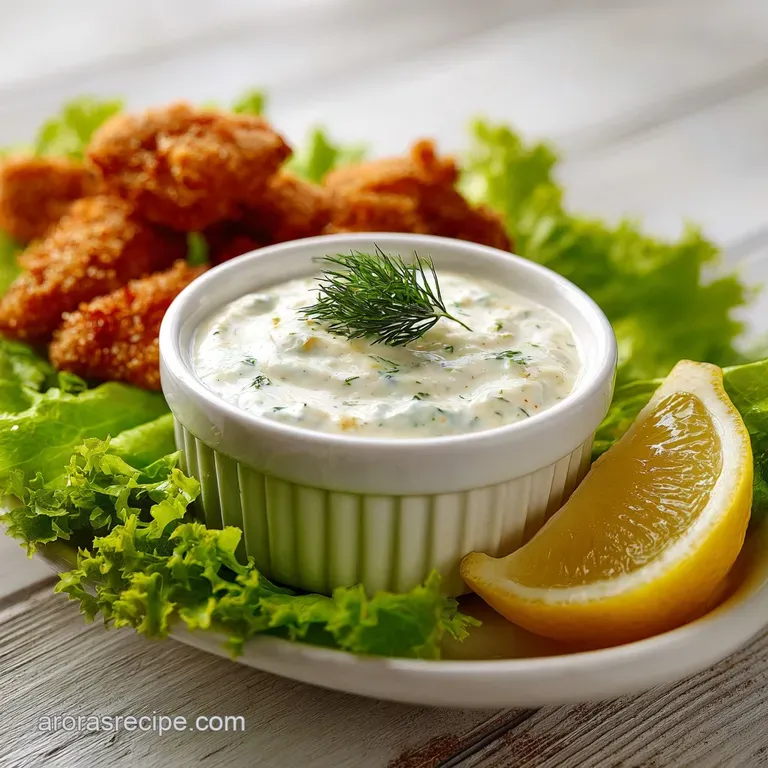
- Drain the wet elements. Place your 1/4 cup finely minced dill pickles and 2 tbsp minced capers in a paper towel. Note: This prevents the sauce from separating later.
- Whisk the base. Combine 1 cup mayonnaise with 2 tbsp Creole mustard in a medium bowl until smooth and pale orange.
- Introduce the aromatics. Add the 1/2 tsp garlic powder, 1/4 tsp cayenne, and 2 tsp smoked paprika. Note: Adding dry spices to the base first ensures they don't clump.
- Add the punch. Stir in the 1 tsp Worcestershire sauce and 1 tsp fresh lemon juice until the mixture looks glossy.
- Fold in the texture. Gently stir in the dried pickles, capers, and 1 tbsp fresh parsley.
- Incorporate the Cajun blend. Sprinkle in the 1 tbsp salt free Cajun seasoning and fold.
- The Chill Factor. Transfer the mixture to a glass jar and seal tightly.
- Wait for the bloom. Refrigerate for at least 30 minutes until the color deepens and the flavors meld.
- Final stir. Give it one last whisk before serving until it reaches a creamy, spreadable consistency.
Common Mistakes and Texture Fixes
The Watery Sauce Dilemma
If your sauce looks more like a dressing than a dip, you likely had too much moisture in your pickles. It happens to the best of us! To fix this, don't add more mayo that just dilutes the flavor. Instead, whisk in an extra teaspoon of the Creole mustard.
The mustard seeds act as a natural thickener and will help pull the emulsion back together.
The Salt Management Issue
Cajun seasoning brands vary wildly in salt content. If you accidentally used a salted version and the sauce is stinging, don't panic. Add a tiny pinch of granulated sugar. It won't make the sauce sweet, but it will chemically suppress the bitterness of the salt on your taste buds.
| Problem | Root Cause | Solution |
|---|---|---|
| Separation | Excessive lemon juice | Whisk in a dollop of mustard to re emulsify. |
| Bland Finish | Dry spices are old | Add a squeeze of fresh lemon to wake up the aromatics. |
| Grainy Mouthfeel | Garlic powder clumped | Sieve the dry spices before adding to the wet base. |
Common Mistakes Checklist
- ✓ Never use "miracle" style sandwich spreads; the sugar content ruins the Cajun profile.
- ✓ Don't skip the rinse on the capers, or the metallic brine will dominate the sauce.
- ✓ Always mince your parsley as fine as possible to avoid "leafy" bites.
- ✓ Let the sauce sit at room temperature for 5 minutes before serving for better spreadability.
- ✓ Check your Cajun seasoning for salt before adding any extra most blends are salt heavy.
Smart Substitutions and Creative Twists
The Smoky Remoulade Twist
If you want to lean closer to a traditional remoulade, swap half of the mayo for Greek yogurt. It adds a fermented tang that plays beautifully with the smoked paprika. Be aware that this will make the sauce slightly thinner, so you might want to reduce the lemon juice by half to compensate.
The Health Conscious Swap
For a lower fat version, avocado based mayonnaise is a brilliant substitute. It has a high monounsaturated fat content which makes the sauce feel even richer than traditional egg based mayo. The slightly green tint is easily masked by the heavy handed application of smoked paprika and Cajun spices.
| Original Ingredient | Substitute | Why It Works |
|---|---|---|
| Mayonnaise (1 cup) | Greek Yogurt (Full Fat) | Adds a sharp tang. Note: Results in a thinner, more pourable sauce. |
| Creole Mustard | Spicy Brown Mustard | Similar heat profile without the large seed husks. |
| Fresh Parsley | Dried Chives | Adds an oniony depth if fresh herbs aren't available. |
When you're scaling this recipe up for a big backyard party, remember that spices don't always scale linearly. If you are doubling the batch (2 cups of mayo), only increase the cayenne and Cajun seasoning by 1.5 times initially. You can always add more, but taking it out is a nightmare.
For liquid adjustments, keep the Worcestershire sauce the same and only increase if the mix feels too thick.
Storage Tips and Quality Retention
This sauce is a survivor. Because of the high acid content from the lemon juice, mustard, and pickles, it stays fresh in the fridge for up to 7 days. Always store it in an airtight glass container; plastic tends to absorb the cayenne color and the garlic scent, which is nearly impossible to wash out.
I don't recommend freezing this sauce. Mayonnaise is an emulsion of oil and water held together by egg yolk; when it freezes, the ice crystals break that bond. When you thaw it, you’ll likely end up with a greasy, broken mess that no amount of whisking can save. If you have leftovers, get creative!
Use it as a binder for a zesty potato salad or a spread for a fried green tomato sandwich.
Best Dishes for This Dipping Sauce
Seafood Classics
This sauce was born for the "Big Three" of Southern frying: catfish, shrimp, and oysters. The smokiness of the paprika echoes the toasted notes of a cornmeal crust, while the pickles provide the necessary contrast to the sweet meat of the seafood. It's the ultimate partner for a shrimp po'boy.
The Southern Fries Dip
Forget ketchup. If you've never dipped a hot, salty crinkle cut fry into a bowl of Cajun Tartar Sauce, you haven't lived. The garlic and onion notes in the sauce elevate the potato, making it feel like a gourmet side dish rather than a fast food afterthought.
- If you want more heat, add a teaspoon of your favorite Louisiana style hot sauce.
- If you want it creamier, whisk in a tablespoon of heavy cream at the very end.
- If you want more crunch, add finely diced celery for a fresh, watery snap.
Myths About Homemade Tartar Sauce
Myth: You have to use fresh garlic for the best flavor. Actually, in a cold sauce, fresh garlic can become overwhelmingly pungent and "bitey" as it sits. Garlic powder provides a consistent, savory background note that allows the other spices to shine without making your breath a weapon for the next three days.
Myth: Tartar sauce is basically just remoulade. While they share a mayo base, a true Cajun Tartar Sauce focuses on the pickle and caper brine, whereas remoulade leans heavily into horseradish and tomato paste.
They are cousins, but the tartar sauce is much cleaner and more acid forward, making it better for fried foods.
Myth: You must use sweet relish for authenticity. In the South, especially in Louisiana, we lean toward dill. Sweet relish can muddy the waters and make the sauce taste like a Big Mac topping. Stick to the dill pickles for that sharp, sophisticated edge that cuts through the richness of fried fish.

Cajun Tartar Sauce FAQs
What's the secret to the best Cajun tartar sauce?
Layering bold flavors with a proper rest. Don't just mix mayo and relish; incorporate smoky spices like paprika, a touch of heat, and a briny crunch from pickles and capers. Letting the sauce sit for at least 30 minutes allows these flavors to meld beautifully, a technique similar to how flavors develop in our Crock Pot Jambalaya: Set-It-and-Forget-It Classic.
Which brand tartar sauce tastes like McDonald's?
McDonald's tartar sauce is a distinct sweet tart profile. While not Cajun, it's a specific blend often replicated by brands focusing on sweet pickle relish and a lighter mayonnaise base. It lacks the smoky, savory depth of Cajun tartar sauce.
Is tartar sauce just mayonnaise and relish?
No, that's a common misconception for authentic tartar sauce. While mayo and relish form a base, traditional tartar sauce also includes ingredients like capers, pickles, lemon juice, and seasonings for a more complex, tangy, and briny flavor.
What kind of tartar sauce does Long John Silver's use?
Long John Silver's uses a creamy, slightly sweet tartar sauce. It's characterized by a smooth texture and a balanced flavor profile that complements their fried seafood without being overly complex or spicy.
Can I use sweet pickle relish instead of dill pickles?
You can, but it will change the flavor profile significantly. Sweet relish creates a much sweeter sauce, similar to what you'd find on a fast food burger, whereas dill pickles provide the sharp, briny, acidic bite crucial for cutting through rich, fried foods, like in our Cajun Tartar Sauce.
How long does homemade Cajun tartar sauce last?
It can last up to 7 days in the refrigerator. Store it in an airtight glass container to maintain freshness and prevent flavors from absorbing into other foods. The acidity from lemon juice and pickles helps preserve it.
Can I make Cajun tartar sauce ahead of time?
Yes, and it's highly recommended. Making it at least 30 minutes ahead, or even the day before, allows the spices to "bloom" and meld with the mayonnaise, creating a richer, more integrated flavor. This technique of allowing flavors to marry is key to many great sauces, much like the deep flavors developed in our Chicken and Sausage Pasta: Velvety Cream Sauce in 25 Mins.
Cajun Tartar Sauce
Ingredients:
Instructions:
Nutrition Facts:
| Calories | 130 calories |
|---|---|
| Protein | 0.2 grams |
| Fat | 14 grams |
| Carbs | 1.2 grams |
| Fiber | 0.1 grams |
| Sugar | 0.6 grams |
| Sodium | 210 milligrams |
