Canning Tomato Soup the Frugal Farm: Pantry-Ready Concentrate
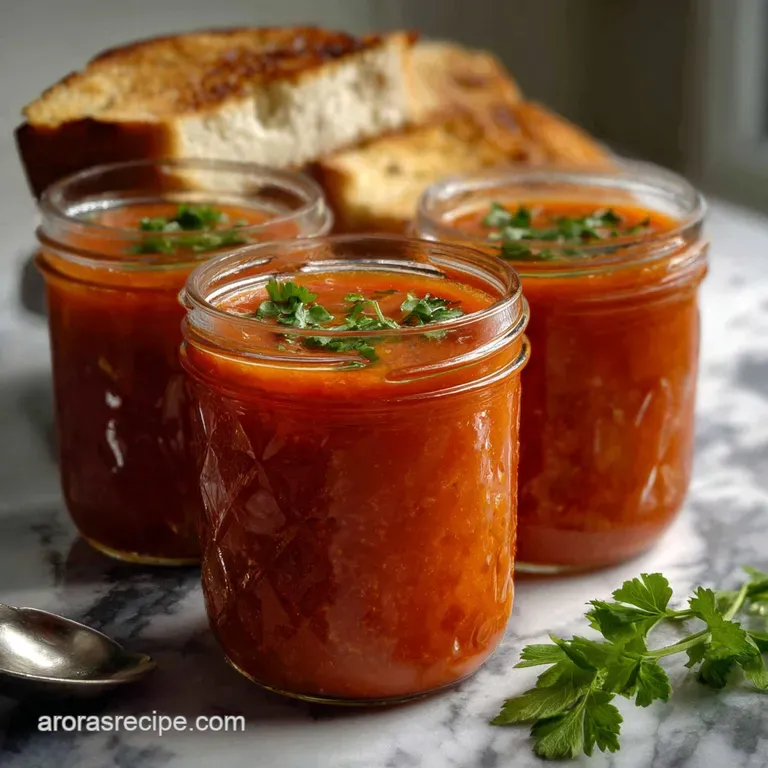
- Effort/Time: Moderate intensity (2 hours)
- Flavor Hook: Concentrated garden-fresh umami
- Perfect for: Budget-conscious meal-prepping
- Master the Ultimate Canning Tomato Soup The Frugal Farm
- The Science of Pectin and Acid Balance in Preservation
- The Chemistry of Canning Tomato Soup The Frugal Farm
- Selecting Elements for Canning Tomato Soup The Frugal Farm
- Essential Tools for Thermal Processing and Texture Management
- Step-by-Step Protocol for Canning Tomato Soup The Frugal Farm
- Troubleshooting Your Canning Tomato Soup The Frugal Farm
- ⚗️ The Scaling Lab
- Common Preservation Myths
- Storage & Zero Waste Philosophy
- Culinary Pairings to Highlight Preserved Umami Notes
- Recipe FAQs
- 📝 Recipe Card
Master the Ultimate Canning Tomato Soup The Frugal Farm
There is nothing more gut-wrenching than hearing the "clink" of a jar lid only to realize hours later that your hard work resulted in a watery, separated mess. I remember my first attempt at preserving the harvest; I spent forty dollars on heirloom varieties, only to have the soup turn a depressing shade of pale orange because I didn't understand enzymatic oxidation.
Wasting that much money and time is a rite of passage for many, but it’s an expensive one that we are going to avoid today.
I once destroyed a massive 20 pound batch of "Canning Tomato Soup The Frugal Farm" because I thought I could eyeball the lemon juice. I learned the hard way that home canning isn't a "suggestion" it's a chemical contract between you and the pH scale.
If the acidity isn't precision matched to the thermal processing time, you aren't just making soup; you're creating a petri dish for spoilage. It was a humbling lesson in humility and the literal physics of food safety.
The secret to that velvety, professional texture isn't a secret ingredient; it’s the science of pectin preservation through rapid heat application. When you cook tomatoes, you are managing the Maillard reaction alongside the breakdown of cellular walls.
By following this specific protocol for Canning Tomato Soup The Frugal Farm, you ensure the pectin chains remain long enough to provide body, while the added bottled lemon juice creates a safety barrier that makes this soup shelf stable for months.
The result is a vibrant, mahogany colored concentrate that offers a shattering snap of flavor every time you pop a seal.
The Science of Pectin and Acid Balance in Preservation
- Enzymatic Inactivation: Rapidly heating the tomatoes to 180°F stops pectinase enzymes from breaking down the natural thickeners, preventing that dreaded "water on top" separation.
- pH Stabilization: Adding 1 tbsp of bottled lemon juice per pint ensures the environment stays below 4.6 pH, which is the hard line for preventing Clostridium botulinum growth.
- Osmotic Pressure: Granulated sugar and canning salt work together to draw moisture out of the vegetable cells, concentrating the natural sugars for a deeper flavor profile.
The Chemistry of Canning Tomato Soup The Frugal Farm
Ingredient Chemistry Breakdown
| Ingredient | Chemical/Physical Role (Science) | The Pro Secret (Why This Matters) |
|---|---|---|
| 20 lbs Fresh Tomatoes | Pectin and Lycopene source | Lycopene becomes more bioavailable and intense after the thermal processing. |
| 8 tbsp Bottled Lemon Juice | Citric acid standardized acidification | Provides a guaranteed pH drop that fresh lemons (with variable acidity) cannot offer. |
| 2 tbsp Canning Salt | Ionic mineral seasoning | Lacks anti caking agents found in table salt, keeping the liquid crystal clear and sediment free. |
| 1/4 cup Granulated Sugar | Counter acid balance | Chemically rounds out the sharp citric notes without altering the safety of the pH level. |
Selecting Elements for Canning Tomato Soup The Frugal Farm
- 20 lbs Fresh Tomatoes: Why this? Ripe Roma or San Marzano varieties offer higher solids and lower water content.
- 2 cups Chopped Onions: Why this? Contains sulfur compounds that transform into sweet flavor precursors during the long simmer.
- 1 cup Chopped Celery: Why this? Provides natural nitrates and structural savory notes to the aromatic base.
- 4 cloves Garlic: Why this? Minced finely to ensure even distribution of allicin derived pungency throughout the batch.
- 2 tbsp Diamond Crystal Canning Salt: This specific salt prevents the cloudy appearance often found in inferior preserved goods.
- 1/4 cup Granulated Sugar: Essential for masking the metallic edge that can develop during over high heat processing.
- 1 tsp Dried Basil: Dried herbs are safer for canning as they don't introduce the moisture or potential soil bacteria of fresh leaves.
- 1/2 tsp Black Pepper: Adds a subtle heat that cuts through the richness of the tomato sugars.
- 8 tbsp Bottled Lemon Juice: Why this? Required for standardized acidity levels to ensure the water bath process is lethal to pathogens.
Essential Tools for Thermal Processing and Texture Management
To achieve the best results with Canning Tomato Soup The Frugal Farm, you need the right mechanical advantages. A Lodge 12 quart Enamel Cast Iron Dutch Oven is my go-to for the initial simmer because its thermal mass prevents the bottom from scorching.
You’ll also need a KitchenAid Food Grinder with Fruit/Vegetable Strainer attachment (or a manual food mill) to strip the skins and seeds from the pulp while maintaining a velvety consistency.
For the actual preservation, use a Ball Water Bath Canner with a rack to ensure water can circulate beneath the jars. You must use 8 Wide Mouth Pint Jars to accommodate the thick texture of the soup, making it easier to pour and clean.
Finally, a reliable Digital pH Meter or at least high-quality pH strips can provide peace of mind, though the bottled lemon juice in this Tomato Soup - The Frugal Farm Wife recipe is formulated to handle the acidification for you.
step-by-step Protocol for Canning Tomato Soup The Frugal Farm
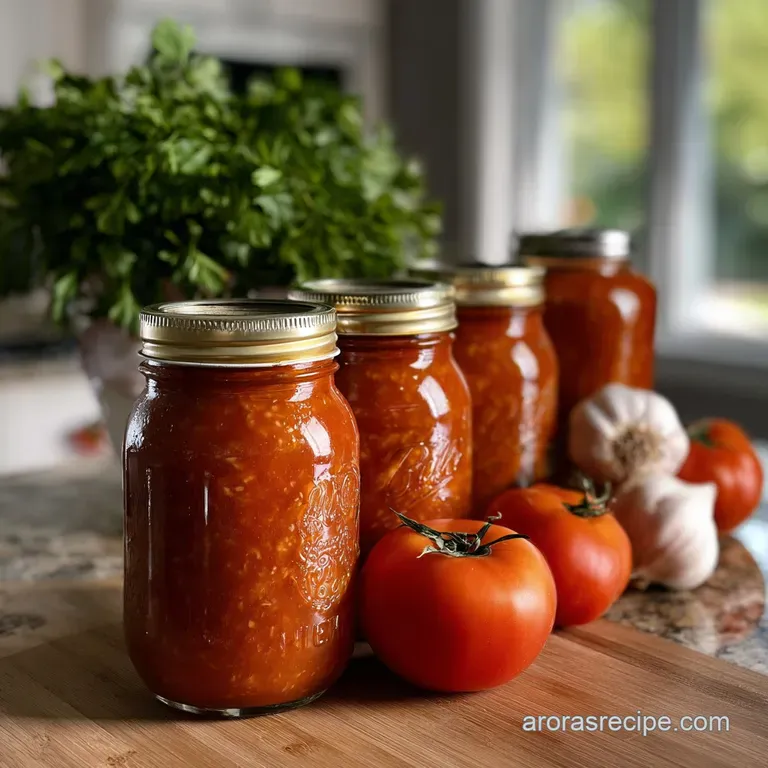
- Core 20 lbs tomatoes and chop into 2 inch chunks until juices begin to pool in the bowl.
- Sauté 2 cups onions, 1 cup celery, and 4 garlic cloves in a large pot for 8 minutes until onions are translucent and fragrant.
- Add chopped tomatoes to the pot and bring to a rolling boil until the skins start to curl and the mixture bubbles vigorously.
- Simmer for 45 minutes on medium low heat until vegetables are soft and the volume reduces slightly.
- Pass the mixture through a food mill into a clean pot until only seeds and skins remain in the sieve.
- Stir in 2 tbsp canning salt, 1/4 cup sugar, 1 tsp dried basil, and 1/2 tsp pepperuntil solids dissolve and the aroma shifts to savory sweet.
- Boil the strained liquid for 15 minutes until the consistency thickens and coats the back of a spoon.
- Sanitize 8 pint jars in boiling water for 10 minutes until jars are hot to the touch and sterile.
- Add 1 tbsp bottled lemon juice into each hot pint jar before adding any soup.
- Ladle hot soup into jars, leaving 1/2 inch headspace until the liquid level reaches the bottom of the jar rim.
- Wipe rims with a damp cloth and apply lids and bands until fingertip tight.
- Process in a boiling water bath for 35 minutes until the timer sounds and jars stay submerged.
- Remove jars and set on a towel for 24 hours until the lids "ping" and the center seal is concave.
Troubleshooting Your Canning Tomato Soup The Frugal Farm
If you notice your Soup - The Frugal Farm Wife is separating into layers, it's often a sign that the tomatoes weren't heated fast enough. This allows the enzymes to remain active for too long, cutting the pectin chains.
This is a common hurdle when making "Canning Tomato Soup The Frugal Farm," but it's easily solved with a quick whisk before serving.
Why Your Soup Separates
When the temperature rises slowly, pectinase enzymes go into overdrive. They effectively "clip" the molecular bonds that hold the tomato solids and water together. By the time you reach a boil, the structural damage is done.
| Problem | Root Cause | The Fix | Pro Protocol |
|---|---|---|---|
| Watery Top Layer | Enzymatic breakdown | Rapidly heat small batches | Heat tomatoes to a boil in 5 10 minutes. |
| Bitter Aftertaste | Over boiled seeds | Mill before final reduction | Remove seeds via food mill early in the process. |
| Jars Won't Seal | Dirty jar rims | Wipe with white vinegar | Use a lint free cloth dipped in vinegar to cut grease. |
⚗️ The Scaling Lab
When you decide to double your batch of Canning Tomato Soup The Frugal Farm, the physics of your kitchen changes significantly.
- The Evaporation Paradox: If you double the ingredients but use the same diameter pot, the surface area remains the same. Your soup will take twice as long to reduce, which can dull the bright red color of the Canning Tomato Soup - The Frugal Farm Wife. Instead, use two separate pots to maintain the correct evaporation rate.
- Flavor Saturation: Do not double the dried basil or pepper. Scale these to 1.5x initially. The compounds in dried herbs can become unpleasantly medicinal when processed under high pressure or heat in large volumes.
- Thermal Mass & Thermodynamics: Doubling the volume of 20 lbs of tomatoes means your pot will take much longer to return to a boil after you add the cold vegetables. This delay can lead to more enzymatic breakdown. Always work in batches no larger than 25 lbs to ensure the heat can penetrate the center of the mass quickly.
- Carry Over Heat: Large batches of The Frugal Farm Wife soup will hold heat longer after being pulled from the stove. Be prepared to fill your jars immediately, as a 10 minute delay can lead to over cooking and a "canned" flavor rather than a "fresh" one.
Common Preservation Myths
- Myth: You can use fresh lemon juice instead of bottled for Canning Tomato Soup The Frugal Farm.
- Truth: Fresh lemons have unpredictable pH levels (anywhere from 2.0 to 3.0). Standardized bottled juice is the only way to ensure the safety of Soup - The Frugal Farm Wife.
- Myth: Adding butter or cream before canning makes the soup smoother.
- Truth: Fats are not safe for water bath canning as they can encapsulate bacteria, protecting them from the heat. Add your dairy only when you are reheating the soup to serve. Just like the technique used in our Chicken Gnocchi Soup recipe, the cream should always be a finishing touch.
Storage & Zero Waste Philosophy
Store your sealed jars of Canning Tomato Soup The Frugal Farm in a cool, dark place (50 70°F) for up to 12 months. Once opened, the soup is good for 5 7 days in the fridge.
If a jar fails to seal within 24 hours, refrigerate it immediately and consume it within the week.
💡 ZERO WASTE: Don't discard the tomato skins and seeds from the food mill. Transform: Dehydrate them at 135°F until brittle, then grind into a fine powder.
Science: These scraps contain concentrated glutamates and fiber, making them an incredible "umami dust" for popcorn or stews. This is a classic move from The Frugal Farm Wife playbook nothing goes to waste when you understand the value of every cellular component.
Culinary Pairings to Highlight Preserved Umami Notes
This concentrate is incredibly versatile. For a quick lunch, reconstitute one pint of Canning Tomato Soup The Frugal Farm with half a cup of whole milk or heavy cream. The fat molecules will bind with the lycopene, creating a silky mouthfeel that rivals any restaurant version. If you find the flavor too intense, adding a splash of our Instant Dashi recipe can introduce a complex, smoky depth that complements the natural sweetness of the tomatoes.
Chef's Note: For a "shattering" texture contrast, serve this soup with sourdough grilled cheese. The lactic acid in the bread mirrors the acidity in the soup, creating a perfectly balanced flavor profile.
The beauty of The Frugal Farm Wife approach is that it prepares you for any season. Whether you're using this as a base for a spicy arrabbiata or a simple bowl of comfort, the precision you put into the canning process today ensures a velvety, high-quality result months from now.
Trust the science, monitor your headspace, and enjoy the fruits of your labor.
Recipe FAQs
What is the required pH level for safe water bath canning of tomato soup?
Below 4.6 pH. This acidity level inhibits Clostridium botulinum growth, making the thermal processing effective for shelf stability. Adding bottled lemon juice guarantees this safety threshold.
Can I substitute fresh tomatoes with canned diced tomatoes?
No, use Roma or San Marzano fresh tomatoes. Canned varieties often contain added calcium chloride, which interferes with pectin setting. This interference leads to a thinner, weeping final product, unlike the solids concentration achieved here.
Why is my canned tomato soup separating into watery and solid layers?
Pectinase enzymes were not inactivated fast enough. Pectinase enzymes actively break down the thickening structure when heated too slowly, severing molecular bonds between solids and liquid.
- Heat mixture rapidly to 180°F
- Ensure 1/2 inch headspace is maintained
- Mill solids before final heat reduction
Is it safer to use Diamond Crystal canning salt over table salt?
Diamond Crystal salt offers superior clarity. Table salt contains anti caking agents like dextrose or silicates that can cause cloudiness in the finished liquid. Achieving perfectly clear canned goods relies on using pure ionic compounds.
Can I thicken the soup with cornstarch before canning?
Myth: Adding starch before canning prevents spoilage. Reality: Starches break down completely under high heat and pressure, yielding a gummy texture. Furthermore, this method compromises the necessary pH/acid balance required for safe water bath processing.
How does this canning method compare to simply freezing the soup?
Freezing preserves texture but sacrifices acidity control. Freezing requires no pH adjustment, but the subsequent thawing often results in texture degradation due to ice crystal formation. If you mastered controlling separation here, you can apply that texture logic when learning how to make Thanksgiving Stuffing: The Golden Rule for Crisp, Moist Sourdough Stuffing where moisture retention is key.
What headspace should I maintain in the pint jars for this thick soup?
Maintain exactly 1/2 inch headspace. Too little headspace creates a vacuum that pulls the soup past the seal, causing siphoning. Too much headspace allows insufficient thermal processing near the surface, risking incomplete sterilization.
Canning Tomato Soup Concentrate
Ingredients:
Instructions:
Nutrition Facts:
| Calories | 252 kcal |
|---|---|
| Protein | 10.6 g |
| Fat | 2.3 g |
| Carbs | 53.8 g |
| Fiber | 13.6 g |
| Sugar | 35.7 g |
| Sodium | 1742 mg |
