Traditional Chicken Noodle Dumpling Soup
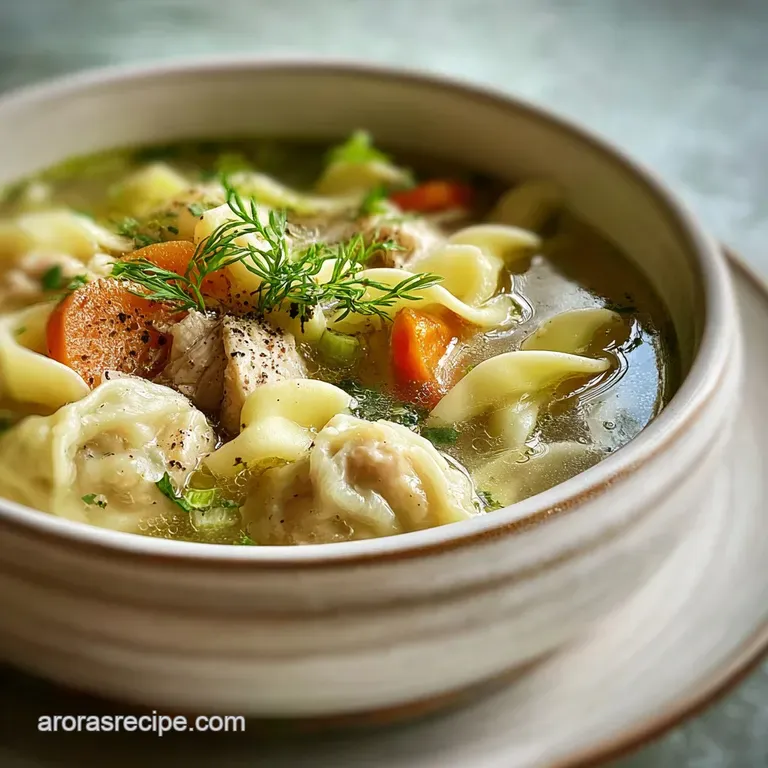
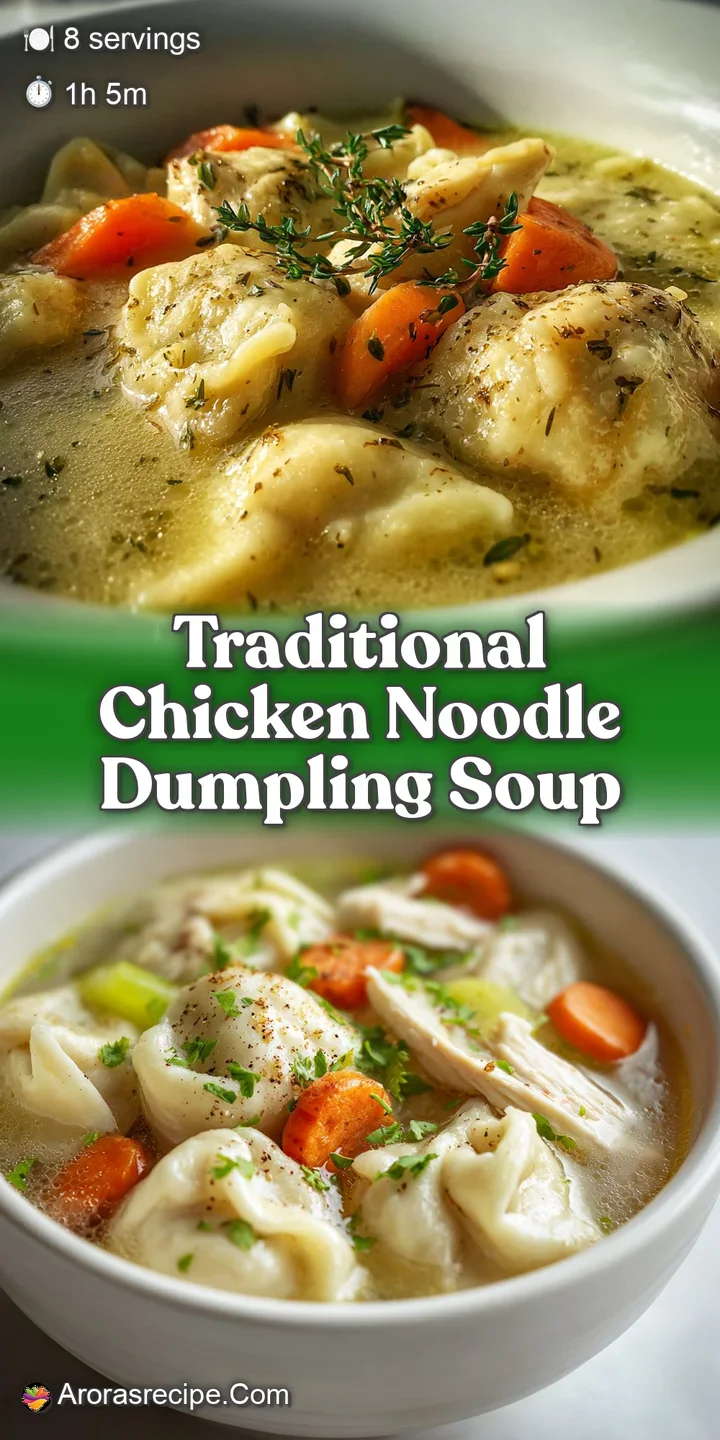
- Time: Active 20 minutes, Passive 45 minutes, Total 1 hour 5 mins
- Flavor/Texture Hook: Velvety broth paired with pillowy, cloud like dumplings
- Perfect for: Rainy Sunday afternoons or fighting off a winter chill
- Master Traditional Chicken Noodle Dumpling Soup
- Why This Recipe Works
- Ingredient Deep Dive Analysis
- Gathering Your Essentials
- Simple Tools for Great Flavor
- Building Flavor Without the Fuss
- Solving Common Kitchen Soup Hurdles
- Scaling the Batch
- Kitchen Wisdom and Myths
- Storage and Zero Waste
- Perfect Sides for Hearty Bowls
- Very High in Sodium
- Recipe FAQs
- 📝 Recipe Card
Master Traditional Chicken Noodle Dumpling Soup
The very first sound you hear in my kitchen when this recipe starts is the aggressive hiss of chicken skin meeting hot butter. It is a sharp, crackling sizzle that immediately fills the air with the scent of browning fat and sea salt.
I remember standing in my grandmother’s kitchen in Tennessee, watching the steam rise against the windowpane as she tossed yellow onions into the pot. That aroma onions caramelizing in chicken drippings is the true starting gun for real comfort food.
There is something deeply curious about why we feel better after a bowl of this. Is it the warmth, or is it the nostalgic tug of a recipe that hasn't changed in fifty years? We are not just making a meal here; we are building a sanctuary in a dutch oven.
This version is special because it refuses to choose between noodles and dumplings. Why settle? You get the slippery bite of the egg noodle and the soft, bread like soak of the buttermilk dumpling in every single spoonful.
I have spent years tweaking this to make it work for a busy home cook without losing that "all day" flavor. We are skipping the complex, multi hour stock making process by using a few high impact tricks with bone in thighs. You will find that the result is a velvety, rich broth that coats the back of your spoon.
It’s honest, it’s straightforward, and it’s exactly what your soul is asking for right now. Trust me, once you see those dumplings start to puff up under the lid, you’ll know you’ve hit the jackpot.
Why This Recipe Works
- Maillard Reaction Magic: Searing the 1.5 lbs bone in skin on chicken thighs creates a "fond" or brown bits on the bottom of the pot. These bits dissolve into the 8 cups of chicken stock, providing a deep, savory foundation that plain boiled chicken simply cannot match.
- Acid Base Leavening: The combination of 1 cup cold buttermilk and 1 tbsp baking powder creates an immediate chemical reaction. This releases carbon dioxide bubbles into the dough, ensuring the dumplings stay airy and "float" rather than sinking like heavy lead sinkers.
- Collagen Extraction: Using bone in thighs instead of breasts ensures that as the soup simmers for 45 minutes, collagen from the bones melts into the broth. This provides a silky mouthfeel and body that makes the soup feel much more substantial.
- Starch Graduation: By adding the 4 oz wide egg noodles and the dumplings in a staggered fashion, we control the starch release. This prevents the broth from turning into a thick, gummy paste while still allowing the flour to naturally thicken the liquid just enough.
The Physics of the Steam Lift
The "how" behind those fluffy dumplings lies in the tight fitting lid. When you cover the pot, you create a pressurized steam environment that cooks the dumplings from the outside in while the leavening agents expand the interior. This results in a texture that is part bread, part cloud, and entirely velvety.
| Chicken Thickness | Internal Temp | Rest Time | Visual Cue |
|---|---|---|---|
| 1.5 inch Thigh | 165°F (74°C) | 5 minutes | Meat pulls easily from bone |
| 1.0 inch Thigh | 165°F (74°C) | 3 minutes | Juices run clear when pierced |
| Shredded Pieces | N/A | Immediate | Opaque and moist throughout |
Choosing the right chicken is the first step toward a successful meal. While boneless options are faster, the flavor trade off is significant. If you are looking for a similar comforting vibe but with a different texture profile, you might enjoy my Chicken Gnocchi Soup recipe which uses potato dumplings for a denser, more Italian inspired bite.
Ingredient Deep Dive Analysis
| Component | Scientific Role | Pro Secret |
|---|---|---|
| Bone in Thighs | Fat and Collagen Source | Pat the skin bone dry with paper towels before searing to ensure a golden crust rather than grey, steamed meat. |
| Cold Buttermilk | Acidic Leavener | Keep it chilled until the very last second; cold fat in the buttermilk creates tiny steam pockets for extra fluffiness. |
| Baking Powder | Aeration Agent | Check the expiration date by dropping a pinch in hot water; if it doesn't fizz, your dumplings will be rocks. |
| Mirepoix (Onion/Carrot/Celery) | Aromatic Base | Sauté these in the chicken fat until the onions are translucent but not browned to keep the broth golden. |
Gathering Your Essentials
- 1.5 lbs bone in skin on chicken thighs Why this? Essential for flavor and a silky, collagen rich broth base.
- Substitute: 1.5 lbs chicken drumsticks (similar fat content but more bones to navigate).
- 2 medium yellow onions, diced Why this? Provides the foundational sweetness and aroma.
- Substitute: White onions (sharper flavor, less sweet).
- 3 large carrots, peeled and sliced Why this? Adds color and a subtle earthy sweetness.
- Substitute: Parsnips (adds a peppery, nutty undertone).
- 3 stalks celery, sliced Why this? Provides a salty, herbal depth to the mirepoix.
- Substitute: A pinch of celery seed (if you lack the fresh stalks).
- 2 tbsp unsalted butter Why this? The medium for sautéing that adds a creamy finish.
- Substitute: Olive oil (cleaner taste, less richness).
- 8 cups high-quality chicken stock Why this? The liquid gold that defines the soup's soul.
- Substitute: 8 cups water with high-quality bouillon base.
- 1 tsp dried thyme Why this? The classic woodsy herb for poultry.
- Substitute: 1 tbsp fresh thyme (brighter, more floral).
- 1 bay leaf Why this? Adds a subtle "old-fashioned" savory complexity.
- Substitute: Half a teaspoon of dried oregano (in a pinch).
- 0.5 cup fresh parsley, chopped Why this? Cuts through the richness with a hit of green.
- Substitute: Fresh chives (adds a mild onion bite).
- 2 cups all purpose flour Why this? The structural base for the drop dumplings.
- Substitute: Pastry flour (results in an even more delicate crumb).
- 1 tbsp baking powder Why this? The engine that makes the dumplings rise.
- Substitute: 1 tsp baking soda plus 1 tsp cream of tartar.
- 1 tsp salt Why this? Regulates the gluten and enhances flavor.
- Substitute: Kosher salt (use 1.5 tsp for same saltiness).
- 1 cup cold buttermilk Why this? Provides the tang and the acid for the rise.
- Substitute: 1 cup whole milk with 1 tbsp lemon juice.
- 3 tbsp melted butter, cooled Why this? Adds tenderness to the dumpling interior.
- Substitute: 3 tbsp neutral oil (like canola).
- 4 oz wide egg noodles Why this? Offers a slippery, traditional texture contrast.
- Substitute: Fettuccine broken into 2 inch pieces.
Simple Tools for Great Flavor
You don't need a professional kitchen for this. A heavy bottomed dutch oven is your best friend here because it distributes heat evenly, preventing the bottom of your soup from scorching while the dumplings steam on top. I prefer using a 6 quart version.
You will also need two mixing bowls one for your dry dumpling ingredients and one for the wet to prevent over mixing the dough.
A sturdy whisk and a wooden spoon are essential for scraping up those delicious browned bits (the fond) from the bottom of the pot. For the dumplings, I actually use a small spring loaded cookie scoop.
It keeps your hands clean and ensures every dumpling is the same size, which means they all finish cooking at the exact same time. It’s a small shortcut that makes a massive difference in the final look of the dish.
Chef's Tip: Freeze your 2 tbsp of butter for 10 minutes before adding it to the pot for the veggies. The colder fat hitting the hot chicken drippings creates a brief emulsion that makes the broth noticeably creamier without adding heavy cream.
Building Flavor Without the Fuss
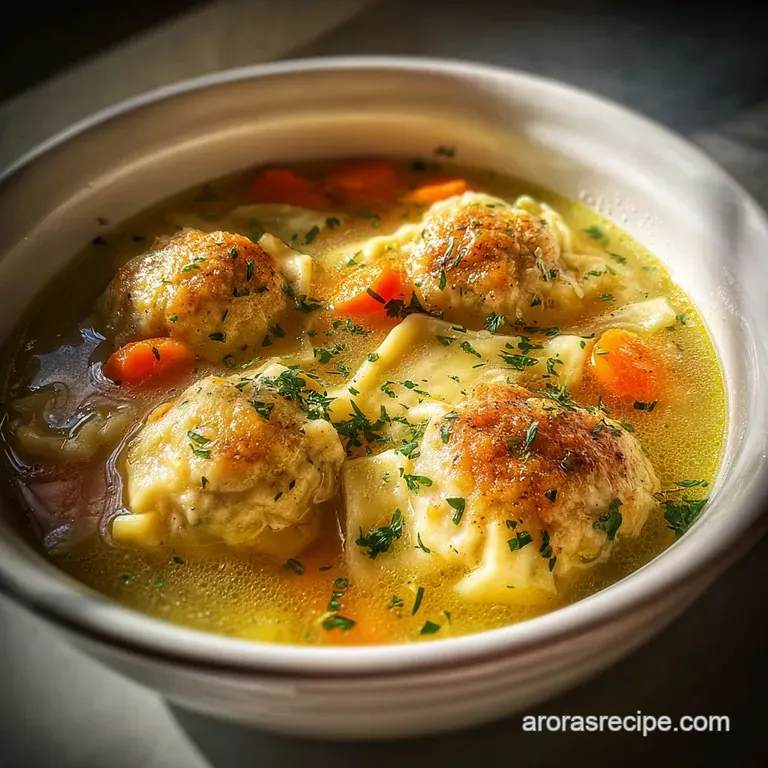
Phase 1: Developing the Base
- Season the 1.5 lbs chicken thighs generously with fine sea salt and black pepper.
- Melt 2 tbsp butter in your large pot over medium high heat until it begins to foam and sizzle.
- Place chicken skin side down and sear for 6 minutes until the skin is golden and shatters when pressed. Note: Don't flip too early; wait for the meat to release naturally from the pan.
- Remove chicken and set aside; add diced onions, carrots, and celery to the remaining fat.
- Sauté the vegetables for 5 minutes until the onions are translucent and fragrant.
Phase 2: The Gentle Simmer
- Pour in 8 cups chicken stock, scraping the bottom of the pot to release the fond.
- Add 1 tsp dried thyme and 1 bay leaf, then return the chicken thighs to the liquid.
- Bring to a boil, then reduce heat and simmer for 25 minutes until the chicken meat is tender and opaque.
Phase 3: The Staggered Addition
- While the soup simmers, whisk 2 cups flour, 1 tbsp baking powder, and 1 tsp salt in a bowl.
- Stir in 1 cup cold buttermilk and 3 tbsp cooled melted butter until just combined and a shaggy dough forms. Note: Over mixing will result in tough, rubbery dumplings.
- Remove the chicken thighs from the pot; shred the meat, discarding skins and bones, then return meat to the soup.
- Stir in 4 oz wide egg noodles and cook for 5 minutes.
Phase 4: The Steam Finish
- Using a spoon or scoop, drop golf ball sized mounds of dough onto the surface of the simmering soup.
- Cover the pot tightly and cook for 12 minutes until the dumplings have doubled in size and look matte.
- Turn off the heat, stir in 0.5 cup fresh parsley, and season with extra salt and pepper to taste.
If you find yourself in a rush but still crave that poultry and pasta comfort, the technique of building flavor in one pot is very similar to my Chicken and Sausage Pasta recipe. It uses the same principle of searing the protein first to create a built in sauce base.
Solving Common Kitchen Soup Hurdles
The most frequent heartbreak with this dish is "The Leaden Dumpling." This happens when the dough is handled like bread dough. You want to be gentle. If you stir that batter until it's smooth, you've already lost. It should look a little lumpy and imperfect. That's where the air lives!
Why Your Broth is Cloudy
Cloudy broth usually comes from boiling the soup too hard once the chicken is back in. A hard boil emulsifies the fats and starches into the liquid. Keep it at a gentle "lazy bubble" simmer to keep the broth clear and the flavors distinct.
| Problem | Root Cause | Solution |
|---|---|---|
| Gummy Dumplings | Lid was opened too early | Keep the lid shut for the full 12 mins to trap the steam. |
| Thin, Watery Base | Not enough starch release | Crush two of the dumplings into the broth to thicken it naturally. |
| Bland Flavor | Under seasoned aromatics | Add a splash of soy sauce or Worcestershire to deepen the umami. |
Common Mistakes Checklist - ✓ Always pat the chicken skin dry with paper towels (prevents grey, steamed meat). - ✓ Never let the broth reach a rolling boil after adding the dumplings (they will break apart). - ✓ Measure flour using the "spoon and level" method to avoid dense dough.
- ✓ Ensure your baking powder is less than 6 months old for maximum lift. - ✓ Resist the urge to peek! Opening the lid drops the temperature and ruins the steam cook.
Scaling the Batch
Downscaling (4 servings): Reduce all ingredients by half. Use a smaller 3 quart pot to ensure the chicken is fully submerged in the 4 cups of stock. Reduce the simmering time by about 5 minutes, but keep the dumpling steaming time the same at 12 minutes, as they need that specific time to cook through regardless of quantity.
Upscaling (16 servings): Double the ingredients but be careful with the spices; use only 1.5x the thyme and bay leaves to avoid an overpowering herbal taste. You will likely need two separate pots for the dumplings, as they need space to expand on the surface without crowding.
If they overlap too much, the centers will stay raw.
| Fresh Component | Shortcut Alternative | Flavor Impact | Savings |
|---|---|---|---|
| Homemade Mirepoix | Frozen soup starter mix | Less crunch, same base flavor | 10 minutes prep |
| Bone in Thighs | Rotisserie chicken meat | Lacks deep broth richness | 30 minutes cook |
| Buttermilk | Milk + Vinegar | Slightly less tang/tenderness | $3.00 (if not in fridge) |
Kitchen Wisdom and Myths
One of the biggest myths in Southern cooking is that you have to use shortening for "real" dumplings. While shortening provides a specific crumb, melted butter actually offers a much better flavor profile and interacts beautifully with the buttermilk.
Another myth is that the noodles will get too soft if cooked with the dumplings. If you use wide egg noodles, they are sturdy enough to handle the 12 minute steam time without turning to mush.
Don't believe the idea that you can't over mix the dough because "it's just flour." Gluten starts developing the second liquid hits that bowl. Treat the dough like you would a delicate biscuit. Three or four folds are usually enough to get the flour hydrated without turning the dumplings into rubber balls.
Storage and Zero Waste
Storage Guidelines: Store leftovers in an airtight container in the fridge for up to 4 days. Note that the dumplings and noodles will continue to soak up the broth, so you may need to add a splash of stock when reheating.
- To Freeze: I recommend freezing the broth and chicken separately from the noodles and dumplings. If frozen together, the dumplings can become grainy upon thawing. Freeze for up to 3 months. - To Reheat: Place in a saucepan over low heat.
Do not microwave if possible, as it tends to make the dumplings tough and the chicken rubbery.
Zero Waste Tips: Don't toss those chicken skins or bones! If you removed the skin before shredding the meat, you can crisp it up in a pan to make "chicken cracklings" for a garnish. The bones can be thrown back into a freezer bag to start your next batch of Dashi Soup Stock recipe or a standard bone broth. Even the parsley stems can be finely minced and sautéed with the onions for extra flavor.
Perfect Sides for Hearty Bowls
While this is a meal in itself, a sharp, acidic side dish helps balance the heavy richness of the buttermilk and chicken fat. A crisp green salad with a lemon vinaigrette or some quick pickled cucumbers works wonders. If you're leaning into the Nashville comfort vibe, a side of hot sauce is mandatory at the table.
If you find yourself wanting more global flavors after mastering this traditional pot, you should definitely try my Thai Coconut Curry Chicken recipe. It uses a similar one pot simmering technique but swaps the dumplings for aromatic jasmine rice and a spicy, creamy sauce.
If you want X, do Y
- If you want a thicker, stew like consistency, whisk 1 tbsp of cornstarch into the cold buttermilk before making the dumpling dough.
- If you want a brighter flavor, add the juice of half a lemon and an extra handful of fresh parsley right before serving.
- If you want to save time, use a rotisserie chicken but simmer the bones in the stock for 20 minutes before adding the meat.
Very High in Sodium
1250 mg mg of sodium per serving (54% % of daily value)
The American Heart Association recommends limiting sodium intake to about 2,300mg per day for optimal health.
Sodium Reduction Tips for Chicken and Dumplings
-
Low-Sodium Broth-30%
Replace the high-quality chicken stock with a low-sodium or no-salt added chicken broth. This single swap can drastically reduce the sodium content.
-
Reduce Added Salt-25%
Eliminate the 1 tsp of salt in the dumpling recipe. Taste the dish after cooking the dumplings and add fine sea salt sparingly, if needed.
-
Low-Sodium Noodles-15%
Check the sodium content of your egg noodles and consider using a lower sodium brand or type of noodle. Alternatively, make your own noodles to control the sodium.
-
Unsalted Everything-10%
Continue using unsalted butter as specified, but also be mindful of any salt content in the buttermilk. If possible, try to find a low-sodium buttermilk if available.
-
Flavor Boost
Enhance the flavor with fresh herbs and spices! Experiment with more thyme, parsley, and freshly cracked black pepper to compensate for the reduced sodium. You can also add garlic powder or onion powder.
Recipe FAQs
Can I substitute chicken breasts for the bone-in thighs?
No, I strongly advise against it. Bone-in thighs release essential collagen and fat during the simmer, creating the velvety mouthfeel you want in the broth; breasts will result in a thinner, less flavorful liquid.
How to ensure my dumplings stay light and fluffy, not dense?
Use very cold buttermilk and do not overmix the dough. The cold temperature helps keep the fat solid until it hits the hot steam, creating pockets of air, which is the core principle behind the steam lift we utilize in techniques similar to our Foolproof Dashi Stock recipe.
Is it true that I must cook the noodles and dumplings completely separately?
No, this is a common misconception for this specific recipe. The wide egg noodles are sturdy enough to withstand the 12-minute steam time alongside the dumplings, provided you stagger their addition after the chicken is shredded.
How to keep the broth from becoming too thick and gummy?
Add the noodles before the dumplings and do not boil hard during the simmer. A gentle simmer prevents excessive starch from emulsifying too quickly into the liquid, maintaining a desirable viscosity without needing a separate slurry.
What is the best way to reheat leftovers without ruining the texture?
Reheat gently on the stovetop over low heat with an added splash of liquid. Avoid the microwave if possible; the stovetop allows the broth to warm evenly without toughening the cooked dumplings.
How to achieve that deep, savory flavor base quickly?
Aggressively sear the chicken skin first to build a strong fond. Scrape up those browned bits when you add the stock, as this Maillard reaction foundation is what replaces the flavor you lose by skipping an all-day stock simmer.
Can I prepare the broth and chicken ahead of time?
Yes, the broth and shredded chicken can be prepared up to two days in advance. Just ensure you store the broth separately, and only add the noodles and dumplings right before serving for the freshest texture.
Chicken Noodle Dumpling Soup
Ingredients:
Instructions:
Nutrition Facts:
| Calories | 484 kcal |
|---|---|
| Protein | 18.7 g |
| Fat | 20.6 g |
| Carbs | 39.6 g |
| Fiber | 2.2 g |
| Sugar | 1.9 g |
| Sodium | 1250 mg |
