Dashi Soup Stock the Essential 15Minute Umamirich Broth Recipe

The Ultimate Foundation of Umami: Crafting the Perfect Dashi Soup Stock
Right, listen up. We’re talking about Dashi Soup Stock. This isn't just a recipe; it's the absolute foundational secret to half the Japanese cuisine you love. If you want your miso soup to taste authentic, or your noodle broth to sing instead of shout, Dashi is the answer.
It’s what separates "okay" homemade Japanese food from "oh my gosh, what is this magic?" (It’s called Ichiban Dashi, and it’s pristine.) It’s incredibly simple, which is why it’s also incredibly easy to screw up if you rush.
Defining Umami: The Fifth Taste Explained
Everyone throws the word "umami" around these days, but what is it, really? It’s not salty, it’s not sweet, and it’s definitely not sour. Umami is deep, savory satisfaction. It’s the lingering, meaty, rich taste you get from aged cheese or slow and cooked tomatoes.
In dashi, we get that flavour punch from two primary sources: glutamate from the kombu (dried kelp) and inosinate from the katsuobushi (bonito flakes). When those two compounds meet in the pot? That’s pure, liquid synergy. That’s why homemade Dashi broth works so brilliantly.
Why Ichiban Dashi Reigns Supreme for Delicate Dishes
There are different types of Dashi, but we are starting with the classic: Ichiban Dashi (First Dashi). Think of it like a first pressing of olive oil, or the first steep of high and quality green tea. It's the cleanest, most delicate flavour extraction.
We use Ichiban Dashi Stock for dishes where clarity and subtlety are everything. We’re talking about clear soups (like suimono ), the broth base for traditional miso soup, and some gentle sauces.
If you’re making something heavy and simmered for hours (like a hearty braise), you could use a bolder second stock. But for the purest flavor, Ichiban reigns supreme.
The Simple Philosophy Behind Japanese Cuisine's Cornerstone
The philosophy behind this Dashi stock recipe is elegance through restraint. We are extracting the essence of quality ingredients without forcing or muddling the flavour. That’s it. You need two main ingredients and cold water.
My biggest initial mistake years ago was thinking I needed to add soy sauce or salt right away. Don’t. The flavour is already there. It just needs gentle coaxing. Be patient.
Essential Components: What Goes Into True Dashi
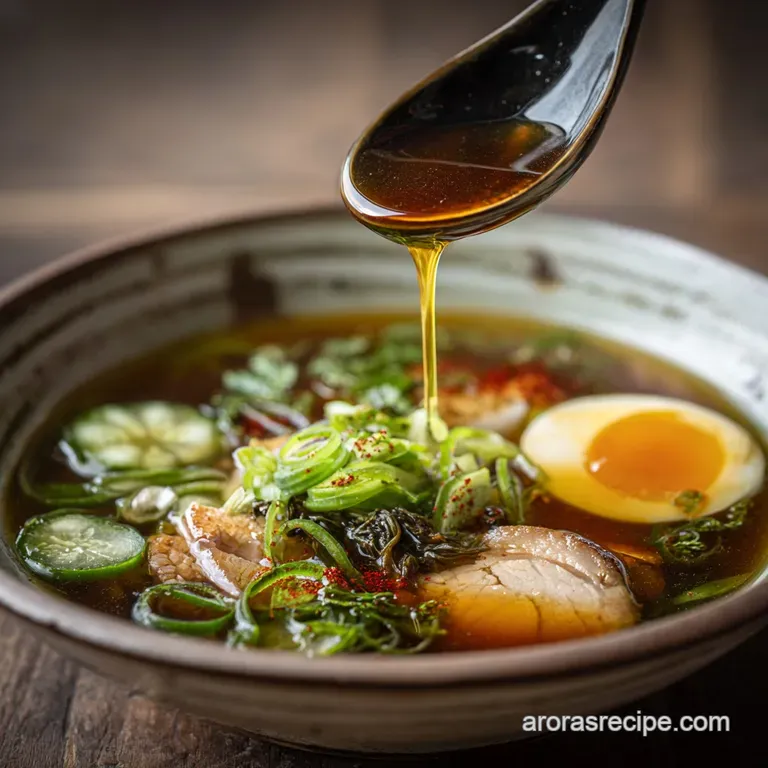
Selecting the Best Kombu (Dried Kelp) for Maximum Flavor
Kombu is non and negotiable. It’s dried sea kelp, and quality makes a difference. Look for thick, wide pieces, often categorized as Rausu or Rishiri. When you look closely, you’ll see a white, powdery dusting on the surface. That is not mould! That is pure, concentrated umami glutamate crystals.
Seriously, it's gold dust. Do not scrub it off.
Katsuobushi Explained: Identifying Quality Bonito Flakes
Katsuobushi are those paper and thin, dried, fermented, and smoked shavings of skipjack tuna (bonito). They should be fragrant and look almost fluffy, ready to dance when you put them in the hot liquid. If you buy a bag and the flakes are shredded, damp, or clumped together, skip it.
You want fresh, light flakes for the best Dashi Stock. If they smell overwhelmingly fishy instead of subtly smoky, they are past their prime.
Prepping the Ingredients: Rinsing vs. Wiping Debate
This is where beginners always panic. They see the kombu and think, "I must wash this seaweed." Stop right there. Rinsing kombu is the enemy of good dashi. If you run it under water or scrub hard, you lose that precious white umami dust.
For Kombu, use a clean, slightly damp cloth or paper towel and gently wipe away any visible grit or sand. That’s all. Do not scrub off the white powder.
For the katsuobushi? Absolutely nothing. They go straight into the pot.
Necessary Kitchen Tools for Seamless Stock Preparation
You don’t need anything fancy, but you do need two specific items:
- Medium Non and Reactive Pot: Stainless steel is perfect. Avoid cast iron or aluminum if possible, as they can sometimes react with the minerals and slightly affect the delicate flavour.
- Fine and Mesh Sieve (and optional cheesecloth): This is critical. If your strainer isn’t fine enough, the tiny bonito particles will float through and cloud the Dashi. We are aiming for pure clarity.
Related Recipes Worth Trying
- Hot Dashi Broth Effortless Ichiban Dashi Recipe for Umami Magic — Learn how to make the perfect Hot Dashi Broth the Japanese cooking foundation This simple Ichiban Dashi recipe maximizes pure umami flavor in under 45...
- Sweet Corn Soup Silky Velvet Texture Restaurant Style Recipe — This Silky Sweet Corn Soup is the restaurantstyle comfort food you crave Master the egg drop technique for a velvet finish Simple Corn Chowder Recipe thats...
- Dashi Recipe Master the Umami Foundation of Japanese Cooking — Dashi is the pure umami soul of Japanese cooking Learn how to make Dashi Broth using the classic Ichiban method This easy Japanese Soup Base elevates your...
The Slow Simmer: Step and by-Step Method for Immaculate Dashi
Let's crack on and make this magic happen. This is the classic Ichiban Dashi Stock Recipe.
The Golden Rule: Temperature Control During Kombu Infusion
Remember the cardinal rule: we are infusing, not boiling.
- Place the kombu (15g or 6x4 inches) and 4 cups of filtered, cold water into your pot.
- Optional but recommended: Let it soak for 30 minutes. This gives the kombu a head start.
- Place the pot over the lowest heat setting you have. Seriously, low. Slowly, slowly, bring the temperature up. It should take about 10 minutes to start bubbling.
- Watch the pot like a hawk. Once you see tiny bubbles starting to form around the edges not a rolling boil, just the first sign of heat (around 180°F or 82°C)— yank the kombu out immediately. If the kelp boils, it releases a slimy, bitter compound that will ruin the entire batch. Trust me on this.
Achieving Clarity: Timing the Addition of Bonito Flakes
Once the kombu is gone, you can be a bit bolder.
- Turn the heat up to medium and high and bring the liquid to a proper, rapid boil.
- Turn the heat off immediately. Wait five seconds. This allows the intense residual heat to calm down slightly.
- Add the katsuobushi (20g or 1 cup lightly packed) all at once. The flakes will flutter briefly and then sink to the bottom.
- Allow them to steep, undisturbed, for only 30 seconds to 1 minute maximum. Don’t walk away! Steeping longer extracts too much of the smoky flavour, resulting in a heavy stock rather than a light, pure Dashi broth.
The Final Strain: How to Filter Your Stock Without Clouding It
This step requires gentle hands. We want clear, amber liquid.
- Set up your fine and mesh sieve (lined with cheesecloth, if you have it) over a clean bowl.
- Gently pour the entire contents of the pot through the strainer.
- Do not, under any circumstances, press, squeeze, or push the bonito flakes down into the sieve. Squeezing releases bitter tannins and tiny particles that will make your stock cloudy and muddy the flavour profile. Just let gravity work its magic.
Mastering the Next Level: Tips and Creative Uses
What to Do with the Leftover Ingredients (Niban Dashi & Furikake)
You spent good money on those ingredients, so don't toss them! This is where you get your zero and waste bonus.
- Niban Dashi (Second Stock): Take the used kombu and bonito flakes, return them to the pot with 3 cups of fresh cold water, and bring them to a gentle simmer for 10- 15 minutes. This creates a stronger, deeper and flavored Dashi Soup Stock perfect for simmered vegetable dishes ( nimono ).
- Homemade Seasoning: You can also dry out the spent bonito flakes in a low oven or skillet, season them with soy sauce, mirin, and sesame seeds, and mix them with roasted seaweed to make your own killer furikake (rice topping).
| Leftover Ingredient Use | Recommended Dish Type |
|---|---|
| Niban Dashi | Simmered vegetables, braises |
| Dried Bonito Flakes | Furikake (Rice seasoning) |
Storage Solutions: Extending the Shelf Life of Fresh Dashi Soup Stock
Dashi is best used fresh. Its delicate flavor starts to fade quickly.
- Refrigeration: Store cooled Dashi in an airtight glass container in the fridge for up to 5 days.
- Freezing: This is the best move if you made a big batch. Pour the Dashi stock into ice cube trays. Once frozen, pop the cubes into a freezer bag. Dashi cubes are brilliant for adding flavor boosts to rice, ramen broth, or small amounts of sauce. It will keep well for 2 3 months this way.
Common Mistakes When Preparing Homemade Dashi and How to Fix Them
I’ve made every single one of these mistakes, so learn from my errors!
-
Mistake:
Boiling the kombu.
- Result: Bitter, slimy, ruined stock.
- Fix: Pay attention to the bubbles! Use a thermometer if you need to stay below 185°F.
-
Mistake:
Steeping the bonito for
5
minutes.
- Result: Overly smoky, heavy flavour that drowns out subtlety.
- Fix: 30 seconds is plenty. Trust the process.
-
Mistake:
Squeezing the strained bonito flakes.
- Result: Cloudy, murky Dashi.
- Fix: Patience. Let it drip naturally.
Beyond Ichiban: Exploring Awase, Shiitake, and Niboshi Dashi Variations
While Ichiban Dashi is the star, there are plenty of other options depending on what you’re cooking or if you need a specific dietary requirement.
- Shiitake Dashi (The Vegan/Vegetarian Dashi): Soak 6 8 dried shiitake mushrooms in 4 cups of cold water overnight in the fridge. This makes a deeply earthy, woodsy, and totally delicious vegan Dashi stock. Use the resulting liquid and discard or chop the mushrooms.
- Awase Dashi: This simply means "mixed dashi." It often includes the traditional kombu and bonito but adds dried niboshi (small, whole dried anchovies) for an even more intense, fish and forward flavor. It’s typically used for heavier, darker noodle broths where you need a real punch.
Now go forth and make the best Dashi broth you’ve ever tasted! Your cooking will thank you.

Recipe FAQs
I've heard Dashi is the 'secret sauce' of Japanese cooking, but what exactly is this Dashi Soup Stock?
Dashi is the foundational savoury broth, extracting pure umami from kombu (kelp) and katsuobushi (bonito flakes); think of it as the Japanese equivalent of a classic, perfect chicken stock, but much cleaner and lighter it’s the culinary gold standard for flavour depth.
Is it really that big of a disaster if I accidentally let the kombu boil?
Absolutely, it's the cardinal sin of Dashi making! Boiling kombu releases slimy, bitter compounds, turning your delicate stock into something murky and unpleasant; aim for gentle steaming heat, around 180°F, as if you were poaching something delicate.
I have vegetarian guests coming can I make a proper Dashi without the fish?
Certainly; simply skip the bonito flakes and substitute dried shiitake mushrooms, soaking them overnight in cold water to create a deep, earthy, vegan friendly broth that’s full of umami flavour and suitable for miso soup bases.
I've made a big batch; how long does Dashi last, and can I stash it for later?
Fresh Dashi keeps beautifully in the fridge for up to five days, but for longer storage, freeze it immediately in ice cube trays or small containers; this makes it perfect for adding a little concentrated umami kick to sauces or stir fries whenever you're in a rush.
After making the Ichiban Dashi, is there anything clever I can do with the leftover ingredients?
Yes, absolutely! Don't let those spent ingredients go to waste; you can reuse the kombu and bonito flakes with fresh water and simmer them longer to make Niban Dashi (Second Stock), which has a stronger, deeper flavour perfect for simmering hearty dishes like nimono.
Classic Dashi Soup Stock Recipe
Ingredients:
Instructions:
Nutrition Facts:
| Calories | 25 kcal |
|---|---|
| Protein | 3.9 g |
| Fat | 0.0 g |
| Carbs | 1.6 g |
