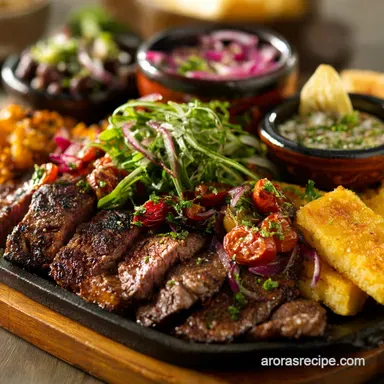
Steak Tampiqueña Carne a La Tampiqueña the Ultimate Mexican Feast Platter
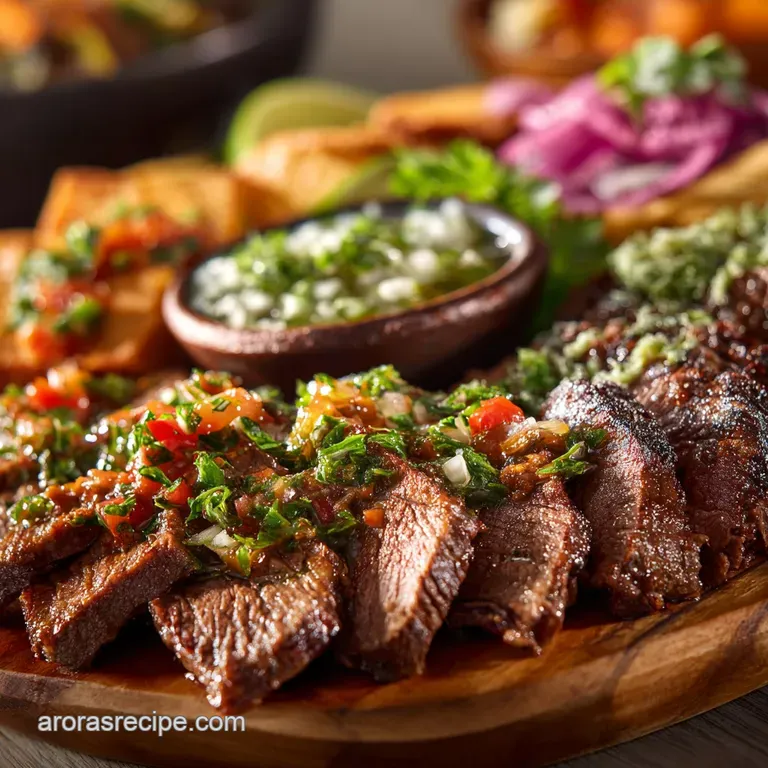
- Unpacking the Legendary Tampiqueña Steak Platter
- Gathering Your Feast: Essential Ingredients for the Tampiqueña Steak Assembly
- Orchestrating the Meal: A Step-by-Step Guide to Tampiqueña Steak Success
- Mastering the Grill and Assembling the Ultimate Platter
- Pro Chef Secrets and Troubleshooting Your Tampiqueña Steak
- Recipe Optimization, Leftovers, and Nutritional Insights
- Recipe FAQs
- 📝 Recipe Card
Unpacking the Legendary Tampiqueña Steak Platter
The Culinary History of Tampico’s Signature Dish
This magnificent arrangement is more than just beef; the tampiqueña steak meaning refers to a cohesive, thoughtfully designed meal representing the culture of the region. The platter originates from Tampico, a port city in the Mexican state of Tamaulipas.
It was reputedly created by restaurateur José Inés in the 1930s or 40s to celebrate the region's diverse offerings.
The traditional setup symbolizes the land, sea, and cattle ranching economy of Tamaulipas. The components the steak, the cheese, and the rice (often replaced by refried beans today) all tell a story.
This impressive meal evolved into one of the most celebrated Grill Favorites in Mexican cuisine worldwide.
Deconstructing the Magnificent Tampiqueña Platter Components
Steak Tampiqueña is defined by its elaborate presentation, requiring five separate culinary elements to be prepared simultaneously. We’re not preparing a simple main and a side, but rather a complex, perfectly harmonized feast.
Mastering the tampiqueña steak recipe involves meticulous planning and coordination.
The primary star is the marinated grilled skirt steak, providing a powerful, smoky anchor to the plate. This is expertly balanced by creamy poblano strips ( rajas ), rich refried beans, and a warm, mild cheese enchilada.
Fresh guacamole provides necessary acidity and textural contrast to complete the magnificent composition.
| Component | Function on Platter |
|---|---|
| Marinated Steak | Protein anchor, smoky flavor. |
| Cheese Enchilada | Warm, comforting fat and texture. |
| Poblano Rajas | Creamy, mild heat element. |
| Refried Beans | Earthy base, structural support. |
Gathering Your Feast: Essential Ingredients for the Tampiqueña Steak Assembly
Perfecting the Carne: Selecting and Marinating Your Skirt Steak
The quality of the beef is paramount, and we typically opt for well trimmed skirt steak for its flavor and quick cooking time. Flank steak is an excellent substitution, making this one of the best Things To Make With Flank Steak . Always remember to trim away any tough silver skin before marinating.
Our citrus heavy, tampiquena steak marinade uses fresh lime and orange juices, which are key tenderizers and flavor boosters. This foundation creates a bright, slightly acidic Chili Lime Steak profile that cuts through the richness of the final platter.
Add cumin, Mexican oregano, and smoked paprika for deep, earthy notes.
Pantry Essentials for Authentic Rajas and Enchiladas
The supporting actors for this platter are crucial to achieving authentic flavor balance. You will need three large poblano peppers for the creamy rajas , ensuring they are fully roasted to unlock their mild smokiness. We combine these peppers with sautéed white onion and rich Mexican crema.
For the traditional side enchilada, quality corn tortillas and a simple, rich red enchilada sauce are non-negotiable. Oaxaca or Monterey Jack cheese melts beautifully within the tortillas, providing a mild, stringy filling. Don't forget high-quality refried beans and fresh avocado for the essential guacamole element.
Kitchen Toolkit: Tools Required for Seamless Platter Production
Because this dish requires coordination, specific tools help manage the multiple heat sources efficiently. You will absolutely need a grill or a heavy cast iron grill pan to achieve a high heat sear on the steak. This rapid cooking ensures juicy, tender results.
Preparation requires a shallow dish or large Ziploc bag for the long marination time. Plus,, a sturdy baking sheet is needed for warming the assembled enchiladas in the oven. Utilizing heavy bottomed skillets for both the refried beans and the poblano rajas will ensure everything holds heat until plating.
Orchestrating the Meal: A step-by-step Guide to Tampiqueña Steak Success
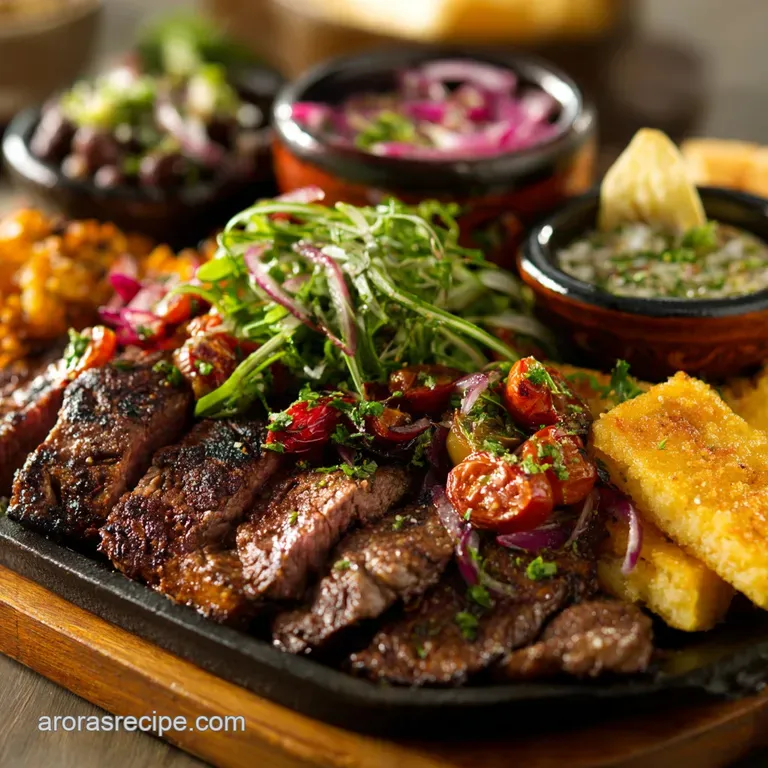
Creating a successful Tampiqueña plate is largely about efficient time management, as the total preparation and cooking time is approximately three hours and fifteen minutes. You must organize the components into logical stages to ensure everything hits the plate hot and fresh.
The journey begins with the passive marination time, which needs a minimum of two hours.
Start by prepping all vegetables slicing onions, mincing garlic, and preparing the guacamole ingredients while the steak rests in its flavorful tampiquena steak marinade . The most time consuming active step is roasting and peeling the poblano peppers for the rajas.
Once the peppers are cooled and sliced, the cooking phase can commence, starting with the components that can stay warm easily, like the beans and rajas.
Expert Tip: Begin roasting the poblanos right after you start heating the grill for the steak. While the steak rests, the enchiladas can bake and the rajas can finish simmering, perfectly aligning the finish times.
Mastering the Grill and Assembling the Ultimate Platter
Stage 1: Preparing the Refried Beans and Poblano Rajas Base
The creamy rajas offer a beautiful, earthy counterpoint to the vibrant steak. First, roast the whole poblano peppers on the grill or under the broiler until the skin is fully blackened and blistered. Transfer these hot peppers to a bowl covered tightly with plastic wrap to steam, which makes peeling effortless.
Meanwhile, melt a tablespoon of butter and gently sauté the thinly sliced white onions until soft and translucent. Once the poblanos are peeled, seeded, and sliced into thin strips, they join the onions in the pan.
Finish this mixture with a touch of salt and a generous dollop of Mexican crema, letting it warm gently over low heat.
Stage 2: Grilling the Marinated Steak to Medium Rare Perfection
Achieving the perfect sear is essential for the Tampiqueña Steak . Remove the meat from the marinade and pat it mostly dry before seasoning heavily with flake salt and freshly cracked pepper. Ensure your grill or grill pan is absolutely screaming hot before the steak touches the grates.
Grill the steak for 3 to 5 minutes per side, depending on thickness, targeting an internal temperature of 130°F (54°C) for a beautiful medium rare. Crucially, remove the steak immediately and allow it to rest tented for 5 to 10 minutes before slicing.
Resting ensures the juices redistribute, locking in flavor and tenderness.
Stage 3: Rolling and Warming the Cheese Enchiladas
Properly preparing the corn tortillas prevents them from cracking as you roll them. Start by either briefly dipping the tortillas into the warm enchilada sauce or lightly frying them in a splash of vegetable oil for just 15 seconds per side. This crucial step adds necessary flexibility and prevents structural failure.
Dip the softened tortilla quickly in the red enchilada sauce, place a portion of shredded Oaxaca or Monterey Jack cheese near the edge, and roll tightly. Place the rolled enchiladas seam down on a baking sheet.
Bake for approximately 8 to 10 minutes until the cheese is thoroughly melted and the sauce is bubbly hot.
Final Plating: Achieving the Authentic Tampiqueña Presentation
The artistry of this dish lies in the final arrangement, ensuring every element is represented and accessible. Slice the rested Chili Lime Steak thinly against the grain to maximize tenderness, arranging a fan of slices on one side of the plate.
Next, add a generous scoop of hot refried beans and a spoonful of the creamy poblano rajas next to the steak. Complete the plate by placing the warm, baked cheese enchilada directly onto the platter. Finally, a dollop of fresh, vibrant guacamole adds color, freshness, and necessary textural contrast.
Pro Chef Secrets and Troubleshooting Your Tampiqueña Steak
Achieving culinary excellence in a complex recipe like this requires precision and attention to small details. Never skip the necessary high heat sear for the meat; this quickly caramelizes the sugars in the citrus marinade, intensifying the flavor.
On top of that,, always utilize fresh citrus juices in the tampiquena steak marinade as bottled versions often contain preservatives that can negatively impact the final beef texture.
One of the biggest organizational challenges is timing the cooking of the enchiladas and the resting of the steak. Time the final components so that the steak finishes cooking just as the enchiladas come out of the oven.
This allows the steak to rest while you plate the other components, ensuring the final dish is served perfectly hot.
Recipe Optimization, Leftovers, and Nutritional Insights
Making It Ahead: Strategies for Component Prep and Storage
Planning is your best tool for tackling this impressive meal, which boasts a substantial 3-hour 15-minute total completion time. The tampiquena steak marinade is effective for up to eight hours, making it ideal for preparation the morning of serving.
The poblano peppers can be roasted, peeled, and sliced into rajas 24 hours in advance.
The enchilada sauce and refried beans are also excellent candidates for advanced preparation and storage. By completing these four components ahead of time, your active cook time on the day of serving will be significantly reduced to under an hour.
Only the guacamole should be prepared truly fresh just before plating to maintain its vibrant color and texture.
Platter Variations: Swapping Steaks and Side Dishes
While the classic preparation relies on skirt steak, several swaps are highly effective and common practice. If skirt steak is unavailable, the slightly thicker flank cut is a fantastic alternative for this Chili Lime Steak preparation.
For those seeking non-beef options, try substituting marinated chicken breast or grilled thick cut portobello mushrooms.
If you are serving this dish for brunch or adding an extra protein element, consider pairing the steak with fried eggs a delicious nod to tampiquena steak and eggs . For a twist on the starch component, you could swap the refried beans for traditional Mexican red rice or smoky black beans.
| Variation | Suggested Swap | Impact on Dish |
|---|---|---|
| Protein | Chicken Breast or Thighs | Shorter cook time, slightly milder flavor. |
| Steak Cut | Flank Steak | Thicker steak requires slightly longer sear time. |
| Side Dish | Mexican Red Rice | Replaces earthy component with a seasoned starch. |
Addressing Dietary Needs: Making this Fiesta Healthier (gluten-free/Low Carb)
This complex dish is naturally suitable for specific dietary adjustments with only minor tweaks. Since the recipe traditionally uses corn tortillas, the entire platter is already gluten-free, provided you verify the ingredients in your canned beans and enchilada sauce.
To make the meal lower in fat and calories, you can significantly reduce the amount of cheese in the enchiladas or substitute the Mexican crema in the rajas with plain Greek yogurt. For a low-carb version, skip the refried beans and the corn tortillas entirely.
Instead, serve the steak alongside a large, fresh jicama or cabbage slaw and extra guacamole.
Quick Fixes for Over Seasoned Marinades or Tough Steak
If you accidentally create a marinade that tastes too salty or overly intense before marinating, simply add a tablespoon of fresh water and a teaspoon of neutral oil to the mixture. This dilution helps temper the seasoning without sacrificing flavor.
If your steak turns out tough, the likely culprit is either under resting or incorrect slicing.
If the meat is already tough, be sure to slice it against the grain as thinly as humanly possible, which visually and functionally reduces toughness. If your grill wasn't hot enough, resulting in an anemic crust, slice the steak and quickly flash sear the individual slices in a piping hot cast iron skillet for 30 seconds to add flavor.
This is a common and excellent strategy for reviving slightly lackluster Grill Favorites .
Recipe FAQs
Crikey, that’s a lot going on! What exactly is Tampiqueña Steak?
The name refers not just to the meat, but the whole magnificent, celebratory platter, originating from Tampico in Mexico. This classic presentation features the succulent grilled steak served alongside four key accompaniments: refried beans, fresh guacamole, creamy poblano pepper strips (rajas), and a cheese enchilada.
This recipe looks like a proper Sunday roast effort. What's the best way to manage the timing?
The secret is timing the components so they hit the plate piping hot; start with things that need passive time, like roasting the poblanos and assembling the enchiladas, and leave the steak until last. Use the mandatory 5 10 minute resting time for the grilled steak to quickly heat and arrange all the sides.
Can I do any of the prep work the day before, or is this all a race against the clock?
Absolutely you can prepare the enchilada sauce, cook the refried beans, and even char and cut the poblano peppers (rajas) a day in advance, storing them in the fridge. However, only marinate the Tampiqueña Steak for a maximum of 8 hours, and always make the guacamole fresh just before serving.
I can’t find skirt steak locally. Is there a proper British cut I can use instead?
No bother at all; while skirt steak is traditional, flank steak or flat iron steak work brilliantly for their robust flavour and structure. In a British butcher, you might ask for Bavette steak, which is perfect for grilling quickly and slicing thinly against the grain.
How long can I safely keep the leftovers, especially with the steak and crema involved?
Leftovers should be cooled quickly and stored separately in airtight containers in the refrigerator within two hours of cooking. The components will keep safely for 3 to 4 days, though reheat the creamy rajas gently to prevent the sauce from splitting.
Classic Tampiquena Steak A Mexican Grilled Delig