The Umami Foundation Crystal Clear Ichiban Dashi Japanese First Stock
- Elevating Your Cooking: Why First Brew Dashi Matters
- The Essential Cast: Sourcing Superior Dashi Elements
- Setting Up Your Prep Station
- Step-by-Step Dashi Stock Preparation Mastery
- Avoiding Common Pitfalls for Crystal Clear Stock
- Preserving Purity: Handling and Applications
- Getting More from Your Ingredients
- Expert Corner: Nutrition and Flavor Science
- Recipe FAQs
- 📝 Recipe Card
Elevating Your Cooking: Why First Brew Dashi Matters
Dashi is not just a stock; it is the fundamental vocabulary of Japanese cooking. When we talk about depth, complexity, and that indescribable richness in traditional dishes, we are talking about the careful preparation of dashi stock.
Ichiban Dashi, or First Brew Dashi, is the purest and most essential form, providing a clean, subtle foundation that allows other ingredients to shine.
Mastering this preparation means transitioning from a home cook who follows recipes to one who understands the soul of a cuisine. When your dashi is pristine, every subsequent dish from clear soups to seasoned rice inherits a layer of profound savouriness.
It truly is the essential first step toward authentic flavour.
Understanding the Essence of Umami
Umami, often called the fifth taste, translates roughly to "savoury deliciousness" and is what provides food with richness and satisfaction. In Dashi, umami is delivered by two distinct compounds working in harmony: glutamate, released by the kombu (kelp), and inosinate, provided by the katsuobushi (bonito flakes).
When these two elements meet in hot water, they create a synergistic effect the combination tastes far more savory than either ingredient alone. This potent partnership is the reason a simple, clear Japanese soup feels so deeply comforting and complete.
Ichiban vs. Niban: Defining Delicate Flavor Profiles
The Japanese distinguish between the first extraction (Ichiban) and the second extraction (Niban), each serving a specific culinary purpose. Ichiban Dashi is brewed quickly and gently to capture only the freshest, most delicate aromas. It is characterized by its crystal clear color and pristine, elegant flavor.
We reserve this refined Ichiban Dashi for dishes where its subtlety must be preserved, such as clear broth soups ( suimono ) or delicate egg preparations. Niban Dashi, made by re-steeping the spent ingredients, is stronger and sometimes slightly cloudier, making it perfect for bolder applications like simmering liquids ( nimono ) or robust miso soup.
The Simplicity Paradox: Two Ingredients, Infinite Depth
It feels contradictory that a stock made from just dried kelp and dried fish flakes can be so profound, but that is the genius of Dashi stock preparation. The depth comes not from a multitude of ingredients but from absolute precision in technique.
Since there are only two flavor contributors, the quality of those ingredients and the control of the water temperature become paramount. The delicate extraction process ensures that we pull the savory umami notes without introducing any bitterness or sliminess.
The Essential Cast: Sourcing Superior Dashi Elements
The quality of your finished Dashi stock is entirely dependent on the quality of your raw materials. Unlike Western stocks where simmering time can mask lesser ingredients, Dashi's simplicity demands the best.
Seek out specialized Japanese markets, as the difference between typical Asian market kombu and high grade Hokkaido kombu is night and day.
Look for suppliers who store their products carefully, protecting the flakes and kelp from moisture and direct light. The investment in superior components pays dividends in the final, clean flavor of your Dashi broth.
Setting Up Your Prep Station
Before you begin heating anything, setting up a calm, organized prep station ensures you don't miss any critical timing windows. Dashi making requires focused attention, especially during the brief heating phase. Lay out your saucepan, measured water, and the ingredients immediately adjacent to your stovetop.
It is also wise to have your strainer and receiving bowl ready and waiting. Once the ingredients are in the water, the process moves quickly, and scrambling for equipment can result in overheating the kombu.
Criteria for Selecting high-quality Kombu Kelp
Premium kombu should be thick, pliable, and coated with a thin, dusty layer of white powder. This powder is pure, crystallized glutamate the essence of its umami and should never be washed off.
The best varieties, like Rishiri or Makonbu , often have a deep, dark green hue and are completely dry. Avoid kombu that looks bleached, overly brittle, or shows signs of mold or heavy salt crystallization.
Recognizing the Best Katsuobushi Flakes (Bonito)
Good katsuobushi (bonito flakes) should look almost like thin, pinkish brown wood shavings. They should be large, thin, and curl slightly, indicating they were shaved from a solid block of dried skipjack tuna.
Mass produced, tiny flakes tend to be duller in color and often lose flavor quickly. The aroma should be light, clean, and mildly smoky; a rancid or overly strong fish smell is a sign of old product.
Necessary Equipment for Pristine Dashi Stock Preparation
While Dashi requires minimal intervention, a few key tools make the process precise and guarantee a clear result:
- Accurate Thermometer: Crucial for monitoring the water temperature, especially for the kombu removal stage (aiming for just under 180°F or 82°C).
- Non-Reactive Pot: A stainless steel or enamel pot is ideal, as aluminum can sometimes impart a metallic taste to the delicate stock.
- Extra Fine Mesh Sieve: Essential for ensuring no particulate matter, especially the smaller katsuobushi fragments, contaminates the final Dashi.
- Paper Towels: Used exclusively for gently wiping the surface of the kombu, ensuring you retain the vital white glutamine powder.
step-by-step Dashi Stock Preparation Mastery
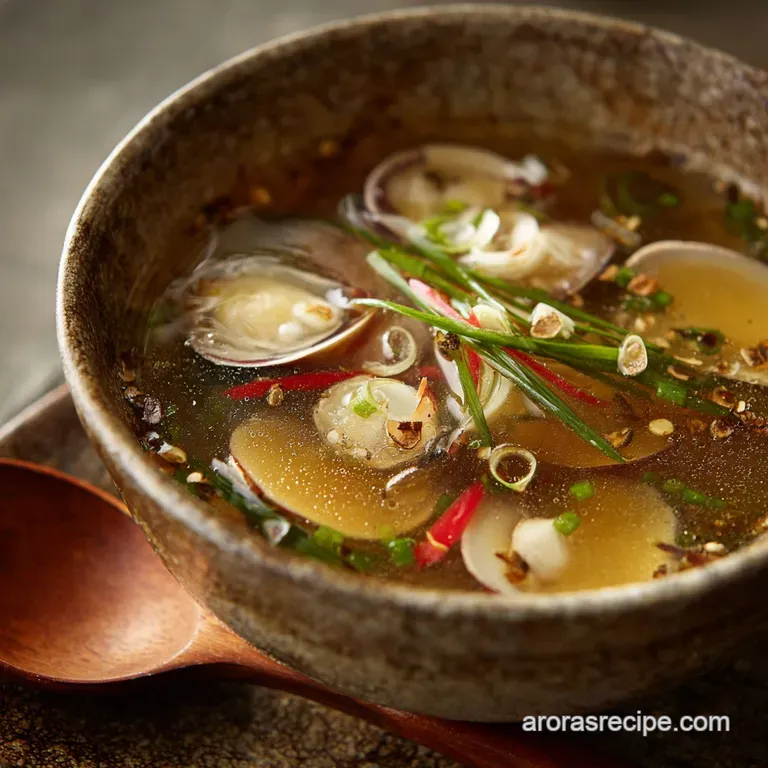
The process for creating the perfect Dashi is marked by gentle, measured heat and patience during the initial soak. We begin by hydrating the kombu in cold water, allowing the glutamate to infuse slowly before any heat is applied.
This slow start ensures maximum flavor extraction without drawing out bitter compounds.
The water is then carefully heated until it just begins to steam, signaling the moment the kelp must be removed. Finally, the bonito flakes are introduced into the now-off-heat water for a brief steep, extracting the volatile inosinate flavor without cooking the fish.
Avoiding Common Pitfalls for Crystal Clear Stock
The beauty of Ichiban Dashi lies in its translucent purity and delicate flavor. Most errors that ruin this perfect outcome relate to poor temperature control and aggressive handling of the ingredients. A little knowledge about the science behind these steps is all you need to avoid murky, bitter Dashi.
Cold Brew Infusion: Maximizing Kombu's Glutamate
The reason we start with a cold soak is purely scientific. Glutamate, the primary umami component in kombu, is highly water soluble and releases most efficiently at lower temperatures.
Beginning the dashi stock preparation with a cold start gives the kelp a chance to fully hydrate and slowly surrender its savory essence before the heat even turns on. This prevents the shock and bitterness that rapid heating causes.
Precision Heating: The Critical Temperature Threshold
As the temperature rises, the kombu begins to release other compounds, specifically alginates, which give the stock a slick, unpleasant texture and a bitter taste. The critical threshold is just before boiling.
By removing the kombu the moment you see tiny bubbles forming on the bottom of the pot (around 180 195°F or 82 90°C), you capture the height of the umami release while leaving the unwanted, bitter materials behind.
Introduction of Bonito: The Flash Infusion Technique
Once the kombu is out, the water must be brought up to a boil, and then crucially, the heat must be turned off before the katsuobushi is added. Bonito flakes contain delicate, volatile flavors that are easily destroyed or muted by prolonged, vigorous boiling.
The flash infusion technique steeping the flakes in very hot, but no longer actively boiling water ensures the inosinate is released into the Dashi stock quickly and cleanly, maintaining the broth's lightness and purity.
Why Boiling Kombu is a Recipe Fatal Error
Boiling kombu releases unwanted mucilaginous compounds called alginates, resulting in a thick, slimy, and distinctly bitter broth. Always remove the kombu the instant small bubbles appear to ensure a clean, elegant final Dashi.
Over Squeezing: A Telltale Sign of Cloudy Dashi
When straining the Dashi, you will be tempted to press down on the soaked bonito flakes to extract that last bit of moisture. Resist this impulse entirely. Pressing the flakes releases minuscule solid particles and residual bitter fats into the liquid.
The hallmark of quality Ichiban Dashi is its clarity; allow the stock to drain naturally through the fine mesh. If you feel you need more flavor, increase the amount of bonito used in the next batch, but never compromise the crystal clear appearance by squeezing.
Preserving Purity: Handling and Applications
Because Dashi relies on quick, light extraction, it is highly sensitive to bacterial growth and should be cooled and stored swiftly. Once strained, the clear, pale golden liquid should be allowed to cool to room temperature quickly before refrigeration.
When using Dashi, remember that it is a foundation of flavor, not a finished seasoning. It typically requires light seasoning with soy sauce, salt, or miso to highlight its inherent umami depth in final dishes.
Getting More from Your Ingredients
One of the beautiful principles of Japanese cooking is mottainai , the concept of wastefulness prevention. The ingredients used in your Ichiban Dashi still possess significant flavor and texture after the first steep. Do not discard them immediately.
The soaked kombu and bonito can be reserved and reused to create Niban Dashi, providing a sturdy, strong secondary stock perfect for braises and deeply flavored stews. This simple habit drastically reduces waste while giving you two different flavor profiles from the same initial purchase.
Expert Corner: Nutrition and Flavor Science
Dashi stock preparation offers not only profound flavor but also significant nutritional advantages. It is an incredibly light, hydrating, and mineral rich liquid that enhances dishes without adding unnecessary calories or fats.
The umami synergy between glutamate and inosinate also plays a role in satiety, making meals based on Dashi feel deeply satisfying, which can be an excellent aid for balanced eating.
Optimal Methods for Dashi Refrigeration and Freezing
Fresh Dashi has a very short lifespan, usually holding its peak quality for only 3 to 4 days in the refrigerator. Store it in an airtight container to prevent it from absorbing foreign odors.
For long term storage, freezing is highly effective. Pouring the cooled Dashi into ice cube trays creates perfect, portioned amounts of concentrated umami that can be dropped directly into stir fries, sauces, or quick vegetable side dishes. Frozen Dashi keeps beautifully for up to three months.
Creative Culinary Uses Beyond Miso Soup
While Dashi is synonymous with Japanese cuisine, its pure umami profile makes it a surprisingly versatile ingredient in Western cooking. Think of it as a subtle, savory secret weapon.
- Use it as the poaching liquid for delicate white fish like cod or snapper.
- Replace chicken or vegetable stock with Dashi in risotto to give the rice a profound savory backbone without heaviness.
- A dash of concentrated Dashi ice cube enhances the savoriness of a simple pan sauce for grilled steak or pork.
The Art of Repurposing Spent Kombu and Bonito
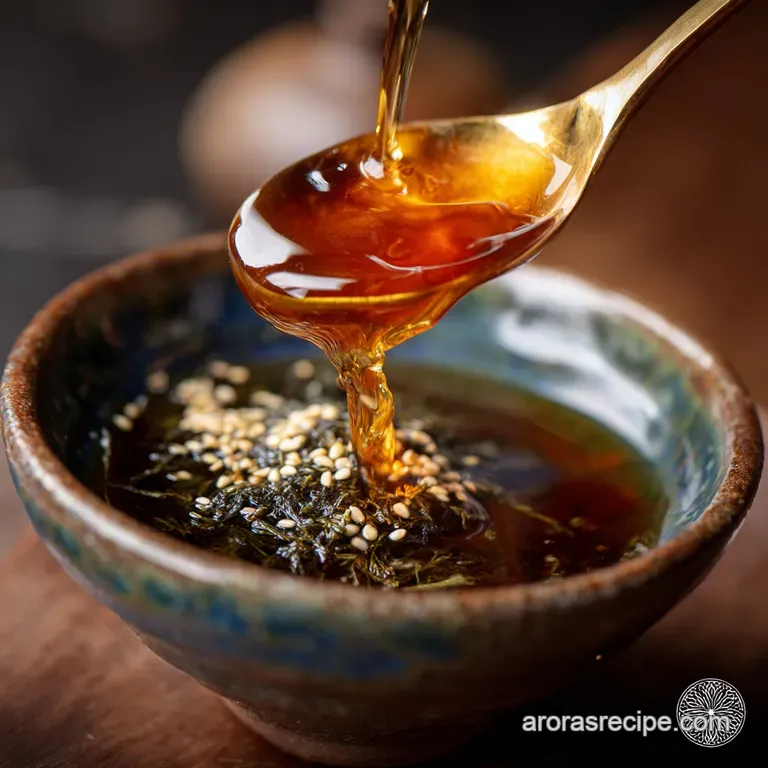
The spent kombu and katsuobushi should absolutely be repurposed. They still hold fiber and minerals and can be transformed into delicious seasonings.
| Ingredient Use | Recommended Application |
|---|---|
| Spent Kombu | Simmered in soy sauce, mirin, and sake (Tsukudani); used in rice preparation. |
| Spent Bonito | Dried lightly and mixed with sesame seeds/seaweed (homemade Furikake seasoning). |
Quick Guide to Alternative Dashi Stock Preparations (Vegetarian, Niboshi)
While Ichiban Dashi is the classic, understanding alternatives helps tailor the stock to specific needs.
- Vegan Dashi (Kombu and Shiitake): Dried shiitake mushrooms replace the bonito, offering a complex, earthy umami profile. Requires a longer cold soak.
- Niboshi Dashi (Dried Sardines): Made from dried baby sardines, this stock is darker, intensely flavored, and slightly fishier than bonito dashi, often used for hearty noodle broths.
The Nutritional Profile of Ichiban Dashi
Ichiban Dashi is often lauded for its health benefits primarily because it is extremely low in calories and fat, yet rich in naturally occurring minerals like iodine from the kombu.
It provides a significant amount of bioavailable protein and amino acids (from the bonito) with minimal sodium, especially when made at home without added salt. It is essentially a mineral and protein rich infusion, perfect for supporting clean, light cooking.

Recipe FAQs
Crikey, my dashi tastes a bit bitter and cloudy. Where did I go wrong?
You've likely fallen for one of the two cardinal sins: letting the kombu boil or squeezing the bonito flakes when straining, as both actions release bitter, slimy compounds and ruin the beautiful clarity.
This tastes like liquid gold, but how long can I keep my homemade dashi?
Homemade Dashi is quite delicate; keep it refrigerated for only 3-4 days max, or freeze it immediately in ice cube trays for easy, long term umami boosts perfect for sauces and scrambled eggs.
Is there a way to adapt this perfect Dashi Stock Preparation for vegetarian guests?
Absolutely; swap the bonito flakes for dried shiitake mushrooms, soaking them overnight with the kombu, which creates a powerful, umami rich vegan broth known as Shojin Dashi.
If I have instant dashi powder in the cupboard, why bother making this from scratch?
Making it from scratch offers unparalleled freshness, clarity, and complexity of flavour that powdered stock simply cannot match, providing a clean foundation truly essential for refined Japanese cooking.
What on earth should I do with the giant piece of kombu after I take it out?
Don't chuck it out! The used kombu still has flavour and can be reserved for making a secondary, stronger Niban Dashi (Second Brew), or chopped and simmered as a savoury seasoning called Tsukudani.
Crystal Clear Dashi Stock Preparation

Ingredients:
Instructions:
Nutrition Facts:
| Calories | 5828 kcal |
|---|---|
| Protein | 58.3 g |
| Fat | 73.5 g |
| Carbs | 135.3 g |
| Fiber | 8.6 g |
| Sugar | 113.2 g |
| Sodium | 1382 mg |
