Easy Gnocchi Pomodoro | Pillow-Soft Italian Dumplings
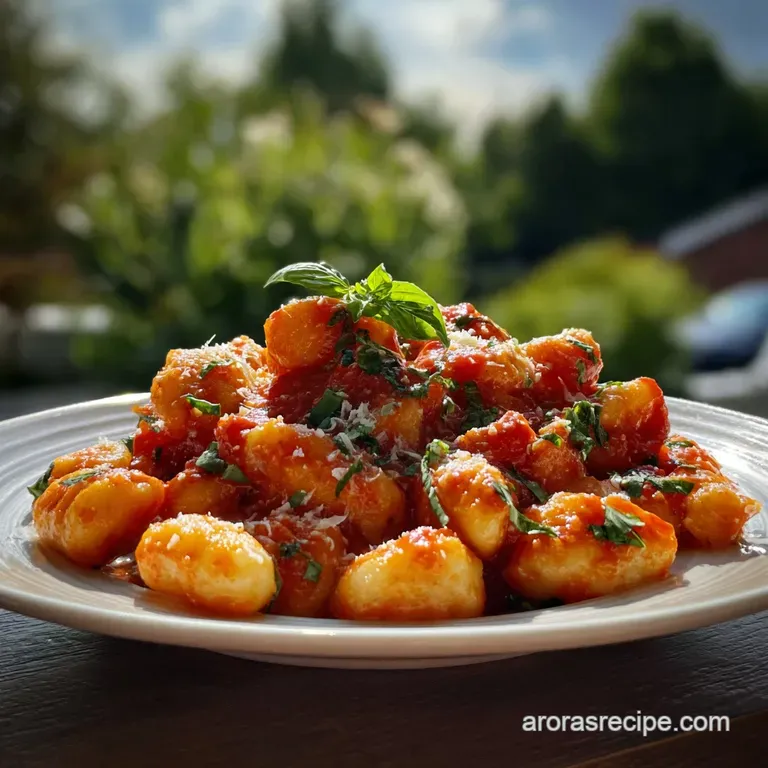
- Effort/Time: Low-effort, 25 minutes total
- Flavor Hook: Concentrated umami with a vibrant, peppery finish
- Perfect for: High-speed weeknight dinners or a sophisticated, vegetarian-friendly date night
- Achieving the Silk-Smooth Emulsion of Gnocchi Pomodoro
- Thermal Precision and the Science of Starch Gelatinization
- Timeline and Efficiency Protocol for Weeknight Comfort
- The Alchemy of Umami: Selecting Your Elements
- Essential Tools for Rapid Heat Distribution and Control
- Precision Assembly and Emulsion Stability Mastery
- Why Your Pasta Breaks: Pro Logic Solutions
- Flavor Architecture: Creative Twists on Italian Gnocchi Recipe
- Thermal Mass Recovery: Scaling the Recipe
- Common Myths
- Thermal Degradation and Preservation of Fresh Textures
- Final Sensory Plating and Textural Contrast
- Recipe FAQs
- 📝 Recipe Card
Achieving the Silk Smooth Emulsion of Gnocchi Pomodoro
We’ve all been there: a plate of gnocchi pomodoro that looks more like a crime scene than a meal. The gnocchi are water logged, the sauce is a thin puddle at the bottom of the bowl, and the cheese has clumped into a single, rubbery rubber band.
It’s a textural nightmare that turns a classic comfort dish into a heavy, gluey mess.
I once served a batch of gnocchi pomodoro pasta that was so gummy my guests actually had to chew with effort. That failure taught me that the secret isn’t just in the boiling; it’s in the science of the "marriage" between the starch and the sauce.
We aren't just heating things up; we are creating a stable emulsion where the tomato water and olive oil become one, ensuring a perfect final bite of gnocchi pomodoro.
The goal is a glossy, velvety sheen that coats every curve of the potato gnocchi. When the high-quality fats from the Parmigiano Reggiano meet the hand crushed San Marzano juices, a chemical bond forms. This creates a sauce that is thick enough to resist gravity but light enough to let the delicate basil notes sing.
Let's look at the physics of how we get there in this classic gnocchi pomodoro.
Thermal Precision and the Science of Starch Gelatinization
- Pectin Breakdown: Simmering hand crushed tomatoes breaks down cellular pectin, transforming a chunky liquid into a cohesive, thickened gnocchi pomodoro sauce.
- Starch Surface Migration: As gnocchi boil, starches move to the surface, creating a "sticky" exterior that acts as a natural bridge to bind with the fats in the sauce.
- Emulsion Stability: The 2 tbsp (30ml) Extra virgin olive oil acts as the continuous phase, trapping microscopic tomato water droplets to prevent the sauce from breaking.
- Casein Suspension: Freshly grated Parmigiano Reggiano provides protein (casein) which, when whisked into the warm sauce, ensures the fats don't separate into an oily film.
Timeline and Efficiency Protocol for Weeknight Comfort
Managing thermal mass is critical for an easy gnocchi pomodoro. Because the cook time for the pasta is so brief (under 3 minutes), your sauce must be fully developed and stabilized before the first gnocchi hits the water.
- Prep Time: 10 minutes
- Cook Time: 15 minutes
- Total Time: 25 minutes
- Yield: 4 servings
For a different take on the pillowy texture, you might enjoy my Gnocchi in Gorgonzola recipe which uses a similar rapid boil technique but focuses on a lipid heavy cream base. This technique truly elevates standard gnocchi pomodoro.
The Alchemy of Umami: Selecting Your Elements
| Ingredient | Chemical/Physical Role (Science) | The Pro Secret (Why This Matters) |
|---|---|---|
| San Marzano Tomatoes | High pectin and low acidity profile | Provides the structural body of the sauce without requiring added sugar. |
| Potato Gnocchi | Starch gelatinization and buoyancy | Acts as a textural vessel; the rapid rise to the surface signals the "doneness" point. |
| Parmigiano Reggiano | Hydrolyzed protein and glutamate boost | Acts as a natural emulsifier while providing deep savory "umami" notes. |
| Extra Virgin Olive Oil | Lipid phase for emulsification | Creates the "mouthfeel" and carries the fat-soluble aromatics of the garlic. |
The Component Breakdown
- 2 tbsp (30ml) Extra virgin olive oil: Why this? Provides the essential lipid base for a stable, glossy emulsion.
- 3 cloves Garlic, thinly sliced: Slicing rather than mincing prevents burning and provides a mellow infusion.
- 28 oz (800g) Canned San Marzano tomatoes: Why this? Volcanic soil grown; higher solids-to-water ratio for thicker sauce.
- 1 tsp (5g) Kosher salt: I recommend Diamond Crystal for precise, even seasoning distribution.
- 1/2 tsp (2g) Red pepper flakes: Adds a subtle capsaicin heat to balance the tomato acidity.
- 1 large sprig Fresh basil: Infuses the oil with essential oils before the tomatoes are added.
- 1.1 lbs (500g) Potato gnocchi: Look for high potato content brands to avoid a "floury" taste.
- 1/2 cup (20g) Fresh basil leaves, torn: Tearing releases more aromatic oils than clean knife cuts.
- 1/2 cup (50g) Parmigiano Reggiano: Must be freshly grated to ensure the protein doesn't clump.
- 4 oz (115g) Fresh mozzarella pearls: Adds pockets of creamy, elastic texture.
Essential Tools for Rapid Heat Distribution and Control
To make a truly great gnocchi pomodoro recipe, you need tools that manage heat recovery quickly.
- Lodge 12 inch Cast Iron Skillet: The high thermal mass ensures that when you add the tomatoes, the temperature doesn't plummet, which maintains the simmer.
- Large 6 Quart Pasta Pot: Essential for maintaining a rolling boil; more water means less temperature drop when the 1.1 lbs of gnocchi are added.
- Spider Strainer: Much better than a colander. You want to move gnocchi directly from water to sauce to keep them hot and starchy.
- Microplane Grater: For the Parmigiano Reggiano. Fine shreds melt instantly into the gnocchi pomodoro sauce for a smoother finish.
Precision Assembly and Emulsion Stability Mastery
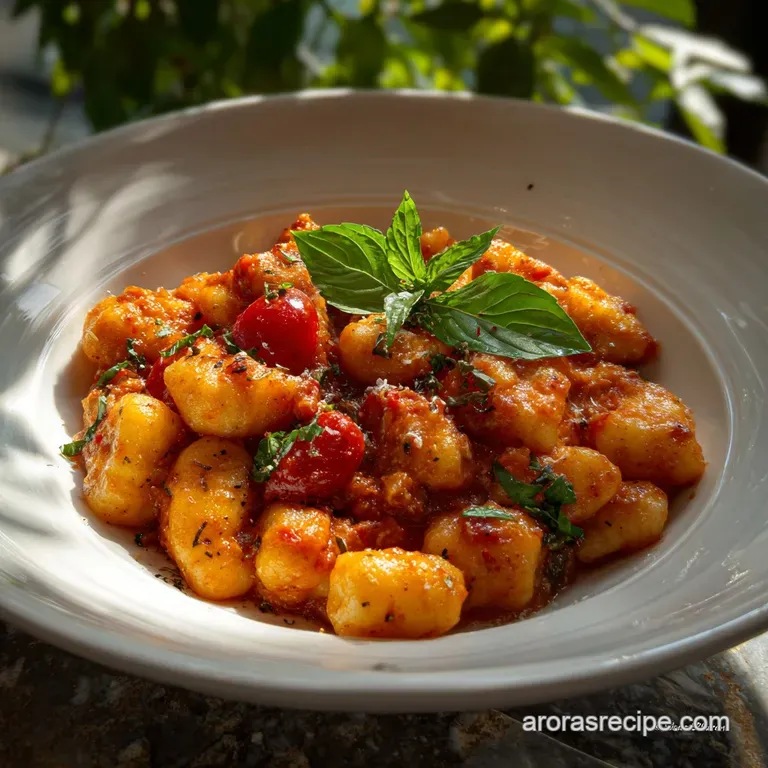
- Infuse the oil. Heat 2 tbsp Extra virgin olive oil in your skillet over medium low until it shimmers and moves like water.
- Sauté aromatics. Add 3 sliced garlic cloves and 1 large basil sprig; cook for 2 minutes until garlic edges turn translucent and fragrant. Note: This infuses the lipid phase with fat-soluble aromatics.
- Crush the tomatoes. Hand crush 28 oz San Marzano tomatoes into the pan until no large chunks remain and the juices begin to sizzle.
- Season the base. Add 1 tsp Kosher salt and 1/2 tsp red pepper flakes; stir until the salt dissolves and the red flakes release a spicy aroma.
- Reduce the sauce. Simmer for 12 minutes until the sauce thickens and a wooden spoon leaves a trail on the pan bottom. Note: Pectin concentration is happening here.
- Boil the water. Bring a large pot of salted water to a rolling boil until large, vigorous bubbles break the surface.
- Cook the gnocchi. Drop 1.1 lbs gnocchi into the water; cook for 2 3 minutes until every gnocchi floats buoyantly at the top.
- The Marriage. Transfer gnocchi directly into the skillet using a spider until all dumplings are submerged in the red sauce. This is the moment your gnocchi pomodoro comes together.
- Emulsify the cheese. Turn off heat; fold in 1/2 cup Parmigiano Reggiano until the sauce turns matte and clings to the gnocchi. Note: Residual heat melts the cheese without breaking the emulsion.
- Final assembly. Gently stir in 4 oz mozzarella pearls and 1/2 cup torn basil until the mozzarella just begins to soften and pull.
Why Your Pasta Breaks: Pro Logic Solutions
Why Your Gnocchi is Mushy or Falling Apart
If your Italian gnocchi recipe results in a "mashed potato" texture, it's usually due to overcooking or poor starch quality. When potato gnocchi sit in boiling water too long, the starch granules burst, absorbing excess water and losing their structural integrity.
The final quality of the gnocchi pomodoro relies on this integrity.
| Problem | Root Cause | The Fix | Pro Protocol |
|---|---|---|---|
| Gummy Texture | Over boiling | Pull gnocchi the second they float. | Use a timer and start counting as soon as they hit the water. |
| Sauce is Watery | Inadequate reduction | Simmer sauce longer before adding pasta. | Look for the "trail" left by a spoon on the pan. |
| Clumping Cheese | Heat too high when adding Parm | Kill the flame before stirring in cheese. | Use "residual heat" to preserve the cheese proteins. |
Chef's Note: If your sauce feels too thick after adding the gnocchi, splash in 1 2 tablespoons of the starchy pasta water. The liquid gold helps thin the sauce while the starch keeps the emulsion stable, which is crucial for a thick gnocchi pomodoro.
For those who love a bit more texture, my Gnocchi and Mushrooms recipe focuses on pan-searing the gnocchi first to prevent this common mushiness.
Flavor Architecture: Creative Twists on Italian Gnocchi Recipe
Gnocchi Pomodoro e Mozzarella (Al Forno)
Transform this into a baked dish. Transfer the finished mixture into a baking dish, top with extra mozzarella, and broil for 3 minutes until the cheese is bubbly and mahogany brown. The high heat creates a Maillard reaction on the cheese surface for added depth.
Spicy Arrabbiata Twist
Increase the red pepper flakes to 1.5 tsp and add 1 tsp of balsamic vinegar at the end. The acid cuts through the heat, creating a sharper gnocchi pomodoro e basilico experience. This works exceptionally well if you are using a Chicken Gnocchi Soup recipe as inspiration for a heartier meal.
| Original Ingredient | Substitute | Why It Works |
|---|---|---|
| Fresh Mozzarella | Burrata | Higher fat content; adds a "velvety" creaminess but makes the dish richer. |
| Parmigiano Reggiano | Pecorino Romano | Sheep's milk base; adds a sharper, saltier tang. |
| San Marzano | Fire Roasted Canned Tomatoes | Adds a smoky profile; slightly higher acidity. |
Thermal Mass Recovery: Scaling the Recipe
When doubling this vegetarian gnocchi dish for a crowd, physics dictates that your water and pan will behave differently. The science behind scaling this gnocchi pomodoro requires attention.
- Thermal Mass Warning: Doubling the gnocchi (2.2 lbs) will drop the water temperature by an extra 15 20°F. You must wait for a full return to a rolling boil before you start your timer.
- Pan Crowding: Do not double the sauce in the same skillet. Use two pans or a wide Dutch oven. Crowding prevents the tomatoes from reducing properly, leading to a "steamed" rather than "simmered" flavor.
- Salt Scaling: When doubling, use 1.75x the salt, not 2x. Spices and salts don't always scale linearly and can quickly overwhelm the palate.
Common Myths
Myth: You should add olive oil to the boiling water to keep gnocchi from sticking. Truth: Oil just floats on top and is poured down the drain. To prevent sticking, use a larger volume of water and stir gently once after dropping the gnocchi.
Myth: You must rinse gnocchi after boiling. Truth: Rinsing removes the surface starch. This is the "glue" that helps the gnocchi pomodoro sauce stick to the pasta. Never rinse.
Thermal Degradation and Preservation of Fresh Textures
- Fridge: Store in an airtight container for up to 3 days. The gnocchi will continue to absorb moisture, so the texture will become denser over time.
- Freezing: Not recommended once cooked in sauce. The potato starch undergoes retrogradation, turning the gnocchi grainy and mealy upon thawing.
- Reheating: Use a skillet over low heat with a splash of water. Avoid the microwave, which can cause the mozzarella to turn rubbery and the sauce to "break" (separate into oil and water).
💡 ZERO WASTE PHILOSOPHY: Don't discard the basil stems. Transform: Toss them into the tomato sauce while it simmers, then remove before serving.
Science: The stems contain high concentrations of linalool and estragole (the compounds that give basil its aroma), providing a deeper flavor than the leaves alone.
Final Sensory Plating and Textural Contrast
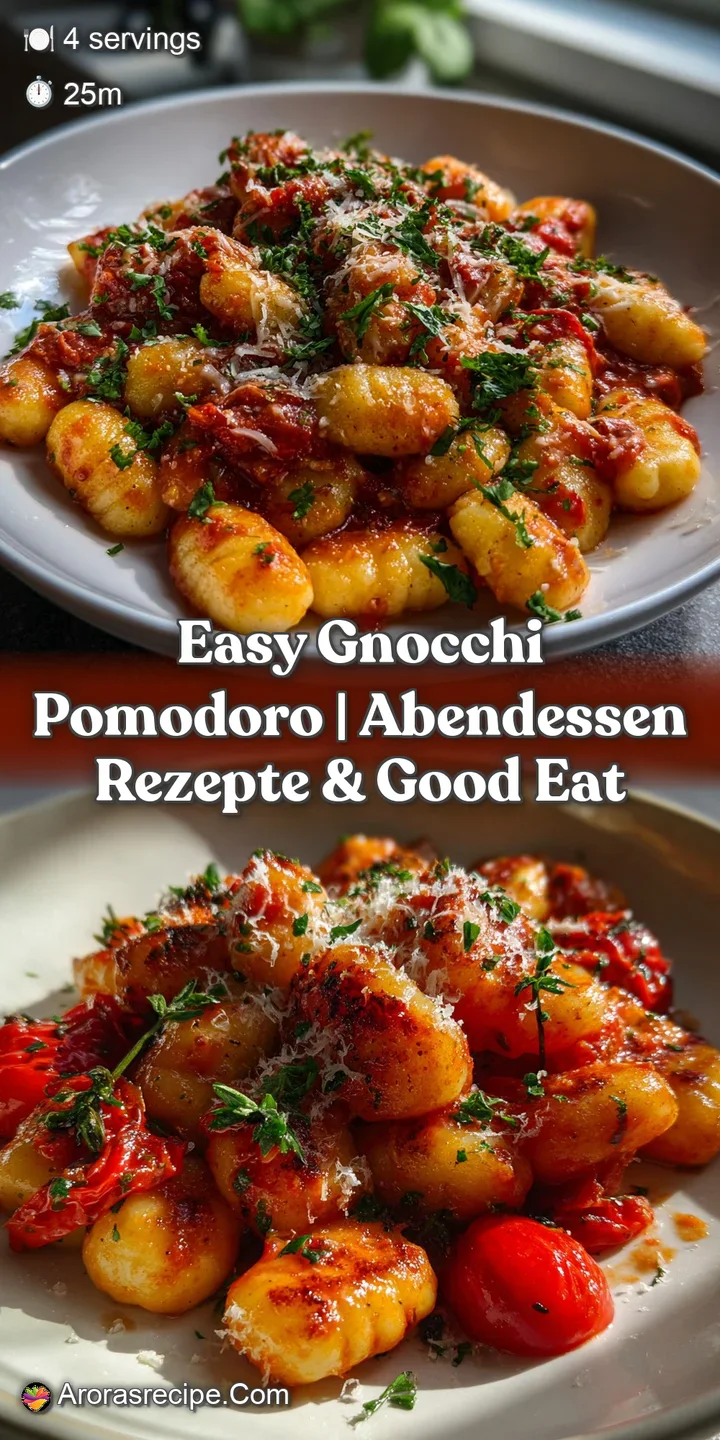
When plating your gnocchi pomodoro and mozzarella, aim for a shallow bowl rather than a deep one. This prevents the weight of the gnocchi from crushing the ones at the bottom, maintaining that "pillowy" integrity.
Garnish with the torn basil at the very last second. Heat causes the aromatic oils to evaporate quickly; by adding it at the table, the "aroma cloud" hits the diner's nose immediately. Finish with a final crack of black pepper to provide a sharp contrast to the velvety sauce.
Trust me, the difference between a good gnocchi and a masterclass gnocchi is all in these final thermal and sensory details. Let's crack on with your perfect gnocchi pomodoro.
Recipe FAQs
What is the fastest way to check if gnocchi is cooked?
It floats to the surface. Gnocchi is done when it rises above the boiling water, indicating the internal starch structure has gelatinized sufficiently.
Should I use canned or fresh tomatoes for the sauce?
Canned San Marzano tomatoes offer superior depth. Their low acidity and dense flesh provide concentrated umami when reduced, unlike watery fresh varieties lacking evening ripeness.
Why are my gnocchi gummy or overly sticky after boiling?
Over working the dough develops too much gluten structure. Excessive kneading traps gas and prevents the light, pillowy rise you seek in the final dumpling.
- Use high protein flour sparingly
- Rest the dough 15 minutes before rolling
- Avoid large adjustments to liquid content
Myth: Must gnocchi be made with potato?
Myth: Traditional Italian recipes absolutely mandate Russet potatoes for binding. Reality: Ricotta (gnudi) or semolina (alla Romana) offer lighter, completely different textures that are also authentic.
Is adding butter or olive oil to the boiling water necessary?
Olive oil prevents initial surface sticking. Fat temporarily coats the starch surface, inhibiting water penetration until the gnocchi structure stabilizes during the initial simmer.
Myth: Does simmering the sauce too long reduce flavor?
Myth: Letting the tomato sauce simmer beyond 15 minutes ruins the freshness. Reality: Slow reduction concentrates the natural sugars and deepens the savory tomato base, crucial for clinging sauce.
What is the benefit of finishing the gnocchi in the pan?
Finishing emulsifies the sauce for a perfect coating. Tossing the cooked dumplings rapidly with reserved starchy water and cold fat creates a glossy, clingy barrier instead of a watery pool.
Easy Gnocchi Pomodoro Recipe
Ingredients:
Instructions:
Nutrition Facts:
| Calories | 442 kcal |
|---|---|
| Protein | 16.5 g |
| Fat | 18.6 g |
| Carbs | 52.4 g |
| Fiber | 4.8 g |
| Sugar | 6.2 g |
| Sodium | 1180 mg |
