Miso Seafood Umami Bomb: Saikyo Yaki Glazed Salmon or Cod
- The Best Miso Seafood Recipe
- Ingredients You Need for Miso Seafood
- How to Make Miso Seafood Step-by-Step
- Professional Secrets: Chef’s Tips, Tricks, and Troubleshooting
- Make Ahead & Meal Prep: Storing and Reheating Your Glazed Seafood
- What to Serve With Miso Seafood: Pairing Suggestions
- Recipe FAQs
- 📝 Recipe Card
The Best Miso Seafood Recipe
There is absolutely nothing better than the smell of sweet, caramelizing miso paste hitting the heat; it’s nutty, deeply savoury, and instantly transports you to a restaurant quality dinner.
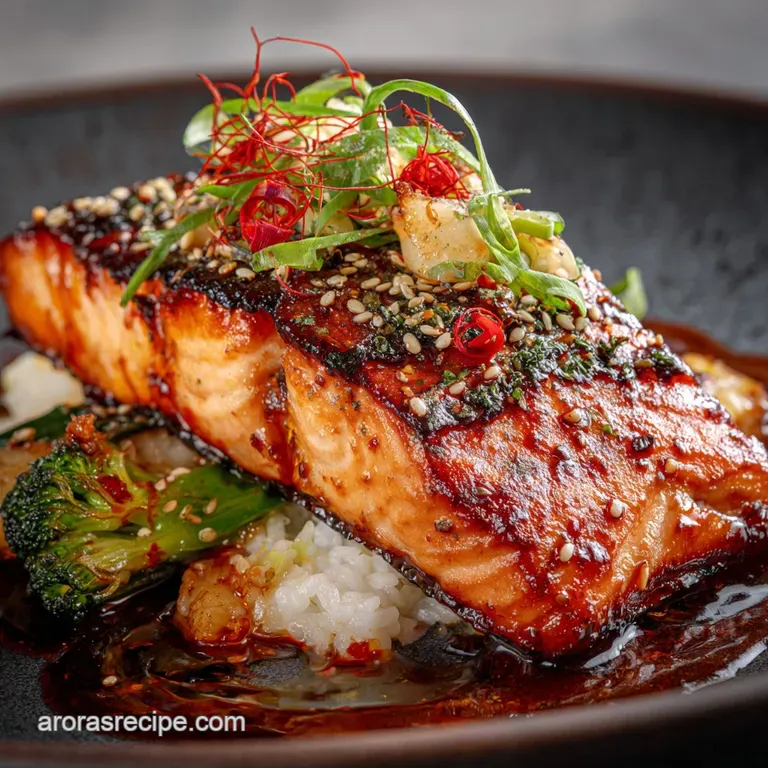
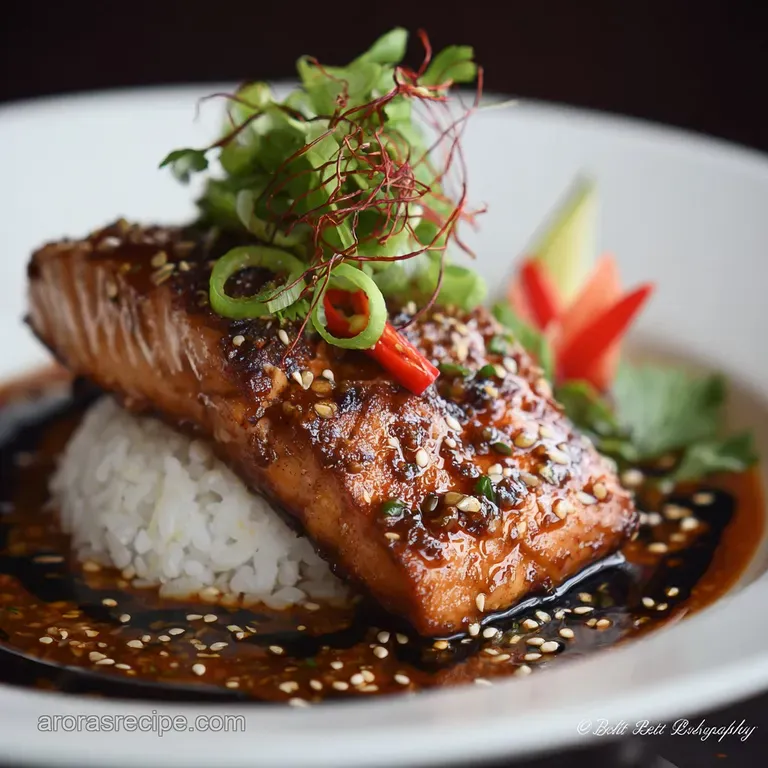
When you pull this Miso Seafood out of the oven, the glaze is burnished gold, slightly sticky, and the aroma alone is enough to silence everyone at the table. Seriously, this crust is everything.
This isn’t just a showstopper recipe; it’s a total weeknight lifesaver that tastes expensive but isn’t. We are taking all the gorgeous flavour complexity of the classic Japanese Saikyo Yaki method traditionally slow and complex and streamlining it into a 30 minute active cook.
It looks like a complicated Michelin star dish, but honestly, you can nail this umami bomb in under an hour, which is faster than waiting for a mediocre takeaway.
I’ve made every mistake in the book with miso (mostly burning it into carbon dust, oops). But now I know the non-negotiable tricks to get that perfect, glossy finish every time. Let's crack on and transform some simple salmon or cod into an unforgettable Japanese inspired feast.
Why This Miso Seafood Works
The magic of this recipe lies entirely in the two-step reduction process of the glaze ingredients. We don’t just mix everything cold; we first simmer the sake, mirin, and sugar until they reduce by about a third.
This cooks off the alcohol, concentrates the sweetness, and creates a thick, syrupy base that holds the miso perfectly.
Flavor Profile and Texture
We are aiming for balance here, not just saltiness. The final flavour is a beautiful, deeply savoury, salty sweetness, balanced by the gentle, slightly fermented funk of the shiro miso. The texture is key: a flaky, moist piece of seafood contrasted sharply by the sticky, caramelised, and slightly chewy miso crust.
This is the definition of a true Umami Bomb Seafood Dinner.
Ingredients You Need for Miso Seafood
Main Ingredients Notes
We are using white (Shiro) miso paste for this recipe, and that is a deliberate choice. Shiro is lighter, sweeter, and less intensely salty than its red or dark varieties, allowing the delicate flavour of the seafood to still shine through. If you are ever working with darker miso, like when I make my Red Miso Chicken Sticky Umami Glaze for Weeknight Dinners , you need to adjust the salt levels drastically.
For the seafood, while Black Cod (Sablefish) is the traditional, expensive dream, Miso Glazed Salmon is the most accessible and equally delicious option. Ensure your fillets are fully pin-boned and patted completely dry before marinating; moisture is the enemy of a sticky glaze.
Easy Substitutions and Swaps
Sometimes you don't have sake chilling in the pantry (I get it!), but don't let that stop you. Almost every liquid in this recipe has a solid, easy swap.
| If you need to substitute... | Use this instead... |
|---|---|
| Sake (Japanese Rice Wine) | Dry sherry, or a splash of dry white wine |
| Mirin (Sweet Rice Wine) | Water mixed with 1/2 tsp of sugar, or a touch of honey |
| Shiro Miso Paste | Awase Miso (mixed variety), but use 2 Tbsp less, as it's saltier |
| Black Cod/Salmon | Halibut or thick scallops (reduce cook time dramatically!) |
Essential Equipment
You only need a few things to nail this dish. A small non-reactive saucepan for the glaze is vital, and definitely use a dedicated fish spatula for serving. The most crucial tool, however, is a reliable baking sheet lined with foil or parchment paper it makes cleanup a dream, and trust me, miso is a pain to scrub off bare metal.
How to Make Miso Seafood step-by-step
Preparation Steps
- Reduce the Glaze Base: In your small saucepan, combine the mirin, sake, and sugar. Bring this mix to a rolling simmer over medium high heat. You must reduce the mixture by about a third; this takes about five minutes and intensifies that incredible flavour.
- Cool and Mix: Remove the reduced liquid from the heat and let it cool for five minutes, otherwise, the hot liquid can break down the delicate miso. Now whisk in the shiro miso paste, soy sauce, and grated ginger until you have a perfectly smooth, slightly thick marinade.
- Marinate the Seafood: Pat those fillets bone dry! Place them in a shallow dish and coat them thoroughly with the glaze. Refrigerate them for 30 to 60 minutes maximum . Seriously, read the common mistakes section below before leaving it overnight.
Cooking Process
- Prep and Wipe: Preheat your oven to 200°C / 400°F. Line a baking sheet and, using the back of a knife or a spatula, gently scrape off the excess marinade from the fish. Leave a thin, beautiful coat, but don't glob it on this is the secret to preventing burning.
- Initial Bake: Place the fillets skin side down. Bake for 8– 10 minutes. The fish should be mostly cooked through and slightly opaque but not fully flaked yet.
- The Broiler Blast: Switch your oven to the Broil (or Grill) function, and make sure your rack is positioned high. Place the fish under the broiler for just 1 to 3 minutes, watching constantly. As soon as the glaze bubbles and turns that deep, beautiful mahogany colour, pull it out immediately.
Chef's Note: The biggest difference between decent Miso Seafood and truly sensational Miso Glazed Salmon is vigilance under the broiler. This is where you get the glorious, caramelized crust, but it's also where you'll accidentally create charcoal if you blink.
Expert Tips for Success
- Mind the Marination Clock: Miso is a powerful curing agent. If you leave the fish marinating for four hours or more, it will start to draw out moisture, leaving you with dry, tough seafood. Stick to the 30 60 minute window for perfect texture.
- The Miso Thin Layer: Don't be shy about wiping off the excess glaze before cooking. Too much glaze equals too much sugar and salt, resulting in a black, acrid burn rather than a rich, golden caramelization.
- High Heat Finish: Use the broiler aggressively but briefly. The fish is already mostly cooked, so this final blast is purely for achieving that glorious crust and Miso Glazed Salmon look.
Common Mistakes to Avoid
- Over Marinating the Fish: As noted above, this cures the fish too aggressively, making it chewy instead of flaky. Fix: Set a timer! 60 minutes is your friend.
- Not Reducing the Liquids: If you skip reducing the sake and mirin, the glaze will be too watery and won't stick properly, leading to a runny, pale mess. Fix: Ensure the liquid visibly reduces in volume before mixing in the miso.
- Serving Immediately After Broiling: The internal temperature continues to rise after removal (carryover cooking). Fix: Let the fish rest for 3 minutes while you plate your rice and greens.
Professional Secrets: Chef’s Tips, Tricks, and Troubleshooting
Preventing the Glaze from Burning (The Foil Trick)
If you notice the edges of your glaze browning way too quickly during the broiler phase, you have two options. First, open the oven door for 10 seconds to momentarily drop the ambient temperature.
Second, if a specific spot is running hot, loosely tent just that spot with a tiny piece of aluminum foil while the rest finishes caramelizing.
Common Mistake: Over Marinating the Fish
I cannot stress this enough: Miso is not a passive marinade; it actively draws moisture out of the flesh. If you want to prep ahead, make the glaze and store it separately from the seafood. Marinate only 1 hour before baking.
How to Check for Perfect Flaky Doneness
The easiest way to check if your Miso Glazed Salmon or cod is ready is to gently insert a fork into the thickest part of the fillet. If the flesh resists, it needs another minute. If it separates effortlessly into clean, moist flakes, it’s done. We are looking for an internal temperature of 63°C / 145°F.
Repurposing Leftover Miso Glaze
If you have some pristine, leftover glaze (meaning none of it touched the raw fish), store it tightly sealed in the fridge for up to two weeks. It is fantastic tossed with roasted vegetables like asparagus, or stirred into a bowl of warm rice. You can even use it as a base for a very quick dipping sauce.
Can I Freeze the Raw Marinated Fillets?
Technically, yes, but I advise against it. Freezing the fillets while marinated in the miso will continue the curing process even at low temperatures, and the final texture will be less delicate and more rubbery once thawed and cooked.
Best Practice: Freeze the raw, unmarinated fish, and keep the glaze stored separately.
Best Practice for Storing Cooked Miso Fish
Wrap the cooked Miso Seafood tightly in foil and place it in an airtight container.
make-ahead & Meal Prep: Storing and Reheating Your Glazed Seafood
Cooked Miso Seafood stores beautifully in the fridge for up to 3 days. Freezing cooked fish, however, changes the texture of the glaze, making it grainy when thawed. I recommend eating the leftovers quickly.
To reheat, avoid the microwave! Microwaving will turn the gorgeous caramel crust into rubbery mush. Instead, preheat your oven or a toaster oven to 160°C (325°F). Place the fish on a foil lined tray and bake for 6– 8 minutes until warmed through.
The low heat prevents the sugar in the glaze from burning a second time.
What to Serve With Miso Seafood: Pairing Suggestions
This Simple Miso Seafood is rich and savoury, so you need fresh, bright, slightly crunchy sides to cut through that richness.
- Sesame Greens: The sautéed pak choi or broccoli from the main recipe is perfect simple and green.
- Perfectly Steamed Rice: Sticky short grain rice is essential for soaking up any pan juices.
- Quick Pickles: A side of sliced cucumber or radish quickly pickled in rice vinegar and sugar adds a wonderful, tart crunch that complements the fatty fish brilliantly.
- Soup Starter: If you want a full Japanese Miso Salmon Dinner experience, start with a light, warm soup. A simple Miso Ramen base made with a brilliant Essential Dashi Broth Recipe Pure Umami Base for Miso Ramen is a wonderful pairing.

Recipe FAQs
How do I prevent the sweet miso glaze from burning during baking?
Miso paste contains natural sugars that caramelize and burn quickly under high heat. To prevent charring, ensure your oven is not set above 400°F (200°C), and consider covering the fish loosely with foil for the first two-thirds of the cooking time.
If finishing under the broiler (grill), place the rack lower down and watch it constantly.
Can I use different types of fish or protein with this miso glaze?
Absolutely; this versatile glaze works wonderfully with several proteins. Highly recommended alternatives include firm white fish like halibut, large sea scallops, or even thick slices of pressed tofu for a vegetarian option. Always adjust the cooking time based on the thickness of the protein you choose.
What can I substitute for the sake and mirin if I don't have them?
For the sake, a dry white wine or dry sherry can be used, although the flavor profile will shift slightly. Mirin provides essential sweetness; if substituting, mix one tablespoon of dry white wine with half a teaspoon of sugar to replace the mirin's liquor and sweetness.
Is this recipe naturally gluten-free?
The base ingredients are often gluten-free, but you must check the labels on the miso, sake, and mirin. Some budget miso pastes contain barley or wheat, and certain brands of sake and mirin may also contain trace amounts of gluten from processing. Look for explicitly marked gluten-free varieties to be safe.
How long should I marinate the fish, and is a full 24 hours necessary?
While a quick 30-minute marinade will give a good surface flavor, the extended time (up to 24 hours) allows the miso to deeply penetrate the fish fibers, tenderizing it and building that profound umami profile. However, do not exceed 24 hours, as the salt content may begin to cure and toughen the fish.
What is the difference between shiro (white) miso and red (aka) miso in this recipe?
Shiro miso is a sweet, young miso ideal for this glaze, providing a subtle, rich flavor. Red (aka) miso is fermented longer and is much saltier and stronger in taste; if you use red miso, reduce the quantity by about one-third and consider adding a touch more sugar to balance the intensity.
How should I store leftover cooked fish, and can I freeze it?
Leftover cooked miso seafood should be stored in an airtight container in the refrigerator and consumed within 3 days. While technically possible, freezing cooked fish often results in a drier, tougher texture when reheated, so it is generally not recommended for optimal flavor.
Easy Miso Glazed Salmon Dinner
Ingredients:
Instructions:
Nutrition Facts:
| Calories | 450 kcal |
|---|---|
| Fat | 25 g |
| Fiber | 2 g |
