Spring Dessert Idea and Recipe with Fresh Lemon
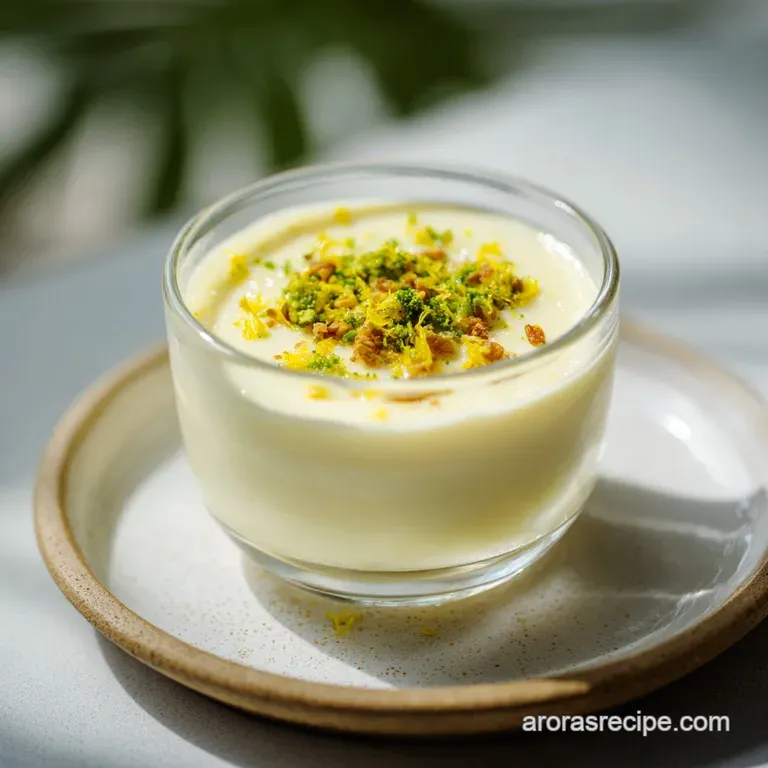
- Time: Active 15 minutes, Passive 4 hours, Total 4 hours 15 minutes
- Flavor/Texture Hook: Silky, citrusy, and bright
- Perfect for: Spring garden parties and low stress entertaining
- Spring Dessert Idea And Recipe with Fresh Lemon
- The Physics of the Citrus Set
- Component Analysis and Pro Secrets
- Essential Specs for This Recipe
- Tools for a Minimalist Kitchen
- Step by Step to Creamy Perfection
- Pro Secrets and Common Pitfalls
- Adjusting the Batch Size
- Fun Ways to Mix It Up
- Dispelling Kitchen Myths
- Keeping Your Lemon Posset Fresh
- Best Ways to Serve This
- Recipe FAQs
- 📝 Recipe Card
Spring Dessert Idea And Recipe with Fresh Lemon
I remember the first time I saw a lemon posset on a menu in a tiny Nashville cafe. I thought it was just a fancy way of saying pudding, but when the spoon hit that velvety surface, I realized I was wrong. It wasn't heavy or cloying like the puddings I grew up with.
Instead, it was this bright, zingy, glass smooth custard that felt like a spring breeze on a humid day. I went home and tried to recreate it, failing miserably the first time because I rushed the boil.
This spring dessert idea and recipe with fresh lemon will brighten any table, and honestly, it’s a bit of a magic trick. You take three basic items, boil them for a few minutes, and they transform into something that looks like you spent hours over a double boiler.
Since that first Nashville kitchen disaster, I’ve made this more times than I can count. It’s my go to when I want people to think I’ve been slaving away, when really, I was mostly just waiting for the fridge to do its job.
The secret is all in the timing and the quality of your fruit. You want lemons that feel heavy for their size because they’re the ones bursting with the juice we need for that chemical reaction. We’re going to get that sharp, clean flavor that only fresh citrus can give.
Trust me, once you master this, you’ll never look at a boxed pudding mix the same way again.
The Physics of the Citrus Set
Acid Denaturation: The citric acid in the lemon juice causes the proteins in the heavy cream to clump together and thicken. Because of the high fat content in the cream, these proteins form a silky, stable network rather than curdling into lumps.
Service Scale and Planning Guide
| Servings | Ingredient Adjustments | Container Size | Cook Time |
|---|---|---|---|
| 2 people | 300ml cream, 100g sugar, 75ml juice | 2 small glasses | 8 minutes |
| 4 people | 600ml cream, 200g sugar, 150ml juice | 4 ramekins | 10 minutes |
| 8 people | 1.2L cream, 400g sugar, 300ml juice | 8 jars | 15 minutes |
This recipe relies heavily on the ratio of fat to acid. If you try to use half and half or whole milk, you'll end up with a watery mess instead of a velvety custard. The high fat percentage in heavy whipping cream is what buffers the acid, allowing the mixture to set firmly while remaining creamy on the tongue.
Component Analysis and Pro Secrets
| Ingredient | Science Role | Pro Secret |
|---|---|---|
| Heavy Whipping Cream | Provides the fat structure for the set. | Use cream with at least 36% fat for the firmest texture. |
| Caster Sugar | Stabilizes the protein network and balances acid. | Caster sugar dissolves faster, preventing a grainy mouthfeel. |
| Fresh Lemon Juice | The catalyst that denatures the cream proteins. | Always strain your juice to keep the texture perfectly smooth. |
Essential Specs for This Recipe
- Cream: 600ml heavy whipping cream (minimum 36% fat)
- Sugar: 200g superfine caster sugar Why this? It dissolves instantly in the hot cream without over boiling.
- Lemon Juice: 150ml freshly squeezed lemon juice (about 3-4 large lemons)
- Lemon Zest: 2 tbsp finely grated lemon zest Why this? The oils in the zest provide a deeper aroma than the juice alone.
If you find yourself short on caster sugar, you can pulse regular granulated sugar in a blender for thirty seconds. For the lemons, look for thin skinned varieties which usually yield more juice.
If you are feeling adventurous, you can swap the lemon for lime, though the set might be slightly softer due to different acidity levels.
Tools for a Minimalist Kitchen
You don't need a pantry full of gadgets for this. A heavy bottomed saucepan is your best friend here because it distributes heat evenly and prevents the cream from scorching at the edges. You will also need a fine mesh strainer; this is non negotiable if you want that professional, velvety finish.
A simple whisk and a citrus juicer are the only other things taking up space on your counter. I prefer a hand held reamer for the lemons because I can really get every last drop of juice out. If you don't have ramekins, don't sweat it.
You can use wine glasses, small jars, or even hollowed out lemon halves if you want to be extra fancy for a garden party.
step-by-step to Creamy Perfection
- Combine ingredients. Pour the 600ml heavy whipping cream and 200g caster sugar into your saucepan. Note: Using a larger pan than you think you need prevents boil overs.
- Heat slowly. Place the pan over medium heat and whisk until the sugar is completely dissolved.
- Boil the mixture. Bring the cream to a gentle boil for 3 minutes until the liquid looks slightly reduced and yellow.
- Add the zest. Stir in the 2 tbsp of lemon zest and remove the pan from the heat immediately.
- Incorporate the acid. Pour in the 150ml of freshly squeezed lemon juice while whisking constantly.
- Rest the base. Let the mixture sit in the pan for 5 minutes until it starts to thicken slightly on the spoon.
- Strain the cream. Pour the liquid through a fine mesh sieve into a jug to remove the zest and any stray pulp.
- Portion out. Carefully pour the strained liquid into four ramekins or glasses.
- Chill thoroughly. Place in the fridge for at least 4 hours until the surface is firm and cold.
Pro Secrets and Common Pitfalls
Why Your Posset Stayed Liquid
If your dessert didn't set, the most likely culprit is the boiling time. You need that three minute window to reduce the water content in the cream slightly and prepare the proteins for the acid. If you just bring it to a simmer and pull it off, it won't have the structural integrity to firm up.
Dealing With Grainy Texture
Graininess usually happens if the sugar didn't dissolve or if the cream was boiled too vigorously on a thin bottomed pan. If the cream scorches, those little burnt bits will ruin the flavor. Keep the heat at a steady medium and keep that whisk moving.
| Problem | Root Cause | Solution |
|---|---|---|
| Won't set | Not enough boiling time | Boil for a full 3 mins next time. |
| Separating | Used low-fat cream | Always use 36% fat heavy cream or higher. |
| Too tart | Juice was too acidic | Add 1 tbsp extra sugar to the hot mix. |
Common Mistakes Checklist
- ✓ Never use bottled lemon juice; the flavor is metallic and the acidity is inconsistent.
- ✓ Don't skip the straining step; the zest is for flavor during heating, but the texture should be smooth.
- ✓ Avoid low-fat or "light" cream; the science simply won't work without the fat.
- ✓ Give it the full 4 hours in the fridge; rushing the set results in a soup like consistency.
- ✓ Watch the pot like a hawk; cream can boil over in a split second.
Adjusting the Batch Size
If you are cooking for a crowd, this recipe doubles beautifully. Just remember that a larger volume of cream takes longer to reach a boil, so your total time will increase. When doubling, don't feel the need to double the zest exactly; 3 tablespoons is usually enough for a double batch to avoid over powering the cream.
For a smaller date night version, you can halve everything easily. Since you'll be boiling a smaller amount of liquid, watch it closely as it will reduce much faster. I usually suggest using a smaller saucepan for a half batch so the cream doesn't spread too thin and burn. If you’re into the tangy profile of citrus, this technique is actually quite similar to the balance needed for a great Lemon Pepper Sauce recipe.
Fresh vs. Shortcut Comparison
| Feature | Fresh Lemons | Bottled Juice |
|---|---|---|
| Flavor Profile | Bright, floral, complex | Flat, sour, slightly bitter |
| Aroma | High (from zest oils) | Very low |
| Setting Power | Reliable and consistent | Unpredictable |
Fun Ways to Mix It Up
You can easily change the personality of this dish by infusing the cream while it heats. I love throwing in a sprig of fresh thyme or some crushed basil leaves while the cream and sugar are boiling. Just make sure you strain them out with the zest before pouring the mixture into your serving dishes.
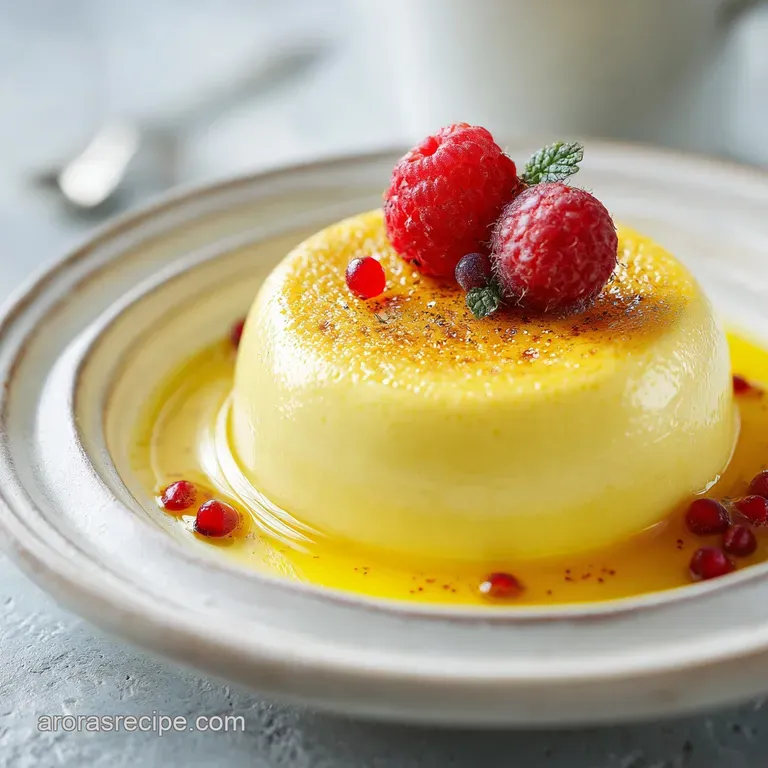
Another great trick is the "Shatter Top." Just before serving, sprinkle a thin layer of sugar over the set posset and use a kitchen torch to caramelize it. It turns the dish into a sort of lemon creme brulee. If you want a bit of crunch, serve it with a salty shortbread cookie on the side. This provides a great contrast to the velvety cream. For more texture heavy ideas, you might look at something like a Sourdough Stuffing Recipe, which masters that balance of soft and crunchy.
Decision Shortcuts
- If you want it extra tart, increase the lemon juice to 170ml.
- If you want it sweeter, add a garnish of fresh raspberries on top.
- If you want it floral, add 1/2 teaspoon of lavender buds during the boil.
Dispelling Kitchen Myths
One big myth is that you need gelatin or cornstarch to set a cream based dessert. As we've seen here, that’s just not true. The interaction between the fat and the acid is plenty strong on its own. Another misconception is that you have to whisk the cream until it’s thick before adding the juice.
In reality, the juice does all the heavy lifting once the mixture cools down.
People also think you can't use Meyer lemons for possets because they are less acidic. While they are sweeter, they still work! You might just need to boil the cream for an extra minute to ensure a firm set, or add a teaspoon of regular lemon juice to help the pH level drop.
Keeping Your Lemon Posset Fresh
You can store these in the fridge for up to 3 days. I actually think they taste better on day two because the lemon flavor has more time to meld with the cream. Just be sure to cover the ramekins with plastic wrap so they don't pick up any weird "fridge smells" like onions or leftover takeout.
Storage and Zero Waste
- Fridge: Keep covered for up to 72 hours.
- Freezer: I don't recommend freezing this; the emulsion can break when thawing, leaving you with a grainy texture.
- Zero Waste: Use your leftover lemon husks to clean your wooden cutting boards. Just sprinkle some coarse salt on the board and scrub with the lemon half. You can also dry the leftover zest to use in tea or homemade spice rubs.
Best Ways to Serve This
When it comes to presentation, less is more. I like to serve these in clear glass jars so you can see the pale, creamy color. A single mint leaf or a very thin slice of lemon on top is all you need. If you’re hosting a dinner party and want something more substantial, this pairs beautifully after a heavy meal.
While this is light, sometimes you want a heavier classic for your dessert table, like my Red Velvet Cake recipe. But for those warm spring evenings when you want to stay out on the porch and not spend the whole night in the kitchen, the lemon posset is king. It’s simple, it’s elegant, and it lets the fresh fruit do all the talking. Just remember to serve it straight from the fridge; that cold, sharp hit of citrus is what makes the whole experience.

Recipe FAQs
What to make with a bunch of fresh lemons?
Make a Lemon Posset. This quick chilled custard relies on fresh lemon acid to set heavy cream without eggs or flour, resulting in a bright, velvety springtime dessert.
What's a good springtime dessert?
Lemon Posset is perfect for spring entertaining. Its bright, tangy flavor cuts beautifully through heavier winter meals and requires only 15 minutes of active preparation time.
What to make with lemons in easy desserts?
Use fresh lemon juice to create a chemically set posset. This recipe uses only cream, sugar, and juice, offering a sophisticated texture without needing technical skills like tempering eggs.
What is the famous lemon dessert in Amalfi?
The traditional Amalfi dessert is often Delizia al Limone, a sponge cake. However, a lighter, equally impressive Italian style option is this lemon posset, which focuses purely on intense citrus flavor.
Why didn't my lemon posset set firmly?
You likely did not boil the cream long enough. The cream must reach a full, rolling boil for three minutes to reduce water content enough for the acid to create a stable structure.
Can I use granulated sugar instead of caster sugar?
No, you should use superfine caster sugar. The finer crystals dissolve instantly in the hot cream, preventing a grainy mouthfeel that regular granulated sugar might leave behind.
Is it true you must use a double boiler for a smooth texture?
False. This recipe specifically uses direct heat on a saucepan, but you must whisk constantly and use a heavy bottomed pan to prevent scorching.
Fresh Lemon Spring Dessert

Ingredients:
Instructions:
Nutrition Facts:
| Calories | 716 kcal |
|---|---|
| Protein | 3.2 g |
| Fat | 55.1 g |
| Carbs | 57.2 g |
| Fiber | 0.4 g |
| Sugar | 53.1 g |
| Sodium | 42 mg |
