Velvet Gnocchi in Gorgonzola Sauce: Ready in 20 Minutes
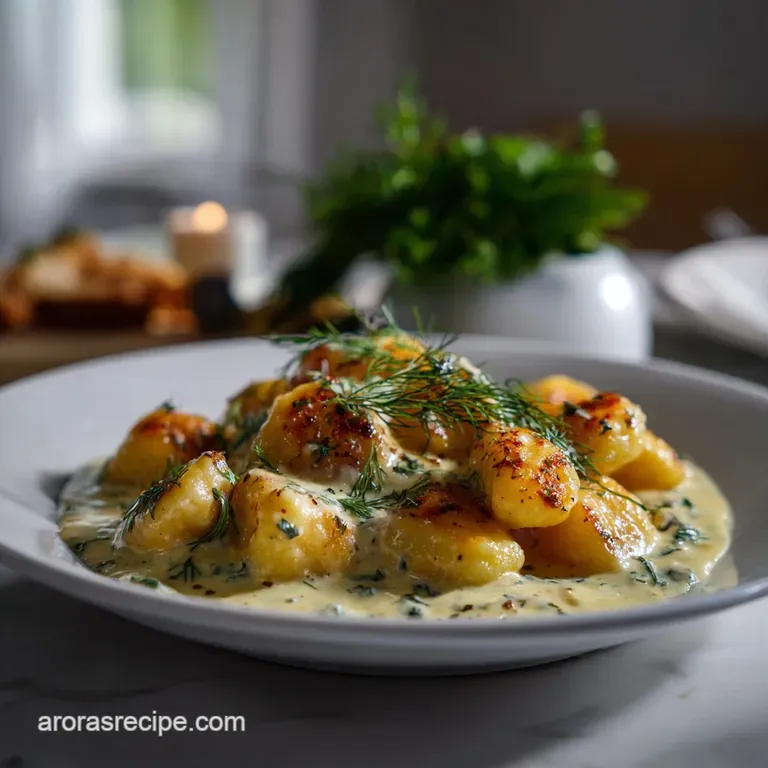
- Effort/Time: Low effort / 20 minutes total
- Flavor Hook: Sharp, salty Gorgonzola mellowed by luscious cream and toasted walnut crunch
- Perfect for: Date nights or a high-impact, weeknight super easy dinner
- The Molecular Mechanics Behind Every Bite
- Strategic Elements for Gnocchi in Gorgonzola
- Precision Execution Protocol
- Troubleshooting Your Gorgonzola Sauce
- Thermal Dynamics & Scaling Laws
- Debunking Common Kitchen Myths
- Preservation and Reheating Strategies
- Elevating the Experience: Serving Suggestions
- Recipe FAQs
- 📝 Recipe Card
The Alchemy of Velvet: Why This Recipe Works
Ever served a plate of gnocchi that felt like eating pencil erasers drowning in a puddle of oil? I’ve been there. My early attempts at gnocchi in gorgonzola were either dangerously salty or the sauce "broke" into a grainy, greasy mess because I rushed the heat.
The secret isn't just the cheese; it's the marriage of starchy water and milk fats.
We’re aiming for an emulsion a stable mixture of two liquids that usually don't mix (fat and water). By utilizing the 1/4 cup reserved starchy pasta water from your 500g potato gnocchi, you create a bridge between the heavy cream and the Gorgonzola.
It's a scientific shortcut to a glossy finish that clings to the ridges of the pasta rather than sliding off to the bottom of the bowl.
If you enjoy this texture profile, you might find my Gnocchi and Mushrooms recipe equally satisfying for its focus on earthy, seared edges. Let's look at the chemistry that makes this specific gnocchi in gorgonzola cream sauce so addictive.
The Molecular Mechanics Behind Every Bite
- Starch Suspension: The surface starch on the 500g potato gnocchi sloughs off into the boiling water; adding this "liquid gold" back into the pan prevents the cream from separating.
- Casein Stability: Keeping the 240ml heavy whipping cream at a simmer rather than a hard boil prevents the milk proteins (casein) from tightening and curdling.
- Lipid Integration: Gorgonzola Cheese contains high levels of butterfat and moisture; melting it slowly ensures the fat globules stay suspended in the cream for a velvety mouthfeel.
- Enzymatic Breakdown: The Penicillium roqueforti mold in the cheese has already broken down complex proteins, making the flavor punchy and the texture naturally soft.
The Science of Your Key Ingredients
- What It Does
- Acts as the primary flavor driver and thickening agent.
- The Chemistry
- Through a process called proteolysis, the mold cultures break down protein chains into flavorful amino acids.
- Why This Matters
- This creates a cheese that melts at a lower temperature, ensuring a smooth Gorgonzola Sauce without the need for a flour based roux.
- What It Does
- Provides the continuous phase for the emulsion.
- The Chemistry
- At 36% fat, the cream has enough lipid density to coat the tongue and buffer the acidity of the blue cheese.
- Why This Matters
- It prevents the garlic and pepper from tasting "sharp," rounding the edges into a cohesive profile.
- What It Does
- Acts as a natural emulsifier.
- The Chemistry
- Amylose and amylopectin molecules released during boiling act as physical barriers that stop fat droplets from merging.
- Why This Matters
- It transforms a thin liquid into a thickened, glossy Gorgonzola Cream Sauce that grips the pasta.
Strategic Elements for Gnocchi in Gorgonzola
| Ingredient | Substitute | Why It Works |
|---|---|---|
| 500g potato gnocchi | Ricotta Gnocchi | Same soft texture, though ricotta gnocchi are more delicate. |
| 150g Gorgonzola cheese | Roquefort or Stilton | High fat content and similar mold ripened pungency. |
| 240ml heavy whipping cream | Crème Fraîche | Adds a tangy note; high fat prevents curdling under heat. |
| 30g toasted walnuts | Toasted Pine Nuts | Provides necessary textural contrast (shatter) against the velvet sauce. |
| 60g fresh baby spinach | Finely chopped Lacinato Kale | Adds bitterness to cut through the fat; kale requires 2 mins more wilt time. |
Component Analysis
- 500g De Cecco Potato Gnocchi: Why this? High starch-to-flour ratio ensures a pillowy interior rather than a gummy one.
- 150g Gorgonzola Dolce: Why this? Dolce is younger and sweeter than Piccante, melting into a smoother cream.
- 1 tbsp Kerrygold Unsalted Butter: Why this? High butterfat content aids in the initial garlic sauté without burning.
- 2 cloves garlic, finely minced: Use a microplane to ensure the garlic disappears into the sauce for uniform flavor.
- Lodge Enameled Cast Iron Skillet: Why this? Superior thermal mass prevents temperature drops when adding cold cream.
Precision Execution Protocol
- Boil 4 liters of water with 1 tsp Diamond Crystal sea salt until large, vigorous bubbles break the surface.Note: Salt increases the boiling point and seasons the gnocchi from the inside out.
- Drop 500g potato gnocchi into the water and cook for 2–3 minutes until they bob to the surface and feel slightly springy.Note: Floating indicates the interior air pockets have expanded, signaling doneness.
- Reserve 1/4 cup starchy pasta water using a heat proof measuring cup before draining the gnocchi.Note: This water contains the vital amylopectin needed for your emulsion.
- Melt 1 tbsp unsalted butter and 1 tbsp extra virgin olive oil in a Lodge Cast Iron Skillet over medium heat until the butter foams and the sizzling subsides.Note: Mixing oil and butter raises the smoke point, preventing browning.
- Sauté 2 cloves minced garlic for 60 seconds until fragrant and translucent, but not brown.Note: Garlic turns bitter the moment it crosses into golden brown territory.
- Pour 240ml heavy whipping cream into the skillet and bring to a low simmer until small bubbles appear around the edges.Note: Do not reach a rolling boil, which can destabilize the milk fats.
- Whisk in 150g Gorgonzola cheese in small chunks until the cheese has fully vanished into the cream and the liquid is opaque.Note: Gradual addition prevents a massive temperature drop.
- Fold in 60g fresh baby spinach and 1/4 tsp freshly cracked black pepper for 1 minute until the leaves turn bright green and limp.Note: Spinach provides the visual and nutritional "lift" to the heavy sauce.
- Toss the cooked gnocchi into the sauce, adding the 1/4 cup reserved pasta water 1 tablespoon at a time until the sauce looks glossy and clings tightly to the pasta.Note: This is the moment of emulsification.
- Garnish with 30g toasted walnuts just before serving until the nutty aroma hits your nose.Note: Walnuts lose their "shatter" if they sit in the sauce too long.
Troubleshooting Your Gorgonzola Sauce
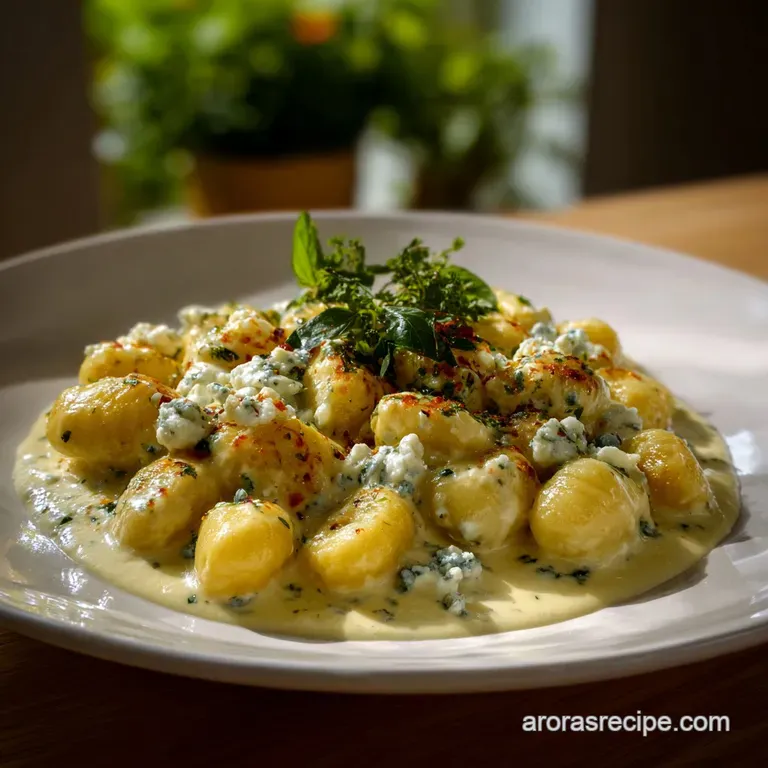
Why Your Sauce is Grainy or Split
If your gnocchi in gorgonzola looks like curdled milk, the heat was likely too high. High heat causes the proteins in the cheese to tighten and squeeze out the fat. This is an emulsion breakdown.
| Problem | Root Cause | The Fix | Pro Protocol |
|---|---|---|---|
| Gritty Texture | Cheese added to boiling liquid | Remove from heat; whisk in a splash of cold cream. | Melt cheese over "whisper" heat only. |
| Thin/Runny Sauce | Not enough reduction time | Simmer for 2 more minutes or add more Gorgonzola. | Always reserve more pasta water than you think you need. |
| Mushy Gnocchi | Overcooked in the water | Shock in cold water if not using immediately. | Pull gnocchi the literal second they float. |
Thermal Dynamics & Scaling Laws
When doubling this recipe for a dinner party, the physics of your pan change. Gnocchi in gorgonzola relies on surface area for cream reduction.
- Pan Capacity: If you double to 1kg of gnocchi, use two separate skillets or a very large wide bottomed braiser. A deep pot will trap steam, preventing the Gorgonzola Sauce from thickening properly.
- Boiling Water Recovery: Doubling the pasta drops the water temperature significantly. Allow a full 60 second recovery time after dropping the gnocchi before you start your timer.
- Salt Scaling: Do not double the salt. Use 1.5x the amount (1.5 tsp) and taste at the end. The Gorgonzola Cheese is naturally high in sodium.
Debunking Common Kitchen Myths
- Myth: You must add oil to the pasta water to prevent sticking.
Truth: Oil just floats on top and makes the gnocchi greasy, which prevents the gnocchi in gorgonzola sauce with spinach from adhering to the pasta. Proper water volume (1 liter per 100g) is the real solution.
Myth: Fresh gnocchi is always better than store-bought.
- Truth: Many high-quality vacuum sealed brands use a specific potato-to-flour ratio designed to withstand heavy sauces. For a super easy dinner, store-bought is scientifically consistent.
Preservation and Reheating Strategies
Storage: Store leftovers in an airtight container for up to 2 days. The spinach will lose its vibrancy, but the flavors will deepen.
Freezing: I don't recommend freezing the finished dish. The emulsion of the gnocchi in gorgonzola will break upon thawing, resulting in a spongy texture and an oily sauce. You can, however, freeze the uncooked gnocchi separately.
Reheating: Avoid the microwave it’s the enemy of cheese emulsions. Reheat in a small saucepan over low heat. Add a splash of whole milk or cream and whisk constantly to re-emulsify the fats as they warm up.
💡 Zero Waste Tip: Don't discard the rind of the Gorgonzola (if it's a natural rind). Rind: Toss it into your next batch of Chicken Gnocchi Soup recipe as it simmers. Why: It acts like a Parmesan rind, releasing deep umami and funky notes into the broth without changing the texture.
Elevating the Experience: Serving Suggestions
To balance the intense richness of gnocchi in gorgonzola, you need acidity or bitterness.
- The Acidic Balance: A side salad of arugula with a sharp lemon vinaigrette cuts through the 44g of fat per serving, cleansing the palate between bites.
- Beverage Match: An off-dry Riesling or a crisp Pear Cider mirrors the fruity notes often found in Gorgonzola Dolce while the carbonation scrubs the fat from your tongue.
- Protein Boost: If you want a heartier meal, crispy pancetta or guanciale provides a cured meat saltiness that pairs beautifully with the blue cheese.
This gnocchi in gorgonzola isn't just a meal; it's a lesson in fat management and textural contrast. Once you master the "float and whisk" technique, you’ll never settle for a broken sauce again. Trust me, your kitchen is about to smell like a high end Italian bistro. Enjoy the sizzle!
Recipe FAQs
Can I use store-bought, pre-packaged gnocchi?
Yes, but boil 2 minutes less than package directs. Overcooked gnocchi absorbs too much water, leading to a gluey texture when coated in heavy sauce. You need residual structural integrity for the final toss.
Does Gorgonzola Dolce differ from Piccante in this recipe?
Dolce is better for smooth texture. Dolce varieties have higher moisture and fat content, melting into a creamier emulsion. Piccante is sharper but can split the sauce if not handled carefully.
Is high fat heavy cream necessary for the sauce base?
Yes, high fat cream stabilizes the emulsion. The fat molecules suspend the solids from the cheese, preventing the sauce from separating into oil and watery whey. Use 35% milkfat minimum for best results.
Myth: Boiling gnocchi too vigorously causes it to disintegrate.
Myth: Boiling gnocchi too vigorously causes it to disintegrate. Reality: Vigorous boiling only speeds up cooking; breakage is usually due to low starch-to-protein ratio in poor quality pasta. Ensure the water is salted properly to aid surface tension integrity.
Myth: Milk can substitute for heavy cream in this sauce.
Myth: Milk can substitute for heavy cream in this sauce. Reality: Milk's lower fat content cannot emulsify the large amount of cheese solids, resulting in a thin, grainy sauce prone to breaking immediately. The fat ratio is key to velvet texture.
Should I use fresh or dried herbs?
Fresh sage offers superior aromatic complexity. Dried herbs contain negligible volatile oils, offering only earthy notes, whereas fresh sage releases essential oils when briefly sautéed in butter. Toast dried herbs for 30 seconds before adding any liquid.
What prevents the sauce from becoming grainy?
Remove the pan from the heat source prior to melting cheese. High direct heat causes the milk solids (casein) in the Gorgonzola to aggregate rapidly, leading to separation and a grainy mouthfeel. Add cheese slowly, stirring constantly off the flame.
Gnocchi In Gorgonzola Cream
Ingredients:
Instructions:
Nutrition Facts:
| Calories | 636 kcal |
|---|---|
| Protein | 15 g |
| Fat | 44 g |
| Carbs | 43 g |
| Fiber | 3 g |
| Sugar | 2 g |
| Sodium | 581 mg |
