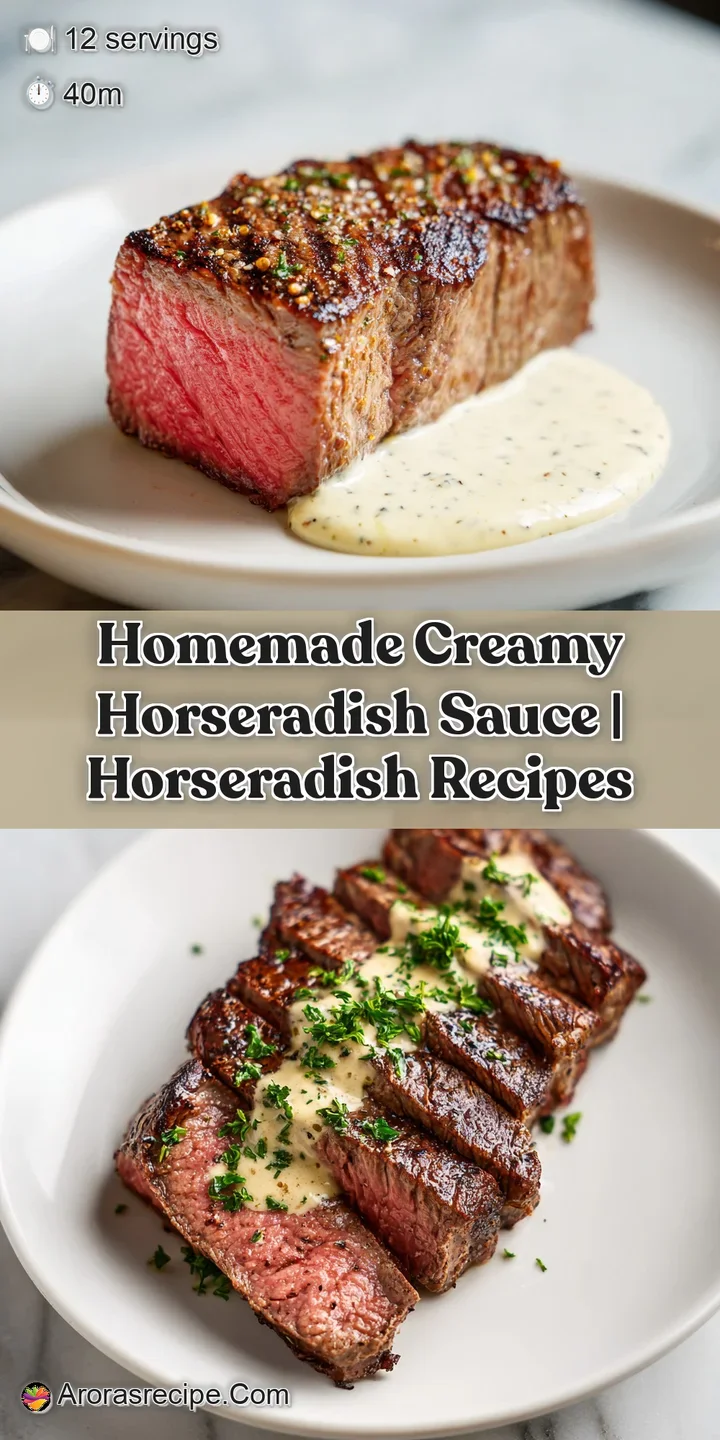
Homemade Creamy Horseradish Sauce
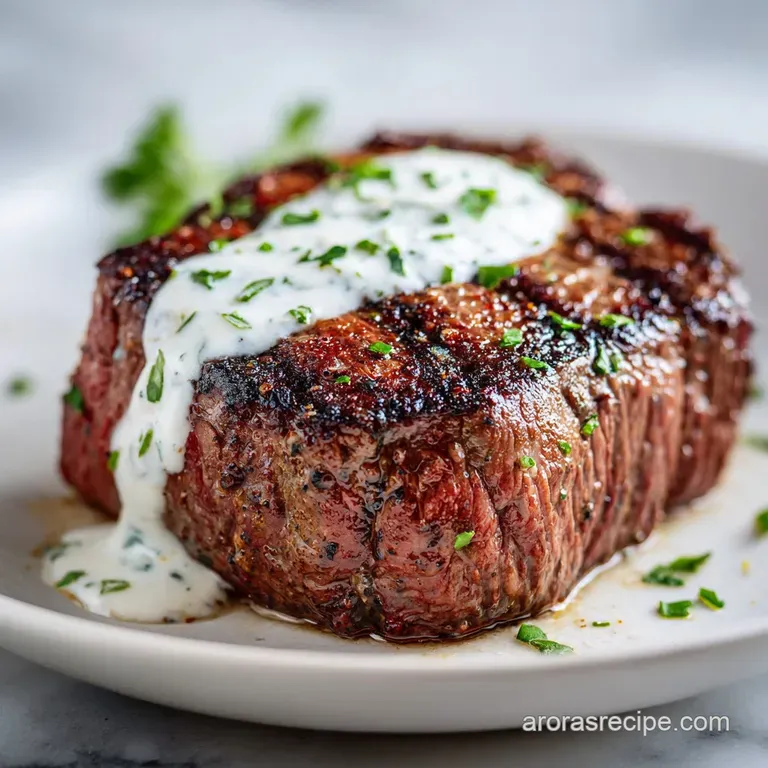
- Time: Active 10 minutes, Passive 30 minutes, Total 40 minutes
- Flavor/Texture Hook: Velvety creaminess with a zingy, sharp finish
- Perfect for: Midwestern Sunday roasts, holiday prime rib, or a simple weeknight steak sandwich
- Hearty Flavor For This Horseradish Sauce Recipe
- Why This Hearty Sauce Works
- Component Deep Dive For Success
- Ingredients For This Homestyle Sauce Recipe
- Essential Tools For Minimal Prep Work
- Easy Steps For Making This Sauce
- Avoiding Common Mistakes With This Sauce
- Creative Swaps For This Horseradish Recipe
- Smart Scaling For Big Crowds
- Myths About Root Heat
- Storage Tips For Long Lasting Freshness
- Hearty Serving Ideas For This Recipe
- Recipe FAQs
- 📝 Recipe Card
Hearty Flavor For This Horseradish Sauce Recipe
Ever wonder why horseradish hits you right in the sinuses rather than burning your tongue like a jalapeño? It's a bit of a Midwestern mystery that I spent years trying to figure out while sitting at supper club tables in Wisconsin.
The secret lies in how the root is crushed, but even more important is how you "tame" it so it doesn't just overpower your entire plate of roast beef.
In our house, Sunday dinner wasn't complete without a little crystal bowl of this white gold. I remember my grandma grating the root on the back porch because the fumes were so strong they'd make the cat sneeze in the living room.
It was a ritual that signaled a special meal was coming, usually something hearty that could stand up to that unique, sharp zing.
This specific horseradish sauce recipe is designed for those who want that classic kick without the harsh, bitter aftertaste that comes from low quality store brands. We are going for a texture that is silky and thick enough to stay put on a slice of prime rib, rather than running all over the mashed potatoes.
It's a stress free addition to your kitchen that makes even a simple deli roast beef sandwich feel like a million bucks.
Why This Hearty Sauce Works
Fat Buffering: The high fat content in sour cream and mayonnaise coats the tongue, slowing the release of heat and preventing the horseradish from becoming too aggressive.
Acid Stabilization: Apple cider vinegar stops the enzymatic reaction in the horseradish root, locking in the spice level so it doesn't become bitter over time.
The Cold Mingle: Refrigerating the sauce for 30 minutes allows the volatile oils to distribute evenly through the dairy base, creating a uniform flavor profile.
Umami Depth: Worcestershire sauce provides a hidden savory backbone that bridges the gap between the bright vinegar and the rich beef you'll likely serve this with.
| Thickness | Rest Time | Visual Cue | Best For |
|---|---|---|---|
| 1.5 cm | 30 minutes | Tiny bubbles on surface | Steak or Prime Rib |
| 1 cm | 10 minutes | Uniform white color | Sandwich Spread |
| 0.5 cm | 1 hour | Thick and dollop able | Dipping Potatoes |
Selecting the right thickness depends entirely on your main dish. If you're serving a heavy, fatty cut of meat, you want the sauce to be thick and stable so it provides a concentrated burst of flavor in every bite.
For sandwiches, a slightly thinner consistency helps it soak into the bread just enough to keep things moist without making it soggy.
Component Deep Dive For Success
| Ingredient | Science Role | Pro Secret |
|---|---|---|
| Sour Cream (240g) | Primary Base | Use full fat only for the best mouthfeel and stability. |
| Prepared Horseradish (120g) | Heat Source | Drain the liquid slightly to prevent the sauce from thinning out too much. |
| Fresh Horseradish (15g) | Flavor Complexity | Grate this right before adding to keep the oils "alive" and pungent. |
When you are picking out your ingredients, the quality of the horseradish is everything. I've found that the stuff in the refrigerated section of the grocery store is worlds better than the shelf stable jars in the condiment aisle.
The cold keeps those spicy compounds from breaking down, which is why we also keep the finished sauce chilled until the very moment the meat hits the table.
If you find the flavor of your sauce is a bit flat, it’s usually because the horseradish has lost its "oomph" while sitting in the fridge. Adding that one tablespoon of freshly grated root is like turning on a light in a dark room it brightens everything up and gives it a professional touch that guests will definitely notice.
Ingredients For This Homestyle Sauce Recipe
- 1 cup (240g) full fat sour cream: This provides the tangy, velvety body. Why this? The fat stabilizes the heat from the horseradish root.
- Substitute: Plain Greek yogurt for a tangier, higher protein version.
- 0.25 cup (60g) high-quality mayonnaise: Adds richness and a smooth finish. Why this? Mayo helps emulsify the sauce so it doesn't separate.
- Substitute: Avocado oil mayo for a dairy-free base option.
- 0.5 cup (120g) prepared horseradish, slightly drained: The main flavor driver. Why this? Draining prevents the sauce from becoming watery.
- Substitute: Wasabi paste (use much less!) for an earthy, green twist.
- 1 tbsp (15g) fresh horseradish root, finely grated (optional): For an extra punch. Why this? Fresh root provides a sharper, more floral heat.
- Substitute: Extra prepared horseradish if fresh isn't available.
- 1 tsp (5ml) apple cider vinegar: Balances the richness with acidity. Why this? Acid brightens the heavy cream and mayo base.
- Substitute: Lemon juice for a more citrus forward profile.
- 1 tsp (5ml) Worcestershire sauce: Adds a deep savory note. Why this? It provides umami that pairs perfectly with beef.
- Substitute: Soy sauce or tamari for a similar salt/umami hit.
- 0.5 tsp (3g) kosher salt: Enhances all the other flavors. Why this? Salt is essential to prevent the sauce from tasting flat.
- Substitute: Sea salt or table salt (use half the amount of table salt).
- 0.25 tsp (1g) freshly cracked white pepper: Adds heat without dark specks. Why this? White pepper blends visually with the creamy sauce.
- Substitute: Black pepper if you don't mind the "peppery" look.
- 2 tbsp (6g) fresh chives, finely minced: For color and a mild onion bite. Why this? Chives provide a fresh, herbal contrast to the heavy fat.
- Substitute: Finely minced green onion tops.
| Feature | Fresh Root | Shortcut (Prepared) |
|---|---|---|
| Heat Level | Intense/Short lived | Consistent/Mellow |
| Texture | Fibrous/Crunchy | Smooth/Pureed |
| Longevity | Loses punch in 2 days | Lasts 1-2 weeks in fridge |
Using a mix of both fresh and prepared horseradish is the real "chef's secret" here. The prepared version provides a reliable, steady base of heat, while the fresh root adds those top notes that make your eyes widen just a little. If you love the way a velvety beef dish feels on the tongue, you'll appreciate how the mayo and sour cream work together here to create that same luxurious coating.
Essential Tools For Minimal Prep Work
1. The Mixing Arsenal
You really don't need fancy gadgets for this. A simple non reactive glass bowl is your best friend because the vinegar and horseradish can sometimes react with cheap metal bowls, leaving a metallic taste.
A sturdy whisk or a flexible silicone spatula is all you need to get that perfectly smooth texture without over working the dairy.
2. Precision Grating Tools
If you are using the fresh root, a microplane or a very fine box grater is essential. You want the root to be almost a paste so it distributes evenly. If the pieces are too big, you'll end up with "hot spots" in the sauce that might be a bit too much for some of your guests to handle.
Trust me, a little goes a long way when it's finely grated.
Easy Steps For Making This Sauce
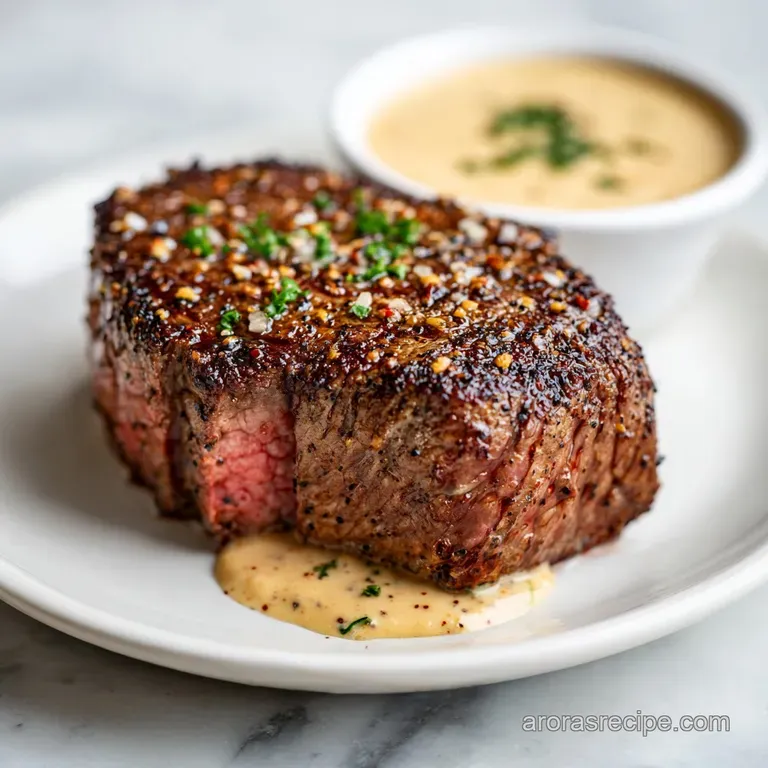
Prepare the base. In a non reactive glass or stainless steel mixing bowl, whisk together the 1 cup (240g) sour cream and 0.25 cup (60g) mayonnaise until the mixture is completely smooth and free of streaks.
Note: Starting with a smooth base ensures the seasonings distribute evenly later.
Drain the heat. Take your 0.5 cup (120g) prepared horseradish and press it gently against a fine mesh sieve to remove excess brine. Note: This prevents your finished sauce from becoming runny.
Incorporate the aromatics. Gently fold the drained prepared horseradish, 1 tbsp (15g) grated fresh root (if using), 1 tsp (5ml) apple cider vinegar, and 1 tsp (5ml) Worcestershire sauce into the cream base using a spatula.
Season the mixture. Sprinkle in the 0.5 tsp (3g) kosher salt and 0.25 tsp (1g) white pepper.
Add freshness. Toss in the 2 tbsp (6g) finely minced chives.
Fold gently. Use your spatula to combine the seasonings until the chives are evenly speckled throughout. Note: Do not over whisk at this stage or the sour cream may begin to thin out.
Cover tightly. Use plastic wrap or a tight fitting lid to seal the bowl. Note: This prevents the sauce from absorbing other "fridge smells" like onions or leftovers.
The crucial chill. Refrigerate the sauce for exactly 30 minutes. Wait until the flavors have melded and the texture has firmed up.
Final stir. Give the sauce one last gentle fold before serving to redistribute any settled oils.
Serve cold. Dish it out into a chilled serving bowl for the best experience.
Chef's Tip: If you want a "clearer" heat that hits the back of your throat faster, add the vinegar to the horseradish root and let it sit for 2 minutes before stirring it into the cream. This "shocks" the root and maximizes the spice.
Avoiding Common Mistakes With This Sauce
The Watery Sauce Problem
Sometimes you'll pull your sauce out of the fridge and notice a layer of liquid on top or that the whole thing has turned into a thin soup. This usually happens if you didn't drain the prepared horseradish well enough or if you used low-fat sour cream.
low-fat dairy doesn't have the structure to hold onto the added moisture from the vinegar and horseradish brine.
The Bitterness Trap
If your sauce tastes bitter instead of spicy, it's likely because your fresh horseradish root was old or you over processed it. When the root is exposed to air for too long, the spicy compounds oxidize and turn bitter. Always grate your fresh root last and fold it in immediately to keep the flavor bright and clean.
| Problem | Root Cause | Solution |
|---|---|---|
| Thin/Runny | Too much liquid in horseradish | Drain horseradish in a sieve before adding. |
| Dull Flavor | Old spices or root | Add a tiny pinch more salt and a drop of vinegar. |
| Grainy Texture | Improper whisking of base | Whisk sour cream and mayo until silky before adding solids. |
Common Mistakes Checklist
- ✓ Always use full fat dairy to ensure a velvety, stable emulsion.
- ✓ Never skip the 30 minute rest; it's the most important step for flavor.
- ✓ Pat the fresh chives completely dry after washing to avoid watery streaks.
- ✓ Use white pepper instead of black pepper to keep the sauce looking "restaurant style" clean.
- ✓ Avoid using a food processor; it can break down the dairy fats and make the sauce oily.
Creative Swaps For This Horseradish Recipe
If you are looking to change things up for a specific meal, this recipe is incredibly flexible. For those who want a meatier topping for their steak, my savory mushroom sauce is another great choice, but you can also tweak this horseradish version easily.
2 Flavor Twists
- The Smoky Heat: Add a half teaspoon of smoked paprika or a drop of liquid smoke. This makes the sauce incredible for smoked brisket or even on a burger.
- The Sweet Zing: Stir in a teaspoon of honey or maple syrup. The sweetness plays against the horseradish heat in a way that is perfect for roasted ham or pork tenderloin.
2 Diet Swaps
- dairy-free: Replace the sour cream and mayo with an almond based "sour cream" and vegan mayo. The texture will be slightly thinner, so add an extra tablespoon of horseradish to compensate for the flavor change.
- Keto Friendly: This recipe is already very low in carbs, but you can swap the apple cider vinegar for lemon juice and ensure your Worcestershire sauce is a sugar-free brand to keep the macros perfect.
Smart Scaling For Big Crowds
Cutting the Batch in Half
If you're just cooking for two, this recipe halves beautifully. Use 120g of sour cream and a couple of tablespoons of mayo. Since the quantities are smaller, you might find the heat more intense, so start with half the horseradish and taste as you go. You can always add more, but you can't take it out!
Doubling for the Holidays
When you're hosting a big family dinner, doubling this is a breeze. However, don't just double the salt and spices blindly. Start with 1.5 times the salt and Worcestershire, taste it, and then add the rest if needed. Flavors can amplify in large batches.
Also, give it an extra 15 minutes of rest time (45 minutes total) to ensure that larger volume of sauce is chilled all the way through.
Myths About Root Heat
One of the biggest misconceptions is that the "longer the sauce sits, the hotter it gets." In reality, horseradish heat is extremely volatile. After about 48 hours, the heat actually begins to dissipate as the volatile oils evaporate or break down.
That’s why we recommend a 30 minute rest for flavor melding, but don't expect it to get twice as spicy by day three.
Another myth is that the "brown spots" on the root are where the heat is. Actually, those spots are just oxidation or dirt. The heat is distributed throughout the white flesh of the root. If you see brown spots, peel them away! You want only the clean, white interior for a sauce that looks as good as it tastes.
Storage Tips For Long Lasting Freshness
Fridge Storage: Keep your horseradish sauce in an airtight glass jar for up to 2 weeks. Glass is better than plastic because it won't absorb the strong odor of the horseradish. If you notice any "weeping" (liquid separating), just give it a quick stir with a spoon before serving.
Freezer Warning: I do not recommend freezing this sauce. The emulsion of sour cream and mayonnaise will break when thawed, leaving you with a grainy, oily mess that won't regain its velvety texture no matter how much you whisk it.
Zero Waste Tip: If you have leftover sauce, don't throw it out! It makes a phenomenal base for a creamy salad dressing. Just whisk in a little olive oil and a bit more vinegar, and you've got a zesty dressing for a steak salad or even a hearty wedge salad with blue cheese.
You can also use the leftover fresh horseradish root by freezing it whole; it actually grates better when frozen and keeps its heat for months.
Hearty Serving Ideas For This Recipe
While prime rib is the obvious partner, this sauce is a total workhorse in a Midwestern kitchen. We love it dolloped onto a hot baked potato instead of plain sour cream. The heat from the potato actually releases a second wave of aroma from the horseradish that is absolutely intoxicating.
Try it as a dip for crispy roasted Brussels sprouts or even as a spread for a cold roast beef wrap. The creamy, sharp profile cuts through the earthiness of vegetables and the richness of cold meats perfectly. It's the kind of sauce that makes people ask, "What is in this?" because it tastes so much more complex than the sum of its parts. If you're looking for something more zest focused for seafood, you might want to try my zesty tataki sauce, but for anything involving beef or potatoes, this horseradish recipe is king.
Recipe FAQs
What is horseradish sauce made of?
It is a blend of sour cream, mayonnaise, prepared horseradish, and aromatics. Specifically, the recipe uses sour cream, mayo, prepared horseradish, optional fresh grated horseradish, apple cider vinegar, Worcestershire sauce, kosher salt, white pepper, and minced chives.
How do you make Bobby Flay's horseradish sauce?
Follow this specific preparation to achieve a restaurant quality finish. Whisk the sour cream and mayonnaise until smooth, gently fold in the horseradish, vinegar, and Worcestershire, then season with salt, white pepper, and chives before chilling for 30 minutes to stabilize the volatile oils.
Can horseradish help with sinus infections?
No, this is a common misconception. While the pungent heat of horseradish can cause a temporary, intense clearing sensation in your sinuses, it is not a medically recognized treatment or cure for an actual sinus infection.
How do you make horseradish sauce for prime rib?
Whisk the sour cream and mayonnaise together in a non-reactive bowl until completely smooth. Fold in the remaining ingredients, then cover and refrigerate for 30 minutes; if you enjoyed nailing this stable emulsion here, use the same gentle folding technique for other creamy condiments.
Can I freeze this horseradish sauce?
No, freezing will ruin the consistency. The emulsion formed by the sour cream and mayonnaise will inevitably break during the thawing process, resulting in a grainy, oily texture that cannot be repaired.
Why is my sauce separating in the fridge?
This "weeping" is natural and does not mean the sauce has spoiled. Simply give the mixture a quick stir with a spoon to reincorporate the ingredients before serving.
How long does this sauce stay fresh?
It will last for up to 2 weeks when stored in an airtight glass jar. Using glass is highly recommended because it prevents the intense aromatic oils of the horseradish from permeating the container.
Homemade Creamy Horseradish Sauce
Ingredients:
Instructions:
Nutrition Facts:
| Calories | 79 kcal |
|---|---|
| Protein | 0.7 g |
| Fat | 7.6 g |
| Carbs | 2.2 g |
| Fiber | 0.3 g |
| Sugar | 1.4 g |
| Sodium | 180 mg |
