A Lemon Cake to Die For: Moist and Zesty
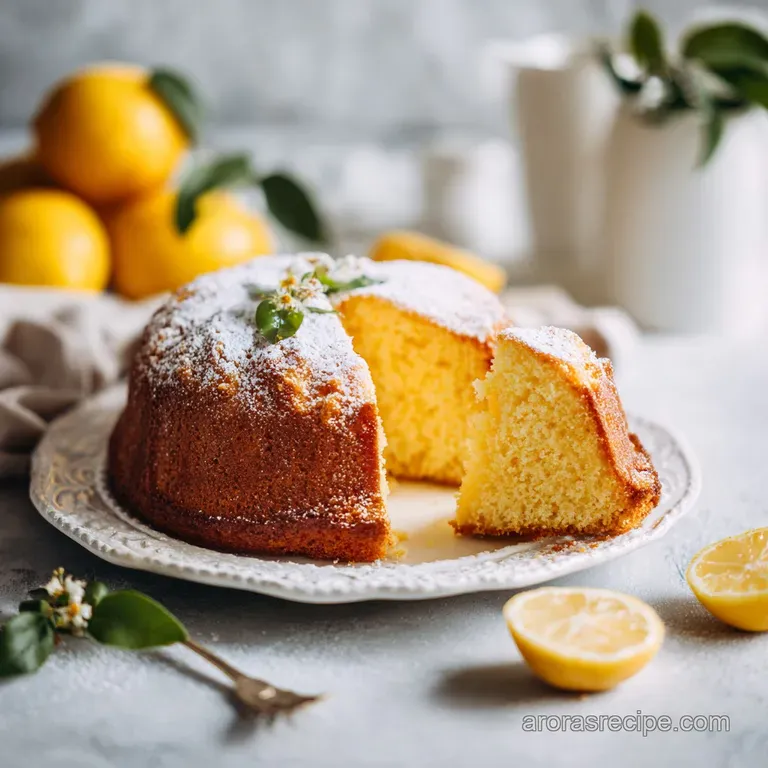
- The Secret Behind a lemon cake to die
- Recipe Specs
- Budget Friendly Ingredients for Your Pantry
- Essential Tools for Stress Free Baking
- Step by Step Homestyle Baking Process
- Common Baking Mistakes and Easy Fixes
- Smart Swaps for Every Home Kitchen
- Storing and Reheating for Later Enjoyment
- Best Ways to Serve Your Cake
- Debunking Common Baking Myths
- Recipe FAQs
- 📝 Recipe Card
The Secret Behind a lemon cake to die
The moment you pull this loaf from the oven, your kitchen fills with the brightest, most sunshine filled aroma imaginable. It isn't just the smell of baking bread or vanilla; it’s the sharp, clean scent of citrus oils hitting hot air. I remember the first time I made this for a neighborhood potluck back in Ohio.
I watched as three different people asked for the recipe before I’d even had a chance to set my purse down. There is something about the way the tart lemon syrup hits that warm, velvety crumb that makes people stop mid sentence.
We aren't talking about a dry, crumbly cake that needs a gallon of coffee to wash down. This is a hearty, homestyle bake that stays moist for days on the counter. The secret is all in the hero ingredient: fresh lemon zest. While many recipes rely on extracts or bottled juice, those are just shadows of the real thing.
By rubbing the zest directly into the granulated sugar, you’re performing a bit of kitchen magic, coaxing out every drop of oil from the peel so the flavor is baked right into the structure of the cake, not just sitting on top.
It’s the difference between a cake that tastes "yellow" and a lemon cake to die for.
You'll find that this recipe is incredibly forgiving, which is why it’s become my go to for everything from a quick Tuesday treat to a fancy feeling Galentines brunch. It’s got that classic Midwestern weight to it substantial, comforting, and honest.
We use sour cream for a richness that milk just can't match, and the double dose of lemon from both the syrup and the crackling glaze ensures every bite is zingy. This isn't just a dessert; it’s a bright spot on a rainy afternoon, and honestly, I’ve yet to meet a person who can stop at just one slice.
Recipe Specs
Before you start preheating, let's look at the basic blueprints for this bake. Knowing the "why" behind the numbers helps ensure your kitchen stays stress free and your results stay consistent every single time you reach for the flour.
- Mechanism: Lactic Acid Tenderization: The sour cream introduces lactic acid which weakens gluten bonds, resulting in a velvety, fine grained texture that resists becoming "bread like" or tough.
- Mechanism: Hygroscopic Moisture Retention: The lemon syrup soak creates a sugar barrier that traps water inside the crumb, preventing the cake from staling even after 48 hours.
- Mechanism: Citrus Oil Emulsification: Rubbing zest into sugar allows the abrasive crystals to rupture the zest's oil sacs, ensuring the citrus flavor is evenly distributed through the fat phases of the batter.
| Method | Time | Texture | Best For |
|---|---|---|---|
| Traditional Oven | 50 minutes | Deep golden crust, soft interior | Classic homestyle presentation |
| Convection Bake | 42 minutes | Thinner, crispier exterior | Those who like a "shatter" to the crust |
| Mini Loaf Pans | 25 minutes | More glaze to cake ratio | Gifting to neighbors or freezing portions |
Choosing your method depends entirely on how much of that "crackling" glaze you want in each bite. I personally stick to the traditional 9x5 inch loaf pan because it gives you those thick, hearty slices that look so beautiful on a plate.
If you’re in a rush, the mini loaves are a great shortcut, but keep a close eye on them so they don't dry out.
Budget Friendly Ingredients for Your Pantry
When you're looking to make a lemon cake to die for, you don't need to spend a fortune on specialty flours or imported fats. This is a budget smart recipe that relies on kitchen staples you likely already have.
The real trick is knowing where to spend your pennies and where you can save them without losing that homestyle quality.
| Ingredient | Science Role | Pro Secret |
|---|---|---|
| Unsalted Butter | Fat & Air Carrier | Use room temp (65°F) to trap maximum air bubbles. |
| Full fat Sour Cream | Moisture & Acid | Don't use low-fat; the fat content is vital for the crumb. |
| Fresh Lemon Zest | Primary Flavor | Zest the lemon directly over the sugar to catch every drop of oil. |
| Large Eggs | Structure & Emulsion | Ensure they are room temp so they don't curdle the butter. |
If you’re watching your grocery bill, you can often find store brand sour cream and butter that work just as well as the name brands. The only place I tell my friends not to skimp is on the lemons themselves. Fresh is non negotiable here.
Bottled juice has a metallic aftertaste that will ruin the bright profile of this cake to die for.
| Original Ingredient | Substitute | Why It Works |
|---|---|---|
| Full fat Sour Cream | Plain Greek Yogurt | Similar acidity and fat. Note: Crumb may be slightly tangier. |
| Unsalted Butter | Salted Butter | Adds a savory note. Note: Omit the 0.5 tsp salt from the recipe. |
| All Purpose Flour | Cake Flour | Lower protein content. Note: Results in an even softer, lighter texture. |
Using Greek yogurt is a fantastic way to save a trip to the store if you already have it in the fridge for breakfast. Just make sure it’s plain and not vanilla flavored, or you’ll end up with a confusing flavor profile.
Essential Tools for Stress Free Baking
You don't need a kitchen full of gadgets to pull this off. I’m a big believer that simple tools produce the most hearty results. A solid loaf pan is your best friend here I prefer a heavy duty light colored metal pan because it prevents the edges from over browning before the middle is set.
- 9x5 inch Loaf Pan: The standard size for this volume of batter.
- Microplane or Fine Grater: For getting that zest perfectly fine without the bitter white pith.
- Electric Hand Mixer: A KitchenAid or similar brand makes the 3 5 minute creaming process much easier on your arms.
- Sifter or Fine Mesh Strainer: Crucial for a smooth, lump free batter.
Chef's Tip: If you don't have a sifter, use a whisk to vigorously stir your dry ingredients for 60 seconds. It mimics the aeration of sifting and breaks up any clumps of baking powder that might cause uneven rising.
step-by-step Homestyle Baking Process

Let's get into the heart of it. Follow these steps exactly, and you'll have a lemon cake to die for sitting on your counter in just over an hour.
- Preheat and Prep: Set your oven to 350°F (175°C). Grease your 9x5 inch loaf pan thoroughly with butter or a non stick spray. In a medium bowl, combine 1.5 cups granulated sugar and 2 tablespoons fresh lemon zest. Use your fingertips to rub them together for about 2 minutes until the sugar is fragrant and looks like damp sand.
- Cream the Base: Add 1 cup of softened unsalted butter to the lemon sugar. Beat on medium high speed for 3–5 minutes. You are looking for the mixture to turn pale, light, and doubled in volume. Note: This step creates the air pockets that the baking powder will later expand.
- Add the Proteins: Incorporate 4 large room temperature eggs one at a time. Beat well after each addition to ensure the emulsion doesn't break. Stir in 1 teaspoon of pure vanilla extract until just combined.
- Prepare Dry Ingredients: Sift together 1.5 cups all purpose flour, 1 teaspoon baking powder, and 0.5 teaspoon fine sea salt. This ensures you won't have any salty or bitter pockets in your cake.
- The Alternating Method: Add about one third of the dry ingredients to the butter mixture, then half of the 0.5 cup sour cream. Repeat, ending with the dry ingredients. Mix on low until no streaks of flour remain.
- Bake to Golden: Pour the thick batter into your prepared pan. Bake for 50 minutes. You’ll know it’s done when a skewer inserted into the center comes out clean and the top is golden brown.
- The First Infusion: While the cake is in the oven, simmer 0.33 cup fresh lemon juice and 0.33 cup granulated sugar in a small saucepan over low heat. Stir until the sugar is completely dissolved.
- The Soak: While the cake is still warm from the oven, poke holes all over the top with a skewer. Slowly pour the lemon syrup over the top, letting it soak deep into the crumb.
- The Final Glaze: Once the cake is completely cool, whisk together 1 cup sifted confectioners' sugar and 2.5 tablespoons fresh lemon juice. Pour it over the cake until it drips down the sides in thick ribbons.
Common Baking Mistakes and Easy Fixes
Even the most seasoned home cook can run into a snag. Baking is a science, but it’s a science with a heart. If your cake doesn't look like the pictures, don't worry most issues are easy to fix for the next batch.
Why Your Cake Sunk in the Middle
This is usually caused by one of two things: opening the oven door too early or over creaming the butter and sugar. When you beat too much air into the batter, it rises rapidly and then collapses because the structure isn't strong enough to hold it.
Try to keep that oven door shut for at least the first 40 minutes!
To Avoid a Dry, Dense Loaf
If your cake feels like a brick, you might have over mixed the flour. Once the flour hits the wet ingredients, gluten starts to develop. If you mix too long, that gluten becomes tough. Also, check your oven temperature; sometimes ovens run hot, drying out the cake before the 50 minutes are up.
| Problem | Root Cause | Solution |
|---|---|---|
| Greasy bottom | Butter was too soft/melted | Use cool room temp butter (65°F). |
| Cracked top | Oven was too hot | Use an oven thermometer to verify 350°F. |
| Glaze disappears | Cake was too warm | Wait for the cake to be 100% cool before glazing. |
- ✓ Always use room temperature eggs to prevent the batter from curdling.
- ✓ Sift your confectioners' sugar for the glaze to avoid white lumps.
- ✓ Zest your lemons before juicing them it’s nearly impossible to zest a squeezed lemon!
- ✓ Let the syrup simmer just until clear; don't boil it into a thick caramel.
- ✓ Tap the loaf pan on the counter three times before baking to release large air bubbles.
Smart Swaps for Every Home Kitchen
While this recipe is a lemon cake to die for in its original form, you can definitely play around with it. If you’re a fan of different textures, you might want to try adding a tablespoon of poppy seeds to the batter. They add a delightful little crunch that feels very "fancy tea room" without the high price tag.
If you are looking for a shortcut, you could technically use a boxed mix, but the texture won't be as hearty. For those times when you're in a real pinch, check out my tips for making a lemon cake recipe with cake mix taste more like homemade by adding an extra egg and swapping the water for milk. It’s a great trick for a busy weeknight.
| Feature | Fresh From Scratch | Boxed Mix Shortcut |
|---|---|---|
| Texture | Dense, velvety, buttery | Light, airy, spongy |
| Flavor | Deep, natural citrus | Mild, often artificial |
| Shelf Life | 4-5 days (moist) | 2-3 days (dries faster) |
Storing and Reheating for Later Enjoyment
This is one of those rare cakes that actually tastes better the second day. As it sits, the lemon syrup continues to migrate through the crumb, making it even more flavorful. I usually keep mine in an airtight container or a cake dome on the counter for up to 3 days.
If you want to keep it longer, you can store it in the fridge for up to a week. Just be aware that the cold can make the butter in the cake firm up, so it might feel a bit denser. I like to pop a slice in the microwave for about 10 seconds to bring back that "just baked" softness.
For long term storage, this cake freezes beautifully. Wrap the unglazed loaf tightly in plastic wrap and then foil; it will stay fresh for up to 3 months.
Don't let those lemon peels go to waste! After you've zested and juiced them, throw the rinds into a pot of simmering water with a stick of cinnamon for a natural kitchen air freshener. It’s a great zero waste way to get every bit of value out of your ingredients.
Best Ways to Serve Your Cake
A thick slice of this lemon cake is a dream on its own, but you can definitely jazz it up. In the summer, I love serving it with a big spoonful of macerated strawberries. The red juice looks beautiful against the yellow cake. If you're feeling extra indulgent, a dollop of whipped cream or even a spoonful of homemade lemon curd can take this to a whole new level.
For a mid winter treat, try serving it slightly warm with a cup of Earl Grey tea. The bergamot in the tea complements the fresh lemon in the cake perfectly. It’s a simple, stress free way to make a rainy afternoon feel like a special occasion. If you enjoy this flavor profile, you might also love my sweet peach cake for a different take on fruit forward baking.
- If you want a crunchier crust, sprinkle a tablespoon of coarse sanding sugar over the batter just before it goes into the oven.
- If you want a sharper tang, add an extra teaspoon of lemon zest to the final glaze.
- If you want a dessert for a crowd, bake this in a square 8x8 pan and cut it into small, zesty "lemon brownies."
Debunking Common Baking Myths
One big myth is that adding more lemon juice to the batter will make it more lemony. In reality, too much liquid acid can interfere with the baking powder, leaving you with a flat, gummy mess. The flavor actually comes from the zest and the syrup soak, not the batter juice!
Another thing I hear a lot is that you must use expensive European style butter for a good cake. While that butter is lovely, standard American unsalted butter works perfectly for this homestyle loaf. The sour cream provides plenty of rich fat, so there’s no need to break the bank on the butter aisle.
Finally, don't believe the myth that you can't over cream butter and sugar. If you go much past 5 minutes, you can actually break the air bubbles you've worked so hard to create. Stick to the 3-5 minute rule for that "to die for" texture every time.

Recipe FAQs
How to get the most flavor out of the lemon zest?
Rub the zest into the granulated sugar with your fingertips for two minutes. This process releases the citrus oils directly into the sugar, ensuring every part of the cake is infused with bright, aromatic lemon flavor.
Why is it necessary to beat the butter and sugar for 3 5 minutes?
This step builds the cake's structure by incorporating air into the fat. If you enjoyed mastering this creaming technique here, you can apply the same principle to our vanilla cake recipe to achieve a similarly light, professional crumb.
Is it true that I should skip the syrup step if I want a firmer cake?
No, this is a common misconception. The lemon syrup is essential for keeping the crumb moist and ensuring the signature zesty punch, and skipping it will result in a dry, lackluster sponge.
How to ensure the cake does not stick to the loaf pan?
Grease the 9x5 inch pan thoroughly with butter or non-stick spray before adding the batter. Ensuring complete coverage of the pan's corners and sides is the best way to guarantee a clean release after baking.
How to check if the lemon cake is finished baking?
Insert a skewer into the center of the loaf after 50 minutes. The cake is ready to come out of the 350°F oven as soon as the skewer comes out clean without any wet batter attached.
How to store leftovers to maintain freshness?
Keep the cake in an airtight container or under a cake dome on the counter for up to three days. If you prefer to refrigerate it for up to a week, simply microwave a slice for 10 seconds to soften the butter and restore the texture.
Is it okay to add baking soda for a better rise?
No, stick to the provided ingredients. This recipe is specifically balanced with baking powder to interact with the acidity of the sour cream and lemon juice; adding extra leavening can negatively impact the final structure.
Moist Lemon Cake Loaf

Ingredients:
Instructions:
Nutrition Facts:
| Calories | 396 kcal |
|---|---|
| Protein | 4.1 g |
| Fat | 18.9 g |
| Carbs | 54.1 g |
| Fiber | 0.4 g |
| Sugar | 40.5 g |
| Sodium | 113 mg |
