Sugar Cookies: the Non-Spreading Vanilla Biscuit
- Crafting the Perfect Blank Canvas: An Introduction to Non-Spreading Biscuits
- The Science Behind Zero Spread: Mastering Structure and Crumb
- Essential Pantry Checklist: Detailed Notes for the Best Sugar Biscuit Base
- Precision Baking: Method for Flawless Cut-Out Sugar Cookies
- Chef Simon’s Troubleshooting Desk: Rescuing Sticky or Crumbly Dough
- Practical Guide to Preparation: Freezing and Storage Options
- Finishing Touches: Pairings and Presentation
- Recipe FAQs: The Perfect Sugar Cookie
- 📝 Recipe Card
Crafting the Perfect Blank Canvas: An Introduction to Non-Spreading Biscuits
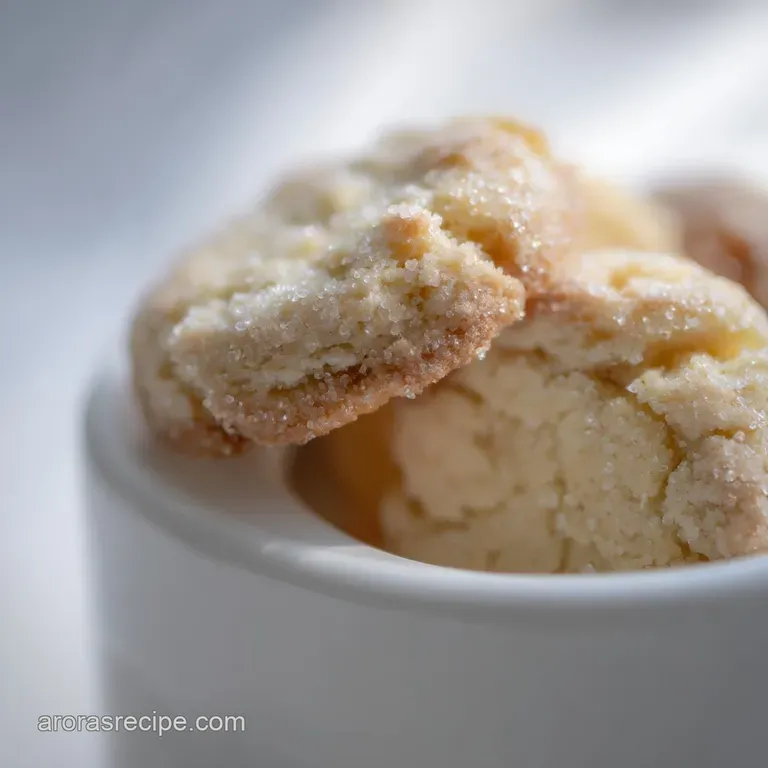
Oh, my goodness, the smell alone. When you pull a fresh tray of perfect vanilla Sugar Cookies out of the oven, that rich, sweet aroma just fills the whole house, instantly teleporting you back to childhood Christmases or birthday parties.
It’s that buttery, sweet scent the very definition of comfort food. This recipe delivers the classic tender bite and crisp edge you crave.
I know what you're thinking: Sugar Cookies are tricky because they spread and turn into shapeless blobs. Trust me, I have been there too. But once you master this specific technique, it’s a lifesaver!
The ingredients are cheap, the process is straightforward, and the resulting biscuit holds its shape like a champion. No more disappointment when your painstakingly cut reindeer turns into a lump of landmass.
This isn't just about mixing flour and sugar; this is about structure. We are going to dive into the science of non-spreading dough so you can make immaculate, flawless Sugar Cookies every single time, ready for your most intricate decorating plans. Let’s get these baking sheets prepped!
Why 'Hold Their-Shape' Cookies are the Baker’s Holy Grail
If you plan on using royal icing or just want that sharp, perfect edge, spread is the enemy. Standard cookie recipes are designed for chewiness, which usually involves higher moisture and more leavening agents.
This particular sugar cookies recipe prioritizes structure above all else, ensuring that the dough stays put during the baking process.
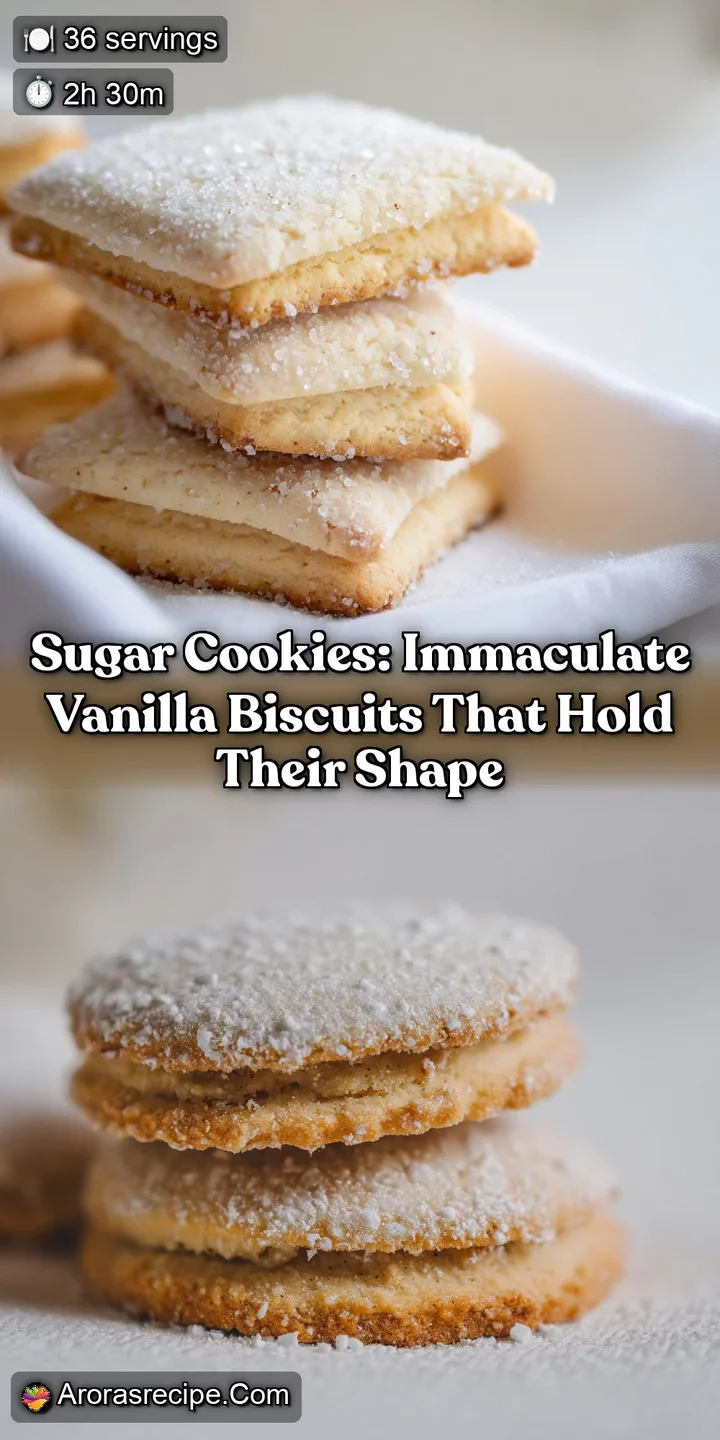
This precision is key for intricate holiday baking. You need to know that your delicate snowflake cutter or specific letter shape will emerge from the oven looking exactly like it did when you cut it. That predictable shape is why these non-spreading biscuits are the baker's holy grail.
We achieve this with two simple tricks: minimal baking powder and mandatory chilling.
Quick Glance: Prep Time, Bake Time, and Yield Estimates
| Stage | Estimate |
|---|---|
| Prep Time (Active mixing) | 15 minutes |
| Chilling Time (Passive) | 1 hour 30 minutes (minimum) |
| Cook Time (Per batch) | 10 – 12 minutes |
| Total Time (Excluding decoration) | Approx. 2 hours 30 minutes |
| Yield | Approx. 36 medium (2.5 3 inch) Sugar Cookies |
Essential Equipment for Immaculate Cut-Outs
You don't need a professional kitchen, but a few tools genuinely make making cut-out Sugar Cookies easier. A stand mixer is helpful for proper creaming, but a good hand mixer will absolutely do the job, provided you give it enough time to fully incorporate the butter and sugar.
The real non-negotiables are quality parchment paper and a good rolling pin. Do not skip the parchment paper. Rolling the dough between two sheets saves you from adding excess flour, which is the quickest way to end up with dry, brittle biscuits instead of soft sugar cookies .
The Science Behind Zero Spread: Mastering Structure and Crumb
The magic of these specific Sugar Cookies lies in minimizing the conditions that cause fat to melt too quickly, and managing gluten development. When butter melts fast, the cookie collapses and spreads before the flour structure has a chance to set.
Our technique focuses on keeping the dough cold right up until it hits the hot oven.
We use just half a teaspoon of baking powder, which is tiny compared to most recipes. This small amount gives a necessary, slight lift, but it prevents the rapid puff and collapse that often happens when you use too much leavening.
This deliberate reduction guarantees a flat surface, which is absolutely mandatory if you plan on applying smooth royal icing for decorated sugar cookies .
Essential Pantry Checklist: Detailed Notes for the Best Sugar Biscuit Base
Every ingredient here serves a purpose, and temperature matters profoundly.
| Ingredient | Role in Dough | The Essential Substitution |
|---|---|---|
| Unsalted Butter | Flavour, tenderness, and structure. Must be truly soft, not melted. | Use European style high fat vegan butter or plant based baking sticks. |
| Granulated Sugar | Sweetness, but more importantly, it creates air pockets when creamed. | Caster sugar works well; brown sugar will add moisture and cause spread. |
| Large Egg | Binding and richness. Must be room temperature for smooth incorporation. | For a truly egg-free version, use a flax egg (1 tbsp ground flax + 3 tbsp water, rested 5 mins). |
| All-Purpose Flour | Structure and body. Spooned and leveled is essential. | 1:1 gluten-free Blend with Xanthan Gum (handle gently). |
| Vanilla Extract | Flavour foundation. | Almond or lemon extract for variation. |
| Baking Powder | Minimal rise (structure support). | Must be used; there is no substitute for its specific role here. |
Controlling Glide: The Role of Cold Butter and Higher Protein Flour
Listen up, if you mix your butter cold, the finished Sugar Cookies will taste terrible, but if you mix them too warm, they’ll spread. We cream the butter when it is perfectly softened (about 68°F/20°C). This allows maximum air incorporation.
However, once mixed, the whole goal is to keep the dough absolutely freezing until it hits the heat. The cold fat resists melting for the first few critical minutes, locking the structure in place.
Why Less Baking Powder Guarantees a Flat Surface
Baking powder is a leavening agent; it creates gas bubbles. When you overdo it, the cookies rise too much, and then, as the gas escapes, they collapse slightly, leading to domed tops or cracked surfaces.
To make beautiful, flat decorated sugar cookies , we are deliberately using a very small amount to ensure minimal vertical movement. This little half teaspoon is just enough to prevent the cookies from being too dense.
Achieving That Signature Tender Bite
This signature texture comes from balancing the fat and the flour, and crucially, managing how much we mix the dough. The moment you add the flour, you are developing gluten, which is what makes things chewy or tough. We mix the flour just until combined literally 30 seconds on the lowest speed.
Stop mixing immediately when the last streaks of white flour disappear. This guarantees the tender, melt-in-your mouth experience that the best soft sugar cookies should have.
Creaming Butter and Sugar: Temperature Matters for Consistency
Creaming is more than just mixing; it’s aeration. You want the butter and sugar to beat together until they look almost white and are incredibly fluffy, maybe 3- 4 minutes on medium speed.
This step incorporates air, which helps the cookies rise slightly and contributes to that tender crumb. If your butter is too cold, the sugar crystals will just cut through the butter without trapping air. If the mixture looks grainy, you need to keep creaming until it’s light and voluminous.
Flour Variations: Can I Use Self Raising? (Answer: No)
Absolutely not. Self raising flour contains both salt and a significant amount of leavening, far more than this delicate recipe needs. If you use self raising flour, you will end up with puffy, spreading, chewy lumps, not the beautiful flat base required for proper Sugar Cookies intended for decoration.
Stick to standard all-purpose flour and measure the baking powder precisely.
Elevating Flavour: Extract Pairings Beyond Vanilla
While vanilla is the classic base for these easy sugar cookies , you can easily switch things up. I love replacing half the vanilla with almond extract for that distinct marzipan taste it pairs wonderfully with festive colours, making them ideal Christmas Sugar Cookies .
Alternatively, a teaspoon of high-quality lemon extract or even a tiny splash of food grade peppermint oil works magic, especially during the holidays. Don't be afraid to experiment, but remember: extracts are potent, so start small.
Precision Baking: Method for Flawless Cut-Out Sugar Cookies
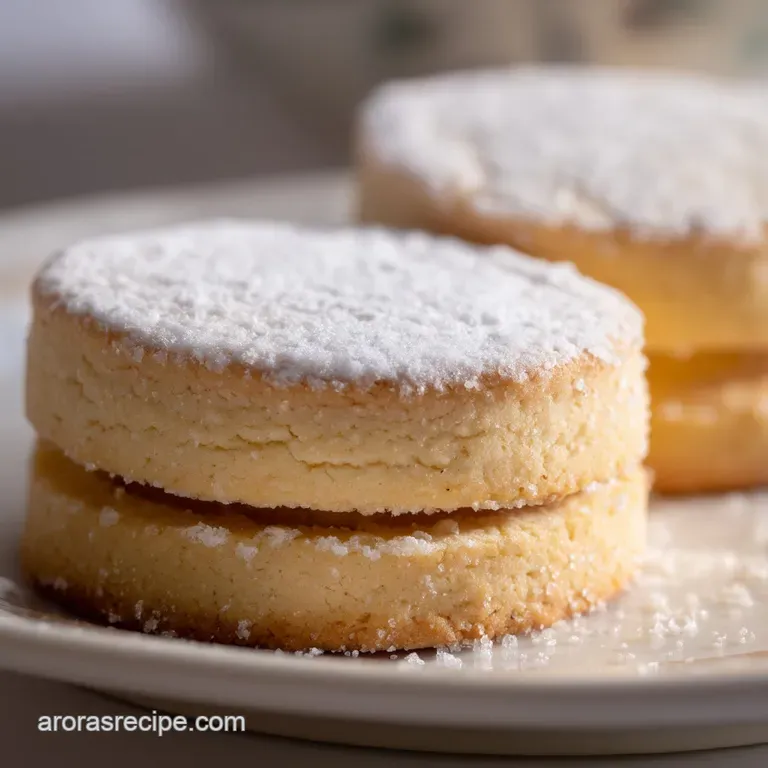
We are moving past amateur mistakes and into expert territory now. Follow these steps meticulously to get perfectly shaped Sugar Cookies .
The Reverse Creaming Method for Superior Dough Handling
Although the main recipe uses the standard creaming method (butter, then sugar, then wet, then dry), the Reverse Creaming Method is an alternative that serious decorators swear by for the ultimate zero spread result.
It involves combining the flour and fat first, coating the flour molecules in fat before adding any liquid. This physically slows down gluten formation when the egg and vanilla are added, resulting in a more tender, less prone-to-spreading dough. Give it a try if you find your dough often gets tough!
The Double Chill Strategy: Preventing Spread Before the Oven
Chilling the dough after mixing (Phase 1) is non-negotiable it firms up the butter so the dough is easy to roll. But the Double Chill is the true secret weapon for flawless cut-outs.
Chef’s Note: Once you have cut out your shapes and transferred them to the baking sheet, place the entire sheet into the freezer for 10 to 15 minutes. This step is critical.
The cut shapes freeze solid, meaning when they hit the oven, the fat has zero chance of melting and spreading before the flour structure is permanently baked in place. You get razor sharp edges every time, resulting in picture perfect decorated sugar cookies .
Rolling Thickness and Why Consistency is Key
The optimal thickness for these Sugar Cookies is exactly ¼ inch (6 mm). Any thinner and they will be too crisp and prone to breaking when handled or iced. Any thicker, and they might bake unevenly, with the edges crisping before the centre is done.
Use rolling pin guides or two pieces of wooden dowel rod taped to your work surface as rails. Rolling between parchment ensures you get that consistent thickness without adding extra flour.
How to Know When Your Cookies Are Perfectly Baked (No Golden Edges Required)
Unlike Chocolate Chip Cookies: Chewy Brown Butter Perfection , these vanilla biscuits should remain pale. You are not looking for golden edges; you are looking for the point where the edges look dry, set, and slightly matte.
This usually happens between 10 and 12 minutes at 350°F (175°C). The centres might look marginally softer, but they will finish setting on the cooling rack. If you wait until they are golden brown, they will be overbaked and dry.
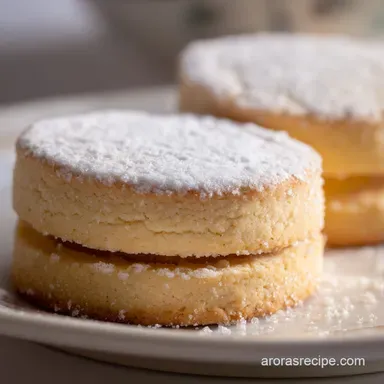
Pull them out when they are just set, looking like soft white clouds.
Chef Simon’s Troubleshooting Desk: Rescuing Sticky or Crumbly Dough
We all have days where the dough just refuses to cooperate. Maybe the kitchen was too hot, or you accidentally used too much liquid.
Adjusting Hydration: What to Do If the Dough is Too Wet
If your dough is impossibly sticky after the initial mix and chilling, it means either your butter was too warm or you added a touch too much liquid. The fix is simple: add one tablespoon of flour at a time until the dough is manageable. Do this by hand, kneading gently.
Do not put it back in the mixer, or you will develop too much gluten. Once it feels firm enough to roll without sticking to your fingers, re-wrap it and chill it for another 30 minutes.
Reconstituting Dry Dough Without Overworking the Gluten
If your dough is crumbling, cracking, and refusing to come together (often because you added too much flour or mixed too long), you need to reintroduce fat and moisture. Add half a teaspoon of softened butter or milk at a time. Work it in gently with your hands, pressing the dough until it just holds together.
A small amount of liquid or fat will bind the dry flour particles, bringing your beautiful dough back to life, perfect for stamping out beautiful Sugar Cookies .
Practical Guide to Preparation: Freezing and Storage Options
These Sugar Cookies are excellent for making ahead, which is essential if you are tackling a huge batch of Christmas Sugar Cookies or preparing for a big event.
Making Ahead: Storing Unbaked Dough vs. Cut-Out Shapes
Unbaked dough keeps beautifully in the fridge. Tightly wrapped discs of dough can last up to 5 days. Even better, you can freeze the dough for up to 3 months. Thaw frozen dough overnight in the refrigerator before rolling.
You can also freeze the cut-out shapes! After the Double Chill step (where they firm up on the tray), you can stack them between parchment layers in an airtight container. Bake them straight from the freezer, adding 2– 3 minutes to the total baking time.
This is a game changer for spontaneous baking!
How to Keep Baked Biscuits Fresh for Longer
Once completely cooled, store the plain baked Sugar Cookies in an airtight container at room temperature for up to one week. To maintain maximum tenderness, you can add a small slice of bread into the container. The cookies will absorb the moisture from the bread, keeping them incredibly soft.
Just remember to change the slice of bread every few days!
Best Practice for Freezing and Thawing Decorated Cookies
If you’ve taken the time to create stunning decorated sugar cookies (especially those utilizing royal icing), you absolutely can freeze them. Wait until the royal icing is 100% dry (this usually takes 24 hours). Layer them carefully in an airtight container.
When thawing, do not open the container until the cookies have reached room temperature. Opening the container prematurely exposes the cookies to condensation, which can ruin the delicate icing colours and texture.
The Essential Royal Icing Recipe Companion (Brief mention)
These structured biscuits are the perfect base for royal icing. While a full recipe is too long for this post, just know that when you mix sifted powdered sugar, meringue powder, and water, you get the shiny, hard shell needed for intricate piping work.
Because these soft sugar cookies maintain their shape and have flat surfaces, they are the ideal vehicle for any fancy icing work you want to attempt. I highly recommend checking out my tips for making sure your royal icing doesn't bleed!
Finishing Touches: Pairings and Presentation
These simple vanilla Sugar Cookies are truly a blank slate. They’re excellent plain, but pairing them elevates the experience. If you’re hosting, try serving them alongside a slightly tart dessert, like a lemon curd or a dark berry compote.
For a delicious, slightly different cookie pairing, you could also serve these cut-outs alongside something chewier, perhaps my recipe for Snickerdoodle Cookies: Soft, Chewy Tangy Recipe . The cinnamon sugar crunch provides a lovely contrast to the pure vanilla flavour profile of these biscuits.
These easy sugar cookies are the reliable workhorse of any good home bakery. Master the chill, manage the mix, and you will never fear the spreading cookie again. Happy baking, friends! Now go forth and create some beautiful, structural Sugar Cookies .
Recipe FAQs: The Perfect Sugar Cookie
Why did my cut-out cookies spread and lose their shape during baking?
Excessive spreading is typically caused by butter that is too warm, or an incorrect ratio of flour to fat. Ensure you measure the flour accurately using the spoon and level method, and always bake the cookies directly from the refrigerator to keep the butter firm.
My cookies came out tough and dry instead of tender and buttery. What went wrong?
The main culprit for tough cookies is overworking the dough, which encourages excessive gluten development after the flour has been added. Mix the dough only until the dry ingredients are just incorporated, and avoid adding large amounts of extra flour when rolling.
Is the dough chilling step truly necessary for these cut-out cookies?
Yes, chilling is non-negotiable for this type of cookie, especially if you plan to decorate. Chilling the dough solidifies the butter, which is the essential mechanism that prevents the cookies from spreading and ensures they hold their crisp, defined edges during baking.
Can I use a gluten-free flour blend for this recipe?
You can successfully substitute 1:1 gluten-free baking blends that contain xanthan gum for the all-purpose flour. Note that GF doughs can sometimes be slightly stickier or more crumbly, so ensure you handle it gently and chill it for at least 45 minutes before rolling.
How far in advance can I prepare the dough or store the finished cookies?
The raw cookie dough can be tightly wrapped and refrigerated for up to 5 days, or frozen for up to 3 months. Baked, un-iced cookies stay fresh in an airtight container at room temperature for approximately one week, though flavor is best within the first three days.
How can I adjust the recipe for different flavor profiles (e.g., lemon or almond)?
You can easily substitute the vanilla extract with an equal amount of almond, lemon, or peppermint extract for an instant flavor transformation. For a brighter citrus flavor, add the finely grated zest of one lemon or orange to the butter and sugar during the creaming stage.
My cookies are browning too quickly on the edges before the center is set. What should I do?
This often indicates uneven oven temperature or the use of dark metal baking sheets, which absorb and retain more heat. Try lowering the oven temperature by 15-20 degrees F and increasing the bake time slightly, or switch to light colored, reflective aluminum sheets to prevent scorching.
Perfect Cut Out Sugar Cookies
Ingredients:
Instructions:
Nutrition Facts:
| Calories | 107 kcal |
|---|---|
| Protein | 1.0 g |
| Fat | 5.0 g |
| Carbs | 14.0 g |
