Rich Thai Coconut Curry Chicken: No More Watery Sauce
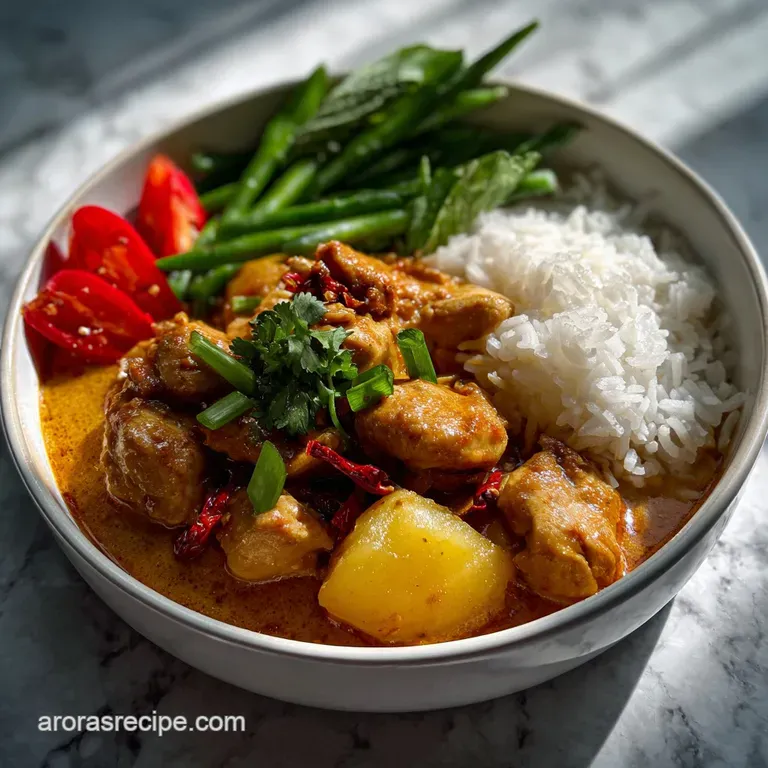
- Effort/Time: 40 minutes total / Low-complexity, one-pot process
- Flavor Hook: Creamy, salt-sweet-funk balance with a citrus-heavy finish
- Perfect for: High-protein meal-prep or a comfort-focused weeknight dinner
- The Ultimate Thai Coconut Curry Chicken: A One-Pot Wonder
- Why This Thai Coconut Curry Chicken Works: The Science of Flavor
- The Science Behind [Boneless Chicken Thighs]
- The Science Behind [Full-Fat Coconut Milk]
- The Science Behind [Fresh Lemongrass]
- Essential Ingredients and Easy Substitutions
- Step-by-Step Instructions for Thai Coconut Curry Chicken
- Expert Tips and Common Mistakes to Avoid
- Common Myths
- Storage and Freezing Guidelines
- Creative Serving Suggestions
- Recipe FAQs
- 📝 Recipe Card
The Ultimate Thai Coconut Curry Chicken: A One-Pot Wonder
The scent of searing chicken hitting a Lodge Enameled Cast Iron Dutch Oven is the universal signal for a good meal, but nothing kills the mood like a thin, grey, flavorless curry.
We’ve all been there: you follow a recipe, but the result tastes like coconut flavored water instead of the velvety thai coconut curry chicken you crave from your favorite local spot.
The problem isn't your skills; it's usually a failure to "bloom" the spices or a misunderstanding of how coconut fats interact with heat.
I spent months trying to replicate that specific "shatter" of flavor where the heat hits first, followed by the cooling creaminess of the milk. My first few attempts were bland because I was afraid of high heat, resulting in boiled chicken rather than seared, succulent thighs.
This thai coconut curry chicken recipe fixes that by focusing on the Maillard reaction and the science of fat-soluble flavor extraction.
By the time you finish this Masterclass, you'll understand why searing your 1.5 lbs of boneless chicken thighs to a golden brown is non-negotiable for umami development. We are going to build layers of flavor, starting with the "crack" of the curry paste and ending with the bright, volatile oils of fresh lime and Thai basil.
Let's crack on and fix your curry game forever.
Why This Thai Coconut Curry Chicken Works: The Science of Flavor
- Fat-Soluble Extraction: Frying Thai Kitchen Red Curry Paste in oil releases capsaicin and essential oils that remain trapped if merely boiled in liquid.
- Protein Denaturation Control: Searing chicken at high heat creates a protective crust via the Maillard reaction, keeping the interior moisture rich during the simmer.
- Emulsification Stability: Using full fat coconut milk provides the necessary surfactants (proteins) to bind the fat and chicken broth into a cohesive, velvety sauce.
- Volatile Compound Preservation: Adding lime juice and cilantro at the very end prevents the heat from evaporating the delicate citrus and herbal aromatic molecules.
Authentic Central Thai Flavors at Home
To achieve the profile of a professional thai coconut curry chicken, you must balance the four pillars of Thai cuisine: salty, sweet, sour, and spicy. This recipe uses Red Boat Fish Sauce for salt and depth, Wholesome Organic Brown Sugar for sweetness, and fresh lime for acidity.
This trifecta creates a complex flavor bridge that standard salt and pepper simply cannot provide.
Balancing Heat, Creaminess, and Acidity
The 13.5 oz of full fat coconut milk acts as a thermal buffer, coating the palate to mitigate the sharp heat of the curry paste. If you find your thai coconut curry chicken recipe feels "heavy," it's usually a lack of acidity.
The 1 tbsp of fresh lime juice acts as a molecular "scissor," cutting through the dense fats and brightening the entire dish.
The Benefits of One-Pot Cooking
Cooking this thai coconut curry chicken in a single vessel like a Le Creuset Braiser isn't just about cleaning up; it's about flavor retention. The "fond" (browned bits) left behind by the 1.5 lbs of chicken thighs is deglazed by the coconut milk, ensuring every molecule of caramelized protein is integrated back into your sauce.
The Science Behind [Boneless Chicken Thighs]
- What They Do
- Provide the structural protein and primary savory base of the dish.
- The Chemistry
- Chicken thighs contain more connective tissue and myoglobin than breasts; heat triggers collagen breakdown into gelatin, creating a succulent mouthfeel.
- Why This Matters
- This prevents the meat from turning "stringy" or dry during the 25 minutes of cooking, ensuring every bite is velvety.
The Science Behind [Full Fat Coconut Milk]
- What It Does
- Acts as the primary liquid medium and fat source for emulsification.
- The Chemistry
- It contains lauric acid, a medium chain fatty acid that provides a rich texture and stable emulsion when combined with the proteins in the chicken broth.
- Why This Matters
- This ensures the sauce remains thick and glossy instead of separating into a greasy mess on your plate.
The Science Behind [Fresh Lemongrass]
- What It Does
- Infuses the sauce with high frequency citrus notes and woody depth.
- The Chemistry
- Bruising the stalk breaks the cellular walls to release citral and geraniol, volatile oils that provide the signature "Thai" aroma.
- Why This Matters
- It adds a layer of olfactory complexity that elevates this from a simple stew to a restaurant quality thai coconut curry chicken.
Essential Ingredients and Easy Substitutions
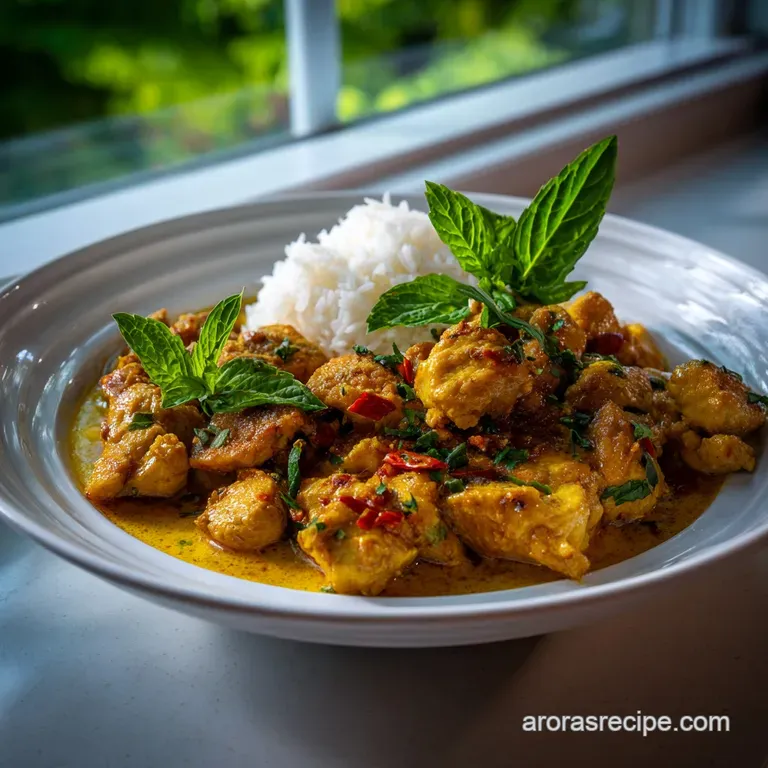
| Original Ingredient | Substitute | Why It Works |
|---|---|---|
| 1.5 lbs Chicken Thighs | Firm Tofu (pressed) | Absorbs sauce well; provides plant based protein density. Note: Outcome is softer/less savory. |
| 1 tbsp Fish Sauce | Soy Sauce + 1 tsp Lime | Replicates salt and acidity but lacks the deep "funk" and fermented umami profile. |
| 1 can Coconut Milk | Cashew Cream | High fat content provides similar viscosity without the distinct tropical coconut flavor. |
| 1 stalk Lemongrass | 1 tsp Lemon Zest | Provides the necessary citral oils, though it lacks the earthy, woody undertones of the stalk. |
Selecting the Best Chicken Thighs and Aromatics
For the best thai coconut curry chicken, use air-chilled chicken thighs. Standard water chilled chicken releases excess moisture when hitting the Lodge Cast Iron Skillet, which steams the meat instead of searing it.
For the aromatics, ensure your Diamond Crystal Kosher Salt and ginger are fresh; old ginger loses its "zing" as the gingerol converts to shogaol over time.
Coconut Milk vs. Coconut Cream: Finding the Right Texture
This recipe calls for 13.5 oz of full fat coconut milk. Avoid "lite" versions, as they lack the fat content necessary to sustain a stable emulsion. If you want a thicker thai coconut curry chicken bowl, you can use coconut cream, but be prepared for a significantly higher caloric density and a much more dominant coconut flavor that may mask the delicate lemongrass.
Plant Based and Low-Carb Swaps
If you are aiming for a healthy thai coconut curry chicken, replace the brown sugar with a monk fruit sweetener. For the vegetables, you can double the red bell pepper and snap peas to increase the fiber content while maintaining the crunch. If you prefer a different texture profile altogether, you might enjoy the crunch found in Honey Chipotle Chicken Crispers: Ultimate Homemade Crunch.
step-by-step Instructions for Thai Coconut Curry Chicken
- Heat 2 tbsp Neutral oil in a Lodge Dutch Oven over medium high heat. Note: High smoke point oils prevent the formation of bitter acrolein during the initial sear.
- Sear 1.5 lbs chicken thighs until golden brown on all sides (about 5 7 minutes). Note: This initiates the Maillard reaction, creating complex flavor molecules from amino acids and sugars.
- Remove chicken and set aside; add 1 small white onion (wedged) to the remaining fat. Note: Sautéing the onion in chicken fat (schmaltz) builds a deep savory foundation.
- Stir in 3 tbsp curry paste, 2 cloves garlic, and 1 tbsp ginger. Note: "Blooming" the paste in oil releases fat-soluble capsaicin for a more even heat distribution.
- Add 1 stalk bruised lemongrass and cook for 1 minute until fragrant. Note: Bruising breaks the cellulose to release volatile citral oils into the fat.
- Pour in 13.5 oz coconut milk and 0.5 cup chicken broth, scraping the bottom of the pan. Note: Deglazing incorporates the "fond" (caramelized bits) which are concentrated umami bombs.
- Return chicken to the pot along with 1 tbsp fish sauce and 1 tbsp brown sugar. Note: This creates a chemical balance between the fermented salt, fat, and sucrose.
- Simmer for 15 minutes on medium low heat. Note: A gentle simmer prevents the chicken proteins from tightening and becoming rubbery via over denaturation.
- Add 1 red bell pepper and 1 cup snap peas during the last 5 minutes. Note: Brief cooking preserves the pectin structure, maintaining a "snap" texture and vibrant color.
- Finish with 1 tbsp lime juice and 0.25 cup fresh cilantro/basil. Note: Acidity brightens the dish by balancing the heavy lipids in the coconut milk.
Expert Tips and Common Mistakes to Avoid
Chef's Tip: To take your thai coconut curry chicken to the next level, don't shake the can of coconut milk. Scoop out the thick cream at the top and use it to fry your curry paste instead of the neutral oil.
This "cracks" the cream, resulting in a more traditional, oil-speckled finish seen in authentic Thai kitchens.
Searing the Chicken for Maximum Umami
One of the most common mistakes is crowding the pan. If you add all 1.5 lbs of chicken at once, the temperature of the Lodge Cast Iron Skillet will drop, causing the meat to release juice and boil. Sear in two batches to ensure a dark, flavorful crust that will stand up to the simmer.
Blooming the Curry Paste and Aromatics
Never just dump the curry paste into the liquid. You must "fry" it until you see small beads of red oil separating from the paste. This signifies that the moisture has evaporated and the spices are actually toasting, which deepens the flavor of the curry chicken significantly.
How to Fix a Broken or Thin Curry
If your sauce looks separated, it's "broken." This usually happens if the heat was too high. To fix it, whisk in a tablespoon of coconut cream or a slurry of cornstarch and water to re-emulsify the fats. If you enjoy velvety textures, you'll love the base in my Chicken Cordon Bleu Sauce: Velvety Gruyère Dijon Cream.
| Problem | Root Cause | The Fix | Pro Protocol |
|---|---|---|---|
| Sauce is watery | Not enough reduction | Simmer uncovered for 5 10 mins | Use a wide pan to increase surface area for faster evaporation. |
| Chicken is tough | High heat / Overcooked | Reduce heat to a low simmer | Use a ThermoPro Digital Thermometer; pull chicken at 165°F. |
| Flavor is flat | Lack of acidity/salt | Add more lime or fish sauce | Taste at the 20 minute mark; adjust in 1/2 tsp increments. |
Common Myths
Myth: Coconut milk curries are always unhealthy because of the fat. Truth: While high in fat, coconut milk contains medium chain triglycerides (MCTs) which are processed differently by the liver.
When balanced with 1.5 lbs of lean protein and fresh vegetables, it's a nutritionally dense meal.
Myth: You must use Green Curry paste for chicken. Truth: Red curry paste works exceptionally well with thai coconut curry chicken thighs because its dried red chili profile complements the richer meat. Green paste is traditionally more herbaceous and "fresh."
Storage and Freezing Guidelines
Refrigerating: Store your thai coconut curry chicken in an airtight container for up to 4 days. The flavors actually improve on day two as the aromatics continue to infuse into the chicken and vegetables.
Freezing: This recipe freezes well for up to 2 months. However, the vegetables (snap peas/peppers) will lose their "shatter" and become soft upon thawing. For the best results, freeze the curry without the veggies and add fresh ones when reheating.
Reheating: Never microwave on high. The sudden heat can "break" the coconut emulsion, making the sauce greasy. Reheat slowly on the stovetop over medium low heat, adding a splash of chicken broth or water to loosen the sauce. If you’re looking for another great meal prep option, check out my Chicken and Sausage Pasta: Velvety Cream Sauce in 25 Mins.
Creative Serving Suggestions
While a thai coconut curry chicken bowl is traditionally served with Jasmine rice, you can experiment with different bases. Rice noodles are excellent for soaking up the sauce, and for a low-carb version, cauliflower rice works surprisingly well due to its neutral flavor profile. If you're in the mood for a different kind of "comfort in a bowl," you'll find it in this Chicken Gnocchi Soup: The Best Easy Homemade Recipe.
Perfect Pairings: From Jasmine Rice to Fresh Garnishes
Garnish is not just for aesthetics; it provides the final hit of texture and aroma. A sprinkle of crushed peanuts adds a much needed "crunch" to the thai coconut curry, while a handful of torn Thai basil adds an anise like sweetness that contrasts the spicy red chili. If you enjoy complex, layered rice dishes, you must try the Classic Hyderabadi Chicken Biryani The Best Layered Dum Recipe.
Ultimately, this thai coconut curry chicken is about confidence in your kitchen. Once you master the "bloom" and the "sear," you can adapt this recipe into a thai coconut curry chicken soup by doubling the chicken broth or even a thai coconut curry chicken slow cooker version by reducing the initial liquid by 25% to account for lack of evaporation.
Trust the science, use the right tools, and enjoy the most vibrant meal you've made all year.
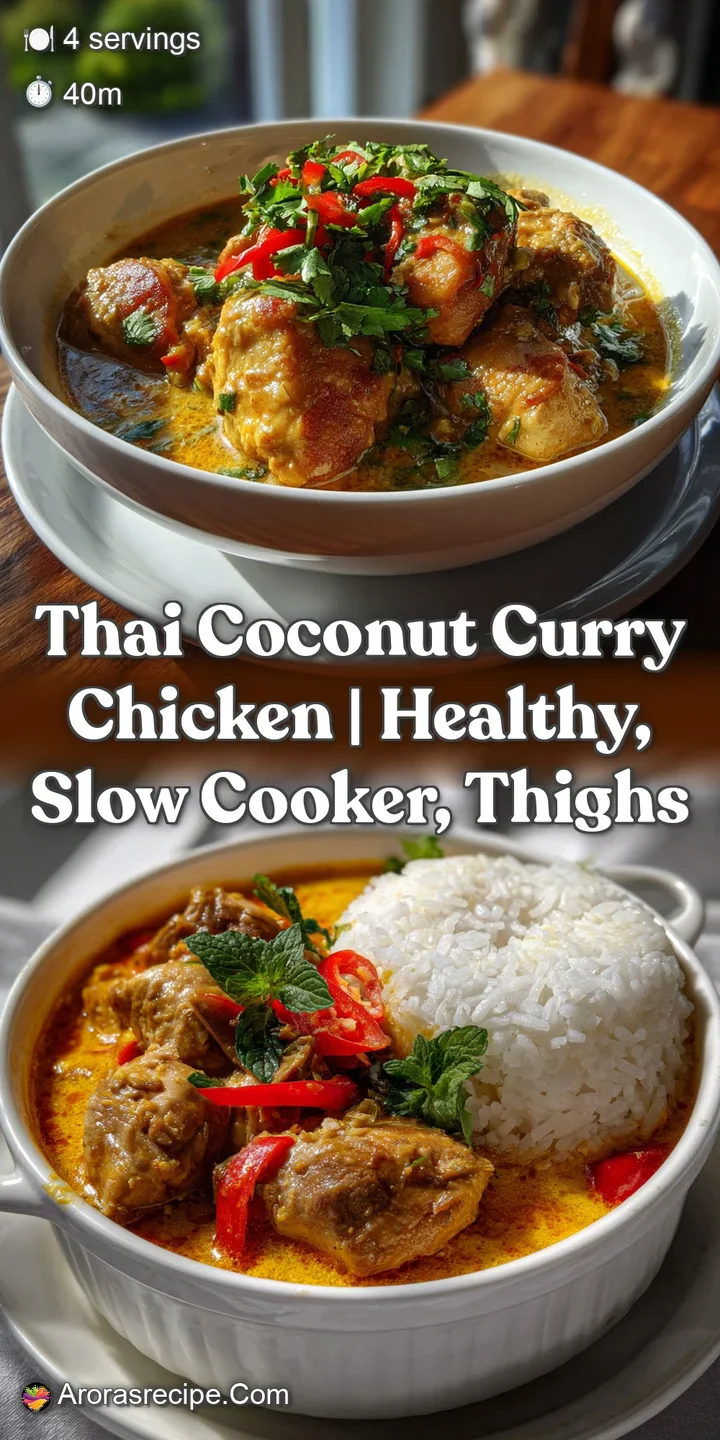
Recipe FAQs
How do I achieve the rich, non-watery sauce texture?
Fat-emulsification techniques are key to preventing separation. Blooming curry paste in oil first renders necessary fats, creating a stable base before liquid introduction. Cooling liquid slightly before adding coconut cream also helps maintain emulsion integrity.
- Bloom paste over medium high heat
- Reduce liquid aggressively before cream addition
- Use full fat coconut milk exclusively
Can I use low-fat coconut milk instead?
No. low-fat milk results in a thin, separated sauce. The fat content is crucial for mouthfeel and emulsion stability; without enough fat, the sauce will lack body. If you prefer leaner protein, consider trying our Baked Lemon Chicken: Juicy Easy Mediterranean Recipe.
What temperature should the chicken be cooked to?
165°F (74°C) ensures safety and tenderness. Chicken fibers seize when overcooked, pushing out moisture, leading to dryness. A calibrated thermometer is vital for monitoring internal temperature precisely.
Is this recipe difficult to scale for meal prepping?
Yes, this recipe scales efficiently for batch cooking. The one-pot nature minimizes active cooking time, allowing for easy doubling or tripling of ingredients. For dry rubs on bulk chicken storage, review our guidance on the Chicken Rub: The Ultimate Sweet Smoky BBQ Seasoning.
Does this curry freeze well for later?
Yes, it freezes excellently for up to three months. The high fat content of the coconut milk protects the texture better than water based sauces during the freeze thaw cycle. Thaw slowly overnight in the refrigerator for best results.
Can I use curry powder instead of actual curry paste?
Myth: Curry powder offers the same depth as concentrated paste. Paste contains fresh aromatics and oils that powder lacks, resulting in flatter flavor profiles when substituted directly. Paste provides superior foundational flavor required for this dish.
Should I sear the chicken before simmering in the curry?
Searing adds necessary textural contrast. Searing creates the Maillard reaction, developing complex, savory compounds that boost the overall umami profile before the liquid is added. For similar flavor depth without the sauce, try our Thai Chicken Salad: Zesty Recipe with Crispy Greens.
Rich Thai Coconut Curry Chicken
Ingredients:
Instructions:
Nutrition Facts:
| Calories | 586 kcal |
|---|---|
| Protein | 38 g |
| Fat | 42 g |
| Carbs | 14 g |
| Fiber | 3 g |
| Sugar | 6 g |
| Sodium | 780 mg |
