Chimichurri Steak: Argentinian Gold Flank
- Argentinian Gold: What Makes This Chimichurri Steak Special?
- The Perfect Pairing: Flavor Science Behind Seared Beef and Fresh Sauce
- Gathering Your Components: Essential Ingredients for the Ultimate Chimichurri Steak
- The Method: Mastering the Chimichurri and Searing Your Steak
- Expert Tactics: Troubleshooting Common Chimichurri Steak Mistakes
- Maximizing Freshness: Storing Leftover Sauce and Cooked Beef
- What to Serve Alongside Your Chimichurri Steak Feast
- Recipe FAQs
- 📝 Recipe Card
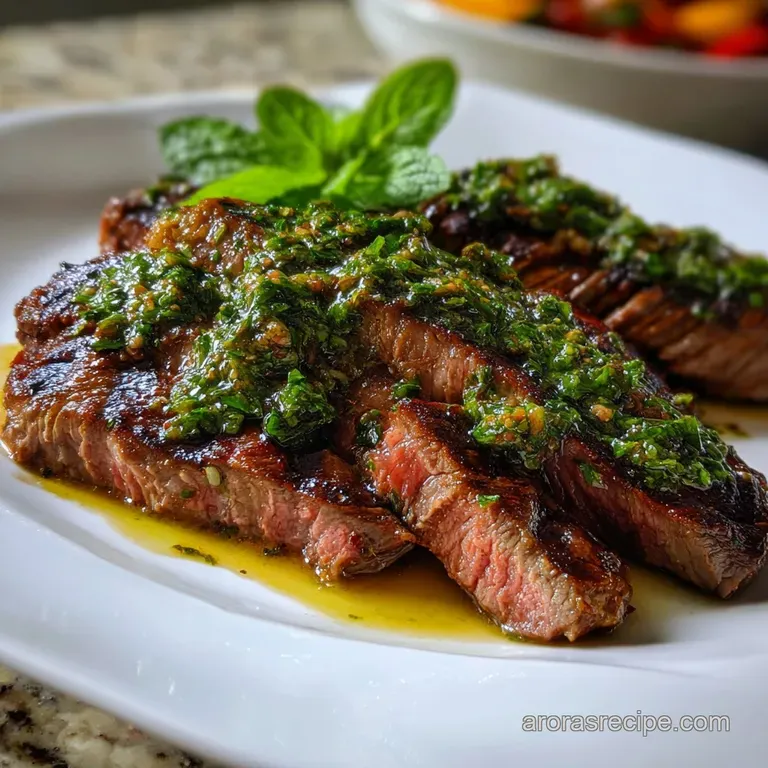
Argentinian Gold: What Makes This Chimichurri Steak Special?
There are few things in life as instantly invigorating as the smell of fresh herbs and garlic hitting rich olive oil. When that vibrant aroma meets the deep, savory crust of a perfectly seared flank steak, you know you’re about to experience something phenomenal.
We’re talking about the ultimate weeknight hero: a perfectly balanced Chimichurri Steak . It’s bright, it’s punchy, and it delivers maximum flavor impact with minimal fuss.
I used to think steak night had to be complicated, involving hours of marinating or fussy compound butters. But this recipe saved my life, honestly. This is the definition of fast food done right; the chimichurri sauce takes 10 minutes to whip up, and the flank steak cooks in under 8 minutes flat.
You get restaurant quality flavor without draining your wallet or spending your entire evening over a hot stove.
So, let’s stop wasting time and dive deep into the magic ratio of herbs, acid, and heat that makes this the absolute best Chimichurri Steak recipe you will ever make. Trust me, once you master this sauce and the searing technique, every other steak preparation will feel boring.
The Perfect Pairing: Flavor Science Behind Seared Beef and Fresh Sauce
Chimichurri is more than just a sauce; it’s a high impact condiment that acts as a flavor scalpel, perfectly slicing through the richness of the steak. Argentinian cuisine understands this balance better than anyone. This isn't a complex, heavy gravy; it’s a brilliant, fresh, uncooked dressing.
A Culinary Passport: Brief History of Chimichurri and Beef
The story goes that chimichurri originated with gauchos (South American cowboys) who needed a zesty, portable way to dress their abundant grilled meats. It’s essentially a simple emulsification of herbs, oil, and vinegar.
Learning the origins of this classic Chimichurri Steak dish helps you understand the goal: rustic, simple, and utterly delicious. Forget fancy ingredients; we only use what works.
Is Flank Steak the Best Cut for Maximizing Flavour?
Yes, absolutely, or at least it’s tied with skirt steak. Flank steak might be leaner and tougher than a ribeye, but that structure is exactly what makes it incredible for this dish. Because it’s thin and has a defined grain, it cooks quickly and absorbs the bright chimichurri beautifully.
We want a cut that stands up to the aggressive acid and garlic, and flank steak is the ultimate choice for amazing Chimichurri Steak . If you treat it right high heat, short cook time, and correct slicing it remains wonderfully tender.
Why Acidity Matters: Balancing Fat with Vinegar and Herbs
Steak is rich, right? It has a depth of savory flavor and plenty of fat. If you pair that richness with another rich sauce (like a creamy hollandaise), the dish can feel heavy. The genius of the chimichurri sauce is its high acidity, provided by red wine vinegar.
The vinegar cuts through the fatty mouthfeel of the seared flank steak, refreshing your palate and making you instantly ready for the next bite. The magic ratio of acid to oil is what makes this specific Chimichurri Steak sauce sing.
Achieving the Ideal Crust: The Maillard Reaction on Steak
The Maillard Reaction that beautiful chemical process that browns food and creates thousands of complex new flavors is essential here. If your pan isn't hot enough, or if your steak has moisture on the surface, you won't get that deep, savory crust.
That crust is the foundation of flavor for this entire recipe. You need that contrast between the smoky, charred exterior and the bright, fresh chimichurri.
Gathering Your Components: Essential Ingredients for the Ultimate Chimichurri Steak
The ingredient list is short, but the quality of each item really matters here. Since we aren't cooking the sauce, the herbs must be vibrant and the oil must taste good. Don't cheap out on the olive oil for this Chimichurri Steak recipe!
Selecting Your Flank Steak: Thickness and Quality Checks
I generally aim for flank steak that’s about an inch thick anything thinner risks overcooking before a good crust develops. Always trim off any excessive silver skin or sinew, as these will contract during cooking and make the final steak tough and chewy.
Starting with a quality flank steak is the key to a truly fantastic Chimichurri Steak experience.
Fresh vs. Dried Herbs: Elevating Your Chimichurri Sauce
This is not a debate: use fresh herbs. Period. If you use dried herbs, your sauce will taste dusty and muted. The only exception is the oregano. While fresh oregano is wonderful, if you can only find sad, wilting stuff, substitute it with one teaspoon of quality dried oregano , rubbed between your palms to release the essential oils.
The fresh herbs are non-negotiable for a superior Chimichurri Steak flavour profile.
Oil and Acid Ratio: The Key to a Balanced Dressing
The ratio is typically 2 parts oil to 1 part vinegar, though I lean slightly higher on the vinegar side because I love the zestiness. Slowly drizzling the olive oil into the herb mixture helps the sauce emulsify slightly, which prevents it from separating immediately.
Don't mess up the oil ratio when preparing your Chimichurri Steak sauce; too much oil makes it greasy, and too little makes it too sharp.
Essential Ingredient Swaps and Substitutions
Flexibility is key, even when aiming for the perfect Chimichurri Steak . If you can't find one thing, here is your plan B.
| Ingredient | Viable Substitute | Notes on Flavor Change |
|---|---|---|
| Flank Steak | Skirt Steak or Flat Iron | Skirt steak cooks faster; Flat Iron is slightly thicker. |
| Red Wine Vinegar | Sherry Vinegar or Apple Cider Vinegar | Sherry vinegar is sweeter; ACV is sharper/fruitier. |
| Fresh Parsley | Half Parsley / Half Cilantro | Creates a ‘mojito’ or Cuban vibe, slightly less traditional. |
| Red Pepper Flakes | Pinch of Cayenne Powder | Use less! Cayenne is much stronger than dried flakes. |
The Method: Mastering the Chimichurri and Searing Your Steak
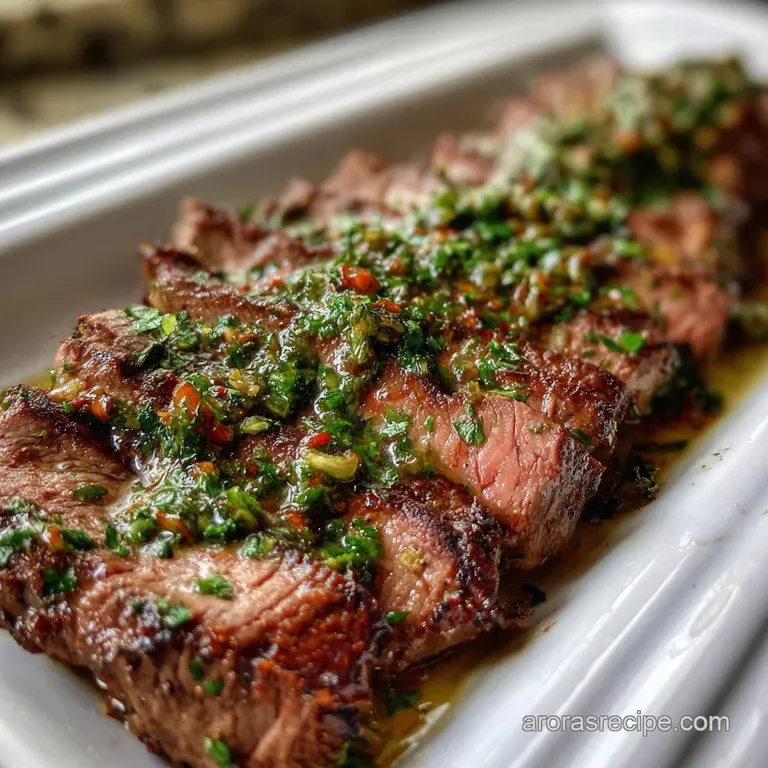
We’re breaking this down into two main phases: making the incredible green sauce, and then achieving a perfect, hot sear on the meat.
Step 1: Preparing and Resting the Flank Steak
First things first: pull the flank steak out of the fridge at least 30 minutes before you plan to cook it. A cold steak hitting a hot pan causes uneven cooking. While it rests on the counter, use paper towels to pat it aggressively dry.
Patting the steak bone dry is the most important step for crust development. Season heavily with salt and pepper right before it goes into the pan if you season too early, the salt draws out moisture, which we just tried to eliminate.
Step 2: Blending the Vibrant Chimichurri
This sauce is all about texture. You want rusticity, not baby food. If using a food processor, pulse only 4 or 5 times until the herbs are finely chopped but still discernible. Do not over process, or it turns into a green paste and becomes bitter.
I prefer chopping by hand; it yields the best texture for this Chimichurri Steak sauce, even if it takes a little longer. Combine all the dry ingredients, then slowly stream in the oil, stirring vigorously.
Once mixed, let that gorgeous green concoction sit at room temperature for at least 30 minutes. This rest is essential for the garlic and vinegar flavors to mellow and merge.
Step 3: over High heat Searing for the Perfect Temperature
This cut needs speed! Put your cast iron pan on high heat and let it get screaming hot. Add your high smoke point oil (like grapeseed or canola) and wait for it to shimmer. When you place the steak in the pan, you should hear a violent, aggressive sizzle. That’s the sound of success.
Achieving that deep, dark crust on your Chimichurri Steak requires patience don't poke it or move it for 3 to 4 minutes. Flip it only once.
Crucial Chef’s Note: Use an instant read thermometer. For a 1 inch flank steak, cook about 3. 5 minutes per side for medium rare (130°F).
Pull it off the heat when it’s 5 degrees shy of your target temperature, because it will continue cooking while it rests.
Step 4: The Crucial Resting and Slicing Process
Never slice a cold piece of Chimichurri Steak , and never skip the rest. Once the steak is cooked, immediately transfer it to a cutting board with a small well to catch the juices. Tent it loosely with foil for a full 10 minutes.
This is the difference between juicy perfection and dry disappointment. Juices must redistribute. After resting, find the grain the long, parallel lines of muscle fiber and slice thinly against that grain.
This final, crucial step is the secret to serving tender Chimichurri Steak .
Expert Tactics: Troubleshooting Common Chimichurri Steak Mistakes
We’ve all been there. You thought you were making the perfect Argentinian meal, but something went wrong. Don't worry, I've made these mistakes too, so let's fix them before they happen to you. Making homemade Chimichurri Steak requires mastering a few simple hacks.
Preventing a Tough Steak: The Grain Direction Hack
The number one reason flank steak is chewy? Slicing parallel to the grain. Those muscle fibers, if left long, require far too much chewing. Before you slice, look closely at the meat. See the lines? Slice perpendicular to them, at a 45 degree angle.
This slicing trick that changes the texture of your Chimichurri Steak from rubbery to tender and melts in your mouth.
Why Your Sauce Tastes Bitter (And How to Fix It)
Two reasons for bitterness in your vibrant sauce:
- Over processing: If you use a food processor and blend too long, you pulverize the herb leaves and the resulting friction releases bitter chlorophyll compounds. Keep it rustic!
- Too much stem: If you use the thick parsley stems, they can introduce a vegetal bitterness. Always use the flat leaf parsley leaves and discard the heavy stems before preparing the classic Chimichurri Steak sauce. If it's too bitter, stir in a teaspoon of hot water to dilute the strong flavours.
The Temperature Check: Internal Steak Doneness Guide
I know I sound like a broken record, but you absolutely need a thermometer for the best Chimichurri Steak . Guessing leads to chewy, grey meat.
| Doneness | Temperature (°F) | Temperature (°C) |
|---|---|---|
| Rare | 125°F | 52°C |
| Medium Rare | 130 135°F | 54 57°C |
| Medium | 135 140°F | 57 60°C |
Maximizing Freshness: Storing Leftover Sauce and Cooked Beef
Let's face it, sometimes you make too much. Properly storing leftover Chimichurri Steak ensures you get to enjoy the flavor explosion again the next day.
Shelf Life: Refrigerating Fresh Chimichurri
Because of the high acidity of the vinegar, this sauce keeps wonderfully. Transfer the leftover chimichurri to an airtight container and store it in the fridge. It will keep for 5 to 7 days, easily. It might solidify slightly because of the olive oil; just let it come back to room temperature before serving and give it a good stir. Use any extra sauce over scrambled eggs or even on a quick Tuna Steak Marinade: Umami Rich Ginger Ninja Recipe for an unexpected kick!
Reheating Flank Steak Without Drying It Out
Reheating steak is the trickiest part. Don't use the microwave unless you want leather. The best way to reheat leftover Chimichurri Steak slices is in a preheated oven (or toaster oven) set to a low temperature, around 300°F (150°C), for about 5 to 7 minutes until just warm.
Alternatively, repurpose it cold into delicious Chimichurri Steak sandwiches or tacos!
What to Serve Alongside Your Chimichurri Steak Feast
The steak and the sauce are the stars, but every star needs a great supporting cast. When planning your menu around the delicious Chimichurri Steak , choose sides that either absorb the sauce or provide textural contrast.
Perfect Sides to Complement the Acidity
- Potatoes: Roasted or mashed potatoes are perfect because they soak up both the steak juices and the residual sauce. If you want something truly decadent, serve this alongside a scoop of the glorious Ruths Chris Sweet Potato Casserole Copycat: The Ultra Smooth Steakhouse Star — the sweetness and the savory steak are incredible together.
- Bread: Crusty sourdough bread is essential for dipping up any extra chimichurri left on the plate.
- Simple Greens: A quick side of blistered asparagus or lightly steamed green beans provides necessary color and crunch without competing with the main event.
This recipe for Chimichurri Steak is now perfected, tested, and ready for your kitchen. Go forth and sear some gold!
Recipe FAQs
What is the best cut of steak to use if I cannot find flank steak?
Skirt steak is the closest substitute, offering a robust flavour and similar texture ideal for high heat searing. Flat iron steak is another excellent option, though it is often thicker, requiring you to adjust your cooking time slightly to achieve the desired internal temperature.
Why is my homemade chimichurri bitter, or why did it turn brown quickly?
Bitterness often results from over processing the herbs in a blender or food processor, which can bruise the parsley and release astringent compounds. If the sauce turned brown, it was likely stored too long in the refrigerator, causing the oxidation of the delicate fresh herbs and garlic.
Can I make the chimichurri sauce ahead of time?
Yes, chimichurri can be prepared up to 12 hours in advance to allow the flavours to marry fully. However, it should be stored at room temperature for no more than 4 hours before serving, or refrigerated for up to 24 hours, after which the fresh garlic becomes overwhelmingly pungent.
How do I ensure the steak is tender and not chewy?
There are two key factors: do not overcook the flank steak past medium rare (130-135°F / 54-57°C), as it is a lean cut. More importantly, you must slice the finished steak thinly against the grain perpendicular to the visible lines of muscle fibre to shorten the fibres and guarantee tenderness.
Is it safe to marinate the steak in the chimichurri?
Traditional chimichurri is served as a finishing sauce, but a quick 30-minute marinade can enhance flavour without compromising the meat texture. Avoid marinating for longer periods, as the high acidity of the vinegar can begin to cure the steak, changing the surface texture.
Can I use this recipe for grilled chicken or vegetables instead?
Absolutely; chimichurri is an incredibly versatile condiment that elevates almost any protein or vegetable. It works wonderfully over grilled chicken breasts, salmon fillets, roasted potatoes, or grilled portobello mushrooms, making it suitable for vegetarian options.
Why is resting the steak so crucial after searing?
Resting allows the muscle fibres, which tighten during the cooking process, to relax and reabsorb the internal juices. If you slice the steak immediately, the concentrated juices will run out onto the cutting board, resulting in dry meat. Always rest the steak for 5 to 10 minutes, tented loosely under foil.
Seared Chimichurri Flank Steak
Ingredients:
Instructions:
Nutrition Facts:
| Calories | 2939 kcal |
|---|---|
| Protein | 4.8 g |
| Fat | 36.3 g |
| Carbs | 648.4 g |
