Simple Chicken Marinade for Grilling: Perfect Results
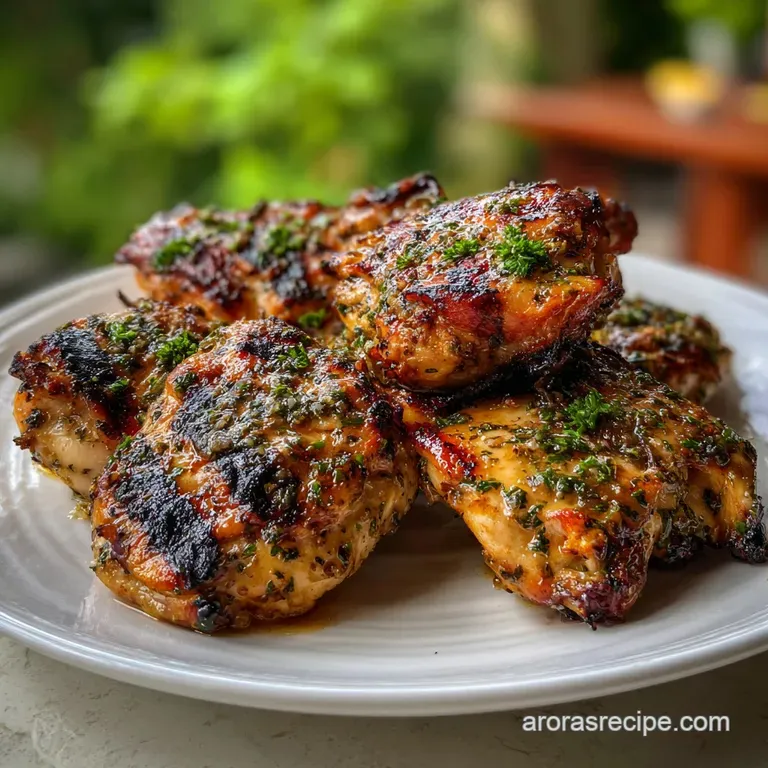
- Effort/Time: 10 minutes prep, 15 minutes cooking.
- Flavor Hook: Bright citrus zest meets deep umami and smoky wood-fire notes.
- Perfect for: Weekend meal-prep, summer backyard BBQs, and quick weeknight protein.
- The Ultimate Simple Chicken Marinade for Grilling
- Why This Flavor Profile Works Every Time
- The Science Behind the Ingredients
- Key Ingredients and Easy Substitutions
- Step-by-Step: How to Use Your Simple Chicken Marinade for Grilling
- Expert Grilling Tips and Common Mistakes
- Common Myths
- Storage, Freezing, and Food Safety
- Serving Suggestions for a Complete Meal
- Recipe FAQs
- 📝 Recipe Card
The Ultimate Simple Chicken Marinade for Grilling
We’ve all been there: pulling a grey, rubbery piece of chicken off the grates and trying to mask it with bottled BBQ sauce. I spent years over marinating my meat in pure vinegar, only to end up with a mealy texture that ruined Sunday dinner.
The secret isn't just "soaking" the meat; it’s about understanding how your simple chicken marinade for grilling interacts with muscle fibers on a molecular level.
This masterclass guide breaks down the chemistry of why this specific blend of 0.5 cup extra virgin olive oil and 0.25 cup fresh lemon juice creates a shatter crisp exterior while keeping the inside velvety. We are moving past guesswork and into the physics of the Maillard reaction.
By the time you hit the "ignite" button on your Weber Spirit II Gas Grill, you’ll have the confidence of a professional line cook.
Let’s crack on. We are going to explore why these 2 lbs of chicken breasts don’t just taste better they behave differently under high heat.
Why This Flavor Profile Works Every Time
A Universal Balance of Zest and Herbs
The profile relies on the interplay between the 1 tbsp of lemon zest and the 1 tsp of dried oregano. While the juice provides the acidity needed to tenderize, the zest contains essential oils (limonene) that are fat-soluble.
Because we use 0.5 cup of Bertolli Extra Virgin Olive Oil, these aromatic oils are suspended throughout the marinade, ensuring every millimeter of the chicken is coated in flavor.
The Science of Salt, Acid, and Fat
Simple chicken marinade for grilling is a three pronged attack on protein structure. The 0.5 tsp of Diamond Crystal Kosher Salt and 2 tbsp of Kikkoman Soy Sauce work via osmosis, drawing moisture in rather than out.
The 0.25 cup of lemon juice acts as a denaturant, unwinding tightly coiled proteins so they can trap water. Finally, the fat creates a thermal barrier, preventing the meat from drying out the instant it hits the 450°F grates.
Why This is the Only Easy Chicken Marinade for Grill Success You Need
Consistency is the hallmark of a great home cook. This recipe uses 1 tbsp of honey, which acts as a "browning catalyst." Without this specific sugar content, chicken breasts often reach their safe internal temperature before they achieve a deep, mahogany crust.
This marinade ensures the outside sizzles and browns at the exact same rate the inside reaches 165°F.
The Science Behind the Ingredients
The Science Behind Lemon Juice (Acid)
- What It Does
- Primary tenderizer and pH adjuster.
- The Chemistry
- Acid causes protein denaturation, where the amino acid chains in the chicken breast unfold and create a mesh like structure.
- Why This Matters
- This mesh traps water molecules, ensuring the meat remains succulent even after losing 20% of its weight to evaporation during grilling.
The Science Behind Soy Sauce (Umami/Salt)
- What It Does
- Provides deep flavor and initiates brine like properties.
- The Chemistry
- The glutamates in soy sauce trigger umami receptors, while the sodium ions move into the muscle via capillary action.
- Why This Matters
- This deep penetration means the chicken is seasoned to the core, not just on the surface, providing a savory backbone that salt alone cannot achieve.
The Science Behind Honey (Sugar)
- What It Does
- Accelerates surface browning and balances acidity.
- The Chemistry
- Honey lowers the energy threshold required for the Maillard reaction, a chemical reaction between amino acids and reducing sugars.
- Why This Matters
- You get a complex, savory crust (the "sizzle") within the 15 minutes of cook time, preventing the "boiled meat" look common with under seasoned poultry.
Key Ingredients and Easy Substitutions
Using high-quality tools like a Microplane Zester for your 1 tbsp of lemon zest makes a massive difference in texture. If you're looking to pair this with a decadent pasta, this profile works beautifully alongside my Lemon Cream Sauce For Pasta: Easy 20 Minute Recipe.
| Original Ingredient | Substitute | Why It Works |
|---|---|---|
| 0.5 cup Extra Virgin Olive Oil | Avocado Oil | Higher smoke point (520°F). Note: Neutral flavor, lacks olive oil's peppery finish. |
| 1 tbsp Honey | Grade A Maple Syrup | Similar sugar density. Note: Adds a distinct woody sweetness; browns faster. |
| 2 tbsp Soy Sauce | Coconut Aminos | Lower sodium, soy-free. Note: Slightly sweeter; reduce honey by 0.5 tsp. |
| 4 cloves Fresh Garlic | 1 tsp Garlic Powder | Better distribution. Note: Lacks the pungent "bite" of fresh allicin. |
| 1 tsp Smoked Paprika | Chipotle Powder | Provides smokiness. Note: Significantly higher heat level; use 0.25 tsp. |
step-by-step: How to Use Your Simple Chicken Marinade for Grilling
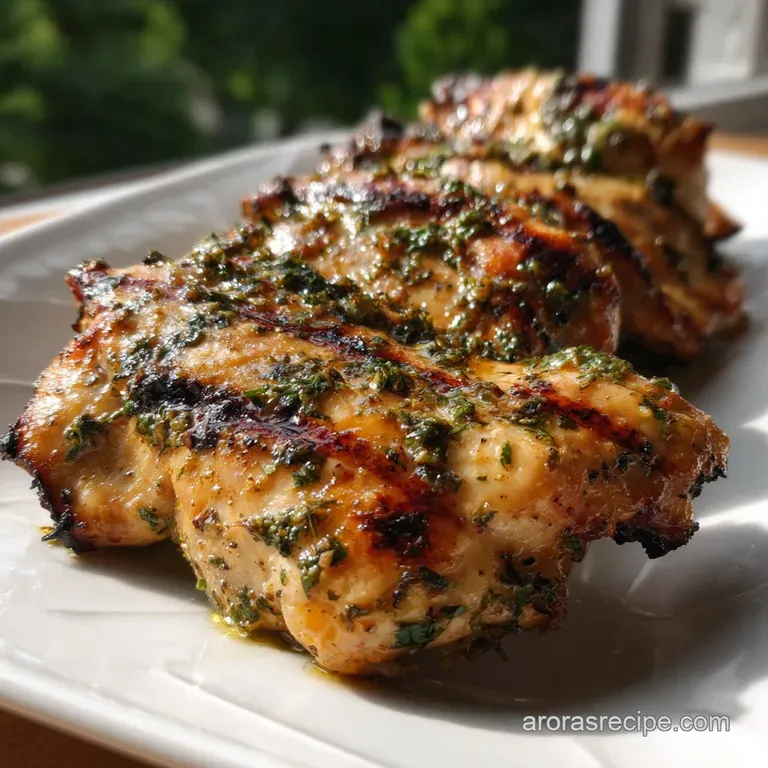
Whisking the Emulsion for Maximum Flavor
Combine 0.5 cup olive oil, 0.25 cup lemon juice, 2 tbsp soy sauce, and 1 tbsp honey in a glass bowl. Note: Whisking creates a temporary emulsion, ensuring the fat and acid don't separate so the chicken is coated evenly.
Whisk until the honey is completely dissolved and the mixture looks uniform. Note: Undissolved honey will sink to the bottom of the bag, leading to uneven caramelization and potential burning on the grill.
Proper Coating Techniques for Different Poultry Cuts
Place 2 lbs boneless skinless chicken breasts into a heavy duty Ziploc bag and pour in the mixture. Note: Using a bag instead of a bowl maximizes the surface area contact between the marinade and the meat.
Press out all the air before sealing the bag tightly. Note: Removing air prevents oxidation and ensures the 4 cloves of minced garlic and 1 tsp of smoked paprika stay pressed against the protein.
Massage the bag for 60 seconds to distribute the 1 tsp dried oregano and 1 tbsp lemon zest. Note: Physical agitation helps the marinade penetrate the small nooks and crannies of the chicken fibers.
Ideal Marinating Windows for Peak Tenderness
Refrigerate for at least 30 minutes, but no more than 12 hours. Note: Over marinating in lemon juice will eventually turn the meat mushy as the acid breaks down the proteins too aggressively.
Remove the chicken from the fridge 15 minutes before grilling to take the chill off. Note: Cold meat hits the grill and causes the fibers to contract violently, squeezing out precious juices.
Preheat your Lodge Cast Iron Grill Pan or outdoor grill to medium high heat. Note: High initial heat is required to trigger the Maillard reaction immediately upon contact.
Grill the chicken for approximately 6 to 8 minutes per side. Note: The 15 minutes total cook time is an estimate; always use a Thermapen One to verify the internal temperature.
Chef's Tip: Do not discard the excess marinade immediately. If you want to use it as a glaze, boil it in a small saucepan for 5 minutes to kill any bacteria, or simply use it to baste the chicken during the first 5 minutes of grilling only.
Expert Grilling Tips and Common Mistakes
To master the simple chicken marinade for grilling, you must control the fire. Flare ups are the enemy of a clean flavor. If you find your chicken is charring too quickly, it’s likely the honey or the oil dripping onto the coals.
| Problem | Why It Happens | The Fix | Pro Protocol |
|---|---|---|---|
| Rubbery Texture | Overcooked or over marinated | Remove at 160°F (carryover to 165°F) | Use a Thermapen One for 1° accuracy. |
| Skin/Meat Sticking | Cold grates or wet meat | Clean grates and oil them lightly | Let meat sit for 1 min before flipping. |
| Acrid/Bitter Taste | Burnt garlic or zest | Garlic pieces too large | Mince garlic into a paste using a rasp. |
Common Myths
Myth: Marinades soak deep into the center of the chicken breast. Truth: Most marinades only penetrate 1 3mm deep. The flavor is primarily a surface treatment, which is why the 1 tbsp of lemon zest and 1 tsp smoked paprika are so vital for that first bite.
Myth: Poking holes in the chicken with a fork helps the marinade enter. Truth: This actually creates "escape tunnels" for the natural juices, leading to a drier result. Trust the osmosis of the 2 tbsp of soy sauce instead.
Storage, Freezing, and Food Safety
Fridge Storage: Store cooked chicken in an airtight container for up to 4 days. The acid in this simple chicken marinade for grilling helps preserve the surface, but the fats will eventually oxidize.
Freezing: You can freeze the 2 lbs of chicken directly in the marinade bag. It will marinate as it thaws in the fridge, making it a perfect make-ahead meal. It stays fresh for up to 3 months.
Reheating: To avoid the "leftover chicken" smell (caused by lipid oxidation), reheat gently in a covered skillet with a splash of water or chicken broth rather than the microwave.
Serving Suggestions for a Complete Meal
Avoiding Flare ups and Overcooking
If you are using a charcoal grill, create a two-zone fire. Sear the chicken over the direct heat to get that "shatter" crust, then move it to the cool side to finish reaching 165°F. This prevents the 1 tbsp of honey from scorching.
Perfect Pairings: From Summer Salads to BBQ Sides
This chicken is incredibly versatile. It has a bright profile that pairs well with fresh greens. If you're looking for something heartier, it serves as a great protein topper for my Chicken and Sausage Pasta: Velvety Cream Sauce in 25 Mins.
For those who love a "set-it and forget-it" lifestyle, you might find the flavor profile of this marinade reminds you of the bold spices in my Crock Pot Jambalaya: Set-It and Forget-It Classic.
Safe Internal Temperatures for Juicy Results
The USDA recommends 165°F. However, if you pull the chicken at 160°F and let it rest under foil for 5 minutes, the carryover cooking will bring it to 165°F perfectly. This prevents the protein from becoming "stringy."
Using this simple chicken marinade for grilling ensures that your 248 kcal per serving is packed with 34.8 g of protein that actually tastes like a chef made it. Whether you are using a gas grill or a cast iron pan, the combination of soy sauce, lemon, and honey creates a chemical symphony that turns a basic chicken breast into a masterclass in grilling.
Success lies in the science!
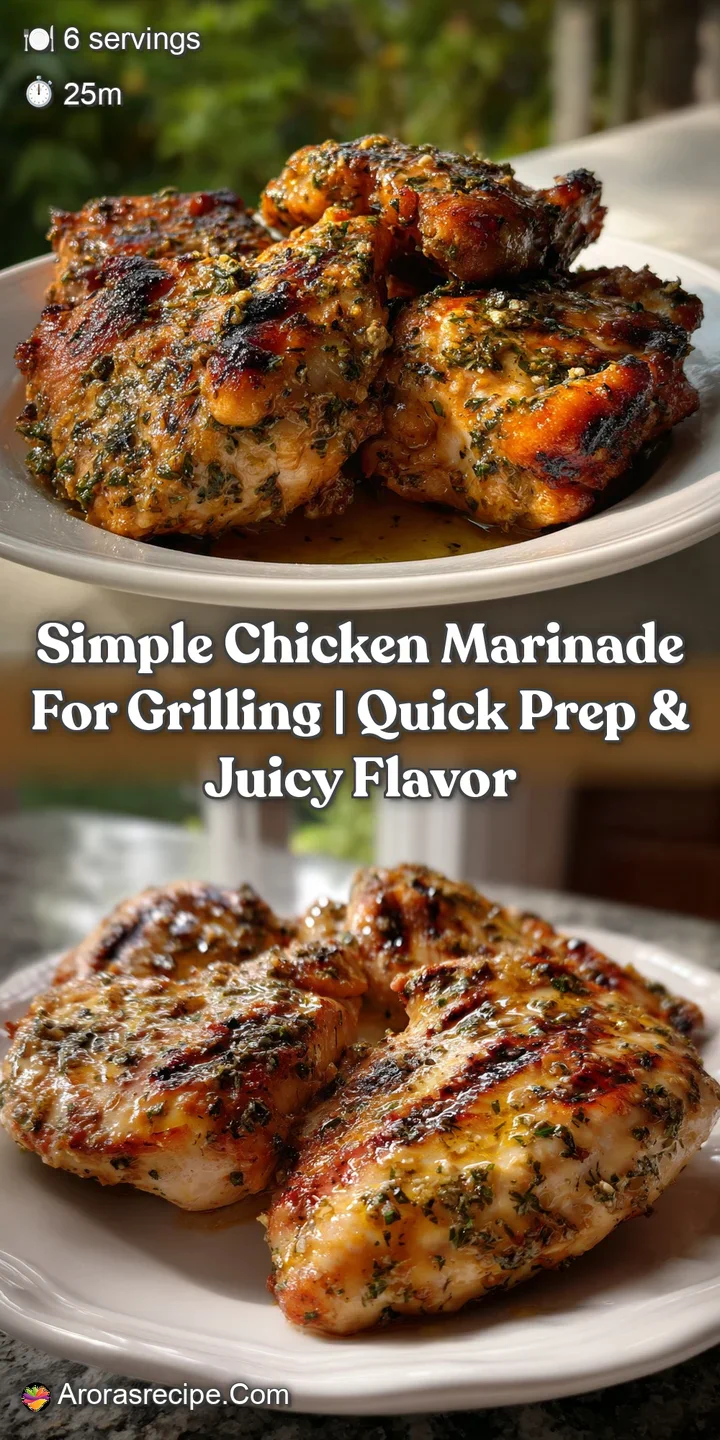
Recipe FAQs
What is the minimum marination time required for flavor penetration?
30 minutes at room temperature. For deeper flavor, marinate chicken breasts or thighs for four hours submerged in the mixture. Avoid exceeding 12 hours due to acid breakdown.
Can I use boneless, skinless thighs instead of breasts?
Yes, thighs absorb marinade slower. Thighs have higher fat content, rendering them more forgiving of overcooking than breasts. You might consider extending the marination time when preparing something like Duck and Dumpling: Classic Braised Winter Comfort Food Recipe to ensure flavor consistency.
Why is my chicken sticking to the grill grates?
Grates were not oiled or clean prior to preheating. Oil residue polymerizes onto the metal surface when heated, causing direct molecular adhesion between the food and the grate.
- Heat grates to high for 15 minutes
- Use a stiff wire brush vigorously
- Apply high smoke point oil with a paper towel
Can I substitute dried herbs for fresh ones?
Use dried herbs sparingly. Dried herbs possess a far more concentrated flavor profile than fresh counterparts; a 3:1 ratio (fresh to dried) is standard. If using dried oregano, consider the intense flavor base required for broth making, like in our Hondashi Stock Ratio: Effortless Umami Dashi in Just 7 Minutes.
Should I use lemon juice or apple cider vinegar?
Apple cider vinegar offers more balanced acidity. Lemon juice provides brighter, sharper notes that fade quickly on the grill. Vinegar retains a more rounded tang, preventing the meat from tasting solely citrusy.
Myth: Brushing on extra marinade during grilling adds moisture.
Myth: Brushing on extra marinade during grilling adds moisture. Reality: USDA guidelines prohibit basting cooked chicken with uncooked marinade due to cross contamination risks. Excess sugar in the sauce will also burn immediately.
Is brown sugar better than white sugar for this marinade?
Brown sugar yields better caramelization and depth. The molasses content in brown sugar promotes deeper Maillard reactions, creating a richer crust than refined white sugar. White sugar caramelizes faster but lacks underlying smoky complexity.
Simple Chicken Grilling Marinade
Ingredients:
Instructions:
Nutrition Facts:
| Calories | 248 kcal |
|---|---|
| Protein | 34.8 g |
| Fat | 9.8 g |
| Carbs | 4.1 g |
| Fiber | 0.4 g |
| Sugar | 3.2 g |
| Sodium | 565 mg |
