Simple Chicken Noodle Soup: Herbaceous Broth
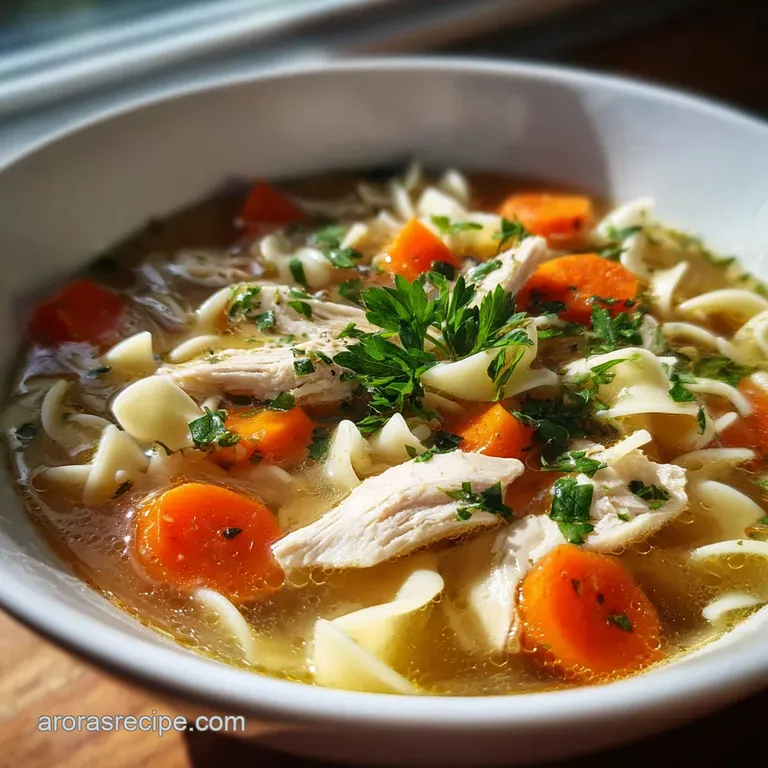
- Time: Active 10 minutes, Passive 20 minutes, Total 30 minutes
- Flavor/Texture Hook: Savory, herbaceous broth with silky, tender noodles
- Perfect for: Rainy weeknights, cold season recovery, or beginner friendly meal prep
- The Magic of Layered Flavor
- Essential Soup Component Analysis
- Fresh Ingredients for Your Soup
- Basic Kitchen Tools You Need
- Step by Step Cooking Instructions
- Avoiding Common Cooking Mistakes
- Flavorful Recipe Variations to Try
- Scaling for Different Crowds
- Debunking Common Kitchen Myths
- Storing and Reheating Leftover Soup
- Best Ways to Serve Soup
- Recipe FAQs
- 📝 Recipe Card
The sizzle of a yellow onion hitting a warm pool of olive oil is the heartbeat of my Nashville kitchen. There is something about that sharp, stinging aroma mellowing out into a sweet, buttery perfume that tells my brain it is time to slow down.
I remember one specific Tuesday - it was pouring rain, the kind of storm that turns the sky charcoal - and I was stressed to the gills. I did not want a culinary project; I wanted a hug in a bowl.
That is when I realized that most of us overcomplicate the classics. I have seen recipes that take four hours of simmering, and honestly, when you are sniffly or exhausted, you need results now. I once tried a version with too many trendy ingredients, and it just lost the plot.
This recipe focuses on the velvety texture of the broth and the way a wide egg noodle carries just enough salt to make you feel human again.
We are keeping things straightforward here. No fancy equipment, no rare spices, just a focus on the few things that actually matter - like not overcooking your noodles into a gummy paste.
Trust me on this: once you nail the balance of the "aromatic sweat" and the final citrus pop, you will never buy the canned stuff again.
The Magic of Layered Flavor
Aromatic Sweating: Gently heating onions and celery in fat breaks down hemicellulose, allowing their natural sugars to caramelize and create a sweet, savory foundation.
Maillard Reaction Shortcut: Using pre cooked chicken allows the meat to remain tender while the broth focuses on absorbing the herbal notes of the oregano and thyme.
Starch Suspension: Cooking noodles directly in the broth releases just enough starch to give the liquid a silky mouthfeel rather than a watery consistency.
Acid Brightening: Adding lemon juice at the finish resets the palate, cutting through the richness of the chicken fat and "waking up" the salt.
| Thickness of Carrot | Internal Temp | Rest Time | Visual Cue |
|---|---|---|---|
| 1/4 inch rounds | N/A | 2 minutes | Becomes translucent but keeps a slight snap |
| Shredded Chicken | 165°F (if reheating) | None | Pulls apart easily with two forks |
| Egg Noodles | N/A | 1 minute | Slightly pale with a tender, slippery surface |
If you are trying to decide how to handle your protein, it really comes down to what you have on hand. While this recipe uses pre cooked breast for speed, you can easily adapt. If you prefer a more indulgent texture, similar to my Chicken Gnocchi Soup recipe, you can swap the noodles for dumplings later on, but for now, let's stick to the classic egg noodle.
Essential Soup Component Analysis
| Ingredient | Science Role | Pro Secret |
|---|---|---|
| Chicken Bone Broth | Provides gelatin and collagen | Use bone broth over standard stock for a thicker, richer "lip sticking" quality. |
| Extra Virgin Olive Oil | Solvent for fat soluble flavors | Sautéing dried herbs in the oil "blooms" them, intensifying their aroma significantly. |
| Fresh Lemon Juice | pH Balancing | This acts as a flavor "highlighter," making every other ingredient taste more like itself. |
When it comes to picking your broth, look for "low sodium" options. This gives you total control over the seasoning. If you start with a broth that is already salt heavy, the reduction during simmering might make the final dish unpleasantly briny. It is a mistake I once made with a batch of Chicken Fried Rice recipe ingredients, and I have been careful ever since!
Fresh Ingredients for Your Soup
- 1 tbsp extra virgin olive oil: Why this? Provides a healthy fat base with a high enough smoke point for sautéing.
- Substitute: Unsalted butter for a richer, Nashville style comfort flavor.
- 1 cup yellow onion, finely diced: Why this? Provides the foundational sweetness and savory depth.
- Substitute: White onion or two large leeks (white parts only).
- 1 cup carrots, peeled and sliced into rounds: Why this? Adds natural sugar and a vibrant color contrast.
- Substitute: Parsnips for a slightly spicier, earthy undertone.
- 1 cup celery, sliced: Why this? Adds a necessary herbal bitterness that balances the onion.
- Substitute: A pinch of celery seed if you are in a pinch, though texture will change.
- 3 cloves garlic, minced: Why this? Adds pungent depth that mellows into a nutty sweetness.
- Substitute: 1 tsp garlic powder added with the broth.
- 1 tsp dried oregano or thyme: Why this? Essential Mediterranean herbs that define the "classic" soup scent.
- Substitute: 1 tbsp fresh herbs, chopped finely.
- 8 cups low sodium chicken bone broth: Why this? High protein and gelatin content for a superior mouthfeel.
- Substitute: Standard chicken stock or vegetable broth.
- 2 cups cooked chicken breast, shredded: Why this? Quick, lean protein that absorbs the broth's flavor.
- Substitute: Shredded rotisserie chicken or cooked chicken thighs.
- 2 cups wide egg noodles: Why this? Their high egg to flour ratio ensures they stay tender and slippery.
- Substitute: Rotini or ditalini pasta.
- 1 tbsp fresh lemon juice: Why this? Cuts through the fat and brightens the overall flavor profile.
- Substitute: 1 tsp apple cider vinegar.
- 1/4 cup fresh parsley, chopped: Why this? Adds a grassy freshness and a pop of green.
- Substitute: Fresh cilantro or chives.
- 0.5 tsp sea salt: Why this? Enhances all other flavors; adjust to taste.
- Substitute: Kosher salt (use slightly more by volume).
- 0.25 tsp freshly cracked black pepper: Why this? Adds a gentle heat and woody aroma.
- Substitute: White pepper for a cleaner look and sharper bite.
Basic Kitchen Tools You Need
For this Simple Chicken Noodle Soup, you don't need a pantry full of gadgets. A heavy bottomed pot, like a 6 quart Dutch oven or a large stockpot, is your best friend here. The heavy base prevents the garlic from scorching and ensures the heat distributes evenly so your carrots don't end up half crunchy and half mush.
You will also want a sharp chef's knife for those carrots. If your knife is dull, you end up "crushing" the celery instead of slicing it, which lets all the flavorful juices out onto the cutting board instead of into the pot.
A simple wooden spoon is the best tool for scraping up any brown bits (the fond) that form during the sautéing phase.
Chef's Tip: If you want to take the flavor to the next level, freeze your Parmesan cheese rinds and toss one into the broth while it simmers. It adds a subtle, salty umami that you can't quite put your finger on but makes the soup feel "expensive."
step-by-step Cooking Instructions
- Sauté the mirepoix. Heat the 1 tbsp extra virgin olive oil in your pot over medium heat until it shimmers and moves like water. Add the 1 cup diced onion, 1 cup sliced carrots, and 1 cup sliced celery. Note: This creates the aromatic base.
- Soften the vegetables. Cook for 5-7 minutes, stirring occasionally, until the onions are translucent and the carrots look slightly glossy.
- Fragrance the base. Stir in the 3 cloves minced garlic and 1 tsp dried oregano or thyme. Cook for exactly 1 minute until the air smells intensely of garlic and herbs. Note: Do not let the garlic brown or it will turn bitter.
- Deglaze and simmer. Pour in the 8 cups of low sodium chicken bone broth. Increase the heat to medium high until the liquid reaches a rolling boil.
- Cook the noodles. Add the 2 cups of wide egg noodles to the boiling broth. Reduce the heat slightly to a simmer.
- Check for tenderness. Cook the noodles for about 6-8 minutes until they are tender but still have a slight bite (al dente).
- Incorporate the protein. Stir in the 2 cups of shredded chicken breast, 0.5 tsp sea salt, and 0.25 tsp black pepper. Note: We add the chicken last so it doesn't become rubbery from overcooking.
- Heat through. Simmer for another 2-3 minutes until the chicken is warmed through and the flavors have melded.
- The final touch. Turn off the heat. Stir in the 1 tbsp fresh lemon juice and 1/4 cup chopped fresh parsley.
- Final adjustment. Taste the broth carefully. Add an extra pinch of salt or a crack of pepper if needed until the flavors "pop".
Avoiding Common Cooking Mistakes
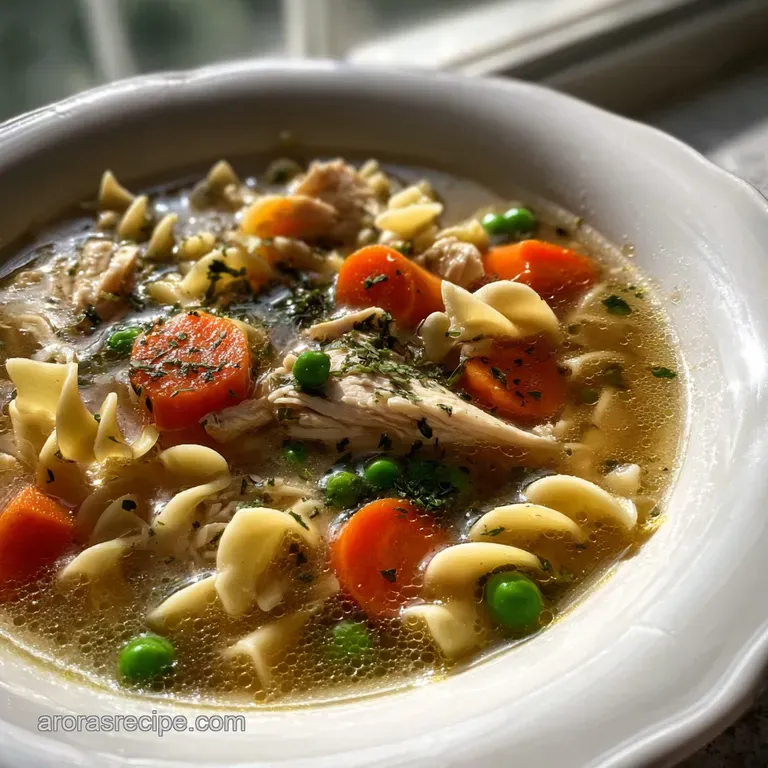
One of the biggest tragedies in the kitchen is a soggy noodle. When noodles sit in hot broth for too long, they continue to absorb liquid, eventually turning into a thick, starch heavy paste that ruins the clarity of your soup.
If you are not planning on eating the whole pot in one sitting, I actually recommend boiling the noodles separately and adding them to each bowl individually.
Another common pitfall is the "Bland Broth Blues." If your soup tastes like hot water, it usually means it is missing either salt or acid. People are often afraid of salt, but in a big pot of soup, that half teaspoon is doing a lot of heavy lifting.
If the salt is there but it still feels "flat," that is where the lemon juice comes in to save the day.
Why Your Vegetables Stay Hard
If your carrots and celery are still crunchy after the noodles are done, it usually means the heat was too high during the initial sauté, "sealing" the outside before the inside could soften. It could also mean your slices were too thick.
Aim for a consistent 1/4 inch thickness for the carrots to ensure even cooking.
| Problem | Root Cause | Solution |
|---|---|---|
| Cloudly Broth | Boiling too vigorously | Keep the soup at a gentle simmer rather than a rolling boil once the broth is added. |
| Mushy Noodles | Overcooking or sitting in hot liquid | Cook noodles for 1 minute less than the package directions; they finish in the residual heat. |
| Oily Surface | Too much oil or low quality broth | Skim the surface with a wide spoon or use a folded paper towel to gently blot the top. |
Common Mistakes Checklist
- ✓ Never add the garlic at the same time as the onions; it cooks much faster and will burn.
- ✓ Don't skip the lemon juice; the acidity is what differentiates "okay" soup from "restaurant quality" soup.
- ✓ Always use low sodium broth so you can control the final saltiness yourself.
- ✓ Pat your vegetables dry before sautéing to ensure they soften rather than steam in their own moisture.
- ✓ Use wide egg noodles specifically; thin pasta will disintegrate too quickly in the hot broth.
Flavorful Recipe Variations to Try
1. Simple Chicken Noodle Soup Crock Pot Version
If you want to come home to a house that smells like a dream, toss everything except the noodles, parsley, and lemon juice into your slow cooker. Cook on low for 6 hours or high for 3 hours. About 20 minutes before you are ready to eat, stir in the egg noodles. This allows the carrots to become incredibly tender and the flavors to deepen naturally over time. It is a very similar "set it and forget it" vibe to my Chicken and Sausage Pasta recipe but in soup form.
2. The "Flu Fighter" Twist
When I am feeling really under the weather, I double down on the aromatics. Add 1 tbsp of freshly grated ginger and a pinch of turmeric along with the garlic. The ginger provides a warming heat that helps clear the sinuses, while the turmeric adds a beautiful golden hue to the broth.
You can also add a splash of soy sauce instead of some of the salt for a deeper, savory umami kick.
| Stovetop Method | Oven/Dutch Oven Method | Slow Cooker Method |
|---|---|---|
| Time:30 minutes | Time:45 minutes | Time: 4-6 hours |
| Texture: Snappy veg, clear broth | Texture: Very soft veg, rich flavor | Texture: Ultra tender meat, deep color |
Scaling for Different Crowds
If you are cooking for a crowd or just want to stock the freezer, doubling this recipe is a breeze. However, do not just double everything blindly. For the spices and salt, start with 1.5x the amount and taste as you go.
Liquids can be doubled exactly (16 cups of broth), but keep an eye on your pot size you’ll need at least a 10 quart stockpot for a double batch.
For a smaller household, you can easily halve the recipe. Use a smaller saucepan and reduce the initial sauté time by about 2 minutes since there is less volume to heat through.
If you have half a beaten egg left over from another recipe, you can actually stir it into the simmering broth at the very end to create "egg drops," which adds even more protein and a lovely texture.
If you want a thicker soup: Whisk 1 tbsp of cornstarch with 2 tbsp of cold water and stir it into the boiling broth. Mash a few of the cooked carrots against the side of the pot to release their starches. Add a splash of heavy cream at the very end for a "Cream of Chicken" style.
Debunking Common Kitchen Myths
There is a long standing myth that you must boil the chicken in the water to make a "real" soup. While that creates a great stock, it often leads to dry, stringy meat. Using pre cooked or rotisserie chicken and adding it at the end keeps the protein juicy while the bone broth provides the depth you'd otherwise have to wait hours for.
Another misconception is that fresh herbs are always better than dried. In a simmering soup, dried oregano and thyme are actually superior because they are more concentrated and hold up better to the heat. Save your fresh parsley for the very end to provide that hit of "raw" green flavor and visual appeal.
Storing and Reheating Leftover Soup
Storage: This soup keeps beautifully in the fridge for up to 4 days. However, be warned: those noodles will act like little sponges and soak up a good portion of your broth overnight.
When you go to reheat it, you will likely need to add an extra splash of broth or water to bring it back to the right consistency.
Freezing: If you plan on freezing this, I have a massive tip: freeze the soup without the noodles. Cook the broth, veg, and chicken, let it cool completely, and freeze in airtight containers for up to 3 months.
When you are ready to eat, bring it to a boil on the stove and drop fresh noodles in then. This prevents the "thawed noodle mush" that ruins many frozen soups.
Zero Waste: Don't throw away those onion skins, celery ends, or carrot peels! Toss them into a gallon sized freezer bag. Once the bag is full, boil the scraps with water for an hour to make your own "scrap stock" for your next batch of Simple Chicken Noodle Soup. It is a Nashville tradition to never let a good vegetable end go to waste! For another great way to use up leftover chicken, you should definitely check out my Essential Dashi Broth recipe logic it's all about building that base!
Best Ways to Serve Soup
While a bowl of this soup is a meal on its own, it plays very well with others. A thick slice of sourdough bread slathered in salted butter is the classic choice for mopping up every last drop of broth.
If you want something a bit more substantial, a simple grilled cheese sandwich with sharp cheddar provides a great textural contrast to the soft noodles.
In my house, we often serve this with a side of saltine crackers or oyster crackers. There is something nostalgic about the way a salty cracker softens just slightly in the hot liquid.
If you are feeling fancy, a small side salad with a bright vinaigrette helps cut through the savory notes of the chicken broth and cleanses the palate between bites. Enjoy every soul warming spoonful!
Recipe FAQs
What is the most easiest soup to make?
Yes, chicken noodle soup is among the easiest. This recipe uses pre-cooked chicken and a quick simmer time, making it achievable in under 30 minutes total.
What should I put in my chicken noodle soup?
Focus on the basics: quality broth, mirepoix, egg noodles, and chicken. The essential flavor comes from sautéing onions, carrots, and celery first before adding a robust chicken bone broth.
How to do simple chicken soup?
Sauté the mirepoix (onion, carrots, celery) first until softened. Add garlic and dried herbs briefly, then pour in the low-sodium chicken bone broth and bring to a boil. Simmer the noodles until just tender, then stir in shredded chicken and finish with fresh lemon juice.
What are the ingredients in Simply chicken noodle soup?
The core ingredients are extra virgin olive oil, diced onion, carrots, celery, garlic, oregano, low sodium chicken bone broth, cooked shredded chicken, wide egg noodles, and fresh lemon juice. Don't skip the lemon juice; mastering that final acid balance is key to great flavor, similar to how we balance sweet and tart elements in our Thanksgiving Stuffing Recipe: Crisp Sourdough, Sausage, and Sage.
Can I substitute vegetable broth for chicken broth?
Yes, but the final flavor will be less savory. Vegetable broth lacks the gelatin and depth that chicken bone broth provides for a truly rich mouthfeel.
Is it necessary to cook the noodles separately?
No, it is not necessary, but it is highly recommended for leftovers. Cooking them directly in the broth adds starch for a thicker consistency now, but if you plan to freeze or store the soup, the noodles absorb too much liquid.
Why does my soup taste flat even after adding enough salt?
False, salt alone often isn't enough to brighten a rich soup. If the flavor is flat despite adequate salt, you likely need acidity to lift the heavy flavors; add a fresh squeeze of lemon juice at the very end to correct this.
Simple Chicken Noodle Soup
Ingredients:
Instructions:
Nutrition Facts:
| Calories | 248 kcal |
|---|---|
| Protein | 30.4 g |
| Fat | 5.7 g |
| Carbs | 20.5 g |
| Fiber | 2.1 g |
| Sugar | 3.8 g |
| Sodium | 385 mg |
