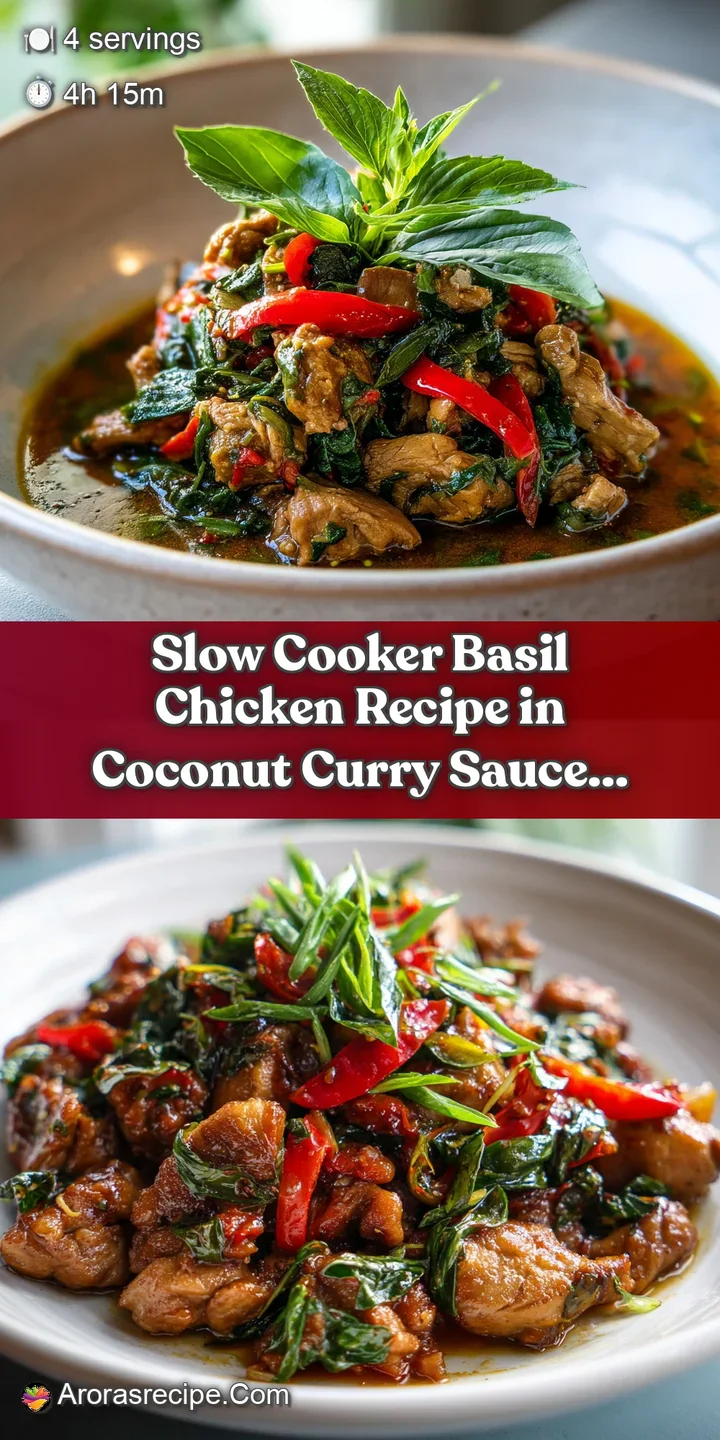
Slow Cooker Basil Chicken in Coconut Curry Sauce
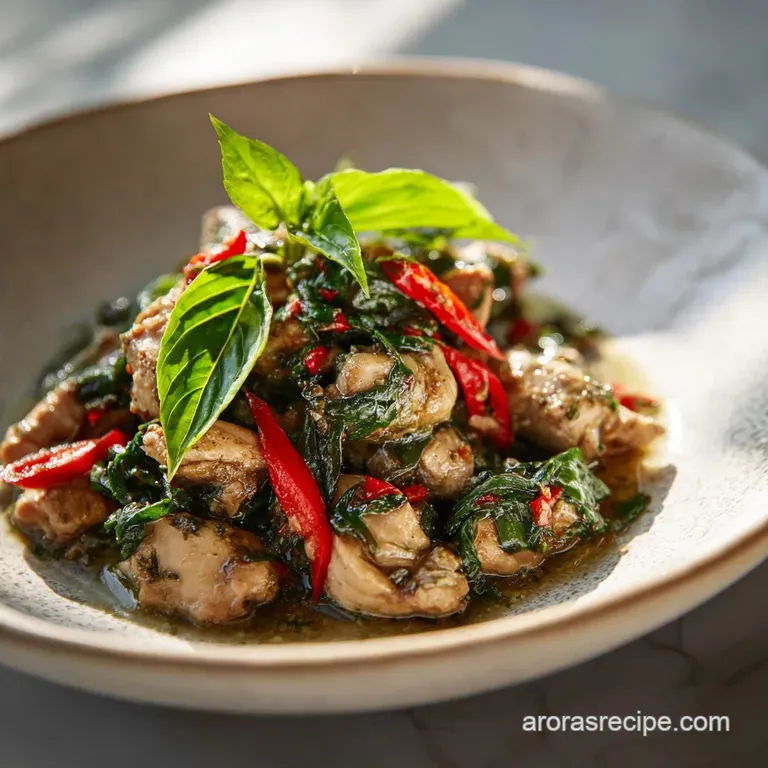
- Time: Active 15 minutes, Passive 4 hours, Total 4 hours 15 minutes
- Flavor/Texture Hook: Silky, aromatic, and savory sweet
- Perfect for: Busy weeknights or cozy meal prep Sundays
- The Science Behind Silky Curry Sauce
- Essential Stats for This Curry Recipe
- Selecting the Best Fresh Ingredient Elements
- Tools Required for Easy Pot Prep
- Simple Steps for Building Deep Flavors
- Fixing Common Slow Cooker Curry Mishaps
- Smart Swaps for Different Dietary Needs
- Debunking Common Slow Cooker Beliefs
- Storing Leftovers for Best Flavor Later
- Plating Your Colorful Coconut Chicken Meal
- HIGH in Sodium
- Recipe FAQs
- 📝 Recipe Card
The Science Behind Silky Curry Sauce
Getting a slow cooker sauce right involves more than just luck; it's about managing moisture and fat. Since the lid stays on, no steam escapes, meaning your flavors need to be concentrated from the start to avoid a bland, washed out result.
- Gentle Emulsification: The fat in full fat coconut milk acts as a buffer, surrounding the protein molecules in the chicken to keep them from tightening up and becoming tough.
- Aromatic Volatility: Adding the Thai basil at the very end prevents the essential oils from evaporating, ensuring that peppery punch stays in the bowl rather than escaping into the air.
- Starch Gelatinization: Using a cornstarch slurry at the finish creates a network that traps water molecules, turning a thin liquid into a glossy, lip smacking glaze.
| Thickness | Internal Temp | Rest Time | Visual Cue |
|---|---|---|---|
| 1.5 inch chunks | 165°F | 5 mins | Opaque and pulls apart easily |
| 1 inch chunks | 165°F | 3 mins | Edges look soft and juice runs clear |
| Half inch strips | 165°F | 2 mins | Curled slightly and fully white inside |
When you're dealing with poultry in a slow cooker, the cut of meat makes all the difference. While breasts might seem healthier, they often dry out long before the sauce has time to develop its character.
Thighs are the secret weapon here because their higher fat content handles the long, slow heat without turning into cardboard.
Essential Stats for This Curry Recipe
Before we get our hands messy, let's look at why these specific ingredients work together so well. Every component has a job, from providing structural body to balancing out the heat of the red curry paste. This isn't just a random list; it's a calculated balance of salt, fat, acid, and heat.
| Ingredient | Science Role | Pro Secret |
|---|---|---|
| Coconut Milk | Primary Emulsifier | Use full fat for a richer, more stable sauce |
| Red Curry Paste | Flavor Concentrate | Sauté it with ginger first if you want extra depth |
| Fish Sauce | Umami Provider | Provides depth that salt alone cannot achieve |
| Cornstarch | Thickening Agent | Always mix with cold water to avoid lumps |
The chemistry of the red curry paste is particularly interesting. The capsaicin in the chilies is fat soluble, which is why it tastes so much better when swirled into the creamy coconut milk.
If you find your curry is too spicy, adding a splash more coconut milk or a pinch of extra brown sugar can help neutralize that burn on the palate.
If you’re looking to round out this meal, it pairs perfectly with a side of fluffy jasmine rice. Or, if you have leftovers the next day, you can actually toss some of the extra sauce into a Chicken Fried Rice recipe to give it a tropical, aromatic twist.
Selecting the Best Fresh Ingredient Elements
Success starts with the shopping basket. For this Slow Cooker Thai Basil Chicken, you want to look for the freshest aromatics possible. If your ginger looks shriveled or your basil is turning black, the final dish will taste muted. Trust your senses when picking through the produce aisle.
- 2 lbs boneless skinless chicken thighs: Trim the excess fat, but keep enough for flavor. Cut into 1.5 inch chunks.
- 1 large red onion: Sliced into half moons for a bit of texture.
- 4 cloves garlic: Mined fine. Why this? Fresh garlic provides a sharp bite that jarred versions lack.
- 1 tablespoon fresh ginger: Grated. Why this? Ginger adds a zingy heat that cuts through the creamy coconut.
- 1 red bell pepper: Sliced thin for color and sweetness.
- 1 cup snap peas: These add a much needed crunch.
- 14 oz full fat coconut milk: Don't use the light version; it will result in a watery mess.
- 3 tablespoons red curry paste: Adjust this based on your heat tolerance.
- 2 tablespoons fish sauce: This is your salt and savoriness combined.
- 1 tablespoon brown sugar: To balance the salty and spicy notes.
- 1 tablespoon lime juice: Added at the end to brighten the heavy fats.
- 1.5 cups fresh Thai Basil leaves: This is the star of the show.
- 1 tablespoon cornstarch: For the thickening slurry.
- 1 tablespoon cold water: To mix with the cornstarch.
Chef Tip: Freeze your ginger for 10 minutes before grating. It makes the fibers much easier to break down, and you won't end up with a stringy mess in your grater.
Finding Thai basil can sometimes be a hunt, but it’s worth it. It has a distinct anise or licorice flavor that regular sweet Italian basil just doesn't have. If you absolutely can't find it, you can use regular basil with a tiny pinch of ground cloves, but the profile will definitely shift.
Tools Required for Easy Pot Prep
You don't need a kitchen full of gadgets for this, but a few specific items make the process much smoother. Having the right tools means less cleanup and a more consistent result every time you cook.
2 Must Have Tools
First, a 6 quart slow cooker is the ideal size for this amount of chicken. If your pot is too large, the sauce might spread too thin and burn; if it's too small, the chicken won't cook evenly. Second, a microplane or a fine grater is essential for the ginger and garlic.
You want them to melt into the sauce, not bite into a big chunk of raw ginger mid meal.
While the slow cooker is our main method here, it's worth noting how it compares to other ways you might cook this. Sometimes I get asked if you can just do this in a skillet or the oven. You can, but you lose that specific "set it and forget it" magic.
| Method | Time | Texture | Best For |
|---|---|---|---|
| Slow Cooker | 4 hours | Meltingly tender | Busy days and deep flavor |
| Stovetop | 30 mins | Firmer chicken | Quick weeknight cravings |
| Oven (Dutch Oven) | 1.5 hours | Rich and caramelized | Weekend slow cooking |
The stovetop method is great if you're in a rush, but the chicken won't be quite as velvety as the Basil Crockpot Chicken version. The slow, consistent heat of the crockpot allows the connective tissue in the thighs to break down completely, which is something you just can't rush in a frying pan.
Simple Steps for Building Deep Flavors
Right then, let's get to the actual cooking. The beauty of this Slow Cooker Thai Basil Chicken is that it’s mostly assembly. However, the order in which you add things matters for the final texture.
- Prep the chicken. Cut the 2 lbs of thighs into 1.5 inch chunks. Note: Keeping the sizes uniform ensures they all finish at the same time.
- Whisk the base. In a medium bowl, combine the 14 oz coconut milk, 3 tablespoons curry paste, 2 tablespoons fish sauce, and 1 tablespoon brown sugar.
- Layer the slow cooker. Place the chicken, sliced red onion, minced garlic, and grated ginger into the bottom of the pot.
- Pour the sauce. Cover the chicken mixture with the coconut curry blend and stir gently to coat.
- Cook on Low. Cover and cook for 3.5 hours. Wait until the chicken is tender and the sauce is bubbling softly.
- Add the vegetables. Stir in the sliced red bell pepper and 1 cup snap peas. Note: We add these late so they stay vibrant and don't turn to mush.
- Thicken the sauce. Mix the 1 tablespoon cornstarch with 1 tablespoon cold water and stir it into the pot.
- Final simmer. Cook for another 30 minutes until the sauce is glossy and coats the back of a spoon.
- Finish with freshness. Stir in the 1 tablespoon lime juice and the 1.5 cups of fresh Thai basil leaves.
- Serve immediately. Ladle the Coconut Curry Basil Chicken over rice and enjoy.
One thing I've learned the hard way: don't be tempted to cook this on "High" to save time. Coconut milk is prone to curdling if it gets too hot too fast. Stick to the "Low" setting for the full 4 hours to keep that sauce looking velvety and professional.
Fixing Common Slow Cooker Curry Mishaps
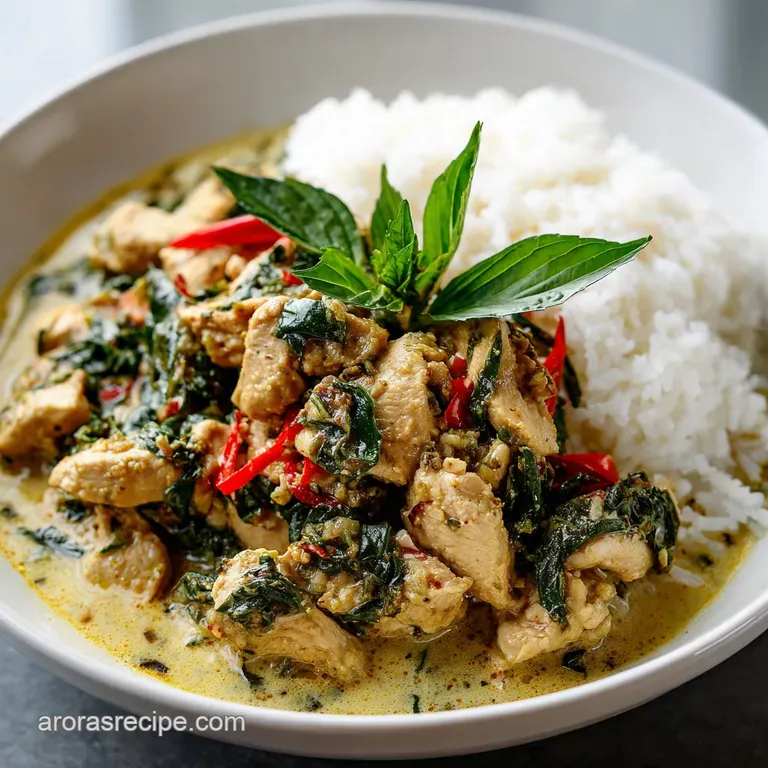
Even the best of us hit a snag sometimes. Maybe you forgot to stir the cornstarch, or perhaps your curry paste was a bit more "fire" than "flavor." Don't panic; most slow cooker issues are easily fixed with a little kitchen chemistry.
1. The Sauce is Too Thin
This usually happens because the vegetables released more water than expected. If your 30 minute final simmer with the cornstarch didn't do the trick, you can take the lid off and turn the slow cooker to "High" for the last 15 minutes. This allows some of the moisture to evaporate.
Just keep an eye on it so it doesn't reduce too much and become overly salty.
2. The Curry is Too Salty
Fish sauce is incredibly flavorful but can be quite salty. If you find the flavor too aggressive, try adding a little more brown sugar or a splash of lime juice. The acid and sweetness work together to distract your taste buds from the salt.
If it's really bad, a few extra tablespoons of coconut milk can help dilute the seasoning.
| Problem | Root Cause | Solution |
|---|---|---|
| Broken sauce | Too much heat | Stir in a splash of cold coconut milk |
| Tough chicken | Cooked on High | Stick to Low setting for 4 hours |
| Bland flavor | Old curry paste | Add a squeeze of lime or extra fish sauce |
Sometimes the simplest mistakes are the ones that ruin a meal. To make sure your Slow Cooker Basil Chicken Recipe in Coconut Curry Sauce turns out perfectly every time, keep this checklist in mind before you start.
- ✓ Pat the chicken dry before cutting to ensure a better texture
- ✓ Always use full fat coconut milk to prevent the sauce from breaking
- ✓ Don't add the basil at the start - it will turn bitter and brown
- ✓ Use a cold water slurry for the cornstarch to avoid unsightly white lumps
- ✓ Taste your curry paste before adding; some brands are significantly saltier than others
Smart Swaps for Different Dietary Needs
I know we all have different pantry staples or dietary goals. The great thing about Coconut Curry Basil Chicken is how flexible it is. You can swap out the protein or the veggies without ruining the soul of the dish.
1. The Heat Adjuster
If you love heat, swap the red curry paste for green curry paste. It’s usually brighter and packs a more significant punch of Thai chili. If you’re cooking for kids or those who prefer things mild, use a yellow curry paste or just reduce the red paste to one tablespoon.
You can always add more at the end, but you can't take it out once it's simmered!
2. Low Carb Swap
For those watching their carbs, skip the jasmine rice. This curry is incredible served over cauliflower rice or even just in a big bowl as a stew. You can also add more fiber by throwing in extra bamboo shoots or broccoli florets during the last 45 minutes of cooking. If you're doing a low carb version, maybe serve it alongside a crisp salad with my Cajun Tartar Sauce recipe used as a zesty dipping base for some grilled shrimp on the side.
| Original Ingredient | Substitute | Why It Works |
|---|---|---|
| Chicken Thighs | Firm Tofu (pressed) | Absorbs the curry flavors well. Note: Texture is softer than meat |
| Fish Sauce | Soy Sauce | Provides saltiness. Note: Lacks the traditional funky umami of fish sauce |
| Brown Sugar | Honey or Maple Syrup | Adds sweetness to balance heat. Note: Slightly different flavor undertones |
If you find yourself needing to feed a crowd, scaling this recipe up is fairly straightforward. Just remember that in a slow cooker, doubling the liquid doesn't necessarily mean you need to double the spices.
Scaling Up (2x): Use 4 lbs of chicken. Increase the coconut milk and curry paste, but keep the fish sauce at 1.5x to start. You can always add more later. You might need a larger 8 quart slow cooker to ensure even heating.
Scaling Down (0.5x): Use 1 lb of chicken. Reduce the cook time by about 20% and use a smaller 3 quart slow cooker so the sauce doesn't evaporate too quickly.
Debunking Common Slow Cooker Beliefs
There's a lot of advice out there about slow cooking that just isn't true. Let's clear up a few things so you can cook with confidence.
First, you don't actually need to brown the chicken before it goes in the pot for this specific recipe. While searing adds flavor to a beef roast, the delicate coconut milk and curry paste provide so much flavor that the extra step of browning the chicken is largely unnecessary and can actually make the meat tougher.
Second, "High" is not just a faster version of "Low." On most slow cookers, both settings eventually reach the same temperature (just below boiling). The difference is how fast they get there.
For dairy based sauces like this one, the rapid climb of the "High" setting can cause the proteins in the coconut milk to clump together, giving you a grainy sauce rather than a silky one.
Storing Leftovers for Best Flavor Later
Curry is one of those magical foods that often tastes better the next day. As it sits in the fridge, the aromatics from the ginger and garlic continue to permeate the chicken, creating a deeper flavor profile.
- Fridge Logic: Keep your leftovers in an airtight container for up to 3 days. When reheating, do it gently on the stove over low heat. If the sauce has thickened too much in the cold, add a splash of water or coconut milk to loosen it up.
- Freezer Tips: You can freeze this curry for up to 2 months. However, be aware that coconut milk can sometimes separate after thawing. To fix this, whisk it vigorously while reheating to bring the emulsion back together.
- Zero Waste: Don't throw away the cilantro stems or the white parts of the green onions if you're using them as garnish. They can be finely chopped and added to the slow cooker at the beginning for extra flavor. Any leftover sauce can be used to poach eggs the next morning for a "Thai style" shakshuka.
Plating Your Colorful Coconut Chicken Meal
We eat with our eyes first, especially with a dish as vibrant as this. The contrast between the creamy, pale orange sauce, the bright red peppers, and the deep green basil is stunning if you play it up correctly.
1. Contrast & Color
Serve the curry in a wide, shallow bowl rather than a deep one. This allows the ingredients to spread out so you can see the different textures. A big mound of white jasmine rice on one side provides a clean background for the colorful sauce.
If you want to go the extra mile, a few slices of fresh red chili on top add a professional touch.
2. Texture Toppings
While the slow cooker makes everything soft and tender, adding a bit of crunch at the end really makes the dish pop. A handful of crushed roasted peanuts or some crispy fried shallots adds a savory crunch that complements the velvety chicken.
Don't forget an extra squeeze of fresh lime right before you dive in; that hit of acid wakes up all the heavy, creamy flavors and makes the basil sing.
This Thai Basil Chicken Crockpot meal is a testament to the fact that you don't need to spend hours at the stove to eat something that feels special. It's about letting the heat do the work and choosing ingredients that play well together. Give it a try next time the rain starts falling in your neck of the woods!
HIGH in Sodium
1048 mg mg of sodium per serving (46% % of daily value)
American Heart Association recommends limiting sodium intake to about 2,300mg per day.
Sodium Reduction Tips for Red Curry:
-
Reduce Fish Sauce-25%
Fish sauce is a major source of sodium. Reduce the amount from 2 tablespoons to 1, or substitute with a low-sodium soy sauce alternative or coconut aminos. Taste and adjust accordingly.
-
Lower Sodium Curry Paste-20%
Red curry paste often contains a significant amount of salt. Look for a lower sodium version, or make your own using fresh spices and herbs to control the sodium content. This will reduce sodium levels by approximately 20%.
-
Unsalted Coconut Milk-10%
Although coconut milk itself usually doesn't have sodium, double check the label of the brand that you use. If sodium is present, select an unsalted version.
-
Increase Other Flavors
Enhance the flavor with more ginger, garlic, lime juice, and Thai basil to compensate for the reduced saltiness from the other ingredients. Do not add any salt.
-
Fresh Herbs & Spices
Use fresh herbs and spices generously to boost flavor without adding sodium. Experiment with different combinations to create unique and delicious flavor profiles.
Recipe FAQs
Can I use chicken breasts instead of thighs in the slow cooker?
No, chicken thighs are highly recommended. Thighs contain more fat, which allows them to stay moist and tender during the long, slow cooking time; breasts tend to dry out quickly.
How do I prevent the coconut curry sauce from separating or curdling?
Cook exclusively on the "Low" setting. High heat causes the fat in the coconut milk to separate from the liquid, resulting in a grainy texture, which is a common slow cooker mistake.
How to incorporate the cornstarch slurry for thickening the sauce correctly?
Whisk the cornstarch with cold water first to create a slurry. Stir this mixture into the slow cooker during the final 30 minutes of cooking on High until the sauce coats the back of a spoon.
Is it true that I must sear the chicken before adding it to the slow cooker?
No, this is a common misconception for this specific recipe. Since the coconut curry provides intense flavor upfront, browning the chicken adds unnecessary cleanup time without significantly improving the final taste or texture.
How far in advance can I prepare the ingredients?
Chop vegetables and pre-mix the sauce components up to 24 hours ahead. Keep the fresh Thai basil separate and add it only during the final 5 minutes of cooking to preserve its aromatic oils.
What can I substitute for fish sauce if I need a non-fermented flavor?
Use soy sauce as the primary substitute for salt and umami. However, it lacks the distinct funkiness fish sauce provides; for a different savory depth, you might explore recipes using rich glazes like our Mushroom Sauce Recipe.
When should the fresh Thai basil be added for the best flavor?
Stir the fresh basil in during the last 5 minutes of cooking. Adding it too early causes its essential oils to evaporate or turn bitter, masking the bright, peppery notes that define the dish.
Slow Cooker Basil Chicken Curry
Ingredients:
Instructions:
Nutrition Facts:
| Calories | 552 kcal |
|---|---|
| Protein | 48.2 g |
| Fat | 31.4 g |
| Carbs | 17.6 g |
| Fiber | 2.1 g |
| Sugar | 8.2 g |
| Sodium | 1048 mg |
