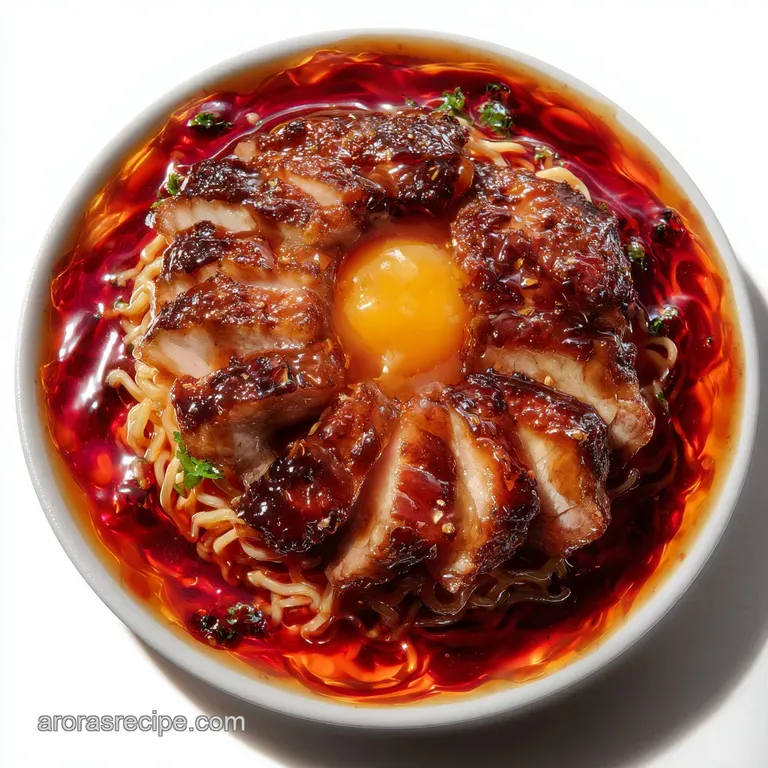
Spicy Tonkotsu Ramen the Midnight Express Rich Creamy Broth
- The Deep Dive: Understanding Proper Spicy Tonkotsu Ramen
- The Building Blocks: Sourcing the Essential Broth Components
- Phase One: Mastering the Ultimate Rich and Creamy Broth
- Expert Tips and Troubleshooting for Advanced Ramen Makers
- Customizing Your Bowl and Recommended Accompaniments
- Recipe FAQs
- 📝 Recipe Card
The Deep Dive: Understanding Proper Spicy Tonkotsu Ramen
Look, if you’re here, you already know the stakes. We aren’t making lukewarm instant noodles and calling it a night. We are committing to the most luxurious, deeply savoury soup base known to man.
This Spicy Tonkotsu Ramen is a weekend project, a spiritual journey, and frankly, a biceps workout (that straining pot is heavy). But the reward? A bowl so rich it feels like a hug from the inside out. When you’ve made true Tonkotsu from scratch, you realize nothing else even comes close. Trust me on this.
What Does "Tonkotsu" Truly Mean? (The Science of White Broth)
Tonkotsu literally means "pork bones." Simple, right? But the magic isn’t just using the bones; it’s how you cook them. Many people simmer stock gently for clarity. We do the opposite. We want chaos.
The milky white colour, called paitan (white broth), isn't just fat floating around. It's a proper emulsion. By boiling the bones furiously for hours and hours, we shatter the collagen, marrow, and fat cells into microscopically small particles.
These particles stay suspended in the water, giving the broth that characteristic opaque, velvety texture. If your broth is clear, you failed the assignment. It’s not just soup, folks. It’s an entire personality.
The Culinary Marathon: Is the Long Simmer Worth the Wait?
Is it worth staying up until 2 AM stirring a massive pot just to top up the water level? Yes. A thousand times yes. I once tried a six-hour Tonkotsu hack because I was impatient (and hangry). It tasted thin, salty, and utterly depressing. It lacked the depth.
The long simmer is where those amino acids the good stuff, the umami are slowly extracted, transforming simple water and bones into something deep and complex.
Warning: You cannot rush truly great Spicy Tonkotsu Ramen. The 14 to 18 hours isn't negotiable if you want that creamy texture and deeply porky flavour. Plan ahead or don't bother.
Meet the Kicker: Building Our Signature Spicy Miso Tare
If the broth is the body, the tare (flavour base) is the soul. Tonkotsu is incredibly rich, and if you just serve it plain, it can sometimes feel heavy after a few slurps. That’s why we need a vibrant, powerful counterpoint.
We're building a bespoke spicy miso tare base that sits at the bottom of the bowl. It combines the earthiness of red miso ( akamiso ) with the bright, nutty fire of Japanese chili oil ( Rayu ) and some raw garlic funk.
This base is what carries the "spicy" in Spicy Tonkotsu Ramen, cutting through the intense fat of the pork broth perfectly.
The Building Blocks: Sourcing the Essential Broth Components
Getting the right ingredients is 80% of the battle. Seriously. You can’t substitute a few chicken thighs and call it Tonkotsu.
Achieving the Emulsion: Selecting the Right Pork Bones and Fat
When I first started Asian cooking, I used generic soup bones, which was a mistake. We need maximum collagen. That means prioritizing two things:
- Pork Trotters (Feet): These are pure collagen delivery systems. They look a bit gnarly, but they break down into gelatinous goodness that guarantees viscosity.
- Neck Bones or Knuckles: These have high marrow and fat content, which is crucial for achieving that brilliant white emulsification.
Ask your butcher to saw them into smaller, three-to-four inch pieces. This massively increases the surface area for extraction.
Aromatics and Stabilizers: The Vegetable Powerhouse
We keep the aromatics simple because they are going to simmer for over half a day. Delicate herbs would just turn bitter and gross.
- Onion, ginger, and garlic (smashed whole) go in near the beginning. They are the background singers, adding depth without overtaking the pork.
- I hold the green part of the scallions until the last two hours.
| Ingredient Type | Function in Broth |
|---|---|
| Bones (Trotters/Knuckles) | Collagen, Fat, Richness |
| Onion/Ginger/Garlic | Depth, Cleanliness |
| Scallions (Late Addition) | Freshness, Aromatic Lift |
Water Quality and Simmering Vessels (Equipment Check)
This is an 18-hour job. If your tap water tastes slightly chlorinated, your broth will taste slightly chlorinated. Filtered water is your friend here.
Also, you need a seriously massive pot. A 6-quart Dutch oven is too small. I usually pull out my 20-quart stockpot for this Spicy Tonkotsu Ramen recipe. Why? Because you start with 6 quarts of water, and you must have room to maintain that rolling boil and continuously top up the water supply without splashing over.
The Secret Weapon: Assembly of the Spicy Miso Tare Base
Our tare needs to be powerful. Don't use mild white miso. It'll get lost. Red miso (akamiso) has that salty, fermented punch we need. The heat comes from Rayu, or if you can't find that, a high-quality roasted chili oil.
I highly recommend mixing the miso with a little toasted sesame oil first it prevents the miso from clumping when the hot broth hits it.
Selecting Perfect Ramen Noodles (Fresh vs. Dried Strategy)
This is simple: Fresh is always better. Look for thin, straight noodles, sometimes labeled Hakata style, as they pair best with the rich, thick Tonkotsu broth. If you can only find dried, please, I beg you, cook them for one minute less than the package recommends.
They will finish cooking and soften instantly when they hit the piping hot broth. Nothing ruins a 16-hour broth like mushy noodles.
Must Have Condiments and Traditional Garnishes
We need texture and contrast. This bowl is rich, so we must add freshness and crunch.
- Ajitama: The marinated soft boiled egg. Non-negotiable.
- Kikurage: Sliced wood ear mushrooms. They add an amazing, slightly snappy texture.
- Menma: Fermented bamboo shoots. They provide a vital acidic, savoury contrast.
Related Recipes Worth Trying
- Gochujang Tofu The Best Crispy Sticky SweetandSpicy Glaze — Gochujang Tofu is an addictive sweetandspicy weeknight dinner This vegan gochujang tofu recipe uses the air fryer or panfry method to deliver maximum...
- Spicy Kani Salad Creamy Crunchy RestaurantQuality Recipe — This ultimate Spicy Kani Salad recipe delivers authentic sushi bar flavor at home Get creamy crab salad texture and fierce heat in just 15 minutes of prep
- Essential Dashi Broth Recipe Pure Umami Base for Miso Ramen — Master authentic Dashi broth Japanese soup stock in just 25 minutes This recipe is the clean foundational umami kick your miso and ramen bases need
Phase One: Mastering the Ultimate Rich and Creamy Broth
Right then, let's crack on. This is where your commitment pays off.
The Crucial Step: Preparing and Blanching the Pork Bones
Seriously, don't skip this. I skipped this once, thinking it was optional, and my broth tasted like the bottom of a rusty sink. Lesson learned.
Start the bones in a large pot covered with cold water. Bring it to a roaring boil. You’ll see a disgusting foam and grey scum rise up. Boil vigorously for 15 minutes, scraping that stuff off like your life depends on it.
Then, dump out all the water, take the bones to the sink, and rinse them one-by-one until they are pristine white and clean. This initial blanching removes all the impurities that inhibit a pure, creamy broth.
The High Heat Boil: Initiating the Emulsification Process
Return those gorgeous, clean bones to the pot. Cover them with fresh, cold, filtered water (6 quarts). Add the initial aromatics (onion, smashed garlic, ginger). Turn the heat up to maximum. We are not simmering; we are boiling .
This pot needs to be bubbling aggressively, the surface churning like a small ocean wave. This rapid agitation is what begins the emulsification. If the broth looks clear after two hours, crank the heat higher!
Sustained Vigour: Maintaining the Raging Boil (The 10-Hour Watch)
You need to keep this boil going hard for 14 to 18 hours. I know. It sounds insane. But this is the process. Every few hours, you will notice the water level dropping dramatically.
You must top it up with hot water (adding cold water drops the temperature and halts the process). You want to maintain a constant level of water just covering the bones. At the 10-hour mark, when you are probably contemplating life choices, throw in the green parts of the scallions.
After 16 hours, it should look cloudy, yellowish, and smell profoundly porky. Strain it through a fine sieve, pressing hard on the solids to get every last bit of fat and marrow. Then, use an immersion blender to blitz the hot liquid for about five full minutes.
Watch the magic happen: the yellowish liquid instantly turns into a stunning, bright, creamy white. That is your paitan .
Brewing the Potent Aromatics and Tare Infusion
Remember, we don't season the main broth with the tare . The tare is for the bowl. We season the broth itself lightly with just salt (you’ll need more than you think) to bring out the pork flavour. The tare will provide the sodium kick and the heat.
The Art of Assembly: Layering Components for the Perfect Bite
The order matters, otherwise the tare just sits at the bottom like a sad sludge.
- Warm the Bowl: Pour boiling water into your serving bowls and immediately dump it out.
- Add the Tare: Place 2 tablespoons of your Spicy Miso Tare into the bottom of the hot bowl.
- Integrate: Ladle the piping hot, recently blitzed Tonkotsu broth directly over the tare and whisk immediately with your ladle or chopsticks until fully dissolved.
- Noodles: Add the perfectly cooked, drained noodles.
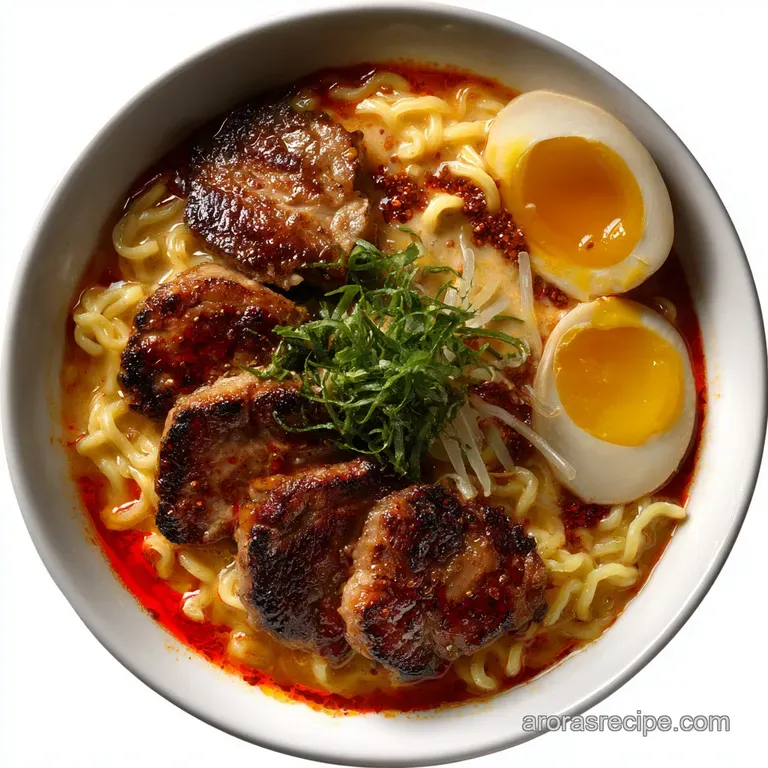
- Toppings: Place the chashu, half an ajitama egg, mushrooms, and menma strategically.
Dialing in the Intensity: Adjusting Heat Levels for Your Signature Spicy Tonkotsu Ramen
The spicy component comes almost entirely from the tare . If you like nuclear level heat, you have options:
- Up the Rayu: Simply double the amount of chili oil in the miso paste.
- Add Powder: Whisk a tiny pinch of Korean chili flake (gochugaru) or a hot cayenne pepper into the tare mix.
- Go Black: Drizzle in a small amount of potent Mayu (black garlic oil) for a smoky, bitter heat layer that is surprisingly addictive.
Expert Tips and Troubleshooting for Advanced Ramen Makers
How to Fix a "Thin" Broth (Rescuing Your Emulsion)
If you have simmered for 16 hours and your broth is still translucent, you didn't boil hard enough. That’s okay. We can salvage it.
You have two choices:
- The Aggressive Blender: Strain everything out, and then blitz the broth again for 10 full minutes with a high powered blender. This sometimes forces the emulsion.
- The Cream Cheater: If that fails, reheat the broth and stir in a splash of heavy cream. Yes, it’s cheating, but it gives you that silky mouthfeel while still retaining the deep pork flavour you built. Don't tell anyone I told you that.
Efficient Kitchen Timeline: Splitting the Prep Over Two Days
Trying to do all this in one day is burnout central. I always split my Spicy Tonkotsu Ramen creation:
Day 1 (Afternoon): Make the Chashu. Marinate the eggs. Start the broth (blanch and begin the rolling boil).
Day 1 (Evening/Overnight): Maintain the boil, topping up water every 3– 4 hours.
Day 2 (Morning): Finish the broth. Strain and emulsify. Prepare the tare and toppings. Assemble and devour.
Storing Leftovers and Freezing the Golden Broth
The broth freezes beautifully. Ladle it into airtight containers before you season it with salt. If you season it and then freeze it, the salt concentration can become weirdly intense when you reheat it. Frozen, unseasoned Tonkotsu broth lasts for three months.
You can reheat it quickly and then season the portion just before serving.
Customizing Your Bowl and Recommended Accompaniments
Protein Swaps: Using Chicken or Beef Bones for Depth
While the official name is Tonkotsu (pork), you can absolutely use chicken bones if you don't eat pork. Use massive amounts of chicken feet, necks, and backs. They are incredibly high in collagen and can produce a surprisingly good, creamy Torikotsu (chicken bone broth).
You follow the exact same high heat, long simmer technique.
Maximizing the Umami: Alternative Seasonings and Oils
Umami isn't just one flavour; it's layers. Try incorporating these for an even deeper, more powerful Spicy Tonkotsu Ramen bowl:
- A spoonful of preserved ground garlic and chili, fried until crispy.
- A pinch of dried katsuobushi (bonito flakes) or dried shiitake mushroom powder added to the final tare .
- A dash of good quality fish sauce (if you aren't a strict traditionalist) when seasoning the broth.
Pairing Recommendations: What to Drink with Intense Spicy Ramen
This ramen is rich, heavy, and spicy. You need something cold and carbonated to cut through all that fat and heat.
- A crisp, cold Japanese lager (like Kirin or Asahi) is classic for a reason. Its light, sharp profile is the perfect foil.
- If you don't drink alcohol, a sparkling lemonade or a cold barley tea will refresh your palate between those rich, savoury slurps. You need that acidity!

Recipe FAQs
Crikey, 18 hours is a long time! Is there a speedy shortcut for the Tonkotsu broth?
While nothing truly beats the flavour depth of the proper long simmer, if time is genuinely of the essence, try the ‘Quick Cheater Broth’ variation outlined in the tips section. This uses stock, cream, and ground pork to mimic the creamy texture (paitan) in about two hours, though purists might tut.
I followed the instructions, but my broth isn't that lovely, milky white colour. What went wrong?
The secret lies in the aggression you must maintain a constant, vigorous, rolling boil for the entire duration, not just a gentle simmer. This continuous agitation is what forces the fat, water, and collagen to emulsify completely, turning the liquid into that signature opaque white.
The spicy miso tare is spot-on, but I need more of a kick! How do I safely increase the heat in this Spicy Tonkotsu Ramen?
The best way to turn up the heat without disrupting the overall balance of the Spicy Tonkotsu Ramen is to increase the amount of Rayu (Japanese chili oil) in the tare, or drizzle an extra teaspoon of chili oil directly over the finished bowl as a garnish.
This recipe yields a fair few servings can I batch make and store the leftovers?
Absolutely! The broth, chashu, and tare can all be stored separately in the fridge for up to four days or frozen for three months; however, never store pre-assembled bowls, as the noodles will absorb the rich broth and turn into a soggy mess.
That fat content looks like it could sink a battleship! Is there a simple way to reduce the richness?
Don't panic! Once the broth is strained and cooled, place it in the fridge overnight; a thick, solid fat cap will form on the surface, which you can easily scoop off before reheating and serving, resulting in a lighter mouthfeel.
Spicy Tonkotsu Ramen Broth Recipe
Ingredients:
Instructions:
Nutrition Facts:
| Calories | 5739 kcal |
|---|---|
| Protein | 285.3 g |
| Fat | 254.3 g |
| Carbs | 94.4 g |
| Fiber | 5.6 g |
| Sodium | 5635 mg |
