Best Steak and Side Dishes: Ribeye with Garlic Shrimp
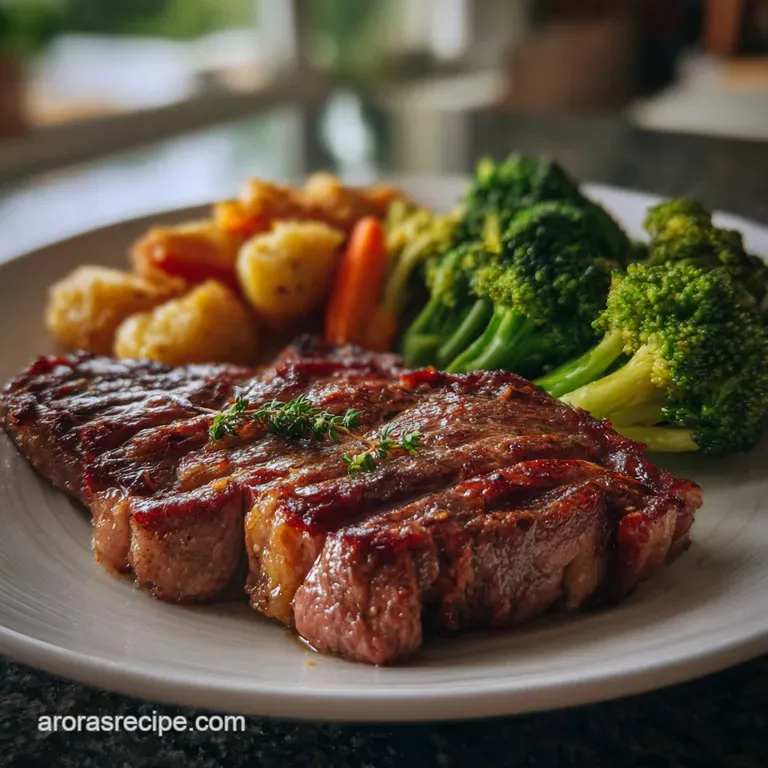
- Effort/Time: 50 minutes total (20 minutes prep / 30 minutes cook)
- Key Flavor Hook: Butter-basted garlic-thyme ribeye with lemon-zested "surf and turf" shrimp.
- Perfect for: Date nights, celebratory Sunday dinners, or when you need to feel like a Michelin-star chef in your own kitchen.
- Steak and Side Dishes: The Ultimate Home Cook’s Guide to Perfect Ribeye and Sides
- Mastering the Art of Steak and Side Dishes
- Why This Works: The Science of the Perfect Pairing
- Essential Ingredients and Smart Substitutions
- Step-by-Step: Preparing Your Steak and Side Dishes
- Expert Tips and Common Mistakes to Avoid
- Common Myths
- Storage, Freezing, and Reheating Guide
- Creative Serving Suggestions for Every Occasion
- Steak and Side Dishes: Expert FAQs
- 📝 Recipe Card
Steak and Side Dishes: The Ultimate Home Cook’s Guide to Perfect Ribeye and Sides
Listen, we’ve all been there. You spend a small fortune on beautiful, thick cut ribeyes, only to have them come out grey, chewy, or heaven forbid well done when you wanted medium rare. I used to be terrified of searing steak at home.
I thought you needed a commercial grade broiler or a degree in meat science. But after years of trial, error, and a few smoky kitchen alarms, I’ve realized that incredible steak and side dishes are all about two things: temperature control and timing.
There is something visceral about the sound of a cold steak hitting a ripping hot Lodge Cast Iron Skillet. That first hiss and sizzle tells you that magic is happening.
When you pair that steak with velvety, buttery potatoes and snappy shrimp, you aren't just making dinner; you’re creating an experience. This recipe focuses on a "Surf and Turf" style that feels incredibly indulgent but is actually quite manageable if you follow my workflow.
We’re talking about a crust so crisp it makes a "shatter" sound when your knife hits it, paired with sides that hold their own. Let’s get into how we make this happen without losing our minds in the process.
Mastering the Art of Steak and Side Dishes
The secret to mastering steak and side dishes lies in mise en place and understanding that the steak needs to rest for at least 10 minutes to allow juices to redistribute.
While the steak rests, you can finish your sides and sear the shrimp to ensure everything hits the table at the perfect temperature.
When we talk about best steak side dishes, we are looking for a balance of textures. You have the "chew" of the ribeye, the "fluff" of the mashed Yukon Golds, and the "snap" of the shrimp. This trio is a classic for a reason. If you want to go full steakhouse mode, you absolutely have to try my Easy Creamy Mushroom Sauce for Steak Quick Mushroo 15 Minute Recipe — it turns a standard dinner into a total event.
The workflow is the most important part of this dance. You start the potatoes first because they take the longest to boil and mash. While they simmer, you prep your steaks and shrimp.
By the time the steaks are resting under a loose tent of foil, you’re finishing the mash and flash frying the shrimp in the steak's leftover garlic butter. It’s efficient, it’s clean, and it works every single time.
Why This Works: The Science of the Perfect Pairing
Balancing Rich Umami with Acidic Sides
The science of great steak and side dishes revolves around the Maillard reaction a chemical reaction between amino acids and reducing sugars that gives browned food its distinctive flavor.
When we sear our ribeyes at high heat, we aren't just "locking in juices" (that's actually a myth!), we are creating hundreds of different flavor compounds that don't exist in raw meat. However, all that rich umami and fat from the ribeye can overwhelm the palate.
That’s why we use lemon juice and zest in our shrimp and side components. The acid cuts through the heavy fat, refreshing your taste buds for the next bite.
The Role of Texture in a 5 Star Meal
Texture is just as important as taste. When you use Yukon Gold potatoes, you’re dealing with a medium starch potato that has a naturally creamy, almost buttery flesh. Unlike Russets, which can turn mealy, Yukon Golds hold their structure while creating a velvety puree.
When paired with the "shatter crisp" crust of a pan-seared steak, you get a beautiful contrast between the soft mash and the resilient, juicy meat.
Achieving Restaurant Quality Results at Home
To get that "steakhouse crust," you need to manage moisture. If the surface of your steak is wet, the heat of the pan will spend all its energy evaporating that water (steaming the meat) rather than browning it. This is why we pat the meat dry with paper towels and use a high smoke-point neutral oil like avocado oil.
Once the crust is set, we drop the heat and add cold unsalted butter, garlic, and herbs. This "aromatic basting" (or arrosé) coats the steak in nut-brown butter, adding a layer of depth that a grill simply can't provide.
Essential Ingredients and Smart Substitutions
To make the best steak and side dishes, you need high-quality fats and heavy bottomed pans. Specific tools like a ThermoWorks Thermapen ensure your 1.5 inch ribeyes are pulled at exactly 130°F for a perfect medium rare, avoiding the guesswork of the "finger poke" test.
Choosing the Best Cut for Your Meal
We are using 1.5 inch thick ribeyes because the fat marbling (the intramuscular fat) melts during the cooking process, self basting the meat from the inside out. If you can't find ribeye, a New York Strip is an excellent runner-up, though it will be slightly leaner. I actually wrote a whole deep dive on Steak and Mushrooms: Pan-Seared Ribeye with Garlic Thyme Sauce if you want to swap the shrimp for fungi today.
Pantry Staples for Flavorful Accompaniments
Don't skimp on the salt. I recommend using Maldon Flaky Sea Salt for finishing and a standard Kosher salt for the initial seasoning. The large crystals of sea salt provide a little "crunch" that highlights the richness of the beef.
For the sides, high fat heavy cream and European style butter (like Kerrygold) make a massive difference in the silkiness of your potatoes.
| Original Ingredient | Best Substitute | Why It Works |
|---|---|---|
| 4 Ribeye Steaks (1.5") | New York Strip Steaks | Similar fat content and thickness. Note: Strips have a tighter grain and may feel slightly firmer than ribeye. |
| 2 lbs Yukon Gold Potatoes | Russet Potatoes | High starch content makes for very fluffy mash. Note: Russets are thirstier; you may need 2 3 extra tablespoons of heavy cream. |
| 1/2 cup Heavy Cream | Full fat Coconut Milk | Provides similar fat/viscosity for creaminess. Note: Adds a subtle nutty/tropical aroma works well if using ginger or chili in the sides. |
| 2 tbsp Neutral Oil | Ghee (Clarified Butter) | High smoke point (450°F) with a rich, buttery flavor. Excellent for over high heat searing without burning milk solids. |
| Fresh Rosemary/Thyme | Dried Herbes de Provence | Contains thyme and savory notes. Note: Use 1/3 the amount of fresh; dried herbs are more concentrated and can become bitter if burned. |
step-by-step: Preparing Your Steak and Side Dishes
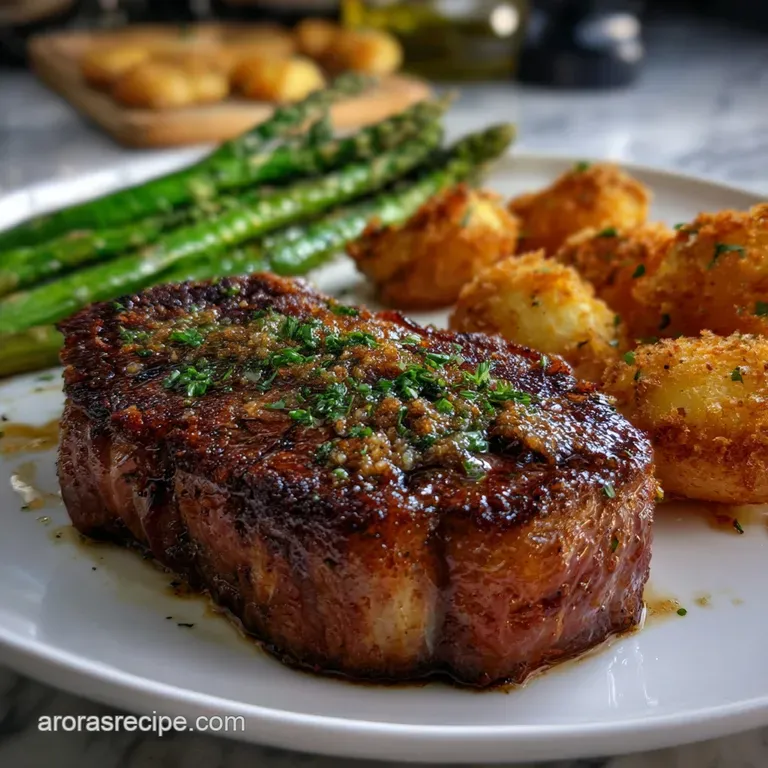
Prepping and Seasoning for Maximum Flavor
- Tempering the Meat: Remove your 4 ribeye steaks from the fridge 45 minutes before cooking. Cold meat in a hot pan causes the muscle fibers to "seize," resulting in a tougher steak.
- The Dry Brine: Pat the steaks bone dry with paper towels. Season aggressively with 1 tsp flaky sea salt and 1/2 tsp cracked black pepper. The salt will initially draw moisture out, but after 40 minutes, that seasoned liquid will reabsorb into the fibers, seasoning the steak deeply.
- Potato Start: Peel and cube your 2 lbs Yukon Gold potatoes. Place them in a pot of cold, salted water. Bring to a boil and simmer for 15 20 minutes until fork tender.
Techniques for the Perfect Pan-Sear
- The Sear: Heat 2 tbsp neutral oil in a heavy cast iron skillet over high heat until it just starts to smoke. Lay the steaks in away from you (to avoid oil splatter). Press down lightly to ensure contact. Sear for 3 4 minutes until a deep, mahogany crust forms.
- The Flip and Baste: Flip the steaks. Immediately add 4 tbsp unsalted butter, 4 cloves smashed garlic, and 3 sprigs fresh rosemary.
- The Arrosé: As the butter foams, tilt the pan and use a large spoon to continuously pour that hot, garlic infused butter over the steaks for the final 3 4 minutes of cooking.
- Temperature Check: Use an Instant read Digital Thermometer. Pull the steaks at 125°F-130°F for medium rare. They will rise to 135°F while resting.
Coordinating Cook Times for Hot Sides
- Rest the Meat: Move steaks to a warm plate and pour the pan juices over them. Tent loosely with foil.
- Finish the Mash: Drain potatoes. Use a KitchenAid Stand Mixer or a potato ricer to mash them with 4 tbsp unsalted butter and 1/2 cup heavy cream. Season with salt to taste.
- The Shrimp Finale: In the same steak pan (don't wash it!), toss in the 1 lb large shrimp. Sear for 2 minutes per side until pink and curled. Toss with 2 tbsp lemon juice and zest. The shrimp will pick up all that "steak gold" (the fond) left in the pan.
Expert Tips and Common Mistakes to Avoid
To elevate your steak and side dishes, you need to think like a professional chef. One unconventional trick I learned is to add a tiny pinch of espresso powder to the steak rub it doesn't taste like coffee, but it makes the beef taste "beefier" by enhancing the charred notes of the crust.
Another tip: always cold cube your butter for the mashed potatoes. Cold butter emulsifies more slowly with the hot potato starch, leading to a much creamier, less greasy texture.
| Problem | Why It Happens | The Fix | Pro Protocol |
|---|---|---|---|
| Steak is grey/no crust | Pan wasn't hot enough or meat was wet. | Pat meat dry and wait for oil to shimmer/smoke before adding steak. | Use an infrared laser thermometer to verify pan surface is at least 450°F. |
| Gummy mashed potatoes | Over working the starch (using a blender/food processor). | Use a ricer or masher; mix only until incorporated. | Ensure potatoes are dry-steamed in the pot for 1 minute after draining to remove excess water. |
| Shrimp are rubbery | Overcooked; shrimp cook in under 4 minutes. | Pull shrimp as soon as they form a "C" shape, not an "O" shape. | Use a cold pan technique if the steak pan is too hot; or just flash sear for 90 seconds per side. |
Common Myths
Myth: You should only flip a steak once. Truth: Flipping more often (every 30 60 seconds) actually helps the steak cook more evenly and faster, though you might sacrifice a tiny bit of crust thickness.
For this thick cut ribeye, one solid flip with frequent basting is the gold standard for that "crusty" finish.
Myth: Adding oil to potato water prevents sticking. Truth: Oil just floats on top and does nothing for the potatoes. The only thing you should add to your potato water is plenty of salt it's your only chance to season the potato from the inside out.
Myth: Steaks "seal in" juices. Truth: Searing creates flavor via the Maillard reaction, but a seared steak actually loses slightly more moisture than a non-seared one. The "juiciness" we perceive comes from the rendered fat and proper resting, not a magical seal.
Storage, Freezing, and Reheating Guide
Why You Must Never Skip Resting Your Meat
When meat cooks, the muscle fibers contract and push moisture toward the center. If you cut it immediately, that juice runs out onto the board. By resting for 10 minutes, the fibers relax and soak that juice back up. This is the difference between a dry steak and a succulent one.
Managing Kitchen Workflow Like a Pro
If you're making steak and side dishes for a crowd, keep your mashed potatoes in a slow cooker on the "warm" setting. This frees up your stove and ensures the side stays velvety while you focus on the over high heat searing of the ribeyes.
Preserving Texture During Reheating
Never use a microwave for steak. It turns beautiful ribeye into rubber. Instead, place the steak in a 250°F oven until it reaches an internal temp of 110°F, then flash sear it in a hot pan for 30 seconds to crisp the crust back up.
- Fridge: Store leftovers in airtight glass containers for up to 3 days.
- Freezer: Potatoes don't freeze well (they become grainy), but the cooked steak can be frozen for up to 2 months if vacuum sealed.
- Reheating Mash: Add a splash of milk and heat on the stovetop over low heat, whisking constantly to restore the emulsion.
Creative Serving Suggestions for Every Occasion
Best Containers for Leftover Sides
Use shallow airtight containers for the shrimp and steak to allow them to cool quickly, which prevents bacterial growth. For the mashed potatoes, a deep container is fine, but place a piece of plastic wrap directly on the surface of the mash before sealing the lid to prevent a "skin" from forming.
Classic Potato and Vegetable Pairings
While we’re doing steak and potato side dishes here, don't be afraid to add a green element. A quick pile of arugula tossed in lemon and olive oil provides a "peppery" bite that cuts through the steak's richness. If you're looking for a different vibe, check out this Crock Pot Jambalaya: Set-It and Forget-It Classic for your next big gathering.
Modern Garnishes and Finishing Oils
To take your steak and side dishes to the next level, finish the plate with a drizzle of high-quality truffle oil or a spoonful of XO Sauce: The Authentic Hong Kong Umami Gold Standard Recipe. The fermented scallops and chili in the XO sauce add an incredible funky depth to the ribeye.
Whether it’s a Tuesday night or a special anniversary, mastering steak and side dishes is a skill that will serve you forever. Just remember: dry the meat, salt it early, and don't be afraid of the heat. You've got this!
Recipe: Pan-Seared Ribeye with Yukon Gold Mash and Garlic Lemon Shrimp. Key Techniques: Dry-brining, Maillard reaction searing, and butter basting (arrosé). Ingredients (Exact Quantities): 4 ribeye steaks, 1.5 inches thick (approx.
12 oz each) 2 tbsp neutral oil (grapeseed or avocado) 4 tbsp unsalted butter (for basting) 4 cloves garlic, smashed 3 sprigs fresh rosemary or thyme 1 tsp flaky sea salt 1/2 tsp cracked black pepper 2 lbs Yukon Gold potatoes, peeled and cubed 1/2 cup heavy cream 4 tbsp unsalted butter (for potatoes) 1 lb large shrimp, peeled and deveined 2 tbsp lemon juice and zest
Instructions Summary: 1. Boil potatoes until tender, then mash with cream and butter. 2. Season steaks and sear in a hot cast iron pan for 3 4 minutes per side. 3. Baste steaks with garlic herb butter and rest for 10 minutes. 4.
Sear shrimp in the same pan for 2 minutes per side; finish with lemon. 5. Serve together for a complete "steak and side dishes" experience.
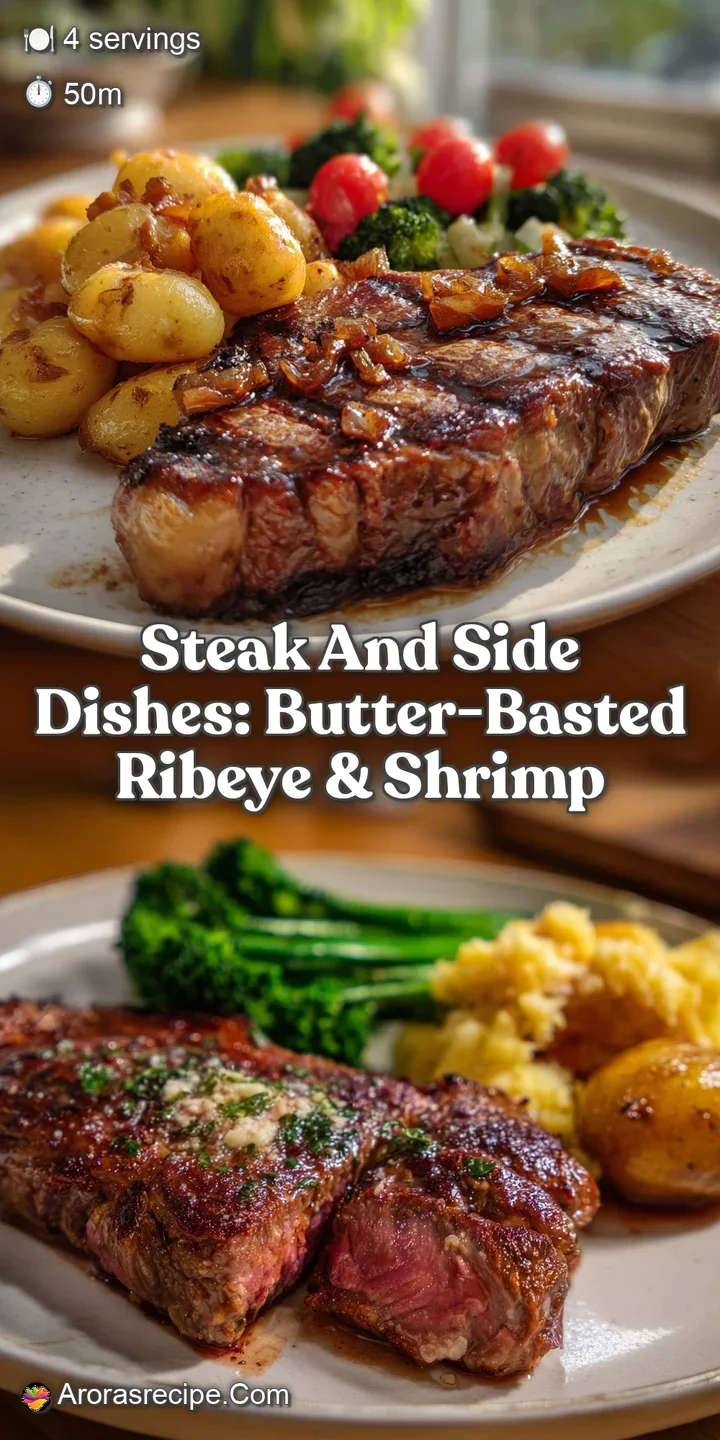
Steak and Side Dishes: Expert FAQs
What are the best side dishes to serve with a rich steak dinner?
The best sides balance richness with acidity or starch. A classic pairing involves a creamy starch, a bright vegetable, and perhaps something herbaceous. For a hearty meal, consider sides that complement the savory depth of the steak.
For exceptional starch options, you might review recipes like the Southern Cornbread Dressing Recipe for a unique, savory base, or stick to traditional mashed potatoes.
Why must I rest my steak after searing it before slicing?
Resting allows muscle fibers, constricted by heat, to relax and reabsorb internal moisture. When meat cooks, the proteins denature and squeeze out juices; immediate slicing releases this liquid, resulting in a dry steak.
Allow the steak to rest tented loosely with foil for 5 to 10 minutes. This essential step ensures the internal temperature equalizes, preventing "weeping" when you cut into the finished product.
Should I use fresh herbs or dried herbs when seasoning my steak?
Use fresh herbs for finishing and dried herbs for high heat searing. Fresh herbs, like parsley or chives, lose their volatile oils quickly under intense heat. Dried herbs have concentrated flavor that holds up better during the Maillard reaction on the crust.
- Dried (Thyme, Rosemary): Add during the final two minutes of searing or infuse into the basting butter.
- Fresh (Chives, Parsley): Sprinkle on immediately before serving for brightness and texture.
How long can I safely store leftover cooked steak in the refrigerator?
Cooked steak should be consumed within 3 to 4 days when stored properly. Bacteria growth accelerates rapidly above 40°F, so immediate refrigeration (within two hours) is crucial for safety.
For best quality, use airtight containers or a vacuum sealer. If you have very large leftovers, consider repurposing them immediately into something like chili or hash.
What main components make up a complete steak dinner meal?
A balanced steak meal requires the protein, a complementary starch, and a sharp, acidic vegetable. This structure cuts through the richness of the beef fat. A complete plate often centers around the rich main cut, like ribeye, balanced by lighter fare.
For example, a classic accompaniment includes mashed potatoes (starch), grilled asparagus (vegetable), and a pan sauce built from the fond. If you prefer an alternative centerpiece, consider something like the Bistec a Caballo, which incorporates eggs and sauce directly.
Is it a myth that poking the steak while cooking makes it tough?
No, it is absolutely true; frequently poking or pressing the steak releases crucial internal moisture. Each time you pierce the surface with a fork or press down with a spatula, you are encouraging the myofibrillar proteins to expel their held liquid.
The only time piercing is acceptable is when using an instant read thermometer to verify the internal temperature near the center, minimizing the number of punctures.
Beyond potatoes, what are some underrated side dish options for steak?
Underrated sides often introduce textural contrast or unexpected sweetness. Look for vegetable preparations that achieve crispness or incorporate fruit elements. These cut through the heavy mouthfeel of a fatty steak wonderfully.
Try roasting root vegetables like parsnips or Brussels sprouts until charred. For a savory, bread based side, you might explore recipes like Sausage Stuffing Classic Recipe, adapting the herbs to complement beef flavor profiles.
Steak Side Dishes Perfection
Ingredients:
Instructions:
Nutrition Facts:
| Calories | 1582 calories |
|---|---|
| Protein | 88 grams |
| Fat | 112 grams |
| Carbs | 38 grams |
| Fiber | 4 grams |
| Sugar | 3 grams |
| Sodium | 925 milligrams |
