Top Sirloin Dish with Garlic Butter
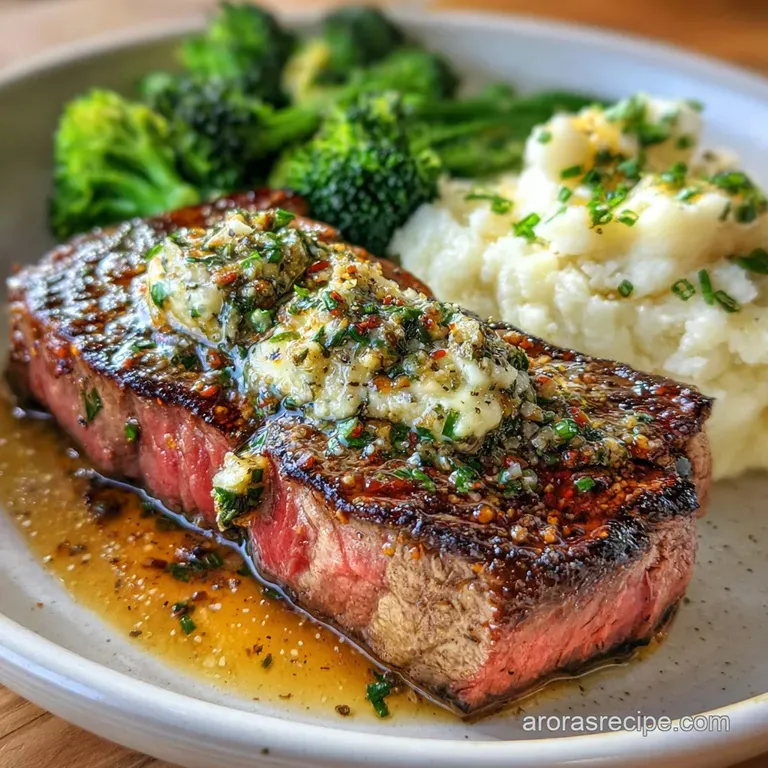
- Time: Active 15 minutes, Passive 10 minutes, Total 25 minutes
- Flavor/Texture Hook: A shatter crisp exterior with a buttery, garlic infused finish
- Perfect for: A quick date night or a high protein weeknight reward
- Sizzling Top Sirloin Dish with Garlic Butter Secrets
- The Physics of the Maillard Crust
- Why This Works
- Understanding the Component Analysis
- Gathering the Best Ingredients for Your Butter Basted Beef
- Essential Kitchen Tools for a Professional Pan Sear Result
- Step by Step Guide to Crafting the Perfect Steak Dish
- Solving Common Steak Mistakes for a Better Cooking Experience
- Tailoring Your Sirloin Recipe for Different Lifestyles and Diets
- Cooking Myths Debunked
- Storage and Avoiding Kitchen Waste
- Selecting the Best Garlic Butter Steak Sides for Dinner
- Very High in Sodium
- Recipe FAQs
- 📝 Recipe Card
Sizzling Top Sirloin Dish with Garlic Butter Secrets
I remember the first time I tried to cook a steak for my husband back in our tiny Nashville apartment. I was so terrified of undercooking it that I left it in the pan until it looked like a piece of weathered leather.
I served it with a side of bottled steak sauce to hide the evidence, but no amount of sauce could save that poor piece of meat. It was a tough lesson, literally, and it sent me on a mission to figure out how the pros get that incredible, deep brown crust without turning the inside into a desert.
The secret, I found out, isn't some fancy $1000 grill or a secret spice blend. It’s all about the moisture on the surface and the temperature of the pan. Once I learned to pat my meat dry and wait for that first wisp of smoke from the avocado oil, everything changed.
Now, whenever I make this Top Sirloin Dish with Garlic Butter, the sound of the meat hitting the cast iron is like music to my ears. It’s a violent, beautiful sizzle that promises a world of flavor.
We're going to use a thick cut sirloin because it’s affordable but behaves like a much more expensive cut when treated with respect. This isn't just about throwing meat in a pan, it's about the dance of the butter, the rosemary, and the garlic at the very end. That's where the magic happens.
You'll see the butter foam up and turn nut brown, and as you spoon it over the steak, the aroma will fill your kitchen and make your mouth water before you even take a bite.
The Physics of the Maillard Crust
Surface Dehydration: Moisture is the enemy of a good sear because the energy of the pan goes into evaporating water instead of browning the proteins. By drying the steak and using salt to draw out and then reabsorb moisture, we create a surface that browns instantly upon contact.
Thermal Inertia: Using a heavy pan like cast iron retains heat when the cold meat is added, preventing the temperature from dropping. This constant high heat triggers the Maillard reaction, a chemical dance between amino acids and sugars that creates hundreds of flavor compounds.
Why This Works
- High Smoke Point: We use avocado oil because it can withstand the heat required for a deep sear without burning or becoming bitter.
- Butter Basting: Adding the butter at the end allows us to infuse the meat with flavor without the milk solids burning during the initial over high heat sear.
- Aromatics: The smashed garlic and rosemary sprig release essential oils directly into the fat, which then coats every nook and cranny of the steak.
- Enzymatic Tenderization: A short rest after cooking allows the muscle fibers to relax, meaning the juices stay inside the meat instead of running all over your cutting board.
| Thickness | Internal Temp | Rest Time | Visual Cue |
|---|---|---|---|
| 1 inch | 135°F (Medium Rare) | 5 minutes | Warm red center |
| 1.5 inches | 145°F (Medium) | 7 minutes | Pink throughout |
| 2 inches | 155°F (Medium Well) | 8 minutes | Hint of pink in center |
If you are looking for more ways to master the pan, you might enjoy my How to Cook recipe which goes into even more detail on different steak cuts. This table above is your primary guide for this specific sirloin recipe to ensure you never overcook it again.
Understanding the Component Analysis
| Ingredient | Science Role | Pro Secret |
|---|---|---|
| Top Sirloin Steak | Lean Protein Structure | Choose 1.5 inch thickness to allow for a deep crust without overcooking the center. |
| Kosher Salt | Moisture Regulator | Salt the meat at least 15 minutes early to allow the brine to penetrate the fibers. |
| Grass Fed Butter | Flavor Emulsifier | Use cold butter at the end to slow down the browning process and create a velvety sauce. |
| Fresh Garlic | Aromatic Infusion | Smash the cloves rather than mincing to prevent them from burning in the hot fat. |
A quick note on the butter: grass fed varieties often have a higher fat content and a lower water content than standard store brands. This means more flavor and a better foam when you start the basting process.
It’s a small detail that makes a massive difference in the final mouthfeel of the Top Sirloin Dish with Garlic Butter.
Gathering the Best Ingredients for Your Butter Basted Beef
- 2 (8oz) Top Sirloin Steaks: Look for 1.5 inch thickness for the best results. Why this? Thick cuts allow for a better crust to interior ratio.
- Substitute: Ribeye (Higher fat content, more expensive).
- 1 tbsp Avocado Oil: Essential for over high heat searing. Why this? It has a high smoke point of about 520°F.
- Substitute: Grapeseed oil or Rice Bran oil.
- 3 tbsp Unsalted Grass Fed Butter: Adds the "velvety" finish. Why this? Unsalted allows you to control the final seasoning perfectly.
- Substitute: Ghee (Clarified butter) for a nuttier, dairy-free-friendly option.
- 3 cloves Fresh Garlic: Smashed and peeled. Why this? Smashed cloves release flavor slowly without scorching.
- Substitute: 1 tsp Garlic powder (add to the salt rub instead).
- 1 sprig Fresh Rosemary: For that woody, earthy aroma. Why this? Rosemary oils are heat stable and won't turn bitter.
- Substitute: Fresh thyme or sage sprigs.
- 1 tsp Lemon Juice: To brighten the heavy fats. Why this? Acid cuts through the richness of the butter sauce.
- Substitute: Red wine vinegar or a splash of dry white wine.
- 1 tbsp Kosher Salt: The primary seasoning. Why this? The coarse grains are easier to distribute evenly.
- Substitute: Sea salt (use slightly less if the grains are fine).
- 1 tsp Cracked Black Peppercorns: For a bite of heat. Why this? Freshly cracked pepper has more floral notes than pre ground.
- Substitute: White pepper for a more subtle heat.
Essential Kitchen Tools for a Professional Pan Sear Result
You don't need a kitchen full of gadgets, but a few specific items will make this Top Sirloin Dish with Garlic Butter much easier to manage. First and foremost, a heavy bottomed skillet is non negotiable. I prefer a 10 or 12 inch cast iron skillet (like a Lodge).
The cast iron holds onto heat like nothing else, ensuring that when the meat hits the pan, the temperature doesn't plummet.
Next, you'll want a set of sturdy stainless steel tongs. Avoid the silicone tipped ones if you can, as the metal tips give you a better grip on the steak when you need to sear the fat cap on the edges. Finally, a digital instant read thermometer is your best friend.
I used to try the "finger poke" test to check for doneness, but honestly, unless you're a line cook doing 50 steaks a night, it's just guesswork. A thermometer takes the anxiety out of the process.
Chef's Note: If you don't have cast iron, a heavy stainless steel pan works too. Just avoid non stick pans for this recipe; they can't handle the heat required for a proper sear and won't produce that beautiful brown fond on the bottom.
step-by-step Guide to Crafting the Perfect Steak Dish
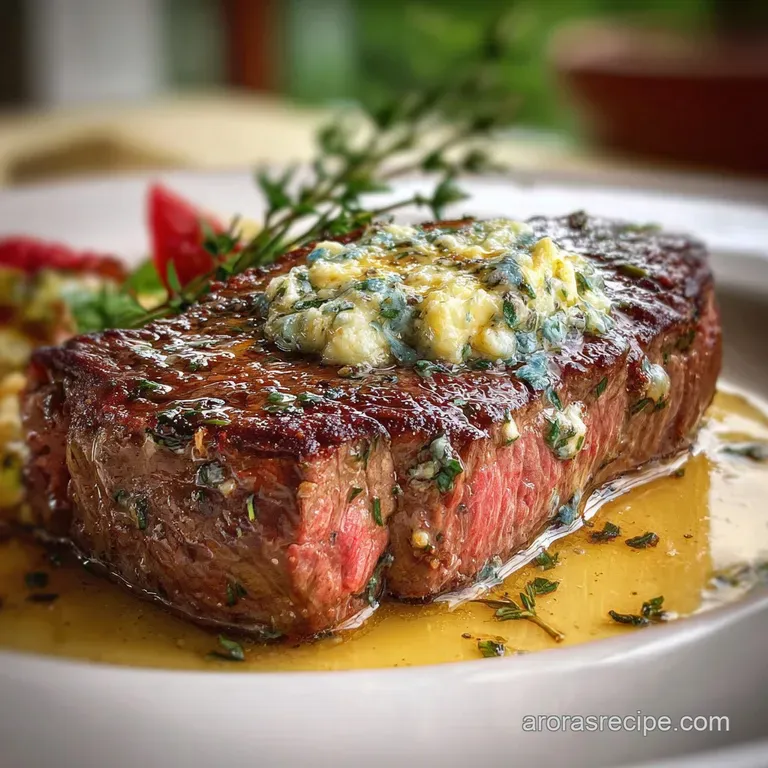
- Dry the meat. Use paper towels to pat the 2 (8oz) Top Sirloin Steaks completely dry on all sides. Note: Surface moisture causes steaming rather than searing.
- Season heavily. Rub the 1 tbsp Kosher Salt and 1 tsp Cracked Black Peppercorns into every inch of the meat. Note: Don't forget the sides of the steak.
- Preheat the skillet. Place your heavy pan over medium high heat for 3 to 5 minutes until a drop of water flicked onto it dances and evaporates instantly.
- Add the oil. Pour in the 1 tbsp Avocado Oil and swirl to coat. Wait until it just starts to shimmer and smoke slightly.
- Sear the first side. Carefully lay the steaks into the pan, laying them away from you to avoid splashes. Press down slightly to ensure full contact.
- Flip and sear. After 3 to 4 minutes, flip the steaks until they have a deep, mahogany brown crust.
- Introduce the aromatics. Lower the heat slightly and add the 3 tbsp Unsalted Grass Fed Butter, 3 cloves Fresh Garlic, and 1 sprig Fresh Rosemary. Wait for the butter to foam and turn golden.
- Baste the steak. Tilt the pan so the butter pools at the bottom and use a large spoon to continuously pour the hot, flavored fat over the steaks for 2 to 3 minutes.
- Check for doneness. Use your thermometer to check the internal temperature (135°F for medium rare). Add the 1 tsp Lemon Juice to the pan in the final 30 seconds.
- Rest the meat. Transfer the steaks to a warm plate and pour the remaining butter over them. Let them sit for 5 to 10 minutes before slicing.
Solving Common Steak Mistakes for a Better Cooking Experience
Why Your Steak Turned Gray
If your steak looks gray and sad instead of brown and crispy, the culprit is usually moisture or a cold pan. If the meat is straight from the fridge and damp, it will lower the pan temperature and boil in its own juices.
Always pat it dry and let it sit at room temperature for at least 20 minutes before it hits the heat.
Why the Garlic Tastes Bitter
Garlic burns very quickly in a hot pan. If you add it at the beginning with the oil, it will be charcoal by the time the steak is done. That’s why we add it with the butter toward the end.
The butter lowers the temperature of the pan slightly and acts as a buffer, allowing the garlic to soften and infuse without burning.
| Problem | Root Cause | Solution |
|---|---|---|
| Tough or Chewy Texture | Cutting with the grain | Find the lines of the muscle and slice perpendicular to them to shorten fibers. |
| Butter Smoking Heavily | Heat is too high | Lower the flame to medium before adding butter to prevent the milk solids from scorching. |
| Uneven Cooking | Steaks are different thicknesses | Use a meat mallet to gently even out the steaks before seasoning. |
This steak sits beautifully next to a comforting Sweet Potato Casserole recipe which balances the savory garlic notes with a bit of sweetness.
Common Mistakes Checklist
- ✓ Pat the meat completely dry with paper towels (prevents steaming).
- ✓ Preheat the skillet for at least 3-5 minutes before adding oil.
- ✓ Do not crowd the pan; if the steaks are huge, cook them one at a time.
- ✓ Use a timer for the resting period don't rush it!
- ✓ Always slice against the grain for maximum tenderness.
Tailoring Your Sirloin Recipe for Different Lifestyles and Diets
Downscaling for One
If you're just cooking for yourself, simply use one steak and halve the oil and butter. However, I usually still use the full 3 cloves of garlic and the rosemary sprig because the flavor infusion is better with more aromatics. You can use a smaller 8 inch skillet to keep the butter from spreading too thin and burning.
Upscaling for a Crowd
To cook for four or more, you'll want to work in batches. Don't try to cram four steaks into one skillet; the temperature will drop and you'll lose that sear. Keep the first batch of steaks on a wire rack over a baking sheet in a 200°F oven while you finish the rest.
For the seasonings, you can double the salt and pepper, but only increase the liquids like lemon juice by about 1.5x to keep the balance right.
| Method | Time | Texture | Best For |
|---|---|---|---|
| Cast Iron (Stovetop) | 10 minutes | Maximum crust, very juicy | Standard thick steaks |
| Reverse Sear (Oven + Pan) | 45 minutes | Edge to edge pink | Extra thick cuts (2 inches+) |
| Sous Vide + Sear | 1 hour + | Perfectly even, velvety | Precise doneness lovers |
Cooking Myths Debunked
"Searing meat seals in the juices." This is a classic kitchen myth that just won't die. In reality, searing creates flavor through the Maillard reaction, but the meat actually loses moisture during the process because the heat causes the muscle fibers to contract and squeeze out liquid.
The "juiciness" we experience comes from proper resting and internal temperature, not the crust itself.
"Only flip your steak once." While many people swear by this, flipping the steak every minute or so can actually lead to more even cooking and a faster total cook time. It prevents one side from getting too hot while the other side cools down.
However, for this butter basted Top Sirloin Dish with Garlic Butter, I prefer the traditional one flip method so I can focus on the basting at the end.
Storage and Avoiding Kitchen Waste
If you find yourself with leftovers, this steak is a goldmine for future meals. Store it in an airtight container in the fridge for up to 3 days. I don't recommend freezing cooked steak as the texture becomes grainy upon thawing, but you can freeze raw sirloin for up to 6 months if wrapped tightly in plastic and foil.
For zero waste, don't throw away that flavorful butter left in the pan! Pour it into a small jar and keep it in the fridge. It’s incredible for sautéing mushrooms or even frying eggs the next morning. If you have steak scraps, chop them up and toss them into a stir fry or use them to top a salad.
Even the rosemary stem can be tossed into a freezer bag with other veggie scraps to make a rich beef stock later on.
Selecting the Best Garlic Butter Steak Sides for Dinner
When it comes to recipes with sirloin steak strips or full steaks, the sides should complement the richness of the butter. I love serving this with a crisp green salad tossed in a sharp vinaigrette to provide a counterpoint to the fat.
If you want something heartier, mashed potatoes are the classic vehicle for catching every drop of that garlic butter sauce.
For a true Southern inspired feast, you could even serve this alongside some Homemade Stuffing recipe if you're feeling extra indulgent. The savory herbs in the stuffing play perfectly with the rosemary in the steak. Alternatively, simple roasted asparagus or green beans with a squeeze of lemon will keep the meal feeling light and balanced. Whatever you choose, make sure you have a piece of crusty bread nearby to mop up the pan juices it's honestly the best part of the whole experience.
Very High in Sodium
1180 mg mg of sodium per serving (51% of daily value)
The American Heart Association recommends limiting sodium intake to about 2,300mg per day for optimal health.
Sodium Reduction Tips for Your Steak Recipe
-
Reduce Salt-25%
The primary source of sodium is the Kosher salt. Reduce the amount of Kosher salt from 1 tbsp to 1/2 tbsp, or even 1 tsp. This change will significantly reduce the sodium content while still providing flavor. Using a salt grinder is more effective for less sodium usage.
Also, do not add any additional salt!
-
Enhance with Lemon-10%
Increase the amount of lemon juice from 1 tsp to 2 tsp. The added acidity brightens the flavor profile, allowing you to reduce salt without sacrificing taste. Lemon works well to trick the senses.
-
Unsalted Butter-5%
Ensure the grass fed butter you are using is unsalted. This can make a difference, however small, compared to salted butter.
-
Flavorful Herbs & Spices
Experiment with different herbs and spices like smoked paprika, garlic powder (unsalted), or onion powder to boost the flavor of your steak. These additions can help you reduce the reliance on salt without compromising taste. Fresh or dried herbs add depth.
Recipe FAQs
How to cook sirloin steak with garlic butter?
Pat sirloin dry and season generously. Sear in a hot skillet with avocado oil for 3-4 minutes per side until a deep brown crust forms. Lower heat, add butter, smashed garlic, and rosemary, then baste steak with foaming butter for 2-3 minutes until desired doneness. Rest for 5-10 minutes before slicing.
Does garlic butter go well with steak?
Yes, absolutely. The richness of the butter and the pungent aroma of garlic create a decadent flavor profile that perfectly complements the savory notes of steak, enhancing its overall taste and texture.
How do you cook top sirloin so it's not tough?
Ensure it's not overcooked and slice against the grain. Top sirloin is lean, so cooking it to medium rare (135°F) or medium (145°F) and letting it rest before slicing ensures the juices redistribute, keeping it tender and moist.
Applying techniques like the butter baste in this recipe also helps maintain moisture.
What is the 3 3 3 3 rule for steak?
This is not a widely recognized rule for steak cooking. Common steak cooking guidelines focus on internal temperature, searing time, and resting periods, such as using a thermometer for precise doneness or resting the steak for at least 5 minutes after cooking.
Why is my steak gray and not brown?
Your pan likely wasn't hot enough or the steak had too much moisture. For a proper sear, the pan needs to be preheated until very hot, and the steak's surface must be thoroughly dried with paper towels. If the steak is wet, the pan's heat is used to evaporate the moisture instead of browning the meat.
Can I use other oils besides avocado oil?
Yes, but choose oils with a high smoke point. If you enjoyed mastering the high heat searing technique here, see how the same principle of choosing the right cooking fat applies to our Chicken and Sausage Pasta: Velvety Cream Sauce in 25 Mins. Grapeseed or rice bran oil are good substitutes as they can withstand high temperatures without burning and imparting a bitter flavor.
What are good side dishes for garlic butter steak?
Hearty starches and fresh vegetables complement rich steak well. Mashed potatoes are excellent for soaking up the extra garlic butter, or consider a fresh salad to balance the richness. For a holiday feel, try a savory Homemade Crescent Roll Breakfast Casserole: Buttery & Savory which can be adapted for dinner.
Top Sirloin Garlic Butter
Ingredients:
Instructions:
Nutrition Facts:
| Calories | 684 kcal |
|---|---|
| Protein | 52.4 g |
| Fat | 51.2 g |
| Carbs | 1.9 g |
| Fiber | 0.4 g |
| Sugar | 0.2 g |
| Sodium | 1180 mg |
