Enhanced Stove Top Stuffing: the Ultimate Butter-Basted Culinary Glow-Up
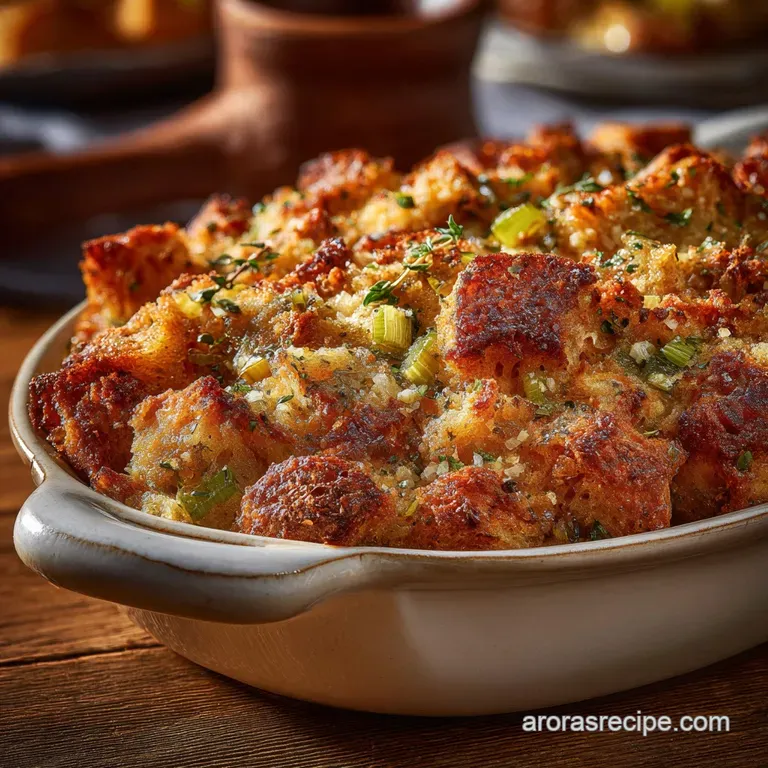
- Elevating the Box: The Secret to Truly Enhanced Stove Top Stuffing
- The Flavor Science: Why Butter and Stock are Non and Negotiable
- Inventory Checklist: Essential Ingredients for Ultimate Butter and Basted Stuffing
- Mastering the Method: Step and by-Step Guide to Enhanced Stove Top Stuffing
- Pro Tips for Fluffy Stuffing and Troubleshooting Common Issues
- Logistics and Pairings: Storing, Reheating, and Serving Your Side Dish
- Recipe FAQs
- 📝 Recipe Card
Elevating the Box: The Secret to Truly Enhanced Stove Top Stuffing
When that glorious, buttery, savory steam hits you, you’ll forget this recipe started with a cardboard box. This isn't just a side dish; it's pure comfort food engineered for maximum impact.
The texture is key here: tender, moist crumbs interspersed with soft aromatics and just enough crispness around the edges to make every bite interesting.
Listen, I love making stuffing from scratch my family begs for my Sausage Herb Stuffing Recipe: The Best Classic Sourdough Sage every year. But sometimes, you need a win in 25 minutes flat, or maybe you're dealing with budget limitations. This improved stove top stuffing recipe is the ultimate semi and homemade lifesaver.
We're going to take that convenience factor and inject it with actual, tangible flavor. Forget the weird little powdered seasoning packet; we're building a foundation of richness using real ingredients. If you want to know how to enhance stove top stuffing mix beyond belief, keep scrolling.
The Flavor Science: Why Butter and Stock are Non and Negotiable
Moving Beyond the Powdered Packet
The biggest flaw in boxed stuffing is relying on powdered ingredients for flavor and fat. We fix this by skipping the water entirely and introducing real butter and fresh aromatics early in the process. This creates a deeply savory, fudgy base that the bread cubes will absorb later.
We’re essentially crafting a miniature mirepoix (celery and onion base) that delivers the flavor complexity normally found in slow and cooked dishes. This simple step is the key to creating a truly better stove top stuffing .
Why We Ditch the Water for Quality Stock
Using low and sodium stock instead of water is non and negotiable for this recipe. Water dilutes, but good stock adds gelatin, collagen, and a deep umami base. This liquid is what the bread crumbs absorb, so choosing a robust stock means every single crumb carries that savory depth.
Expected Prep and Cook Time
This whole process is surprisingly fast, making it the perfect weeknight side. We spend a little extra time chopping and sautéing upfront, but the overall time commitment remains below 30 minutes.
The Maillard Effect on Aromatics (Celery and Onion)
When we sauté the celery and onion in butter, we aren't just softening them; we’re initiating the Maillard reaction. This caramelizes their natural sugars, intensifying their savory notes and giving them a sweet undertone.
This process is critical for developing the rich, layered taste profile of our enhanced stove top stuffing .
Achieving the Perfect Moisture Balance
The perfect stuffing isn't soggy, but it also isn't dry. It should be tender and cohesive. We achieve this by slightly reducing the amount of liquid the box calls for, since fresh vegetables release moisture as they cook.
Understanding the Crumbs' Hydration Capacity
Different boxed stuffing brands hydrate slightly differently, but the key is consistency. By stirring the crumbs in off and heat and then immediately sealing the pot, we ensure the steam evenly hydrates all the bread pieces. That 5 minute rest period is non and negotiable for optimal absorption.
Inventory Checklist: Essential Ingredients for Ultimate Butter and Basted Stuffing
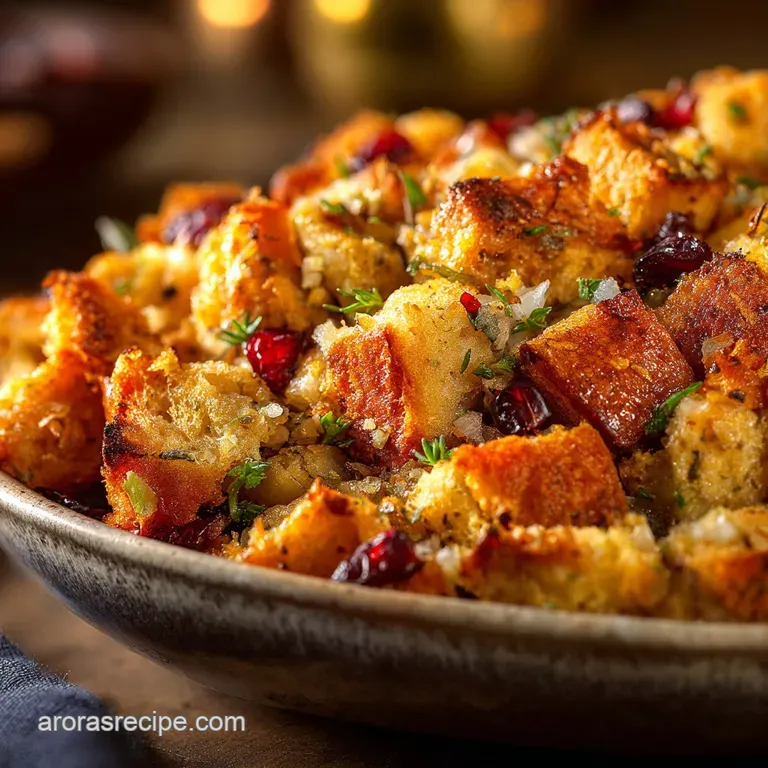
This is the short, punchy list of what you need for the best Stove Top Stuffing Hacks.
| Ingredient | Role | Viable Substitute |
|---|---|---|
| Unsalted Butter | Fat & Flavor Carrier | High and quality olive oil or vegan butter |
| Yellow Onion | Base Aromatic | Finely chopped leeks (white part) or shallots |
| Celery | Base Aromatic & Crunch | Fennel bulb (ensure it’s finely diced and sautéed until soft) |
| Boxed Stuffing Mix | Base Bread/Seasoning | Stale sourdough bread cubes (requires extra seasoning) |
| Low and Sodium Chicken Stock | Hydration & Umami | Quality vegetable stock (or water + bouillon paste) |
| Fresh Sage & Thyme | Essential Herb Notes | 1/4 tsp dried poultry seasoning mix |
Unsalted Butter vs. Salted: Making the Salt Control Choice
I always use unsalted butter in cooking. Why? Because salt levels are all over the place in boxed mixes and even in store and bought stock. Using unsalted butter means I control the final seasoning. It’s brilliant.
The Role of Fresh Celery and Onion (Mirepoix Base)
The onion and celery provide structure and moisture. They release their moisture slowly, keeping the interior of the stuffing tender while contributing savory backbone. Do not skip the fine dice here; larger pieces will remain crunchy and throw off the final texture.
Choosing the Best Boxed Stuffing Mix
Honestly, any savory boxed mix works perfectly fine here. Since we are adding so much fresh flavor, the base quality matters less than the technique. That said, I usually grab the classic "Chicken Flavor" one, even when I’m not adding meat, as it provides a good, robust baseline of seasoning.
Substituting Chicken Stock (Broth vs. Stock Defined)
We want stock —the kind that gets jiggly when cold, meaning it has collagen. If you only have broth, that’s okay, but make sure it’s rich. If you need a vegetarian option, grab a high and quality vegetable stock.
Never use plain water unless you have absolutely nothing else; the flavor will suffer dramatically.
Mastering the Method: Step and by-Step Guide to Enhanced Stove Top Stuffing
Step 1: Infusing the Fat (Sautéing the Aromatics)
Melt 4 tablespoons of the butter in your heavy pot over medium heat. Add the finely diced celery and onion. Now, turn the heat down to medium and low. Sauté for 6 to 8 minutes, stirring regularly, until the vegetables are totally soft and translucent. Don't rush this!
This low and slow approach extracts the maximum flavor, which is our whole mission here.
After the veggies are soft, toss in the fresh thyme, sage, salt, and pepper. Cook for about 30 seconds until those herbs smell incredibly fragrant.
Step 2: Hydrating the Crumbs (The Critical Soaking Ratio)
Pour in the hot chicken stock and the lemon zest (trust me, a little zest brightens everything). Bring this mixture just to a vigorous boil. Remove the pan from the heat immediately this is essential for texture control.
Now, dump in the entire box of stuffing crumbs. Stir just until the crumbs are coated, then stop. Resist the urge to keep mixing.
Chef's Note: The liquid ratio is tight (1.5 cups per 6oz box). If you lift the lid during the rest, you release steam, which is part of the hydration process, and your stuffing will be dry.
Step 3: Fluffing and Final Adjustments
Clamp on the tight and fitting lid and walk away for exactly five minutes. Set a timer. When the timer screams, lift the lid, add the remaining 2 tablespoons of cold butter, and sprinkle on the fresh parsley.
Use a fork to gently fluff and lift the stuffing, integrating the finishing butter and parsley. That cold butter melts into the warm stuffing, giving it a glorious, glossy sheen. Taste it. Adjust the salt and pepper if needed.
Optional Oven Finish for Crisp Edges
If you prefer a little crust (and who doesn't?), transfer the finished, fluffed stuffing to a small greased baking dish. Dot the top with another tablespoon of butter, cover loosely with foil, and bake at 350°F (175°C) for 10 minutes. Remove the foil and bake for 5 more minutes until the top is lightly browned. If you prefer a full and on baked stuffing, check out my approach to Cornbread Stuffing: Savoury Sage Thyme Recipe for Turkey for the real dedication.
Pro Tips for Fluffy Stuffing and Troubleshooting Common Issues
Preventing Soggy Stuffing Syndrome
People fail here because they stir too much or use too much liquid. If your stuffing comes out dense and gluey, you either added too much stock (check your measurements!) or you mashed it instead of fluffing it. Remember: use a fork, lift and turn gently.
Never press the stuffing down.
Adjusting Seasoning After Hydration
This is a common mistake I once made: assuming the box has enough seasoning. It doesn't. After the 5 minute rest, the liquid has fully absorbed, giving you the final taste. If it tastes flat, it needs salt. If it tastes dull, add a tiny splash of stock or the remaining lemon zest.
Achieving a Golden Crust (The Broiler Trick)
If you don't have time for a full oven bake, but still want crunch, try the broiler. After fluffing, transfer the stuffing to an oven and safe dish. Put it under the broiler for 60 to 90 seconds, keeping the rack about 8 inches away. Watch it like a hawk it goes from golden to burnt in seconds!
Logistics and Pairings: Storing, Reheating, and Serving Your Side Dish
Safe Refrigeration and Shelf Life Guidelines
This enhanced Stove Top Stuffing lasts beautifully. Store leftovers in an airtight container in the fridge for up to 4 days. Because we use fresh ingredients, it won't last as long as the plain boxed version, so plan to eat it quickly.
Freezing Enhanced Stove Top Stuffing for Long and Term Storage
But does it freeze well? You bet. Stuffing freezes beautifully. Allow it to cool completely, then transfer it to a freezer and safe zip and top bag, pressing out all the air. It will last for up to 3 months. When you’re ready to use it, thaw overnight in the fridge.
Reheating Without Drying Out (The Steam Method)
Reheating stuffing is tricky because the bread is already hydrated, and dry heat sucks the remaining moisture right out. The secret is steam. Transfer the stuffing to an oven and safe dish, sprinkle 1 2 tablespoons of stock over the top, and cover tightly with foil.
Bake at 300°F (150°C) for 15 minutes, or until piping hot. The foil traps the steam, keeping it tender.
This upgrade is fantastic alongside any roasted poultry, or frankly, just eaten with a spoon straight out of the pot. If you're a true stuffing fanatic, you might also want to look at a heartier approach like my Pioneer Woman Sausage Stuffing: The Hearty, Sage and Infused Holiday Recipe when you have more time to dedicate.

Recipe FAQs
Why did my stuffing turn out too dry and crumbly?
Dry stuffing typically results from insufficient liquid or stock evaporation during the initial simmer. Ensure you are accurately measuring the robust chicken stock and incorporating all the melted butter and sautéed aromatics before adding the boxed bread cubes.
Remember, the quality of liquid determines the final texture.
Can I use vegetable broth instead of chicken stock for this recipe?
Absolutely; high-quality vegetable broth is an excellent substitution if you are accommodating vegetarian guests, though chicken stock provides a richer savory depth. When using vegetable broth, ensure it is low-sodium so you retain control over the final seasoning profile of the dish.
What is the best way to achieve a crispy top layer if I don't want a uniform texture?
To achieve a beautiful crisp top rather than a uniformly moist stovetop texture, transfer the prepared stuffing mixture to a greased baking dish immediately after mixing. Bake uncovered in a preheated oven at 375°F (190°C) for 15 to 20 minutes, which dries and browns the top layer perfectly.
What additions can I include to elevate the flavor further?
For enhanced flavor, incorporate fresh herbs like finely chopped sage and thyme along with the liquid ingredients, which is a classic pairing for poultry. Alternatively, fold in sautéed chopped mushrooms or a handful of dried cranberries for additional texture and a subtle sweet tart note.
The recipe specifies unsalted butter can I use salted butter?
While unsalted butter is recommended for precise sodium control, you may use salted butter, but you must omit any additional salt during the sautéing process. Packaged stuffing mixes already contain significant sodium, so be cautious and taste the final mixture before adding any further seasoning adjustments.
How should I store and reheat leftover Ultimate Stove Top Stuffing?
Store leftovers tightly sealed in an airtight container in the refrigerator for up to 4 days; do not leave it at room temperature for more than two hours. When reheating, add a tablespoon or two of extra stock or melted butter before microwaving or heating in the oven to revitalize the moisture lost during chilling.
Can I freeze this stuffing recipe for later use?
Yes, this stuffing freezes very well, though the texture may become slightly softer upon thawing. Cool the mixture completely before transferring it to a heavy duty, freezer safe container, where it can be stored for up to three months.
Thaw overnight in the refrigerator and gently reheat, adding fresh stock to ensure proper moisture retention.
Ultimate Enhanced Stove Top Stuffing
Ingredients:
Instructions:
Nutrition Facts:
| Calories | 422 kcal |
|---|---|
| Protein | 7.9 g |
| Fat | 19.5 g |
| Carbs | 46.7 g |
