White Chicken Lasagna Recipe
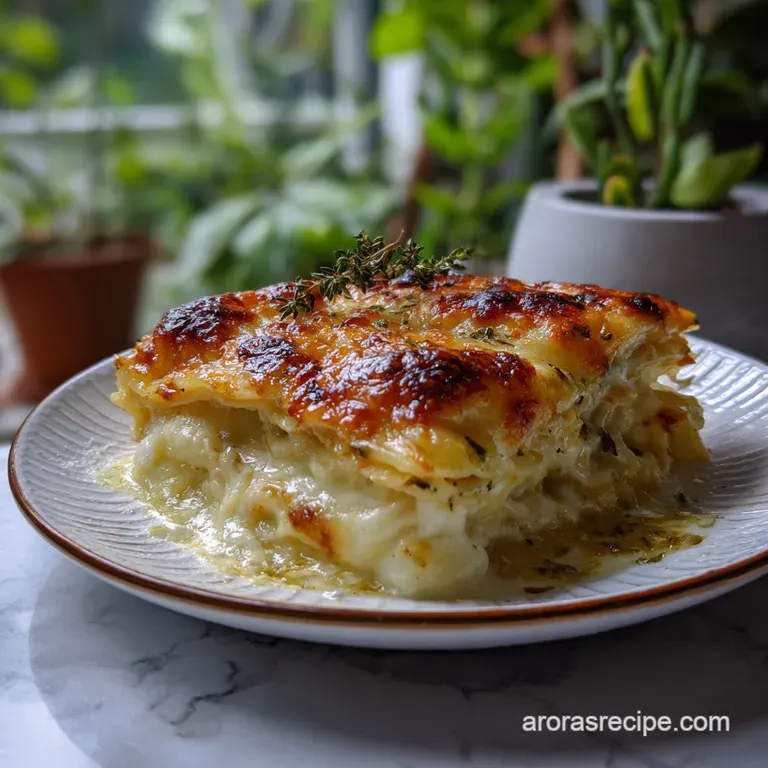
- Time: Active 20 minutes, Passive 45 minutes, Total 1 hours 5 mins
- Flavor/Texture Hook: Silky white sauce and bubbly, golden brown mozzarella
- Perfect for: Cozy Sunday family dinners or stress free meal prep
- Hearty and Stress Free White Lasagna Recipe for Family Dinners
- The Science of Why it Works
- Quick Stats for This Homestyle Casserole
- Elements for a Silky Spinach and Chicken Filling
- Three Essential Kitchen Tools for Success
- The Step by Step Construction Plan
- Common Pitfalls and How to Recover
- Flavor Swaps for Every Dietary Need
- Maintaining That Golden Crust During Storage
- Hearty Sides to Round Out Your Meal
- Debunking Casserole Misconceptions
- Recipe FAQs
- 📝 Recipe Card
Hearty and Stress Free White Lasagna Recipe for Family Dinners
There is something about the smell of nutmeg hitting bubbling whole milk that just feels like a hug from the inside. If you have ever pulled a lasagna out of the oven only to have it slide into a soupy puddle on the plate, you know the heartbreak of a poorly structured casserole.
I remember my first attempt at a white lasagna I used way too much spinach and didn't dry it, and the whole thing looked like a swamp. It was a lesson learned the hard way, but it's why I'm so obsessed with getting the moisture balance just right today.
This recipe is all about that Midwestern comfort. It’s hearty, it’s filling, and it doesn’t require you to spend three hours simmering a red sauce. We are leaning into the ease of rotisserie chicken and no boil noodles to keep things simple.
You get all the credit for a "fancy" looking dinner while actually having time to sit down and enjoy a glass of wine while it bakes.
We are going to focus on building a sturdy structure. By using a thick Béchamel instead of just jarred Alfredo, we create a stable foundation that holds those layers together beautifully.
You’ll get that satisfying "shatter" from the top layer of cheese and a creamy, velvety interior that stays exactly where it’s supposed to be. Let’s get into how we make this happen without the stress.
The Science of Why it Works
Starch Gelatinization: As the 115g of butter and 65g of flour cook, they form a roux that, once milk is added, traps water molecules in a protein starch mesh to create a stable, non weeping sauce.
Protein Denaturation: The addition of a lightly beaten egg to the 450g of ricotta acts as a binder, causing the cheese to set firmly during the bake rather than melting into a liquid state.
Cook Method Comparison
| Method | Time | Texture | Best For |
|---|---|---|---|
| Traditional Oven | 45 minutes | Crispy edges, golden top, firm layers | Feeding a crowd or family dinner |
| Stovetop Skillet | 25 minutes | Softer texture, "deconstructed" feel | Quick weeknight cravings for two |
| Slow Cooker | 4 hours | Very soft, melt in-your mouth noodles | Set it and forget it morning prep |
Finding the right method depends on how much you value those crispy corner bits. In the Midwest, we live for the browned cheese edges that only a hot oven can provide. While a skillet version is faster, it lacks the structural integrity of a baked dish. If you enjoy the technique of building flavors from scratch, you might find similarities in how we layer flavors here to the process in my Gnocchi and Mushrooms recipe.
Quick Stats for This Homestyle Casserole
When you're aiming for that "perfect slice," precision matters more than you might think. I've found that three specific checkpoints make or break the final result. First, your Béchamel needs to be thick enough to coat the back of a spoon without immediately running off usually after 8 minutes of whisking.
Second, ensure your oven is truly preheated to 190°C before the pan goes in. Finally, the "rest time" is non negotiable; 15 minutes on the counter allows the starches to firm up so your layers don't slide.
Ingredient Deep Dive
| Ingredient | Science Role | Pro Secret |
|---|---|---|
| Whole Milk (1.2L) | Primary liquid for hydration and creamy mouthfeel | Use room temperature milk to prevent the roux from clumping |
| No Boil Noodles (375g) | Absorbs excess moisture from the sauce to soften | Ensure they are completely submerged in sauce to avoid brittle edges |
| Ricotta (450g) | Provides bulk and a soft, grainy contrast | Always mix with an egg to prevent the "soupy" lasagna syndrome |
| Ground Nutmeg (2g) | Flavor enhancer and aromatic bridge | A tiny amount cuts through the fat of the dairy for a cleaner finish |
The role of the no boil noodles is particularly interesting. Unlike traditional pasta that you boil first, these act like a sponge. They actually help this white lasagna recipe stay firm by drinking up the liquid from the spinach and the sauce as they bake. It’s a bit like the way bread behaves in my Sourdough Stuffing Recipe, where the starch absorbs the savory stock to create a cohesive bite.
Elements for a Silky Spinach and Chicken Filling
To get this dish right, you need to gather your components. We aren't looking for anything fancy here just good, honest ingredients that play well together. The rotisserie chicken is a massive time saver, but make sure you shred it into bite sized pieces so it layers evenly.
- 115g unsalted butter: Why this? Provides the fat base for our velvety white sauce.
- 65g all purpose flour: Why this? Thickens the milk into a sturdy Béchamel.
- 1.2 liters whole milk: Why this? Full fat ensures the richest, heartiest texture.
- 2g ground nutmeg: Why this? Traditional spice that makes white sauce taste "authentic."
- 6g sea salt & 2g white pepper: Why this? White pepper keeps the sauce looking pristine and clean.
- 450g whole milk ricotta: Why this? The fluffy heart of the lasagna layers.
- 1 large egg: Why this? Essential binder to keep the cheese from running.
- 100g grated Parmesan cheese: Why this? Adds a salty, umami punch to the filling.
- 300g shredded Mozzarella: Why this? Provides the iconic "cheese pull" and golden crust.
- 250g fresh baby spinach: Why this? Adds color and a hit of freshness to the heavy dairy.
- 3 cloves garlic, minced: Why this? Builds the aromatic foundation for the chicken layer.
- 375g no boil lasagna noodles: Why this? Makes assembly fast and absorbs excess sauce moisture.
- 450g rotisserie chicken: Why this? Pre cooked and seasoned for maximum ease and flavor.
Substitution Table
| Original Ingredient | Substitute | Why It Works |
|---|---|---|
| Whole Milk | Heavy Cream (50%) + Water (50%) | Maintains fat content. Note: Results in a much richer, heavier sauce. |
| Baby Spinach | Sauteed Mushrooms | Adds earthy umami. Great for a white lasagna recipe vegetarian option. |
| Rotisserie Chicken | Cooked Ground Sausage | Adds fat and spice. Best for a white lasagna recipe sausage version. |
If you decide to go the mushroom route, I highly recommend checking out my Mushroom Sauce Recipe for tips on getting that deep, restaurant quality glaze on your veggies before adding them to the layers.
Three Essential Kitchen Tools for Success
You don't need a professional kitchen, but a few specific tools will make this much easier. A heavy bottomed saucepan is your best friend when making Béchamel; it prevents the milk from scorching on the bottom. I personally use a 3 quart saucepan for this amount of liquid.
A balloon whisk is also mandatory. You need to keep that flour and butter moving to avoid lumps. If you use a fork, you're going to end up with "flour pockets" in your sauce, and nobody wants a mouthful of raw flour in their dinner.
Finally, a 9x13 inch (approx. 23x33 cm) ceramic or glass baking dish is the standard. Glass is great because you can actually see the layers bubbling through the side, which helps you judge if it's done. If you use a metal pan, just be aware it might brown the bottom layer of noodles faster.
The step-by-step Construction Plan
1. The Velvet Base
Melt the 115g of butter in a large saucepan over medium heat. Once it's sizzling, whisk in the 65g of flour and cook for 2 minutes until it smells slightly nutty but hasn't turned brown. Gradually pour in the 1.2 liters of milk, whisking constantly.
Simmer for about 8-10 minutes until the sauce is thick enough to coat the back of a spoon. Stir in the nutmeg, salt, and white pepper. Note: This is your glue; it must be thick!
2. The Ricotta Emulsion
In a medium bowl, combine the 450g of ricotta, the lightly beaten egg, the 100g of Parmesan, and about half of the minced garlic. Stir until smooth and well incorporated. Note: The egg ensures the ricotta stays fluffy and doesn't liquefy in the oven.
3. The Architecture
Spread about 250ml of the white sauce on the bottom of your baking dish. Place a layer of 375g no boil noodles on top, overlapping them slightly. Note: The bottom layer of sauce prevents the noodles from sticking and ensures they cook through.
4. Layering the Filling
Spread half of the ricotta mixture over the noodles. Top with half of the 450g shredded chicken and half of the 250g chopped spinach. Sprinkle with a handful of the 300g mozzarella.
5. Repeating the Process
Add another layer of noodles, followed by more white sauce, the remaining ricotta, chicken, and spinach. Top with a final layer of noodles.
6. The Final Seal
Pour the remaining white sauce over the top layer of noodles, making sure to cover the edges completely. Sprinkle the remaining mozzarella over the top. Note: Exposed noodle edges will turn into hard, brittle crackers in the oven.
7. The Heat Transformation
Cover the dish with foil (tent it slightly so it doesn't touch the cheese) and bake at 190°C for 25 minutes. Bake until the sauce is vigorously bubbling at the edges.
8. The Golden Finish
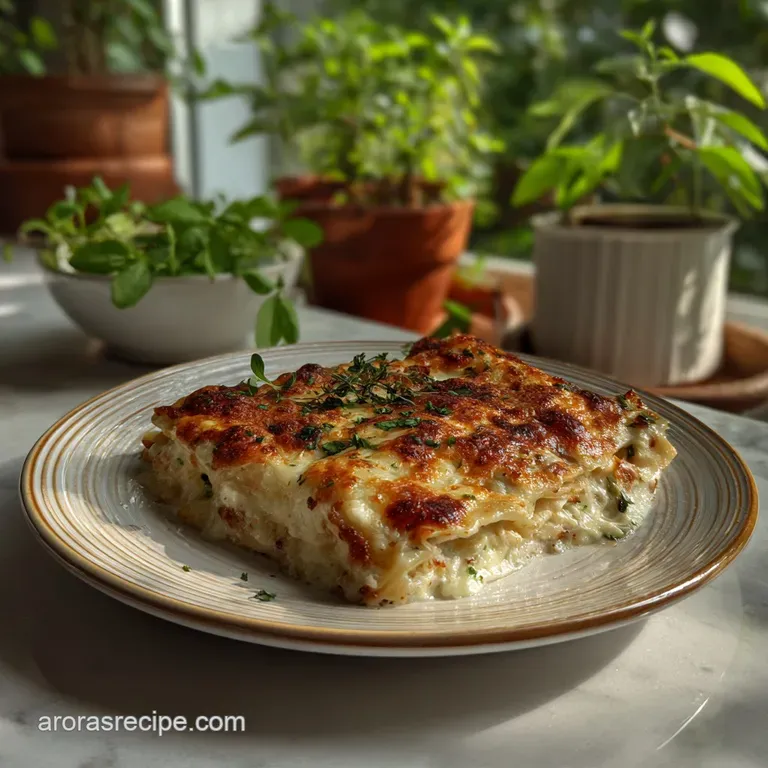
Remove the foil and bake for another 15-20 minutes until the cheese is browned and the top has a slight shatter when tapped.
9. The Critical Rest
Remove from the oven and let it sit on the counter for at least 15 minutes. Wait until the internal liquids have stopped bubbling and the structure looks set. This is the hardest part, but trust me, it’s worth it for a clean slice!
Common Pitfalls and How to Recover
Even with a plan, things happen. Maybe your sauce feels too thin, or your noodles look a bit dry on the edges. The biggest mistake people make with a white lasagna recipe is rushing the sauce. If it's too thin, the whole thing will be soup.
If that happens, don't panic just bake it uncovered for an extra 10 minutes to help some of that moisture evaporate.
Why Your Lasagna is Runny
If you find a pool of liquid at the bottom of the pan, it's usually the spinach. Fresh spinach holds a surprising amount of water. If you didn't chop it finely or if you used frozen spinach without squeezing it dry, that water has nowhere to go but down.
Next time, try sautéing the spinach for a minute first to cook off that moisture.
Troubleshooting Your Bake
| Problem | Root Cause | Solution |
|---|---|---|
| Gummy Noodles | Not enough sauce or oven temp too low | Increase sauce volume next time; ensure 190°C preheat |
| Burnt Cheese Top | Oven rack is too high or baked too long | Move to center rack and tent with foil if browning too fast |
| Bland Flavor | Under seasoning the Béchamel | Taste the sauce before layering! Add a pinch more salt or nutmeg |
Common Mistakes Checklist
- ✓ Forgot to whisk the roux constantly (leads to lumpy, floury sauce)
- ✓ Used cold milk in the hot roux (causes the fat to seize and creates clumps)
- ✓ Overcrowded the layers with too much spinach (adds excess water)
- ✓ Skipped the 15 minute rest period (results in layers sliding apart)
- ✓ Left noodle edges uncovered by sauce (they will become rock hard)
Flavor Swaps for Every Dietary Need
One of the best things about a white lasagna recipe is how adaptable it is. If you aren't a fan of chicken, this dish works beautifully as a white lasagna recipe vegetarian style by swapping the meat for roasted butternut squash or sautéed cremini mushrooms.
For those who want a bit more kick, a white lasagna recipe sausage variation is incredible. Just brown 450g of Italian sausage and use it in place of the chicken. The fat from the sausage will mingle with the white sauce to create something truly decadent.
If you are looking for a white lasagna recipe alfredo shortcut, you can use high-quality jarred sauce, but you'll likely need to thicken it with a bit of extra Parmesan to keep the structure.
Chef's Tip: If you want a deeper flavor, try "blooming" your nutmeg and white pepper in the melted butter for 30 seconds before adding the flour. This releases the essential oils and permeates the entire sauce with aroma.
Maintaining That Golden Crust During Storage
Leftover lasagna is arguably better than fresh lasagna. The flavors have time to marry, and the structure becomes even firmer.
Fridge Storage: Store in an airtight container for up to 4 days. When reheating, add a tiny splash of milk or water to the plate and cover with a damp paper towel. This creates a little steam chamber that prevents the noodles from drying out in the microwave.
Freezing: This recipe freezes beautifully. You can freeze it before or after baking. If freezing before, let it thaw in the fridge for 24 hours before putting it in the oven. If freezing after, cut it into individual portions and wrap them in parchment paper followed by foil.
It will stay good for up to 3 months.
Zero Waste Tip: Don't toss the parmesan rinds! If you have any leftover from grating your 100g of cheese, throw the rind into the milk while it's simmering for the Béchamel. It adds a massive boost of salty, nutty flavor. Just remember to fish it out before you start layering!
Hearty Sides to Round Out Your Meal
Since this is a rich, creamy dish, you want sides that offer a bit of contrast. A crisp green salad with a sharp lemon vinaigrette is the perfect palate cleanser. It cuts through the richness of the 1.2 liters of whole milk and all that cheese.
If you are serving this for a holiday or a big family get together, it pairs surprisingly well with other Midwestern classics. While it might seem like carb overload, many of my readers love serving this alongside a Sourdough Stuffing Recipe during the winter months. The tanginess of the sourdough provides a brilliant counterpoint to the mellow, nutmeg scented white sauce.
Decision Shortcut for Your Side Dish
- If you want Balance, serve with a lemon dressed arugula salad.
- If you want Hearty Comfort, serve with garlic herb breadsticks.
- If you want Vegetable Forward, serve with roasted balsamic Brussels sprouts.
Debunking Casserole Misconceptions
There’s a myth that no boil noodles are inferior to the traditional ones. In reality, for a white lasagna recipe, no boil noodles are often superior because they act as a structural stabilizer. They absorb the moisture that would otherwise make your lasagna "weep" on the plate.
Another common misconception is that you need to use expensive, imported cheeses. Honestly, for a homestyle bake, a high-quality "store brand" whole milk mozzarella and ricotta work perfectly.
The magic isn't in the price tag; it's in the way you build the Béchamel and how long you let the dish rest after it leaves the oven.
Finally, don't believe the lie that you have to spend all day in the kitchen to make a "real" lasagna. By using the rotisserie chicken and no boil noodles, we are cutting the active work time down to just 20 minutes without sacrificing an ounce of flavor.
That’s the Midwestern way making it look easy while keeping everyone's belly full and happy. Enjoy your bake!

Recipe FAQs
What are common white lasagna mistakes?
Overly watery sauce. This often stems from not adequately drying spinach or using frozen spinach without squeezing out excess moisture. Rushing the Béchamel sauce and failing to let the lasagna rest after baking are also frequent culprits leading to structural issues.
What is the white sauce for lasagna?
A Béchamel sauce. This is a classic French mother sauce made from a roux (butter and flour) and milk, seasoned with nutmeg, salt, and white pepper. It provides a creamy, stable base for white lasagna, unlike a simple Alfredo sauce which can sometimes be too thin.
What cheese is best in white lasagna?
Whole milk ricotta and shredded mozzarella. For the filling, whole milk ricotta provides a smooth, rich texture that binds well, especially when mixed with an egg. high-quality whole milk mozzarella offers that classic, gooey cheese pull and a beautifully browned crust on top.
Parmesan adds a salty depth to the ricotta mixture.
What is Italian white sauce made of?
Butter, flour, and milk. An authentic Italian white sauce, often referred to as a Béchamel, starts with a roux made from equal parts butter and flour cooked to a pale blonde stage. Whole milk is then whisked in and simmered until thickened, creating a rich base for dishes like lasagna.
Nutmeg is a traditional seasoning.
Can I use jarred Alfredo sauce instead of making Béchamel?
Yes, but with caution. While jarred Alfredo sauce can be a shortcut, it's often thinner and lacks the structural integrity of a homemade Béchamel. You'll want to thicken it with extra Parmesan cheese and be extra diligent about resting the lasagna after baking to prevent it from becoming soupy. If you enjoy building flavors from scratch, see how we adapt similar techniques for rich sauces in our Silky Creamy Crawfish Fettuccine A Louisiana Comfort Classic.
How do I prevent my white lasagna from being watery?
Properly manage moisture from ingredients. This means thoroughly drying any fresh vegetables like spinach, or squeezing excess water from frozen ones. Ensure your Béchamel is thick enough, and let the lasagna rest for at least 15 minutes after baking to allow internal liquids to set. If you enjoyed mastering moisture control here, apply the same precision to creating flaky crusts in our Homemade Crescent Roll Breakfast Casserole: Buttery & Savory.
What are good sides for white lasagna?
Something light and acidic to cut the richness. A crisp green salad with a lemon vinaigrette is ideal, as it balances the creamy Béchamel and cheese. Garlic bread is always a crowd pleaser, or for a more hearty pairing, consider roasted balsamic Brussels sprouts.
White Chicken Lasagna
Ingredients:
Instructions:
Nutrition Facts:
| Calories | 698 kcal |
|---|---|
| Protein | 45.1 g |
| Fat | 35.8 g |
| Carbs | 46.4 g |
| Fiber | 2.8 g |
| Sugar | 8.2 g |
| Sodium | 785 mg |
