Authentic Greek Gyro Recipe with Crispy Edges
- Time: Active 25 minutes, Passive 1 hours, Total 1 hours 25 minutes
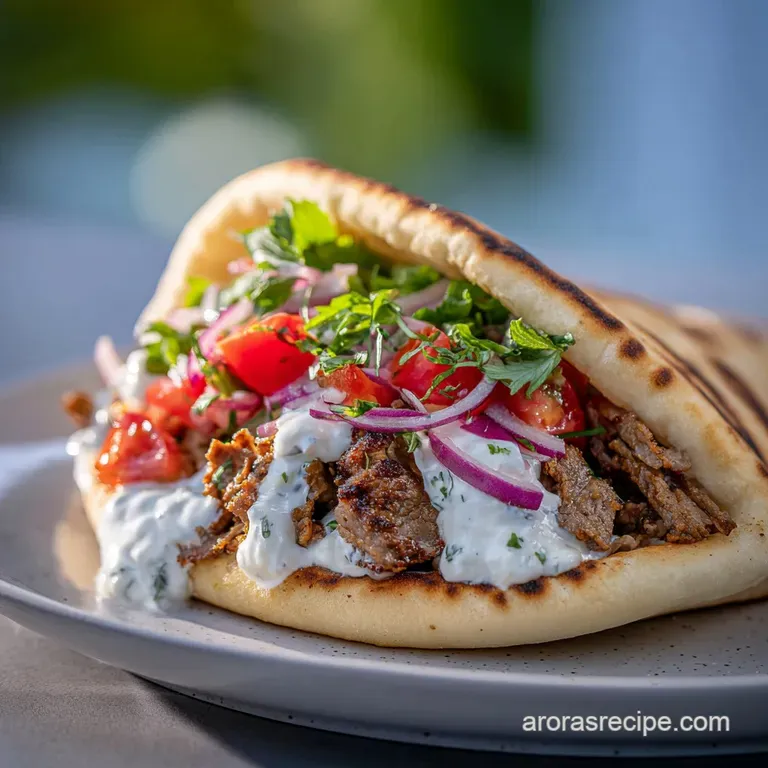
- Flavor/Texture Hook: Savory, garlic forward meat with a velvety interior and charred, crispy edges.
- Perfect for: Weekend family feasts, impressive meal prep, or an authentic Mediterranean dinner night.
- Creating the Ultimate Authentic Greek Gyro Recipe
- The Science Behind Achieving a Perfect Gyro Texture
- Essential Recipe Specs for the Home Greek Kitchen
- The Building Blocks of a Flavorful Homemade Gyro
- Essential Equipment Needed for This Traditional Greek Dish
- Essential Elements and Clever Swaps
- How to Make It Step by Step for Success
- Fixing Common Mistakes and Troubleshooting Your Gyro Meat
- Adjusting for Groups or Solo Meals
- Make It Your Own with Delicious Recipe Variations
- How to Store and Keep Your Gyro Meat Fresh
- Perfect Pairing Ideas to Complete Your Greek Feast
- Recipe FAQs
- 📝 Recipe Card
Creating the Ultimate Authentic Greek Gyro Recipe
I still remember the first time I walked into a tiny, blue and white tiled shop in the heart of a Greek neighborhood. The air was thick with the scent of dried oregano and roasting lamb, but it was that specific sizzle as the knife shaved off thin ribbons of meat that truly got me.
I watched, mesmerized, as the cook stuffed a warm pita with meat, zesty sauce, and fresh veggies. It wasn't just a sandwich; it was a warm hug in edible form. For years, I thought you needed one of those giant vertical rotisseries to get that texture at home, but I was wrong.
Honey, after a few failed attempts that ended up tasting more like a crumbly meatloaf than a gyro, I finally cracked the code. The secret isn't fancy equipment; it's how you treat the meat before it ever touches the heat.
We are fixin' to make a version that has that perfect "snap" and a deep, savory flavor that will make your kitchen smell like a dream. This greek gyro recipe is the real deal, focusing on comfort and that homemade Nashville touch I love to bring to my table.
We're going to use a blend of lamb and beef to get the fat content just right. By the time we’re done, you’ll have meat that’s tender enough to melt but firm enough to sear into crispy, mahogany colored strips.
Trust me on this: once you try this method, you’ll never settle for the frozen stuff again. It's about taking those treasured family vibes and making them work in a standard home kitchen without any fuss.
The Science Behind Achieving a Perfect Gyro Texture
Getting that signature "bouncy" texture in a greek gyro recipe comes down to a process called protein emulsification. When you pulse the meat in a food processor, you aren't just chopping it; you are breaking down the muscle fibers and forcing the fat and protein to bind into a tight, uniform matrix.
- The Bound Emulsion: High speed blades break down myofibrillar proteins, which then trap fat and moisture, creating a sliceable loaf rather than a crumbly burger.
- Osmotic Binding: Adding salt during the mixing phase draws out myosin, a protein that acts like a natural glue to hold the meat together during the long bake.
- Moisture Control: Grating and squeezing the onion removes excess water that would otherwise steam the meat from the inside, leading to a spongy, wet texture.
- Weight Compression: Baking the meat under a heavy weight (like a foil wrapped brick) mimics the pressure of a vertical spit, forcing the air out for a dense, professional finish.
| Thickness | Internal Temp | Rest Time | Visual Cue |
|---|---|---|---|
| 2 inch loaf | 165°F (74°C) | 15 minutes | Juices run clear, surface is browned |
| 1/8 inch slices | N/A (Sear) | 1 minute | Edges turn deep brown and "shatter" |
| 1 inch meatball | 165°F (74°C) | 5 minutes | Firm to the touch, no pink inside |
If you love the deep, earthy flavors of slow cooked meat like we do in this recipe, you might find the rich profile of an Abgoosht Recipe quite interesting as it uses similar lamb and chickpea notes. Both dishes rely on the marriage of fat and spices to create something truly soul warming.
Essential Recipe Specs for the Home Greek Kitchen
When you're aiming for that perfect home cooked feel, understanding the timing and the "why" behind the method is half the battle. This recipe is designed to be approachable, but it does require a bit of patience during the baking and resting phases to ensure the meat doesn't fall apart when you go to slice it.
| Method | Time | Texture | Best For |
|---|---|---|---|
| Traditional Bake | 1 hours | Dense and uniform | Authentic thin ribbons |
| Air Fryer Loaf | 35 minutes | Extra crispy exterior | Quick weeknight fix |
| Stovetop Patties | 15 minutes | Crumbly and juicy | Burger style gyros |
It is a total winner for a weekend project because the passive time allows you to whip up the Tzatziki and prep the veggies without feeling rushed. The goal here is a mahogany colored crust that provides a beautiful contrast to the velvety interior of the meat.
The Building Blocks of a Flavorful Homemade Gyro
Every ingredient in this greek gyro recipe serves a specific structural or flavorful purpose. We aren't just tossing things in a bowl; we are building layers of aroma that will bloom once the heat hits the pan.
| Ingredient | Science Role | Pro Secret |
|---|---|---|
| Ground Lamb | Provides essential fat and "gamey" depth | Use cold lamb to keep the fat from melting too early |
| Grated Onion | Adds moisture and sulfurous sweetness | Squeeze it until it’s nearly a dry pulp for the best bind |
| Dried Marjoram | Adds floral, pine like aromatics | Rub it between your palms to release the oils before adding |
| Smoked Paprika | Provides color and a "charred" flavor profile | Use high-quality Spanish pimentón for a deep red hue |
Essential Equipment Needed for This Traditional Greek Dish
To get that authentic gyro meat recipe result, you really do need a food processor. It's the only way to get the meat into the paste like consistency required for an emulsion. A standard blender won't quite cut it here as it lacks the torque to move the heavy meat mixture.
- Food Processor: Necessary for the 60 second high speed pulse that transforms ground meat into a smooth paste.
- 9x5 Inch Loaf Pan: The perfect size to keep the meat compact so it doesn't dry out.
- Heavy Weight: A brick wrapped in foil or a second loaf pan weighted with canned beans to compress the meat during baking.
- Cast Iron Skillet: For the final sear. Nothing beats cast iron for getting those crispy, shatter-prone edges on the thin slices.
- Microplane: This is the best way to turn your garlic into a paste so you don't end up with a big hunk of raw garlic in your Tzatziki.
Essential Elements and Clever Swaps
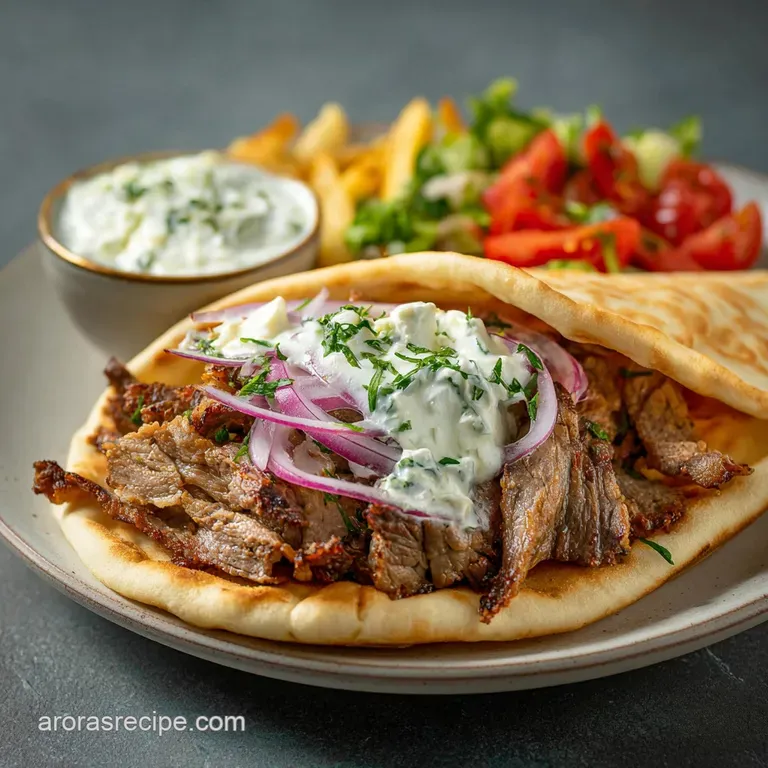
I always say, use what you've got in the pantry, but don't skip the salt! The salt is what makes the science happen. Here is what you'll need for the perfect greek gyro recipe.
- 1 lb ground lamb: Why this? Essential for that specific, authentic flavor and high fat content.
- Substitute: Ground pork (adds fat, but changes the flavor profile to be milder).
- 1 lb 90/10 lean ground beef: Why this? Provides structure without making the loaf overly greasy.
- Substitute: Ground turkey (drier result; add 1 tbsp olive oil to compensate).
- 1 small yellow onion: Why this? Provides foundational savory sweetness and moisture.
- Substitute: Shallots (more delicate flavor; use 2 large ones).
- 4 cloves garlic: Why this? The aromatic backbone of Mediterranean cooking.
- Substitute: 1 tsp garlic powder (lacks the "bite" of fresh garlic).
- 1 tbsp dried oregano: Why this? The signature herb of Greece.
- Substitute: Dried thyme (earthier, less floral).
- 2 tsp smoked paprika: Why this? Mimics the flavor of meat cooked over an open flame.
- Substitute: Regular paprika plus a drop of liquid smoke.
- 1.5 tsp fine sea salt: Why this? Crucial for protein extraction and seasoning.
- Substitute: Kosher salt (use 2 tsp as it is less dense).
- 1 tsp dried marjoram: Why this? Adds a subtle, traditional herbal note that's often missed.
- Substitute: Dried oregano (double the amount if skipping marjoram).
- 1 cup 2% Greek yogurt: Why this? Base for Tzatziki; thick enough to hold the cucumber.
- Substitute: Sour cream (tarter and heavier; less traditional).
- 0.5 English cucumber: Why this? Low seed count means less watery mess in your sauce.
- Substitute: Regular cucumber (must peel and de seed thoroughly).
How to Make It step-by-step for Success
Right then, let's crack on with the cooking. This is a three part harmony: the prep, the bake, and the final sear. Follow the timeline below to keep your kitchen running smooth.
- 1. Prep & Pulse (20 minutes)
- Get the meat paste ready and the Tzatziki chilling.
- 2. The Weighted Bake (1 hours)
- Let the oven do the heavy lifting.
- 3. The Rest & Sear (25 minutes)
- Cool the meat, slice it thin, and get that crust.
Phase 1: The Emulsification
- Grate the yellow onion over a clean kitchen towel. Note: You want it to look like a wet pulp.
- Gather the corners of the towel and squeeze the onion over the sink until no more juice drips out. Note: This prevents the meat from becoming a soggy mess.
- Add the cold ground lamb, ground beef, squeezed onion, garlic paste, oregano, paprika, salt, pepper, and marjoram to your food processor.
- Pulse the mixture for 60 seconds until it becomes a pale, tacky paste. Note: It should look like thick mousse, not ground meat anymore.
Phase 2: The Weighted Bake
- Preheat your oven to 325°F (160°C). Note: A lower temp prevents the fat from rendering out too fast.
- Pack the meat mixture into a 9x5 loaf pan, pressing down hard to remove any air pockets.
- Place the loaf pan into a larger baking dish and fill the outer dish with 1 inch of boiling water (a bain marie).
- Bake for 45 minutes, then place a foil wrapped brick or a heavy weighted pan on top of the meat and bake for another 15 minutes until the internal temp hits 165°F. Note: The weight is the "pro secret" for a dense, sliceable texture.
Phase 3: The Searing Finish
- Remove the loaf and let it rest, still weighted, for at least 15 minutes. Note: This allows the juices to redistribute and the proteins to set.
- Slicing the meat as thin as possible (about 1/8 inch), sear the strips in a hot cast iron skillet for 1-2 minutes per side until edges are charred and crackling.
While you're waiting for that meat to rest, you might want to start thinking about dessert. If you like the comfort of warm bread and cakes, my Vasilopita bread The recipe is a wonderful way to keep that Greek theme going with a sweet, festive finish.
Fixing Common Mistakes and Troubleshooting Your Gyro Meat
Even the best of us hit a snag sometimes. The most common issue with a homemade gyro recipe is usually related to texture either it's too crumbly or the sauce is too runny.
Fixing a Crumbly Loaf
If your meat falls apart when you try to slice it, it usually means the proteins didn't emulsify properly. This happens if the meat was too warm when processing or if you didn't pulse it long enough. Make sure your lamb and beef are straight from the fridge. If it's already cooked and crumbly, don't panic!
Just sear the crumbles in a pan with a little butter; they'll still taste amazing even if they aren't in perfect strips.
Preventing Watery Tzatziki
There is nothing worse than a watery sauce that makes your pita soggy. The culprit is always the cucumber. Even "seedless" English cucumbers hold a ton of water. After grating, salt the cucumber lightly and let it sit for 10 minutes, then squeeze it with a towel just like you did with the onion.
| Problem | Root Cause | Solution |
|---|---|---|
| Rubbery meat | Over processed | Pulse for exactly 60 seconds; do not exceed |
| Meat is greasy | Oven too hot | Ensure temp is 325°F; use the water bath |
| Bland flavor | Under seasoned | Increase salt to 2 tsp if using coarse kosher salt |
Common Mistakes Checklist:
- ✓ Squeeze the onion until it is bone dry before adding to the meat.
- ✓ Use cold meat to ensure the fat stays suspended in the emulsion.
- ✓ Never skip the 15 minute rest; it's vital for a clean slice.
- ✓ Use a heavy weight to compress the loaf during the final bake.
- ✓ Sear the meat in small batches to avoid steaming it in the pan.
Adjusting for Groups or Solo Meals
Scaling a greek gyro recipe is fairly straightforward, but you have to be careful with the spices. Spices don't always scale linearly; if you double the meat, you don't necessarily want to double the salt and pepper right away.
- To Scale Down (1/2 batch): Use 0.5 lb each of lamb and beef. Use a smaller mini loaf pan or shape the paste into a tight cylinder wrapped in foil. Reduce the baking time by about 20 minutes, but still check for that 165°F internal temperature.
- To Scale Up (2x-4x batch): Work in batches for the food processor phase. Overcrowding the processor will lead to uneven texture. For the seasoning, increase salt and spices by 1.5x first, then taste a small pan-fried piece to see if you need more.
- The Egg Trick: If you are halving the recipe and it calls for an egg (not in this version, but common in others), beat the egg in a cup and use exactly half.
| Premium Ingredient | Budget Alternative | Flavor Impact | Savings |
|---|---|---|---|
| Ground Lamb | Extra Ground Beef + Lamb Fat | Less "earthy" but still rich | $5-7 |
| Fresh Dill | Dried Dill (1 tsp) | Less bright/zippy | $2-3 |
| Whole Wheat Pita | Flour Tortillas | Lacks the "chew" of real pita | $2 |
If you find yourself with extra meat but no pitas left, you can get creative. I've actually served seared gyro strips alongside a creamy pasta dish, similar to the vibe of a Gnocchi in Gorgonzola recipe. The salty meat cuts through the rich cheese beautifully!
Make It Your Own with Delicious Recipe Variations
While this is an authentic gyro recipe, there is plenty of room to play around depending on your dietary needs or what’s in the fridge.
For a Lean Chicken Gyro Recipe
If lamb isn't your thing, you can use ground chicken or turkey. Since poultry is leaner, you must add 2 tablespoons of olive oil to the food processor to keep the loaf from becoming "rubbery." Increase the oregano and add a teaspoon of lemon zest to the meat mixture to brighten it up.
Low Carb / Keto Variation
This recipe is naturally very low in carbs! To keep it strictly keto, ditch the pita and serve the seared meat over a bed of shredded Romaine lettuce with extra Tzatziki, olives, and feta cheese. It makes for an incredible "Gyro Bowl" that feels just as indulgent as the sandwich.
The Myths of the Gyro
- Myth 1: "You need a rotisserie." Truth: The food processor + weighted bake method mimics the density and texture perfectly for home cooks.
- Myth 2: "Searing meat seals in juices." Truth: Searing is purely for the Maillard reaction (flavor and texture). The moisture is actually retained by the protein emulsion we built in the processor.
How to Store and Keep Your Gyro Meat Fresh
The beauty of this greek gyro recipe is that it actually tastes better the next day after the spices have had time to fully marry.
- Storage: Keep the whole cooked loaf (before searing) wrapped tightly in plastic wrap in the fridge for up to 4 days. Only slice and sear what you are fixin' to eat right then.
- Freezing: You can freeze the cooked loaf for up to 3 months. Thaw it overnight in the fridge before slicing. I don't recommend freezing the raw paste, as the texture can become grainy.
- Zero Waste Tip: Don't throw away those onion juices you squeezed out! Add them to a soup base or a marinade for a hit of savory flavor. Leftover Tzatziki makes a killer salad dressing if you thin it out with a little more lemon juice and olive oil.
Perfect Pairing Ideas to Complete Your Greek Feast
To turn this into a full Nashville style Mediterranean spread, you need the right supporting cast. A traditional Greek salad with big chunks of feta and kalamata olives is a must. The acidity of the tomatoes and the brine of the olives cut right through the richness of the lamb.
If you want something heartier, try serving the gyro meat alongside lemon roasted potatoes or a simple rice pilaf. Honestly, sometimes I just put a big platter of the seared meat in the middle of the table with a bowl of Tzatziki and let everyone go to town.
It’s about that joy of sharing a home cooked meal that tastes like it took all day, even if we used a few smart shortcuts.
Don't forget to warm your pitas! A cold pita is a sad pita. Give them 30 seconds per side in the same pan you used to sear the meat so they soak up all those leftover juices and fat. That right there is the secret to a truly "unforgettable" home cooked gyro. Enjoy, honey!
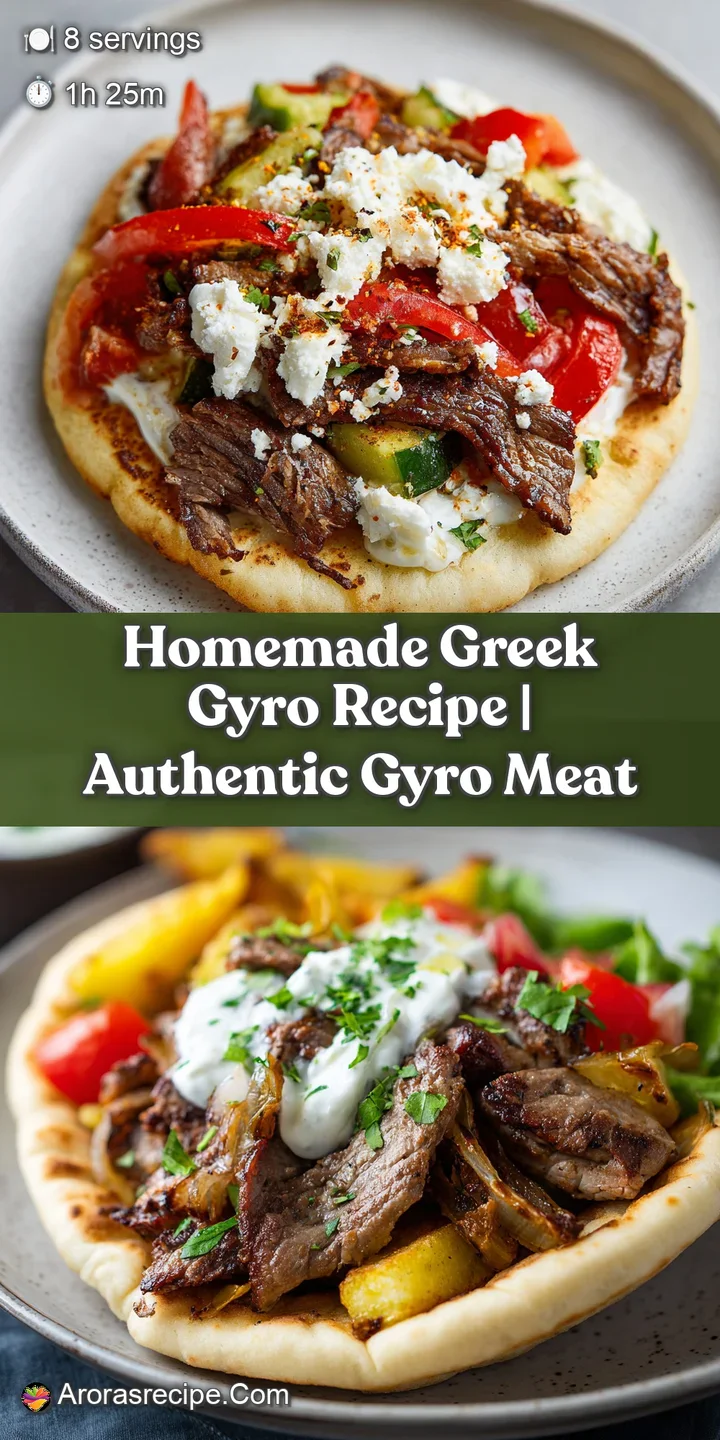
Recipe FAQs
What are the ingredients for a Greek gyro?
The core ingredients are a meat blend (typically lamb and beef), grated onion, salt, pepper, oregano, and marjoram. These are processed into an emulsion before being baked into a loaf. The sandwich itself requires pita bread, lettuce, tomato, and Tzatziki sauce.
What are the ingredients in a gyro sandwich?
A classic gyro sandwich contains the seasoned, sliced gyro meat, warm pita bread, fresh tomato, sliced onion, and a generous dollop of Tzatziki sauce. Some variations might include french fries stuffed inside or a sprinkle of parsley for color.
Why are gyros unhealthy?
No, this is a common misconception depending on preparation. Traditional gyros meat is high in saturated fat due to the lamb/beef blend and they are often served on refined white pita bread. Preparing them at home allows you to control fat content and use whole wheat pitas.
What is the secret to a good gyro?
The secret is achieving a tight protein emulsion before cooking. Pulsing the cold meat mixture rapidly in a food processor creates a sticky paste that binds the fat and moisture, preventing crumbling. If you enjoyed mastering this binding technique here, see how the same principle applies to ensuring smooth results in a Egg Yolk Sauce recipe for perfect emulsification.
How do I make sure my gyro meat slices cleanly instead of crumbling?
Bake the meat loaf under significant weight for the last 15 minutes of cooking. This pressure mimics a vertical spit, forcing air out and compressing the proteins into a dense, sliceable structure. Allowing the meat to rest completely after baking is just as crucial for clean slicing.
Can I use only chicken or turkey instead of lamb and beef?
Yes, you can substitute poultry, but you must add extra fat. Leaner meats like chicken or turkey will result in a dry, spongy texture if cooked alone. To compensate, add 2 tablespoons of olive oil to the meat mixture before processing.
How long should I process the meat mixture in the food processor?
Pulse the meat mixture for a total of 60 seconds until it forms a pale, tacky paste. You should see no visible chunks of fat or meat remaining. Do not over process past 75 seconds, or the heat from the friction will start melting the fat prematurely.
Authentic Greek Gyro Recipe
Ingredients:
Instructions:
Nutrition Facts:
| Calories | 461 kcal |
|---|---|
| Protein | 28.8 g |
| Fat | 16.5 g |
| Carbs | 36.8 g |
| Fiber | 4.2 g |
| Sugar | 3.1 g |
| Sodium | 485 mg |
