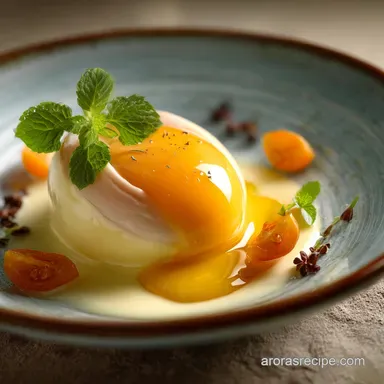
Savory Sabayon in 15 Minutes

- Total15 Mins
- Calories138 kcal
- CuisineFrench
- Time: 5 min active + 10 min cook
- Flavor & Texture: Bright, lemony, and airy
- Perfect for: Fancy dinner parties or a special weekend brunch
This sauce comes from the traditions of Italy and France, where it started as a sweet treat. While most people think of it as a dessert, the savory version is a classic way to add a bit of luxury to a meal without making it feel too heavy. It's basically a warm, aerated emulsion that feels like a cloud on the plate.
Honestly, don't let the fancy name fool you. It's just egg yolks and broth with some air whipped in. You don't need professional training to get this right, just a bit of patience and a steady arm.
When you make this savory sabayon, you're creating a sauce that balances the richness of butter and eggs with a sharp hit of lemon. It's the kind of addition that makes a simple piece of steamed asparagus feel like a high-end meal.
Savory Sabayon for Your Next Dinner
- Steam Heat
- Using a double boiler keeps the eggs from heating too fast, which helps prevent them from scrambling.
- Constant Aeration
- Whisking in a figure-eight motion traps air bubbles in the yolks, making the sauce velvety and light.
- Acid Balance
- Lemon juice cuts through the fat of the butter and eggs, so the sauce tastes bright rather than greasy.
Recipe Specs
The method you choose changes how the sauce feels. I usually stick to the whisk for a more traditional feel, but a mixer can save your arm if you're making a larger batch.
| Method | Time | Texture | Best For |
|---|---|---|---|
| Hand-Whisked | 10 min | Traditional, airy | Small batches, full control |
| Electric Whisk | 5 min | More uniform, denser | Larger groups, saving effort |
The Building Blocks
The egg yolks are the secret here, acting as both the binder and the thickening agent.
Stir in the butter at the very end to achieve a lustrous sheen. Introducing it too early could disrupt the aeration process. I recommend a premium unsalted butter so you can manage the salt content precisely.
Ingredients
- 4 large egg yolks Why this? Provides stability and richness
- 1/2 cup vegetable broth Why this? Offers a savory liquid base
- 1 tsp lemon juice Why this? Balances the richness with acidity
- 1/4 tsp fine sea salt Why this? Uplifts the overall flavor profile
- 1/8 tsp white pepper Why this? Gives a light heat without dark specks
- 2 tbsp unsalted butter, melted Why this? Ensures a polished, rich finish
- 1 tsp fresh lemon juice Why this? Adds a bright final note
Tools You'll Need
You'll need a heat-proof glass or stainless steel bowl that fits snugly over a saucepan. If you don't have a formal double boiler, a Pyrex bowl and a small pot of water work just fine. A balloon whisk is the best tool here because it's designed to incorporate the most air.
From Prep to Plate
Phase 1: Setting the Stage
Fill a small saucepan with 1 to 2 inches of water. Bring it to a gentle simmer over medium-low heat. Make sure the water doesn't touch the bottom of your bowl, or you'll cook the eggs too fast.
Phase 2: Creating the Emulsion
Put 4 large egg yolks, 1/2 cup vegetable broth, 1 tsp lemon juice, 1/4 tsp fine sea salt, and 1/8 tsp white pepper into your bowl. Whisk them vigorously until the mixture is fully combined and smooth.

Phase 3: The Aeration Process
Set the bowl over the simmering water. Whisk constantly in a figure-eight motion. The sauce will gradually thicken and turn a pale yellow. Keep going until the sauce reaches 160°F (71°C) and holds a soft peak. It should look like a thick, airy foam.
Phase 4: Finishing for Richness
Take the bowl off the heat. Slowly drizzle in 2 tbsp melted butter while you keep whisking. This creates a silky, glossy finish. If you want it a bit more zingy, whisk in an additional 1 tsp of fresh lemon juice.

Problems and Solutions
Fixing a Thin Sauce
If the sauce hasn't thickened after 7 minutes, your water might not be simmering enough. Check the steam. If the bowl isn't hot to the touch, turn up the heat slightly and whisk for another 2 to 3 minutes until the volume increases.
Preventing Curdled Eggs
Curdling happens when the eggs get too hot too fast. If you see small clumps forming, remove the bowl from the heat immediately. Whisk in a teaspoon of room-temperature broth to cool it down and smooth it out.
Restoring a Broken Emulsion
If the butter separates and looks oily, the sauce has broken. You can usually fix this by adding a tiny bit of warm broth and whisking rapidly. The heat and the liquid help the fat bind back to the egg yolks.
Serving Suggestions

This sauce is a dream over poached fish or steamed asparagus. I like it poured over a bed of sautéed spinach, or even used as a dip with some warm homemade naan bread.
For a more hearty meal, try it over a grilled piece of halibut or a thick slice of roasted cauliflower. Since the sauce is so light, it doesn't overpower the main ingredient, but it adds a professional touch to the plate.
Storage and Leftover Tips
Serve this sauce immediately for the best results. Because it is aerated, the savory sabayon will lose its volume and flatten if left to stand.
Place leftovers in a sealed jar and refrigerate for up to 24 hours. The emulsion may separate in the cold; if so, whisk in a splash of warm broth to restore it. To avoid scrambling the eggs, do not use a microwave, reheat the sauce using a double boiler on low heat instead.
Flavor Variations to Try
Garlic-Herb Infusion
Whisk a pinch of garlic powder into the yolks at the start. Just before serving, fold in a tablespoon of finely chopped chives or parsley for a fresh, garden taste.
Parmesan Cloud
Whisk in two tablespoons of very finely grated Parmesan cheese after you've added the butter. This makes the sauce saltier and more savory, which is great for serving over pasta.
Lemon-Caper Twist
Stir in a teaspoon of drained, minced capers at the end. The salty pop of the capers works great with the lemony base, especially if you're serving this with seafood.
Recipe FAQs
What is the difference between sabayon and hollandaise?
Sabayon is lighter and fluffier than a white sauce. While hollandaise is a heavy butter emulsion, sabayon relies on whipped air for its volume.
How to cook a sabayon?
Whisk egg yolks, broth, and lemon juice in a bowl over simmering water. Stir constantly in a figure-eight motion until the mixture reaches 160°F and holds a soft peak.
Why did my sauce curdle or look grainy?
The eggs likely overheated and began to scramble. Keep the heat medium-low and ensure the simmering water never touches the bottom of the bowl.
Can I thicken the sauce if it is too runny?
Yes, continue whisking the mixture over the simmering water for a few more minutes. The sauce thickens as the proteins coagulate at the required temperature.
How long can I store leftover sauce?
Place the sauce in a container and refrigerate it for up to 24 hours. The emulsion will likely separate in the cold, but can be brought back with a bit of warm broth.
Can I reheat this sauce?
Use a double boiler on low heat to gently warm the sauce. Avoid using a microwave, as high heat will scramble the eggs.
Do whole eggs work instead of just yolks?
Whole eggs would make the sauce less rich and alter the final texture. The yolks are necessary to provide the stable, glossy emulsion this recipe requires.
Savory Sabayon in 15 Minutes
Ingredients:
Instructions:
Keep Cooking

Classic Knorr Spinach Dip Recipe
Master the classic knorr spinach dip recipe with our step-by-step timing guide.

Tortellini Alfredo Sauce: Decadent Three-Cheese Recipe
Learn to make this rich Tortellini Alfredo Sauce from scratch!

Roasted Green Chile Sauce
This Roasted Green Chile Sauce brings a smoky, zesty kick to any dish.

Homemade Naan Bread in 1 Hour 30 Minutes
Master Homemade Naan with this quick recipe, featuring a blend of flours for nutty depth.

Pumpkin Lasagna Rolls with White Sauce
Pumpkin Lasagna Rolls provide a rich autumn flavor. This recipe includes a clear assembly guide for…
