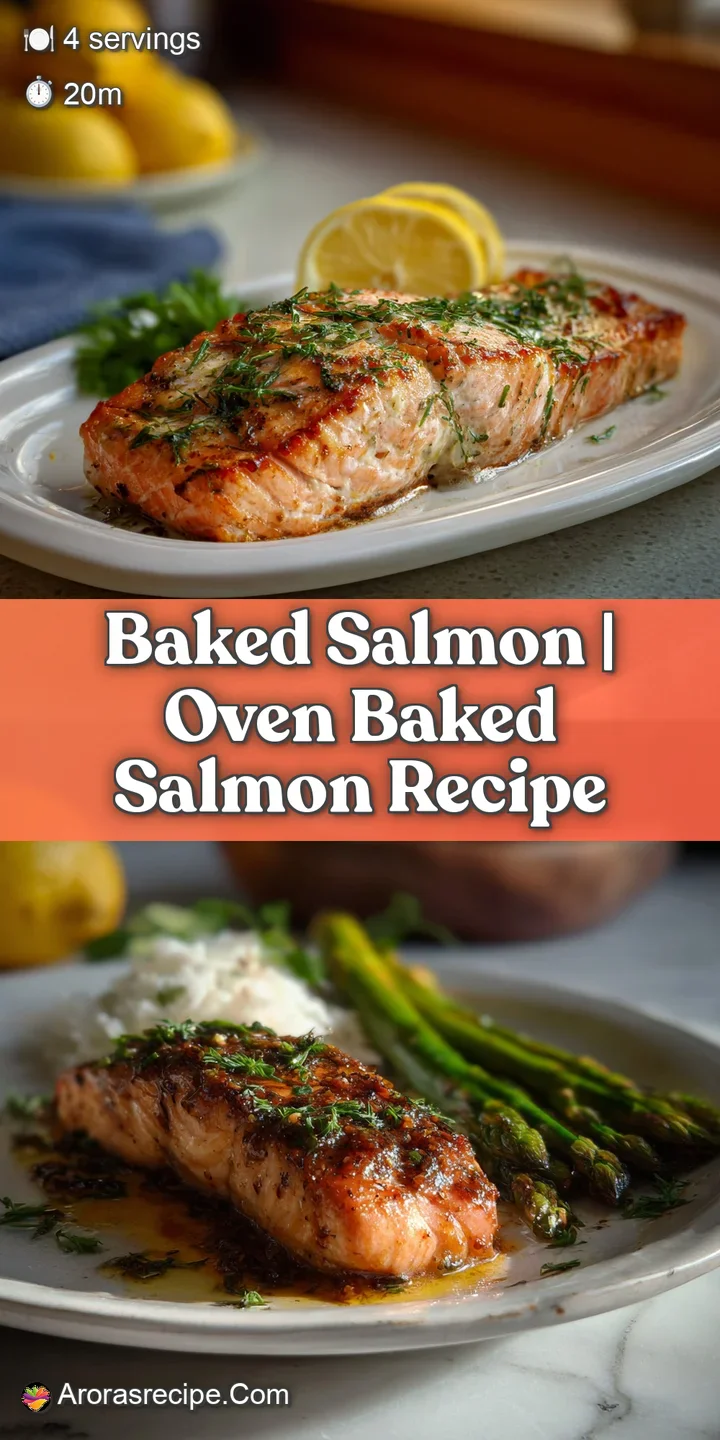
Baked Salmon: Simple Oven Recipe
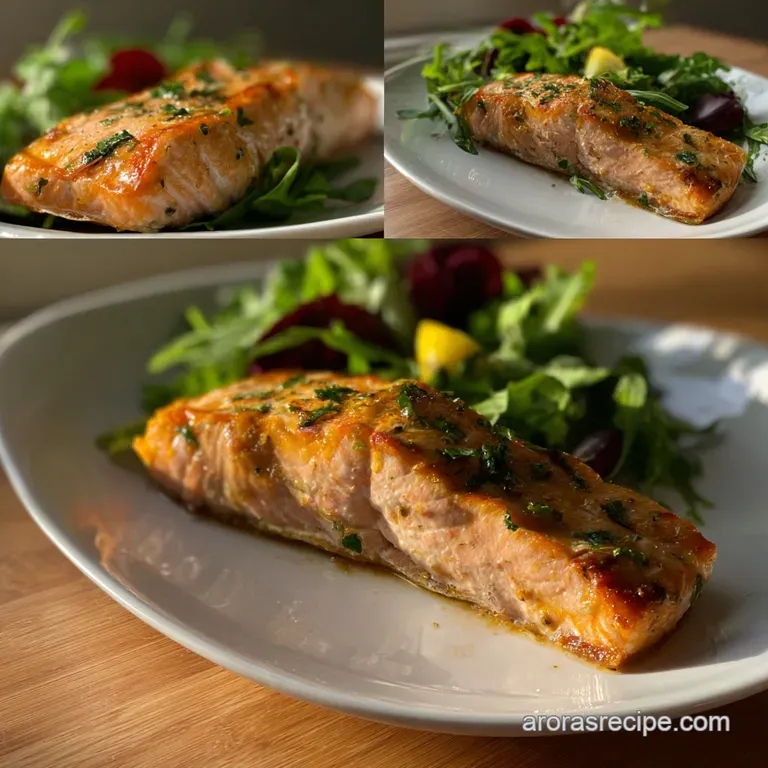
- Time: Active 5 minutes, Passive 15 minutes, Total 20 minutes
- Flavor/Texture Hook: Flaky, velvety center with a zesty, smoky crust
- Perfect for: Stress free weeknight dinners or healthy meal prep
- Mastering Silky Texture with This Reliable Baked Salmon Recipe
- The Science of Why it Works
- Comprehensive Profile of Essential Components
- Shopping List for Your Hearty Salmon Dinner
- Equipment Needed for Precision Cooking
- Execution Steps from Prep to Plate
- Correcting Common Texture Issues
- Scaling the Recipe for Any Crowd
- Smart Shifts for Better Results
- Debunking Kitchen Folklore
- Preservation and Environmental Mindfulness
- Serving Suggestions for a Complete Meal
- Recipe FAQs
- 📝 Recipe Card
Mastering Silky Texture with This Reliable Baked Salmon Recipe
You know that feeling when you pull a tray out of the oven and the fish looks more like a pencil eraser than dinner? We’ve all been there, staring at a dry, sad fillet wondering where it all went wrong. For a long time, I was terrified of fish because the window between "raw" and "ruined" felt like two seconds.
But honestly, once I started using this specific over high heat method for my Baked Salmon, everything changed. It’s the kind of hearty, reliable meal that makes you feel like a pro without any of the stress.
The aroma of garlic and fresh dill hitting the hot oil in the oven is enough to bring everyone to the kitchen before the timer even goes off. We’re going for a texture that’s velvety and soft, where the flakes just slide apart with the slightest nudge of a fork.
No fancy equipment, no complicated sauces just honest ingredients working together. If you've ever struggled with fish sticking to the pan or coming out unevenly cooked, this is the approach that fixes it all.
I remember the first time I made this for my family back in the Midwest; they were used to fried fish, so a light, zesty roast was a bit of a shift. But the smoked paprika gives it that depth that feels familiar and satisfying.
We’re going to walk through exactly how to avoid that weird white gunk and ensure your salmon in oven comes out looking like a centerpiece every single time. Trust me, once you nail this timing, you'll never go back to pan searing.
The Science of Why it Works
Protein Denaturation: High heat at 400°F (200°C) causes the salmon proteins to tighten and expel moisture rapidly if overcooked, so we use a shorter duration to keep the internal fat (omega-3s) from leaking out.
Thermal Conductivity: Placing lemon rounds beneath the fillets acts as a natural heat buffer, preventing the delicate bottom proteins from toughening against the hot metal pan.
| Thickness | Internal Temp | Rest Time | Visual Cue |
|---|---|---|---|
| 2 cm | 52°C (125°F) | 3 mins | Translucent center turns opaque |
| 3 cm | 54°C (130°F) | 5 mins | Flakes easily with a fork |
| 4 cm | 55°C (132°F) | 5 mins | Firm but gives under pressure |
When you're baking salmon in oven environments, you have to account for carryover cooking. The fish will continue to rise about 2 to 3 degrees after you pull it out, so pulling it just before it looks "totally done" is the secret to that restaurant style silkiness. It's much like the logic we use for a good Cooked Salmon recipe where timing is everything.
Comprehensive Profile of Essential Components
| Ingredient | Science Role | Pro Secret |
|---|---|---|
| Salmon Fillets | Main Protein | Room temperature fillets cook 20% more evenly than cold ones. |
| Extra Virgin Olive Oil | Fat Conductor | Acts as a heat bridge between the air and the seasoning. |
| Coarse Sea Salt | Moisture Retention | Draws out proteins to the surface to create a slight "crust." |
| Smoked Paprika | Flavor Depth | Adds a wood fired aroma without needing a grill or smoker. |
Choosing the right cut is just as important as the technique itself. I always look for fillets that are uniform in thickness so one side doesn't turn into jerky while the other stays raw. If you've got a tail piece, fold the thin end under itself to match the thickness of the rest of the fillet.
Shopping List for Your Hearty Salmon Dinner
- 4 (170g / 6 oz) Salmon fillets: Why this? Individual portions ensure even heat distribution and easier serving. (Substitute: Steelhead trout for a similar fat profile).
- 1 tbsp Extra virgin olive oil: Why this? high-quality oil carries the garlic and paprika flavors into the flesh. (Substitute: Avocado oil for a higher smoke point).
- 1 tsp Coarse sea salt: Why this? Coarse grains provide a better texture and won't over salt as easily as table salt. (Substitute: Kosher salt).
- 0.5 tsp Cracked black pepper: Why this? Freshly cracked provides a floral heat that pre ground lacks. (Substitute: White pepper for a milder bite).
- 1 Organic lemon, sliced into rounds: Why this? The skin of organic lemons lacks wax and pesticides, which is vital for roasting. (Substitute: Lime rounds for a tropical twist).
- 3 Cloves garlic, thinly slivered: Why this? Slivered garlic toasts gently without burning as fast as minced garlic. (Substitute: 1 tsp garlic powder in a pinch).
- 4 Sprigs fresh dill: Why this? Dill contains oils that cut through the richness of the fish perfectly. (Substitute: Fresh parsley or cilantro).
- 0.5 tsp Smoked paprika: Why this? It provides a deep, earthy color and a hint of backyard BBQ flavor. (Substitute: Sweet paprika or a dash of chili powder).
Equipment Needed for Precision Cooking
You don't need a kitchen full of gadgets for a great Baked Salmon, but a few specifics make a world of difference. A large, rimmed baking sheet (like a half sheet pan) is my go to because it allows for plenty of airflow around the fish.
If you crowd the fillets, they’ll steam instead of roast, and you'll lose that beautiful texture.
I also highly recommend using parchment paper or a silicone baking mat. It makes cleanup a breeze, but more importantly, it prevents the skin from tearing when you try to lift the fish. And if you really want to stop guessing, a digital meat thermometer is the best $15 you’ll ever spend. It takes the anxiety out of the process completely. Just like when making a Baked Salmon at recipe, knowing the exact internal temperature is your safety net.
Execution Steps from Prep to Plate
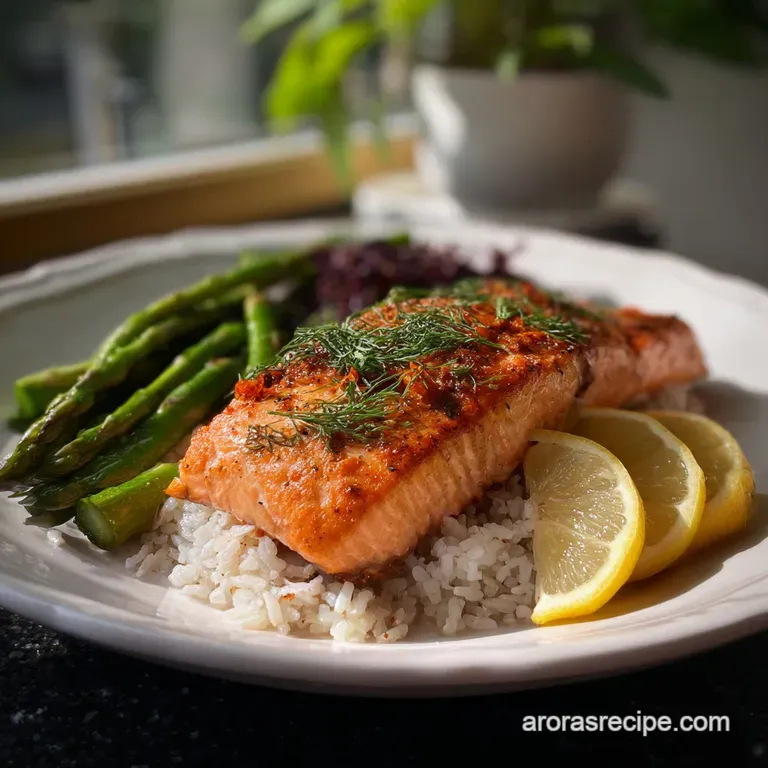
- Preheat the oven. Set your rack to the middle position and heat to 200°C (400°F). Note: A hot oven is crucial for immediate protein setting.
- Dry the fish. Pat each 170g fillet bone dry with paper towels. Note: Moisture on the surface creates steam, which prevents the oil from adhering.
- Arrange the base. Lay the lemon rounds in four small groups on your lined baking sheet.
- Season the salmon. Rub the olive oil over the top and sides of the fillets, then sprinkle evenly with the sea salt, cracked pepper, and smoked paprika.
- Add aromatics. Press the slivered garlic into the top of the fish so it sticks to the oil.
- Position on lemons. Place one fillet on top of each group of lemon slices. This keeps the fish velvety and prevents sticking.
- Roast the fillets. Slide the tray into the oven and bake for 12 to 15 minutes. Wait until the salmon flakes easily with a fork.
- Add the herbs. Lay the fresh dill sprigs over the hot fish immediately after pulling from the oven. Note: The residual heat releases the dill's aromatic oils without wilting it into mush.
- Rest the protein. Let the tray sit for 3 to 5 minutes before serving. This allows the juices to redistribute through the flakes.
- Final squeeze. Use the roasted lemon rounds from the tray to squeeze a bit of warm, caramelized juice over the top.
Correcting Common Texture Issues
Why Your Salmon Leaked White Gunk
That white stuff is called albumin. It’s a perfectly safe protein, but it usually appears when the fish is cooked too fast or too long. When the muscle fibers contract too hard, they squeeze the liquid protein out to the surface where it coagulates.
To avoid this, try a lower final temperature or ensure your fish isn't ice cold when it hits the oven.
Solving the Sogginess Problem
If your salmon feels mushy rather than flaky, it likely steamed in its own juices. This happens if you use too much liquid in the pan or if the fillets were touching each other. Space them out! You want the hot air to hit all sides of the fish to render the fat properly.
| Problem | Root Cause | Solution |
|---|---|---|
| Dry Edges | Fillet is tapered/thin at one end | Fold the thin tail end under to create even thickness. |
| Fish Sticks to Pan | No barrier or low-fat | Use parchment paper and place fish on lemon slices. |
| Raw Middle | Oven wasn't fully preheated | Use a thermometer to verify oven temp before sliding the tray in. |
Common Mistakes Checklist
- ✓ Skipping the "pat dry" step (leads to rubbery skin and grey meat)
- ✓ Using pre minced garlic from a jar (it burns and tastes bitter in high heat)
- ✓ Overcrowding the baking sheet (prevents the edges from crisping)
- ✓ Forgetting to rest the fish (all the moisture will run out on the plate)
- ✓ Checking for doneness by cutting a huge slit in the middle (let the thermometer do the work)
Scaling the Recipe for Any Crowd
When you're feeding a larger group, you can easily double this recipe. Just be sure to use two separate baking sheets rather than trying to cram eight fillets onto one. If you put two trays in at once, rotate them halfway through top to bottom and front to back to account for oven hot spots.
For a single serving, the toaster oven is actually a fantastic tool. It reaches temperature quickly and handles a single 170g fillet perfectly. Just keep the temperature the same and reduce the time by about 2 minutes, as the heating elements are much closer to the food.
Smart Shifts for Better Results
| Original | Substitute | Why It Works |
|---|---|---|
| Fresh Dill | Dried Oregano | Gives a more Mediterranean, earthy vibe. |
| Lemon Slices | Orange Slices | Adds a floral sweetness that pairs well with the paprika. |
| Smoked Paprika | Cumin & Chili | Creates a taco style flavor profile for bowls. |
If you want a different vibe altogether, consider a Creamy Tuscan Salmon recipe for those nights when you want a rich sauce to go with your flakes. But for a clean, simple meal, the oil and lemon method is king.
Debunking Kitchen Folklore
One of the biggest myths is that you have to flip salmon in the oven. Please, don't do it! Flipping fish is a recipe for broken fillets and lost juices. If your oven is properly preheated, the heat will circulate around the fish, cooking it perfectly from all sides.
The lemon bed handles the bottom, and the ambient heat handles the top.
Another common misconception is that "fishy" smell means the fish is bad. While very old fish does smell, a slight ocean scent is normal. To neutralize it, the lemon and salt in this recipe work wonders.
If you're still worried, a quick 10 minute soak in cold milk before seasoning can remove the compounds that cause that strong odor.
Preservation and Environmental Mindfulness
Storage Guidelines: You can keep leftover Baked Salmon in an airtight container in the fridge for up to 3 days. When reheating, avoid the microwave if possible it turns the fats rancid and the texture tough.
Instead, put it in a 300°F (150°C) oven for about 8 minutes with a splash of water or a knob of butter to keep it moist.
Freezing Instructions: I don't usually recommend freezing cooked salmon as the texture suffers, but if you must, wrap it tightly in plastic wrap and then foil. It will stay good for 2 months. Thaw it slowly in the fridge overnight before reheating.
- Salmon Skin
- If you don't like eating the skin, don't throw it away! Fry it in a pan until it's like a potato chip and crumble it over a salad for a salty crunch.
- Lemon Rinds
- After squeezing the roasted lemons, toss the rinds into your garbage disposal to freshen it up.
- Herb Stems
- The dill stems have tons of flavor. Chop them finely and mix into a tartar sauce or a yogurt dip.
Serving Suggestions for a Complete Meal
For a classic Midwestern feel, I love serving this alongside a big pile of mashed potatoes or some wild rice. The juices from the salmon and the roasted lemon act as a natural "sauce" for the grains.
If you're looking for something lighter, a crisp cucumber salad with a vinegar dressing provides a sharp contrast to the rich, fatty fish.
If you happen to have leftovers, they make the world's best salad topper the next day. Cold salmon flaked over greens with a bit of feta and pickled onions is a lunch you'll actually look forward to. You could even use the flakes to make a quick version of a Buffalo Chicken Dip recipe — just swap the chicken for salmon for a smoky, seafood twist on a party favorite. Whatever you do, just keep it simple and enjoy the process. Cooking shouldn't be a chore, especially when the results are this good!
Recipe FAQs
How long does it take to cook salmon in the oven at 400 degrees?
Approximately 12-15 minutes for 170g fillets. Cooking time varies based on thickness; thicker fillets will take slightly longer. Always check for doneness with a fork to ensure it flakes easily.
Is it better to bake salmon at 350 or 400 in the oven?
400°F is generally better for a tender, flaky texture. This higher heat cooks the salmon quickly, which helps lock in moisture and prevents it from drying out. Lower temperatures can be used, but require careful timing to avoid dryness.
Do you cover salmon when baking it in the oven?
No, typically you do not cover salmon when baking it for best results. Uncovered baking allows the heat to circulate freely, creating a slightly crisped exterior while keeping the inside moist. Covering can lead to steaming, which results in a less desirable texture.
How to best oven bake salmon?
Preheat your oven to 400°F (200°C) and line a baking sheet with parchment paper. Pat the salmon fillets dry, rub with olive oil, season, and place them on lemon slices or parchment. Bake for 12-15 minutes, or until the salmon flakes easily with a fork.
Why is my baked salmon releasing white gunk?
No, this is a common misconception that the white substance is harmful. The white stuff is albumin, a protein that coagulates and is pushed out when the fish is cooked too quickly or for too long. To minimize it, ensure even cooking and don't overcook; a consistent final temperature is key, much like in our Cooked Salmon recipe.
Can I bake salmon straight from frozen?
No, it's best to thaw salmon before baking. Baking frozen salmon often results in uneven cooking, where the outside can overcook before the inside is done. Thawing allows for more consistent cooking and better texture.
What internal temperature should baked salmon reach?
Aim for an internal temperature of 125-130°F (52-54°C) for medium rare to medium. The fish will continue to cook a few degrees after you remove it from the oven due to carryover heat. This precision ensures a velvety, moist result, a technique also vital when creating dishes like our Sweet Potato Casserole: Classic Recipe with Pecan Streusel Topping.
Baked Salmon
Ingredients:
Instructions:
Nutrition Facts:
| Calories | 382 kcal |
|---|---|
| Protein | 34.5 g |
| Fat | 25.2 g |
| Carbs | 1.8 g |
| Fiber | 0.6 g |
| Sugar | 0.4 g |
| Sodium | 612 mg |
