Traditional Beef Soup

- Time: Active 25 minutes, Passive 3 hours, Total 3 hours 25 minutes
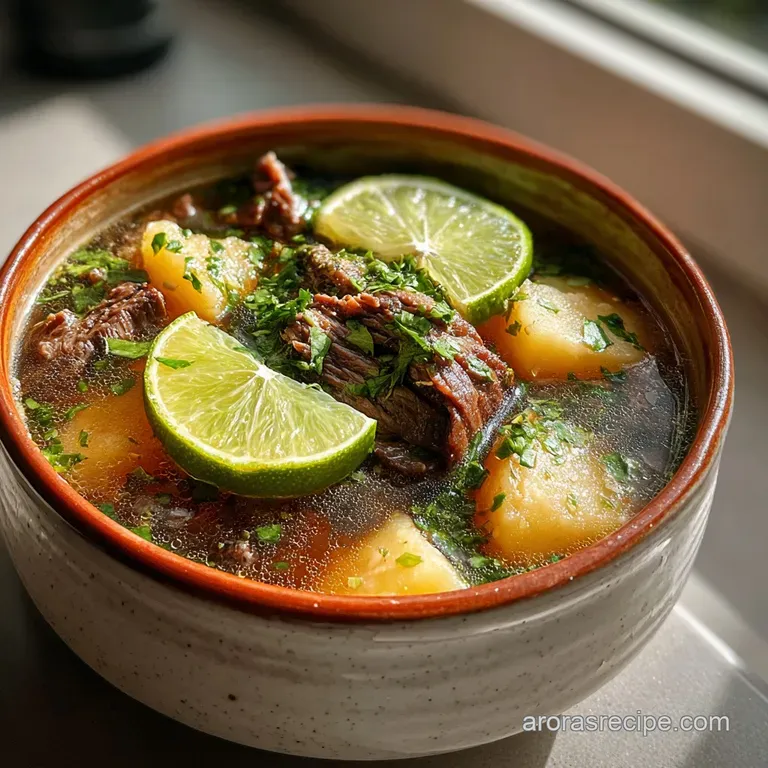
- Flavor/Texture Hook: Unctuous, marrow rich broth with fork tender beef and velvety chayote
- Perfect for: Lazy Sunday family gatherings or fighting off a winter chill
- Cozy Homemade Beef Soup for Rainy Days
- Why This Simmer Method Works
- Essential Components for Rich Broth
- Tools for a Clear Result
- Step-by-Step Guide to Flavor
- What You'll Need
- Pro Fixes for Common Mistakes
- Flavor Variations and Global Twists
- Storage and Zero Waste Tips
- How to Serve and Garnish
- Debunking Kitchen Myths
- Very High in Sodium
- Recipe FAQs
- 📝 Recipe Card
Cozy Homemade Beef Soup for Rainy Days
Whenever the sky turns that specific shade of bruised purple over Nashville and the rain starts drumming against the windowpane, my kitchen naturally gravitates toward a stockpot. There is a specific kind of magic that happens when you take a tough, stubborn piece of beef shank and let it whisper over a low flame for hours.
I remember the first time I tried to rush this caldo de res; I cranked the heat, thinking a rolling boil would get me to dinner faster. I ended up with a cloudy, greasy mess and beef that felt like chewing on a leather boot. It was a lesson in patience that I’ve never forgotten.
This recipe isn't just about feeding your stomach; it’s about that hum of comfort that vibrates through the house as the marrow melts into the water. We’re looking for a broth so clear you can see the bottom of the bowl, but so rich it leaves a slight tackiness on your lips from all that beautiful collagen.
It’s the ultimate "low and slow" win for a budget conscious cook. By using bone in shanks, we get the benefit of the meat and the built in flavor of the bones without having to buy expensive boxed stocks.
We are going to build layers here, starting with a clean base and adding vegetables in a very specific order. If you’ve ever had a soggy, gray carrot or a potato that vanished into mush, you know that timing is everything.
We’ll walk through how to keep those colors vibrant and those textures distinct, ensuring every spoonful is a different experience of snap, silk, and savory depth.
Why This Simmer Method Works
- Collagen Conversion: long term exposure to heat around 160°F to 180°F transforms tough connective tissue in the shanks into silky gelatin.
- Low Turbulence Extraction: Maintaining a sub boiling simmer prevents fat and proteins from emulsifying, resulting in a shimmering, crystal clear broth.
- Staggered Hydration: Adding vegetables based on their density ensures the cabbage stays crisp while the potatoes reach a buttery consistency.
- Marrow Emulsification: The slow release of fats from the center of the bones adds a rich mouthfeel without the need for heavy creams or thickeners.
The Physics of Collagen Extraction
Beef shanks are packed with gristle that only breaks down into gelatin when held at a consistent, low temperature for several hours. If you boil it, the fibers tighten and squeeze out moisture, leaving the meat dry even though it’s sitting in liquid.
| Cooking Method | Time | Texture Result | Best For |
|---|---|---|---|
| Stovetop Simmer | 3 hours | Crystal clear, distinct veggies | Maximum flavor control |
| Oven Braise | 3 hours | Slightly darker, very tender | Hands off consistency |
| Pressure Cooker | 45 mins | Cloudy broth, softer veggies | High speed weeknights |
Choosing the stovetop allows you to skim off the "scum" or gray foam that rises in the first twenty minutes. This is a critical step for a clean tasting soup. While an oven braise provides even heat, it’s harder to clear the broth of those initial impurities that can make the final result look muddy.
Essential Components for Rich Broth
| Ingredient | Science Role | Pro Secret |
|---|---|---|
| Beef Shanks | Primary protein and gelatin source | Look for rounds with the largest marrow centers for better body. |
| Marrow Bones | Fat and deep umami provider | Soak bones in salted water for 30 minutes before cooking to remove excess blood. |
| White Onion | Sulfuric aromatic base | Char the cut side of the onion in a dry pan first for a deeper golden hue. |
| Sea Salt | Protein denaturant | Season in stages; the salt helps draw out the juices from the meat during the long simmer. |
Tools for a Clear Result
To get this right, you really need a heavy bottomed stockpot, ideally 8 to 12 quarts. A thin pot will create hot spots on the bottom, which might scorch the marrow or cause the liquid to boil unevenly. I’m a huge fan of my Dutch oven for this, though a large stainless steel pot works wonders too.
You'll also want a fine mesh skimmer or a large spoon to handle the foam that rises early on.
Don't forget the kitchen twine! Tying your cilantro bunch together makes it so much easier to fish out later. Nothing ruins a velvety spoonful of soup like a stray, soggy herb stem getting stuck in your teeth.
Finally,, a sharp chef's knife is non negotiable for those thick carrots and the slightly intimidating chayote squash.
Chef Tip: If you want a deeper color without using artificial additives, keep the very outer, clean skin of the onion on when you drop it in. The tannins in the skin provide a gorgeous amber glow to the water.
step-by-step Guide to Flavor
- Purge the beef. Place 3 lbs beef shanks and 1 lb marrow bones in your pot. Cover with 4 quarts cold filtered water. Note: Starting with cold water allows proteins to dissolve slowly, keeping the broth clear.
- Initial skim. Bring to a gentle simmer over medium heat. As soon as gray foam rises, use a skimmer to remove it. Do this for about 15 minutes.
- Add aromatics. Drop in 1 large halved white onion, 1 head of sliced garlic, 2 bay leaves, and 1 tsp whole black peppercorns.
- Low simmer. Reduce heat to the lowest setting. Cover partially and cook for 2 hours until the beef begins to pull away from the bone.
- Prep the corn. While the beef simmers, cut 3 ears of corn into thirds. Add them to the pot after the initial 2 hours.
- Layer root veggies. Add 2 large thick cut carrots and 3 halved Yukon Gold potatoes. Simmer for 20 minutes. Note: These take longer to soften than the green vegetables.
- Introduce the greens. Add 2 sliced chayotes and 0.5 head of green cabbage wedges.
- Final infusion. Nestle the bunch of cilantro (tied with twine) into the liquid.
- Finish cooking. Simmer for another 20 to 30 minutes until the potatoes are fork tender and the cabbage is translucent.
- Rest and adjust. Remove the cilantro bunch, onion halves, and garlic head. Taste for salt and let it sit for 10 minutes before serving.
What You'll Need
The Foundation (Protein & Bones)
- 3 lbs beef shanks (Chamorro): Cut into 2 inch thick rounds. These provide the meat and the structure of the soup.
- Sub: Beef chuck roast plus extra bones, though the texture will be slightly less silky.
- 1 lb beef marrow bones (Tuétano): Essential for that unctuous mouthfeel.
- Sub: Oxtail. It’s pricier but adds incredible richness. Why this? Marrow bones provide the essential fats that flavor the entire 4 quart batch.
The Aromatic Base
- 1 large white onion: Provides a sharp, sweet backnote.
- Sub: Yellow onion. It’s slightly sweeter and works just as well.
- 1 head of garlic: Sliced crosswise to expose all the cloves.
- Sub: 4 tbsp garlic powder in a pinch, but the fresh head adds a mellow sweetness.
- 2 dried bay leaves: For an earthy, herbal scent.
- 1 tsp black peppercorns: Whole peppercorns provide a subtle heat without clouding the broth.
The Garden Harvest
- 3 ears of corn (Elote): Cut into thirds. It adds sweetness and a fun "handheld" element.
- Sub: Frozen corn on the cob if fresh isn't in season.
- 2 large carrots: Thick chunks hold their shape during the simmer.
- Sub: Parsnips for a more peppery, earthy vibe.
- 2 chayotes: Cored and sliced. This squash absorbs the beef flavor beautifully.
- Sub: Zucchini, but add it in the last 10 minutes so it doesn't vanish. Why this? Chayote stays firm longer than most squash, providing a unique crisp tender texture.
- 3 medium Yukon Gold potatoes: These stay creamy and don't fall apart like Russets.
- Sub: Red potatoes. They also hold their shape well under heat.
- 0.5 small head of green cabbage: Thick wedges add bulk and a lovely sweetness.
- Sub: Bok choy for a slightly different, more peppery crunch.
The Bright Finishers (Garnish)
- 1 bunch fresh cilantro: Tied with kitchen twine for easy removal.
- 4 limes: Quartered. The acid is mandatory to cut through the rich marrow fat.
- 2 serrano peppers: Finely minced for those who want a kick.
- 1 cup radishes: Thinly sliced for a cold, peppery crunch against the hot soup.
Pro Fixes for Common Mistakes
Why Your Broth Is Cloudy
If your Beef Soup looks more like a milky stew than a clear consommé, you likely let it boil too hard. Rapid bubbles act like a blender, whisking the fat and proteins into the water. To prevent this, never let the liquid go beyond a "lazy bubble" where only one or two bubbles break the surface every few seconds.
Why Your Beef Is Tough
Beef shanks are high in collagen. If the meat feels rubbery or "tight," it simply hasn't cooked long enough. Unlike a steak, you cannot overcook shanks in terms of tenderness they just keep getting better until they literally fall off the bone.
If you’re at the 3 hour mark and it’s still tough, give it another 30 minutes.
| Problem | Root Cause | Solution |
|---|---|---|
| Bland liquid | Under salted or too much water | Simmer with the lid off to concentrate flavors and add salt 1/2 tsp at a time. |
| Greasy surface | Marrow bones released high fat | Use a wide spoon to skim the oil off the top or chill and peel the fat layer off. |
| Mushy veggies | Added all at once | Follow the staggered entry: Roots first, then squash, then leafy greens. |
Common Mistakes Checklist
- ✓ Always start with cold water to ensure a clear broth.
- ✓ Don't skip the "skimming phase" in the first 20 minutes.
- ✓ Avoid stirring the pot vigorously; it breaks up the delicate vegetables.
- ✓ Keep the heat low a rolling boil is the enemy of a shimmering caldo.
- ✓ Salt the broth early, but do the final seasoning check only at the very end.
Flavor Variations and Global Twists
If you want to move away from the traditional Mexican profile, there are a few smart swaps you can make without breaking the bank. For a smoky depth that reminds me of a Texas campfire, try charring the corn and the onions on a grill before they hit the pot.
The charred bits will infuse the broth with a natural wood smoke aroma that pairs perfectly with the beef.
If you’re looking for something heartier, you might consider making a Beef Barley Soup Recipe variation. Simply add a half cup of pearled barley during the last hour of simmering. The barley will swell up and absorb the beef juices, turning the soup into something thick enough to stand a spoon in.
Low Carb/Keto Substitution
For those watching their carb intake, the potatoes and corn can be problematic. You can easily swap the potatoes for daikon radish or extra chayote. Daikon has a remarkably similar texture to boiled potatoes when cooked in broth, but with a fraction of the starch.
For a Smoky Depth
Adding a single dried Chipotle pepper (the kind in the tin with adobo sauce) during the last hour of cooking will transform the soup. It won't make it overly spicy, but it adds a haunting, leathery smoke that complements the marrow bones beautifully.
Decision Shortcuts
- If you want a thicker soup, smash one of the cooked potatoes against the side of the pot and stir it back in.
- If you want it spicier, sauté the minced serranos in a little oil before adding them to your individual bowl.
- If you want it richer, serve each bowl with a small piece of the marrow scooped directly from the center of the bones.
Storage and Zero Waste Tips
This soup is actually better on day two. As it sits in the fridge, the flavors of the cabbage, beef, and cilantro continue to meld. You can keep it in an airtight container in the fridge for up to 4 days. When reheating, do it slowly on the stovetop.
Avoid the microwave if possible, as it tends to explode the potatoes and make the beef rubbery.
For long term storage, this freezes exceptionally well for up to 3 months. I recommend freezing the broth and beef together, but try to eat the vegetables fresh. Frozen and thawed cabbage and chayote can become a bit watery and lose their structural integrity.
Zero Waste Tip: Don't throw away those vegetable scraps! The carrot peels, onion ends, and the bottom of the cabbage head can be tossed into a freezer bag. Once the bag is full, boil them with water and a few peppercorns to make a "scrap stock" for your next batch of rice or gravy.
Also, those leftover marrow bones can be boiled one more time (a "remouillage") to get every last bit of goodness out of them before composting.
How to Serve and Garnish
Serving this beef soup is a bit of a ceremony. In my house, we don't just ladle it into a bowl and call it a day. You want to ensure every person gets a piece of the shank, a chunk of corn, a wedge of cabbage, and at least one potato. It’s a mountain of food, so use wide, shallow bowls if you have them.
The "fixin's" are where the personality comes in. I always put out a spread of minced serranos, lime wedges, and sliced radishes. The cold crunch of a radish against the steaming broth is a sensory experience you don't want to miss.
The Bone Marrow Ritual: If you’ve never had bone marrow, this is the time to try it. Take a small spoon or a butter knife, scoop that soft, buttery center out of the bone, and spread it onto a warm corn tortilla with a sprinkle of sea salt.
It’s nature’s butter, and it’s the cook’s reward for three hours of patient simmering.
Debunking Kitchen Myths
A common misconception is that searing the meat "locks in the juices." In reality, searing is for the Maillard reaction it adds flavor and color. For this specific soup, skipping the sear and starting with raw beef in cold water actually produces a cleaner, more delicate broth.
Searing can sometimes lead to a "roast beef" flavor rather than a "clean broth" flavor, and the oil used for searing can make the soup overly greasy.
Another myth is that you must boil bones for 24 hours to get the benefits. While a long simmered bone broth has its place, three hours is more than enough to soften the connective tissue in shanks and release the marrow. Anything longer than that and your vegetables would be unrecognizable mush.
We are making a soup, not a lab experiment! Trust the three hour mark; it’s the sweet spot where the meat is tender but hasn't yet turned into flavorless shreds.

Very High in Sodium
1480 mg mg of sodium per serving (64% of daily value)
The American Heart Association recommends limiting sodium intake to no more than 2,300mg per day for most adults.
Tips to Reduce Sodium in Your Chamorro Beef Shank Soup:
-
Reduce Added Salt-25%
The 2 tablespoons of sea salt contribute a significant amount of sodium. Start by halving the amount to 1 tablespoon, and adjust to taste. You can always add more at the end, but you can't take it away. Consider replacing some of the salt with freshly ground black pepper.
-
Rinse the Beef Shanks-5%
While not a massive contributor, rinsing the beef shanks and marrow bones before cooking can help remove surface sodium, which could be present depending on how they were processed or stored. This is a small but easy step.
-
Embrace Flavorful Alternatives
Instead of relying solely on salt for flavor, enhance the soup with more fresh herbs like cilantro, and consider adding other spices like cumin or coriander to complement the existing flavors. Increase the quantity of garlic, onion, serrano peppers, and radishes for bolder flavors.
Recipe FAQs
Can I use beef chuck roast instead of shanks?
Yes, but it won't be as silky. Beef chuck roast can substitute for shanks if needed, but shanks, particularly with their marrow bones, contribute a richer, more gelatinous broth.
How do I prevent my beef soup broth from being cloudy?
Start with cold water and skim diligently. Bring the beef and bones to a simmer slowly in cold water, then carefully skim off any gray foam that rises during the first 15-20 minutes to ensure a crystal clear broth.
Why is my beef still tough after simmering?
It likely needs more time. Beef shanks are tough cuts that become tender through prolonged, slow cooking. If the meat feels tight, continue simmering for another 30-60 minutes until it's fork tender and easily pulls away from the bone.
When should I add the vegetables to the soup?
Stagger their addition based on cooking time. Add root vegetables like potatoes and carrots first, followed by softer vegetables like chayote and cabbage, to ensure everything is perfectly tender without turning to mush.
How long can I store leftover beef soup?
Up to 4 days in the refrigerator. Beef soup flavors often deepen overnight, making it great for make-ahead meals. For longer storage, freeze it for up to 3 months, but try to add fresh vegetables after thawing.
Is it true that searing beef before simmering makes the soup juicier?
No, this is a common misconception. Searing is primarily for flavor and color development through the Maillard reaction, not for "locking in juices" in a soup. For a clean, delicate broth, starting with raw beef in cold water is preferred.
What's the best way to serve this beef soup?
Serve it with all the fixings. Ladle generously into wide bowls, ensuring each serving gets meat and a variety of vegetables, and offer optional garnishes like lime wedges, minced serranos, and thinly sliced radishes for a fresh, bright finish. This pairs wonderfully with a side of Beef Steak Side: Crispy Baked Potatoes with Sherry Glazed Mushrooms.
Beef Soup
Ingredients:
Instructions:
Nutrition Facts:
| Calories | 492 kcal |
|---|---|
| Protein | 48.6 g |
| Fat | 18.4 g |
| Carbs | 31.2 g |
| Fiber | 6.4 g |
| Sugar | 5.8 g |
| Sodium | 1480 mg |
