Meatloaf the Great British Butchers Moist Loaf with Tangy Ketchup Glaze
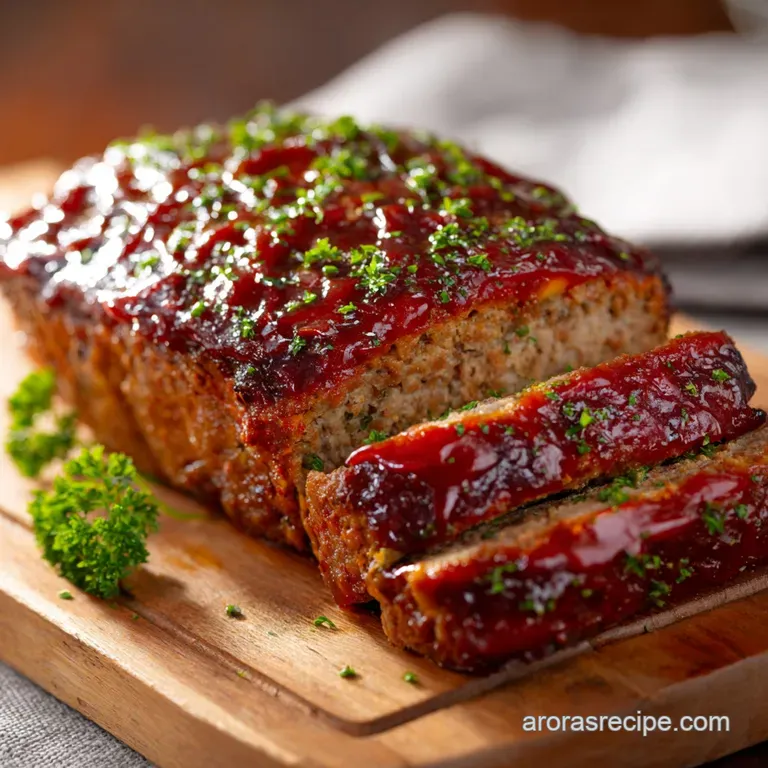
Elevating the Classic: Why This Isn't Your Grandmother's Dry Meatloaf
I think we can all agree: there is nothing sadder than biting into a meatloaf that tastes like sawdust and sadness. That dry, grainy texture is a betrayal of everything comfort food stands for. Honestly, if you’ve been burned by bad meatloaf before, I don't blame you for being sceptical. But stick with me.
This is the ultimate, rich, incredibly moist family dinner idea, inspired by the big, savoury flavours of a proper British Sunday roast.
The reason most homemade meatloaf dishes fail is simple: rushing the prep and using too little fat. We are fixing both of those things today. We are going to treat the aromatics like a classic soffritto (lightly sautéed veg) and we are making a proper binder, or panade .
These two steps turn what could be a dense brick into a velvety, flavour and packed masterpiece. It’s essential.
The Butcher's Blend: Maximising Savoury Depth and Flavour
When you’re trying to build deep, earthy flavour what they call umami —you need layers. Ground beef is great, but it needs friends. For this recipe, the key flavour boosters aren't just salt and pepper; it’s the Worcestershire sauce and the dried thyme.
The Worcestershire adds that fermented, deeply savoury background note that you can’t quite place, but you absolutely miss if it’s gone. And thyme? It’s simply the most comforting herb on earth, perfect for this hearty easy homemade meatloaf dish.
The Secret to a Perfectly Moist Interior and Velvety Texture
This is the non and negotiable step that differentiates a good meatloaf from a truly incredible one. The secret is the panade . That’s a fancy French word for mixing breadcrumbs (we use Panko for maximum absorption) and milk, letting them sit until they turn into a thick, gloopy paste.
Why do this? Because raw breadcrumbs absorb moisture while baking, but they’ll wick it out of the meat if they don't have enough liquid of their own. By soaking them in milk first, they swell up, holding on to that moisture and releasing it slowly back into the meat matrix as it cooks.
It keeps the texture light and tender. Trust me, skipping this step means gambling on a dry dinner.
Proper Comfort Food: What Makes This British Meatloaf Unique
This particular style leans into the classic British flavour profile, hence the thyme and Worcestershire. It’s designed to be the centrepiece of a relaxed family dinner, served with plenty of creamy mash and a puddle of rich gravy. It’s not fancy, it’s just good .
It’s big, bold, and satisfying. It’s the kind of dish that warms you up from the inside out and proves that sometimes, the simplest foods are the best.
Selecting Premium Components for the Ultimate Meatloaf Structure

Right then. Let’s crack on with the ingredients. We aren't just throwing things in a bowl here. Every component has a critical job.
Choosing the Best Mince: Fat Ratios for Moisture Retention
You need fat. You just do. I know everyone is trying to be healthy, but this is not the time to reach for that ultra and lean 95/5 mince or ground turkey, unless you truly enjoy a flavourless, sandy consistency.
I once made that mistake with ground turkey and had to drown the resulting dry loaf in gravy just to choke it down. A crucial easy meatloaf cooking tip is to demand an 80/20 lean ground beef blend. That 20% fat is essential.
It melts during baking, basting the meat from the inside out, and then some of it drains away (which is fine). You lose the fat, but you keep the flavour and the tender texture.
Beyond Breadcrumbs: Essential Binding Agents and Seasonings
While the Panko (or quick oats, if you need a gluten and free alternative) handles the liquid, the eggs are what hold the entire structure together when sliced. They coagulate during cooking, locking everything in place.
For seasoning, make sure your salt ratio is right meatloaf needs a good amount of salt to sing. I always use freshly ground pepper. It makes a huge difference compared to the dusty pre and ground stuff.
The Tangy Glaze Components: Achieving Proper Sharpness
A common mistake is making a sugary glaze that ends up burnt and sickly sweet. We want tangy . Our simple meatloaf sauce recipe involves ketchup, yes, but we cut that cloying sweetness with vinegar and sharp mustard.
The cider vinegar is non and negotiable because it gives that clean, sharp bite that balances the richness of the beef and the brown sugar. It caramelizes beautifully, giving the meatloaf a gorgeous, dark, slightly crispy crust.
Sautéing Your Base: Eliminating the Harsh Crunch of Raw Aromatics
This is where the cook separates themselves from the newbie. If you dump raw, finely minced onion and celery straight into the mixture, two bad things happen. First, the resulting texture of the baked loaf will have little crunchy bits of raw vegetable (gross).
Second, and more importantly, the raw vegetables release too much moisture during the baking process, messing up the panade and sometimes causing the whole loaf to split. Sautéing them for 8 to 10 minutes softens them and releases much of their water content before they go anywhere near the meat.
Crucial Technique Warning: Sauté your onion and celery until soft and translucent never brown them. And make sure the mixture is slightly cool before mixing it with the meat.
If you mix hot vegetables into the raw beef, you will partially cook the meat before it even hits the oven.
Related Recipes Worth Trying
- Stove Top Stuffing Meatloaf The Easiest Juiciest Recipe Ever — Our Stove Top Stuffing Meatloaf Recipe guarantees juicy perfection every time This easy Stove Top meatloaf uses the mix to ensure incredible flavor and...
Crafting the Loaf: Assembling the Butcher’s Meat Mixture
The Gentle Art of Combining Ingredients (Avoid Overworking)
You have the cooled vegetables, the soaked panade, and the meat. Now, combine them. The best tool you have here is your own clean hands. Start mixing everything gently, just until you see no more patches of dry breadcrumb or unseasoned meat. Stop immediately once combined. Seriously.
If you knead this like bread dough, or stir it with a spoon for five minutes, you develop the protein (myosin) and end up with a tight, dense, rubbery structure. We want light and yielding, not tough. It’s a very important easy meatloaf cooking tip that’s often ignored.
Forming the Perfect Free and Standing Loaf Shape
You can use a standard 9x5 inch loaf tin, which gives a nice, uniform shape, but if you want more crust and easier drainage, try the free and form method on a lined baking tray.
- Shape the meat into a slightly domed loaf about 4 inches wide and 8 inches long.
- Ensure the sides are smooth to prevent large cracks.
- Baking free and form allows fat to run away freely.
- The free and form loaf might require slightly less meatloaf cooking time.
Baking and Glazing: Building Layers of Tangy Flavour
Preheat the oven to 350°F (175°C). We bake this in two stages. First, 30 minutes unglazed. This allows the exterior of the meatloaf to set and dry slightly. If you put the glaze on too soon, it tends to slide off, or worse, burn before the inside is cooked.
After 30 minutes, pull it out, paint half the glaze on, and return it to the oven for the remaining time. You can paint the rest of the glaze on during the last 10 minutes if you like an extra thick coating.
How to Verify the Internal Temperature of Your Meatloaf
Guessing is for amateurs. Since this is an easy homemade meatloaf dinner idea designed for safety and perfection, we use a thermometer. The USDA standard for ground meat is 165°F (74°C). Stick your instant and read thermometer right into the centre of the thickest part of the loaf.
Don’t hit the bottom of the pan, or you will get a false high reading. Once it hits 165°F, pull it out. Every degree over that target risks drying out your perfect family dinner.
Post and Bake Techniques and Mastering This Recipe
Why Resting is Critical for Slicing the Meatloaf Cleanly
You’ve waited this long, don't rush the finish line. Just like a perfectly roasted chicken or a steak, the meatloaf needs to rest for a full 10 minutes after it leaves the oven.
As the meat cools slightly, the internal temperature continues to rise slightly (carryover cooking) and, more importantly, the internal juices redistribute throughout the fibres. If you slice it too soon, all those beautiful, savoury juices will run out onto your cutting board, leaving you with a drier product.
Ideal Side Dishes to Complete the Sunday Roast Experience
This dish practically screams for classic pairings. You need something creamy and soft to contrast the tangy, firm meatloaf.
- Mashed Potatoes: Must be made with butter and whole milk. Non and negotiable.
- Green Vegetables: Something bright and snappy, like properly boiled carrots and green beans, or steamed broccoli.
- Gravy: A deeply flavoured brown onion gravy is the final key. You can pour some over the mash and the loaf slices for extra moisture, especially if you think your meatloaf temperature got a little too high.
Troubleshooting: Saving a Dry Loaf and Prevention Tips
Prevention is easy: use 80/20 mince, use the panade, and stop cooking at 165°F. If you do end up with a dry loaf (it happens, maybe your oven is wild), you can absolutely save the meal.
Slice the meatloaf thin, and serve it drowning in that rich brown gravy we talked about, or simmer the slices gently in a simple tomato sauce. It reheats wonderfully this way too.
Proper Freezing and Reheating Instructions for Leftovers
Meatloaf is one of the best batch and cooking components. Once the loaf has cooled completely, you can wrap individual slices tightly in plastic wrap, then foil, and freeze them for up to three months. To reheat, don't use the microwave unless you like rubber.
Instead, thaw the slices overnight and reheat them low and slow in the oven (covered with foil) at 300°F (150°C) until warmed through, or simply simmer them in a deep sauce until hot. That keeps them moist and tender for the second go and round.

Recipe FAQs
Why is my homemade Meatloaf always dry and a bit rubbery? I keep messing up the texture!
Dryness usually stems from two main sins: either you’ve kneaded it like bread dough, which overworks the proteins, or you've cooked it past the safe zone. This recipe's breadcrumb binder helps a lot, but always remember the gentle touch mix only until just combined, and never let the internal temperature exceed 165°F (74°C).
How can I be absolutely sure this large meatloaf is safely cooked through in the middle?
Visual checks aren't reliable for something this dense; you absolutely must use a digital instant read thermometer pushed into the dead centre. The loaf is cooked and safe once it registers a steady 165°F (74°C) no ifs, ands, or buts!
When is the perfect time to apply the tangy ketchup glaze? Should it go on right at the start of cooking?
Hold your horses! If you put the glaze on immediately, the sugar will burn before the meat is cooked through, leaving you with a bitter crust. Apply half the glaze only after the meatloaf has baked for 30 minutes, allowing the loaf to set first and the glaze to caramelise beautifully for the remainder of the cook time.
This makes a generous amount for our Sunday dinner how long can I keep leftover meatloaf, and can I freeze it?
Meatloaf is a cracking leftover! Keep it tightly wrapped or in an airtight container in the fridge for 3 4 days, or you can freeze slices wrapped well in foil for up to three months for quick, comforting meals later on.
I need a slightly lighter version. Can I swap the beef for ground turkey or chicken?
You certainly can, but leaner meats carry less moisture, so it’s crucial to adjust. Substitute up to half the beef with turkey or chicken, and crucially, add an extra splash of milk or stock to the panade mixture to ensure the finished loaf doesn’t end up dry or crumbly.
British Butchers Moist Meatloaf Recipe

Ingredients:
Instructions:
Nutrition Facts:
| Calories | 375 calories |
|---|---|
| Fat | 20 g |
| Fiber | 2 g |
