Butternut Squash Lasagna: Silky Sweetness
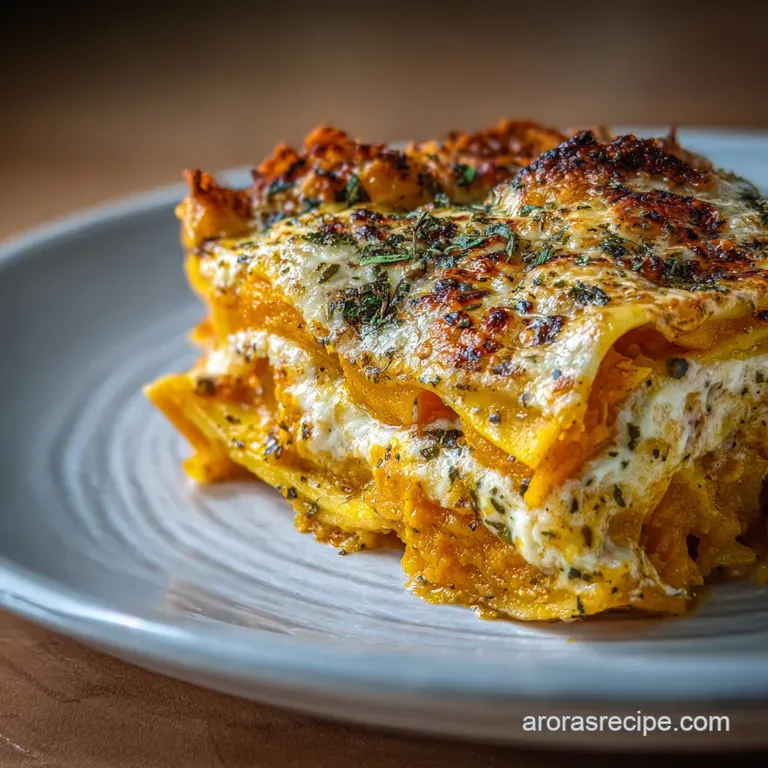
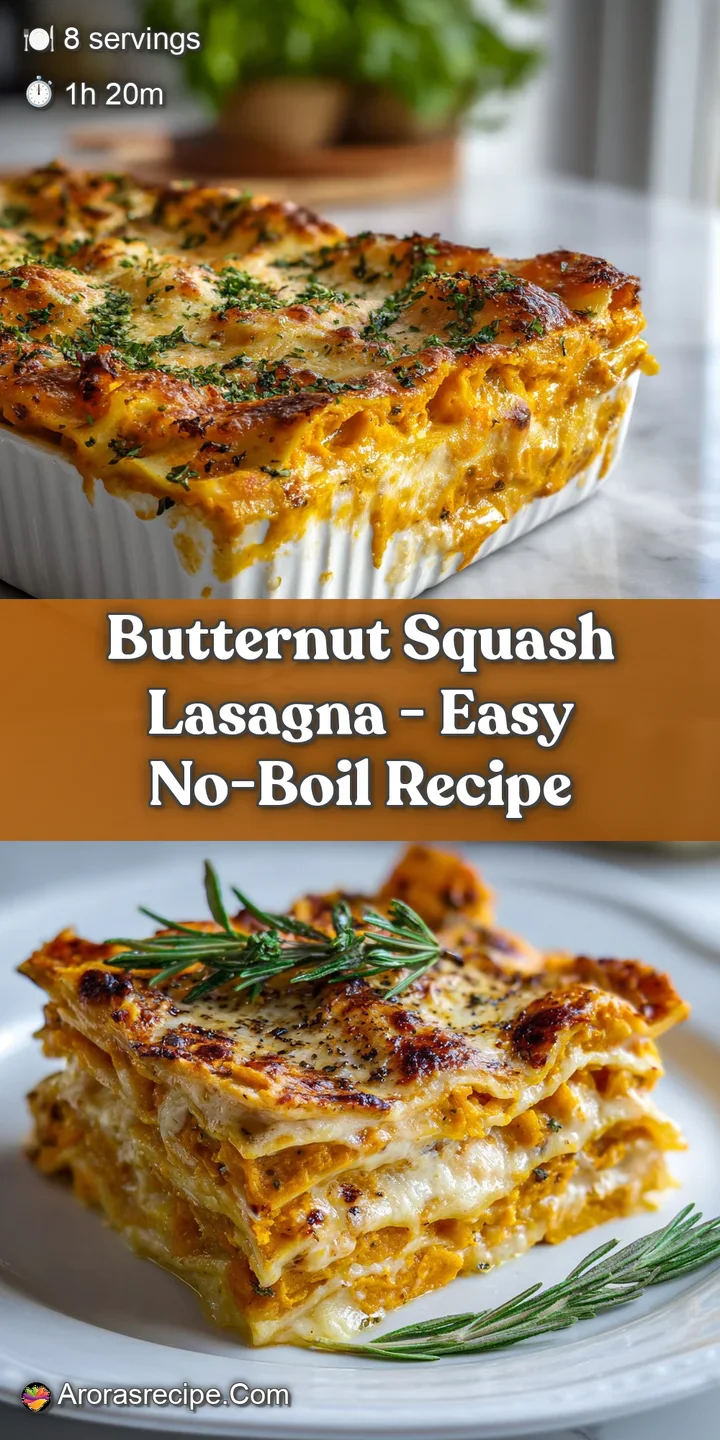
- Time: Active 30 minutes, Passive 50 minutes, Total 1 hours 20 mins
- Flavor/Texture Hook: Silky roasted squash meets a golden, shattering cheese crust.
- Perfect for: Cozy Sunday suppers or stress free holiday meal prep.
- Cozy Savory Butternut Squash Lasagna
- Balancing Flavor and Texture Secrets
- Essential Time and Serving Details
- Fresh Ingredients for Squash Lasagna
- Simple Tools for Busy Cooks
- Step by Step Layering Guide
- Fixing Common Texture Mistakes
- Savory Additions and Variations
- Easy Storage and Reheating Tips
- Perfect Pairings for Your Dinner
- Recipe FAQs
- 📝 Recipe Card
Cozy Savory Butternut Squash Lasagna
Imagine walking into your kitchen and being hit with the scent of fresh sage sizzling in brown butter and the earthy, caramelized aroma of roasting squash. That’s the magic of this Butternut Squash Lasagna.
It’s the kind of dish that makes you want to curl up on the sofa while the rain drums against the window. I’ll be honest, the first time I tried making a squash based pasta, it turned into a soggy mess because I didn't respect the moisture levels. We've fixed that here.
We’re skipping the heavy red sauce today. Instead, we’re leaning into a creamy, nutmeg scented white sauce (a Béchamel) that plays so beautifully with the sweetness of the squash. It’s rich, it’s decadent, and it feels a lot more expensive than it actually is.
If you've ever felt intimidated by making lasagna from scratch, trust me on this this version is surprisingly forgiving.
You’ll love how the no boil noodles soak up the extra moisture from the squash, creating a structural integrity that traditional boiled noodles sometimes lack. It’s a trick I learned after too many "lasagna soups" appeared on my dinner table.
This recipe is pure Southern inspired comfort, right out of my Nashville kitchen to yours.
Balancing Flavor and Texture Secrets
The secret to a world class Butternut Squash Lasagna lies in how you treat the squash itself. If you boil it, you're inviting watery disaster. Roasting is the only way to go because it concentrates the sugars and keeps the texture firm. It's a bit like the base we use for my Sweet Potato Casserole recipe, where depth of flavor is everything.
The Science of Why it WorksMaillard Reaction: Roasting the squash at high heat creates browned, caramelized edges that provide a savory "umami" counterpoint to the natural sugars.
Starch Gelatinization: The flour in the Béchamel sauce swells and traps the milk's liquid, creating a stable, velvety matrix that prevents the lasagna from collapsing when sliced.
| Prep Method | Cook Time | Resulting Texture | Best For |
|---|---|---|---|
| Roasting Cubes | 25 minutes | Chunky, caramelized bites | Texture lovers |
| Smooth Puree | 30 minutes | Velvety, uniform layers | Picky eaters |
| Mandolin Slices | 15 minutes | Layered "pasta like" feel | No pasta versions |
Choosing the right method depends on how much time you have. If you're in a rush, a smooth puree blends into the cheese layers faster, but roasting those 1 inch cubes gives you those wonderful little pockets of sweetness. Personally, I like the rustic feel of the roasted cubes; it reminds me of home.
Essential Time and Serving Details
Before we get our hands dirty, let's look at the logistics. This recipe serves 8 people generously, making it a stellar choice for a family gathering. If you find yourself with leftovers, they actually taste better the next day after the flavors have had a chance to marry. It's similar to the way flavors develop in a traditional San Giorgio Lasagna recipe.
| Component | Science Role | Pro Secret |
|---|---|---|
| Butternut Squash | Bulk & Flavor | Roast with smashed garlic to infuse the oil. |
| Whole Milk Ricotta | Moisture & Fat | Use full fat for a silky mouthfeel; low-fat gets grainy. |
| Fresh Sage | Aromatic Contrast | Fry it in the butter briefly before making the roux. |
When you're picking out your squash, look for one that feels heavy for its size. That 3 lbs weight is a sweet spot for ensuring you have enough filling for all those layers without the dish becoming overwhelming.
Fresh Ingredients for Squash Lasagna
You don’t need a massive grocery list for this. Most of these items are likely sitting in your pantry or fridge right now. I’ve made this with various swaps over the years, and while the original is my favorite, you can certainly pivot based on what you have on hand.
- 1 large butternut squash (3 lbs): Peeled and cubed. Why this? Provides the sweet, earthy heart of the entire dish.
- Substitute: Pumpkin or honeynut squash for a similar profile.
- 2 tbsp extra virgin olive oil: To coat the squash.
- Substitute: Avocado oil or melted butter.
- 1 tsp kosher salt & 1/2 tsp black pepper: Seasoning basics.
- 2 cloves garlic: Smashed for roasting.
- 4 tbsp unsalted butter: The base for our white sauce.
- Substitute: Salted butter (just reduce the added salt later).
- 1/4 cup all purpose flour: To thicken the sauce.
- Substitute: gluten-free all purpose blend (texture may be slightly grittier).
- 3 cups whole milk: Warmed. Why this? Warm milk prevents the sauce from clumping.
- Substitute: Unsweetened oat milk for a lighter version.
- 1/4 tsp ground nutmeg: Essential for white sauce.
- 1/2 cup grated Parmesan (for sauce): Adds salt and depth.
- 15 oz whole milk ricotta cheese: The creamy filler.
- 1 large egg: To bind the ricotta.
- 1/4 cup fresh sage: Finely chopped. Why this? Sage and squash are a classic, cozy pairing.
- Substitute: Fresh thyme or a pinch of dried sage.
- 2 cups shredded mozzarella: For that cheese pull.
- 1/2 cup grated Parmesan (for ricotta): Extra savory kick.
- 12 no boil lasagna noodles: The ultimate time saver.
- Substitute: Traditional noodles, boiled for 2 mins less than package directions.
Simple Tools for Busy Cooks
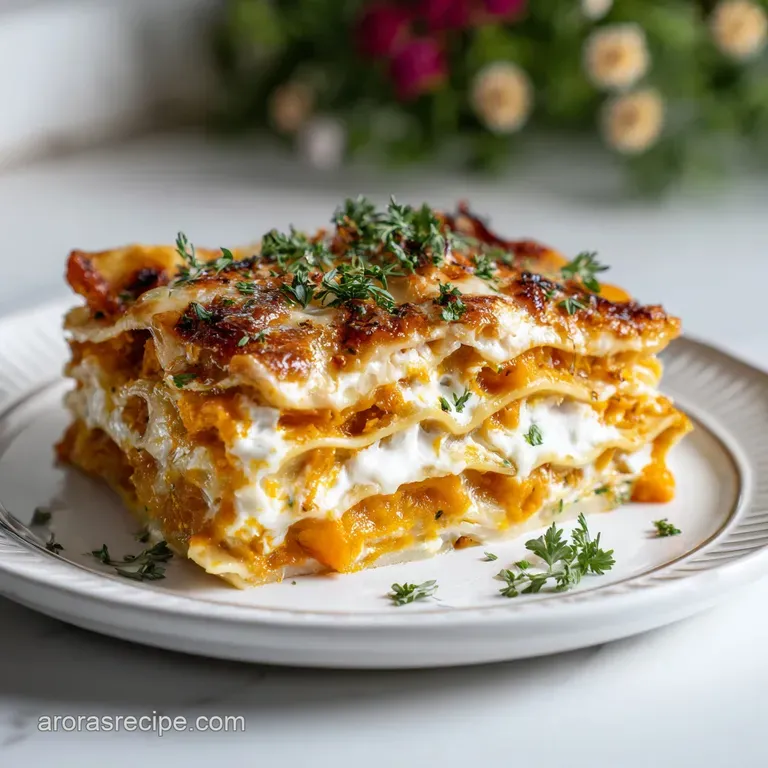
I’m a big fan of minimal cleanup. You don’t need a fancy stand mixer or a dozen pots to make this happen. A simple 9x13 inch baking dish is your best friend here. If you're feeling adventurous, you could even make this in a large cast iron skillet for a more rustic, Nashville style presentation.
For the sauce, a heavy bottomed saucepan is key. It distributes heat evenly so you don't scorch the milk. I once used a thin, cheap pot and ended up with burnt milk bits in my Béchamel it was heartbreaking. Also, grab a sturdy whisk to keep that sauce silky smooth.
Other than that, a sharp vegetable peeler and a chef's knife for the squash are all you really need.
Chef Tip: Freeze your block of mozzarella for 10 minutes before shredding. It makes the cheese firmer and prevents it from clumping into a ball on the grater.
step-by-step Layering Guide
Right then, let's crack on. This is where the magic happens. We'll start with the squash and work our way up to that golden crust.
Roasting the Squash Base
Preheat your oven to 400°F. Toss your 3 lbs of cubed butternut squash with the olive oil, salt, pepper, and smashed garlic on a large sheet pan. Roast for 25 minutes until the edges are caramelized and the centers are tender.
Once done, remove the garlic cloves and roughly mash about half of the squash with a fork, leaving the rest in cubes for texture.
Whisking a Creamy Béchamel
In a saucepan over medium heat, melt the 4 tbsp of butter. Whisk in the 1/4 cup of flour and cook for 2 minutes until it smells nutty and looks like wet sand. Slowly pour in the 3 cups of warmed milk, whisking constantly.
Simmer for 5 minutes until it coats the back of a spoon. Stir in the nutmeg and 1/2 cup of Parmesan, then set aside.
Prepping the Ricotta Layer
In a medium bowl, mix the 15 oz of ricotta, the lightly beaten egg, the chopped fresh sage, and the other 1/2 cup of Parmesan. Stir until well combined. This is the glue that holds our layers together and adds that herbal punch.
Assembling the Final Dish
Spread a thin layer of Béchamel on the bottom of a 9x13 pan. Top with 3 no boil noodles. Spread 1/3 of the ricotta mixture, then 1/3 of the roasted squash. Drizzle with Béchamel and sprinkle with 1/2 cup of mozzarella. Repeat these layers twice more.
For the final top layer, add the last 3 noodles, the remaining Béchamel, and the rest of the mozzarella.
Bake at 375°F for 40 minutes until the cheese is bubbling and the top is golden brown. Let it rest for 10 minutes before slicing to let the layers set.
Fixing Common Texture Mistakes
No one wants a lasagna that slides across the plate like a puddle. If things go sideways, it's usually a moisture issue. Butternut squash varies in water content, so being adaptable is part of the game.
Solving a Soupy Center
If your lasagna looks watery after 30 minutes of baking, the squash might have been particularly moist. Remove the foil (if using) and increase the heat to 400°F for the last 10 minutes. This helps evaporate excess liquid and firms up the sauce.
Cooking Underdone Noodles
No boil noodles are great, but they need liquid to soften. If the edges feel crunchy, it means they didn't get enough sauce. Next time, ensure the sauce reaches the very edge of the noodles.
For a quick fix, you can pour 2 tablespoons of warm milk around the edges of the pan and cover with foil for 5 extra minutes of baking.
| Problem | Root Cause | Solution |
|---|---|---|
| Dry Lasagna | Not enough Béchamel | Increase milk to 3.5 cups next time. |
| Bland Flavor | Under seasoned squash | Add more salt/pepper before roasting. |
| Tough Squash | Cubes were too large | Cut squash into smaller, uniform 1 inch pieces. |
Common Mistakes Checklist
- ✓ Don't skip roasting the squash; it’s the primary flavor builder.
- ✓ Warm the milk before adding to the roux to avoid lumps.
- ✓ Use fresh sage instead of dried if possible; the oils are more vibrant.
- ✓ Let the lasagna rest! Cutting too early causes the layers to slip.
- ✓ Pat the squash dry if it looks wet after peeling/cutting.
Savory Additions and Variations
One of the best things about this Butternut Squash Lasagna is how easy it is to tweak. I love the vegetarian version, but sometimes my family craves a bit more protein. If you're looking for a more adult focused flavor profile, you might even consider the flavor notes found in a Bourbon sweet potato casserole recipe.
Adding Hearty Italian Sausage
Brown 1 lb of mild or spicy Italian sausage and layer it in with the squash. The fennel in the sausage pairs beautifully with the sage. This turns the dish into a "Butternut Squash Lasagna with sausage" that satisfies the biggest appetites.
Making Lasagna Roll Ups
For a beautiful presentation, try "butternut squash lasagna roll ups". Boil traditional noodles until al dente, spread the ricotta and squash mixture on each, roll them up, and nestle them in a bed of Béchamel. It's a bit more work but looks stunning for a dinner party.
Creating a Quick Soup
If you have leftover roasted squash and Béchamel but ran out of noodles, thin it out with vegetable broth to create a "butternut squash lasagna soup". Top it with croutons and a dollop of ricotta for a quick, 30 minute lunch.
| Upgrade Type | Ingredient Addition | Impact on Recipe |
|---|---|---|
| Meat Version | Cooked Pancetta | Adds salty, smoky crunch |
| Extra Veggie | Sauteed Spinach | Adds color and iron |
| Spicy Kick | Red Pepper Flakes | Cuts through the richness |
Easy Storage and Reheating Tips
Storage is a breeze. Keep leftovers in the fridge for up to 4 days in an airtight container. The noodles will continue to absorb flavor, so day two is often the highlight. For reheating, a low and slow approach in the oven (325°F covered with foil) keeps it from drying out.
If you want to freeze it, I suggest doing so before baking. Wrap the assembled pan tightly in plastic wrap and then foil. It will stay fresh for up to 3 months. When you're ready to eat, thaw it in the fridge overnight and then bake as directed, adding about 10-15 minutes to the total time.
Don't toss those squash seeds! You can roast them just like pumpkin seeds with a little salt and paprika for a zero waste snack while your lasagna bakes. Also, if you have leftover sage, fry the leaves in a little butter until crisp and use them as a garnish.
Perfect Pairings for Your Dinner
Since this lasagna is quite rich and creamy, you’ll want something bright and acidic on the side to balance the palate. A simple arugula salad with a lemon vinaigrette is my go to. The peppery bite of the greens cuts right through the Béchamel.
If you're serving this for a holiday, it pairs wonderfully with roasted Brussels sprouts or honey glazed carrots. The sweetness of the carrots echoes the squash without competing with it. And for bread? A crusty baguette is essential for swiping up every last bit of that nutty white sauce.
Searing meat doesn't "seal in juices," and similarly, you don't have to boil your noodles for a great lasagna. No boil noodles are actually engineered with more starch to help thicken the sauce as they cook. Another myth is that you can't use frozen squash.
You can, but you must thaw and roast it first to remove that extra moisture, or you'll end up with a soggy dish. Stick to the roasting method, and you'll be golden.
Recipe FAQs
Can I make butternut squash lasagna ahead of time?
Yes, absolutely. You can assemble the entire dish up to 24 hours in advance and refrigerate it. Just add a little extra baking time when you're ready to cook.
What is the best way to prepare the butternut squash?
Roast it for maximum flavor and texture. Boiling squash can lead to a watery lasagna. Roasting concentrates its natural sugars and keeps the texture firm, similar to the base we use for our Sweet Potato Casserole recipe.
Why are my no-boil noodles not cooking through?
Ensure sufficient moisture. No-boil noodles need liquid to soften and cook. Make sure your Béchamel sauce reaches the edges of the noodles and consider adding a little extra milk around the pan if they seem dry.
How can I fix a lasagna that's too soupy?
Increase the heat and bake uncovered. If your lasagna is watery after the initial baking time, remove any foil covering and increase the oven temperature to 400°F for the last 10 minutes to help evaporate excess liquid.
Can I add meat to this butternut squash lasagna?
Yes, meat is a great addition. Browning 1 lb of Italian sausage and layering it in with the squash adds a savory depth that complements the sweet squash and creamy sauce beautifully.
How should I reheat leftover butternut squash lasagna?
Reheat low and slow in the oven. Cover the lasagna with foil and bake at 325°F until heated through. This method prevents the lasagna from drying out and keeps the noodles tender.
What can I serve with butternut squash lasagna?
A bright, acidic salad is ideal. The richness of the lasagna pairs well with something light and refreshing like an arugula salad with a lemon vinaigrette to cut through the creamy Béchamel. This also works well with sides like those found in our Ground Turkey Sweet Potato Casserole: Healthy Comfort Food for Dinner.
Butternut Squash Lasagna
Ingredients:
Instructions:
Nutrition Facts:
| Calories | 579 kcal |
|---|---|
| Protein | 27.0 g |
| Fat | 29.4 g |
| Carbs | 50.4 g |
| Fiber | 4.6 g |
| Sugar | 8.3 g |
| Sodium | 725 mg |
