Chicken Noodle Soup Recipe: Silky Broth
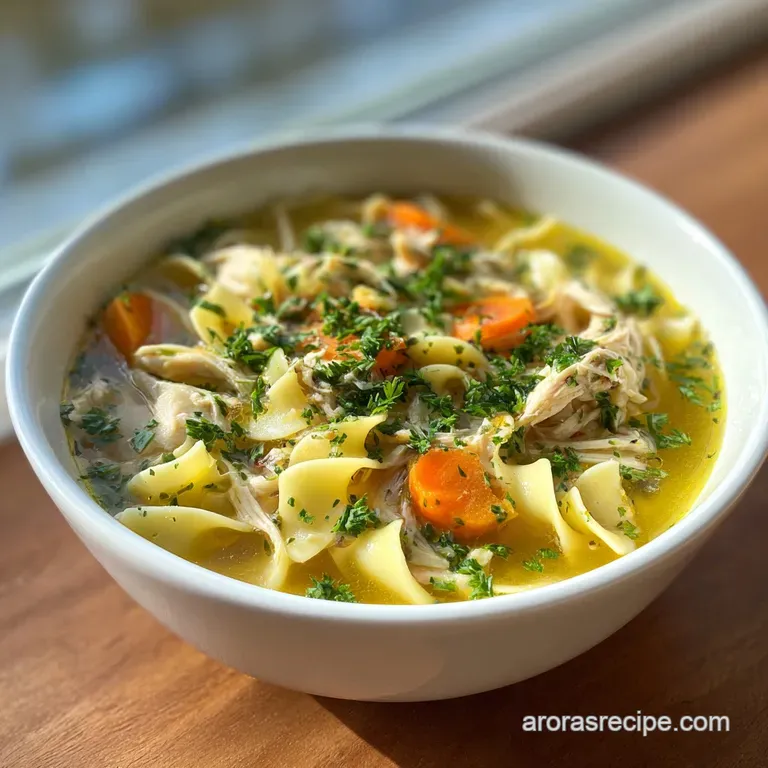
- Time: Active 15 minutes, Passive 30 minutes, Total 45 minutes
- Flavor/Texture Hook: Silky broth with tender, golden vegetables
- Perfect for: Rainy Nashville afternoons or a quick weeknight comfort fix
- Crafting a Nostalgic Chicken Noodle Soup Recipe
- The Chemistry of a Healing Bowl
- Component Analysis
- The Foundation: Selecting Your Ingredients
- Minimal Gear for Maximum Flavor
- Step by Step to a Simmering Pot
- Solving Common Noodle Soup Hurdles
- Adapting the Pot for Everyone
- Kitchen Myths Debunked
- Creative Spins on the Classic Base
- Storage and Zero Waste Guidelines
- Perfect Pairings for a Full Meal
- High in Sodium
- Recipe FAQs
- 📝 Recipe Card
Crafting a Nostalgic Chicken Noodle Soup Recipe
There is a specific sizzle that happens when a handful of diced onions hits hot olive oil, and in my Nashville kitchen, that sound usually means someone is about to feel a whole lot better.
I remember the first time I tried to make this myself, thinking it was just boiling water and bits of meat, but the result was thin and gray. It was a total letdown. I’ve spent years refining this, moving away from those bland, watery versions toward something that has a velvety mouthfeel and a golden hue.
This isn't about spending hours hovering over a stockpot. We are going for a method that works for busy folks who still crave that homemade taste. You’ll find that by focusing on how we treat the aromatics and choosing the right liquid base, you can get a "simmered all day" flavor in under an hour.
It’s about being smart with your time and trusting the few ingredients we have.
We are going to walk through how to keep your noodles from turning into mush and how to ensure your chicken stays tender rather than rubbery. If you've ever felt like your soup was missing that "something," this approach is designed to fix that.
It’s simple, it’s reliable, and it’s honestly the only way I make it for my family anymore. Let’s crack on.
The Chemistry of a Healing Bowl
Maillard Reaction: Sautéing the onions, carrots, and celery creates new flavor compounds through the browning of sugars and amino acids. This provides the foundational "browned" taste that prevents the soup from feeling like flavored water.
Starch Gelatinization: As the egg noodles cook, they release small amounts of starch into the liquid. This slightly thickens the broth, giving it a silkier, more cohesive texture.
Osmotic Balance: Adding salt early in the sauté phase draws moisture out of the vegetables. This concentrates their natural sugars and ensures they are seasoned all the way through, not just on the surface.
Acid Brightening: The final splash of lemon juice uses citric acid to "cut" through the heaviness of the chicken fat. This acts as a flavor multiplier, making the herbs and savory notes pop without requiring extra salt.
| Cook Method | Time | Texture | Best For |
|---|---|---|---|
| Stovetop | 45 minutes | Crispy tender veg | Quick weeknight dinners |
| Slow Cooker | 6 hours | Soft, melting veg | Hands off prep |
| Instant Pot | 25 minutes | Infused, deep flavor | Maximum speed |
I've found that while the slow cooker is great for convenience, the stovetop gives you the most control over the noodle texture. If you're looking for another fast dinner that hits those same comfort notes, you might enjoy my Chicken and Sausage Pasta recipe, which uses a similar one pan logic.
Component Analysis
| Ingredient | Science Role | Pro Secret |
|---|---|---|
| Chicken Bone Broth | Provides gelatin and body | Use bone broth over standard stock for a richer, velvety mouthfeel. |
| Mirepoix (Onion/Carrot/Celery) | Aromatic foundation | Dice them uniformly to ensure they soften at exactly the same rate. |
| Lemon Juice | Ph balance | Add it at the very end to keep the citrus notes from turning bitter. |
| Wide Egg Noodles | Texture and starch | These hold up better to reheating than thin pastas or rice. |
One mistake I once made was using a low quality broth and trying to fix it with bouillon cubes. Honestly, don't even bother with that. The bone broth is your liquid gold here. It contains more protein and minerals than standard stock, which is what gives the soup its legendary "healing" reputation.
The Foundation: Selecting Your Ingredients
- 1 tbsp extra virgin olive oil: Used for the initial sauté. Why this? It has a better flavor profile for aromatics than neutral vegetable oils.
- 1 large yellow onion, finely diced: The base of your flavor. Why this? Yellow onions have the perfect balance of sulfur and sugar.
- 3 large carrots, sliced into 1/4 inch rounds: Provides sweetness and color.
- 2 stalks celery, sliced: Adds a salty, herbal undertone.
- 4 cloves garlic, minced: Adds depth and pungency.
- 1 tsp kosher salt: Essential for drawing out vegetable moisture.
- 1/2 tsp cracked black pepper: Provides a subtle, warming heat.
- 8 cups chicken bone broth: The body of the soup. Why this? High gelatin content creates a superior, non watery texture.
- 2 bay leaves: Adds a subtle woodsy aroma.
- 1 tsp fresh thyme leaves: Essential for that classic "poultry" scent.
- 1 tbsp fresh parsley, chopped: Used for a bright, grassy finish.
- 1 tsp lemon juice: The secret to balancing the fats.
- 1 lb cooked chicken breast, shredded: The main protein.
- 6 oz wide egg noodles: The heart of the dish.
| Original Ingredient | Substitute | Why It Works |
|---|---|---|
| Chicken Bone Broth | Vegetable Stock | Provides a similar liquid base. Note: Will lack the gelatinous mouthfeel of chicken. |
| Fresh Thyme | Dried Thyme (1/3 tsp) | Concentrated oils provide the same flavor. Note: Add earlier in the simmer. |
| Wide Egg Noodles | Rotini or Fusilli | Sturdy shapes hold broth well. Note: Cooking times will vary by 2-3 minutes. |
If you are a fan of traditional Asian broths, you might notice similarities between our aromatics and the building blocks of a Hu Tieu My recipe, though this Southern version focuses more on fats and herbs than charred spices.
Minimal Gear for Maximum Flavor
You don't need a kitchen full of gadgets for this. A heavy bottomed pot, like a 6 quart Dutch oven (Lodge is a great affordable choice), is your best friend because it distributes heat evenly. This prevents the onions from scorching while you’re dicing the carrots.
You'll also need a sharp chef's knife and a sturdy wooden spoon. The wooden spoon is better than metal because it allows you to scrape the "fond" (those little brown bits) off the bottom of the pot without scratching the surface. Finally, a standard liquid measuring cup will ensure your broth ratio is spot on.
step-by-step to a Simmering Pot
- Heat the oil. Place your large pot over medium heat and add the olive oil.
- Sauté the aromatics. Add the diced onion, carrots, and celery to the pot. Note: This is your "mirepoix" and is the most important step for flavor.
- Sweat the vegetables. Cook for about 6 to 8 minutes until the onions are translucent and the carrots look vibrant.
- Add the garlic and seasoning. Stir in the minced garlic, salt, and black pepper. Cook for 1 minute until the garlic is fragrant but not browned.
- Deglaze with broth. Pour in the 8 cups of chicken bone broth, scraping the bottom of the pot with your spoon.
- Infuse with herbs. Add the bay leaves and fresh thyme. Bring the mixture to a gentle boil.
- Simmer the base. Reduce the heat to low and let it simmer for 15 minutes until the carrots are tender when pierced with a fork.
- Cook the noodles. Stir in the 6 oz of wide egg noodles. Increase heat slightly and cook for 6 to 8 minutes until the noodles are tender but still have a slight "bite" (al dente).
- Incorporate the chicken. Fold in the shredded chicken breast and cook for 2 minutes until the meat is heated through.
- Final season. Remove from heat. Stir in the fresh parsley and lemon juice. The aroma should shift from heavy to bright and fresh.
Chef's Tip: If you plan on having leftovers, cook the noodles separately in a small pot of water and add them to individual bowls. This prevents the noodles from soaking up all the broth while the soup sits in the fridge.
Solving Common Noodle Soup Hurdles
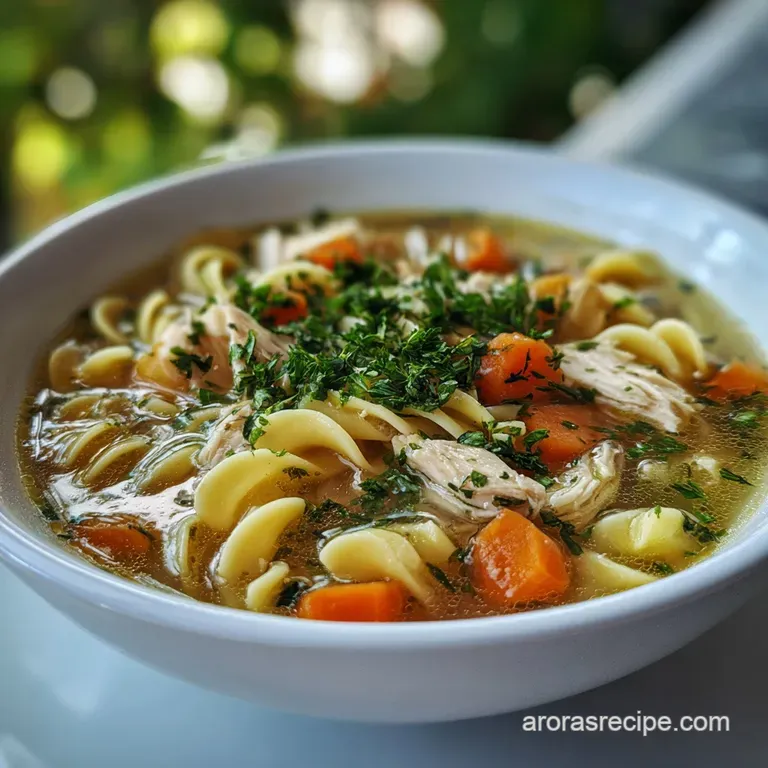
Why Your Soup Is Cloudy
Cloudiness usually happens when the soup is boiled too vigorously. This causes the starch from the noodles and the fats from the chicken to emulsify into the water. To keep it clear, always maintain a gentle simmer (small bubbles, not a rolling boil) once the broth is added.
Why Your Noodles Are Mushy
Noodles continue to cook even after you turn off the heat. If you leave them sitting in the hot broth, they will eventually double in size and lose their texture. This is especially true with egg noodles, which are softer than durum wheat pasta.
| Problem | Root Cause | Solution |
|---|---|---|
| Bland broth | Lack of salt or acid | Add a pinch of salt and a second squeeze of lemon. |
| Tough chicken | Overcooking the meat | Add pre cooked chicken at the very end just to warm it. |
| Oily surface | Too much fat from skin | Skim the surface with a cold metal spoon before serving. |
Common Mistakes Checklist
- ✓ Don't skip the sauté step; raw vegetables boiled in broth will taste "thin."
- ✓ Use a timer for the noodles; 60 seconds can be the difference between perfect and mush.
- ✓ Taste your broth before adding the noodles; it's easier to season the liquid early.
- ✓ Keep the lid off during the final simmer to allow the flavors to concentrate slightly.
- ✓ Remove the bay leaves before serving to avoid a bitter, woody surprise.
Adapting the Pot for Everyone
When scaling this recipe down for two people, use a smaller 3 quart saucepan. You can reduce the cooking time by about 5 minutes since the smaller volume of liquid will reach a simmer faster.
For the egg, since you only need 6 oz of noodles, you don't need to worry about half eggs, but do keep the herb ratio high to maintain that aromatic punch.
If you’re doubling the recipe for a crowd, stick to a 10 or 12 quart stockpot. Use 1.5x the salt and spices instead of doubling them immediately, then taste at the end. Large batches of liquid take much longer to boil, so factor in an extra 15 minutes of passive time.
When doubling, work in batches if your pot isn't large enough to let the vegetables sauté properly without steaming.
| If you want... | Do this... |
|---|---|
| A creamier finish | Stir in 1/4 cup of heavy cream at the very end. |
| A spicy kick | Add 1/2 tsp of red pepper flakes with the garlic. |
| Extra vegetable bulk | Add 1 cup of frozen peas or spinach in the last 2 mins. |
For those who enjoy a more complex, ocean inspired depth in their soups, you might want to look at a Dashi Soup Stock recipe for your next project. It uses a totally different science (seaweed and fish) but shares that same goal of a clear, potent broth.
Kitchen Myths Debunked
One big myth is that you need to boil the chicken from raw in the soup to get the best flavor. In reality, poaching chicken for too long in the soup often leads to dry, stringy meat. Using pre cooked or rotisserie chicken allows you to control the texture perfectly while the bone broth handles the flavor.
Another misconception is that "more herbs equal more flavor." If you overdo the thyme or bay leaves, the soup starts to taste medicinal. The goal is a balanced profile where you can taste the sweetness of the carrot and the richness of the chicken alongside the herbs, not a bowl of liquid forest.
Creative Spins on the Classic Base
Utilizing the Rotisserie Chicken Shortcut
If you’re in a real rush, a rotisserie chicken is a legitimate lifesaver. It’s already seasoned and tender. Just shred the meat and add it at the very end. You can even simmer the carcass in some water for 20 minutes beforehand to make a quick "emergency" stock if you’re out of the boxed bone broth.
Whipping Up a Creamy Chicken Noodle Soup
For a Nashville style "comfort" twist, you can make a quick roux. Melt 2 tbsp of butter before sautéing your vegetables, stir in 2 tbsp of flour, and cook for 2 minutes. Then slowly whisk in your broth.
This creates a velvety, thicker base that coats the noodles beautifully without being as heavy as a chowder.
Storage and Zero Waste Guidelines
Storage: Store in an airtight container in the fridge for up to 4 days. If the noodles have soaked up the broth, add a splash of water or extra broth when reheating. For freezing, this soup lasts about 3 months, but I highly recommend freezing the broth and chicken without the noodles.
Thaw the base, bring to a boil, and drop fresh noodles in for the best texture.
Zero Waste: Don't throw away those celery leaves or onion skins. Celery leaves can be chopped right along with the parsley for extra flavor. Onion skins and carrot peels can be kept in a "scrap bag" in your freezer.
Once the bag is full, boil the contents with water for an hour to make your own vegetable base for future recipes.
Perfect Pairings for a Full Meal
Since this soup is relatively light, I love serving it with something that has a bit of crunch or a sharp contrast. A crusty sourdough baguette with salted butter is the classic choice, perfect for mopping up the last bits of broth.
If you want a more substantial side, a simple kale salad with a lemon vinaigrette mirrors the citrus in the soup. For a true Southern comfort meal, try pairing this with a small side of my Cozy Broccoli Cheddar recipe if you're hosting a "soup and salad" lunch. The contrast between the clear chicken broth and the creamy cheese soup is always a hit at my table. Trust me, it’s the kind of meal that makes the whole house feel cozy.
High in Sodium
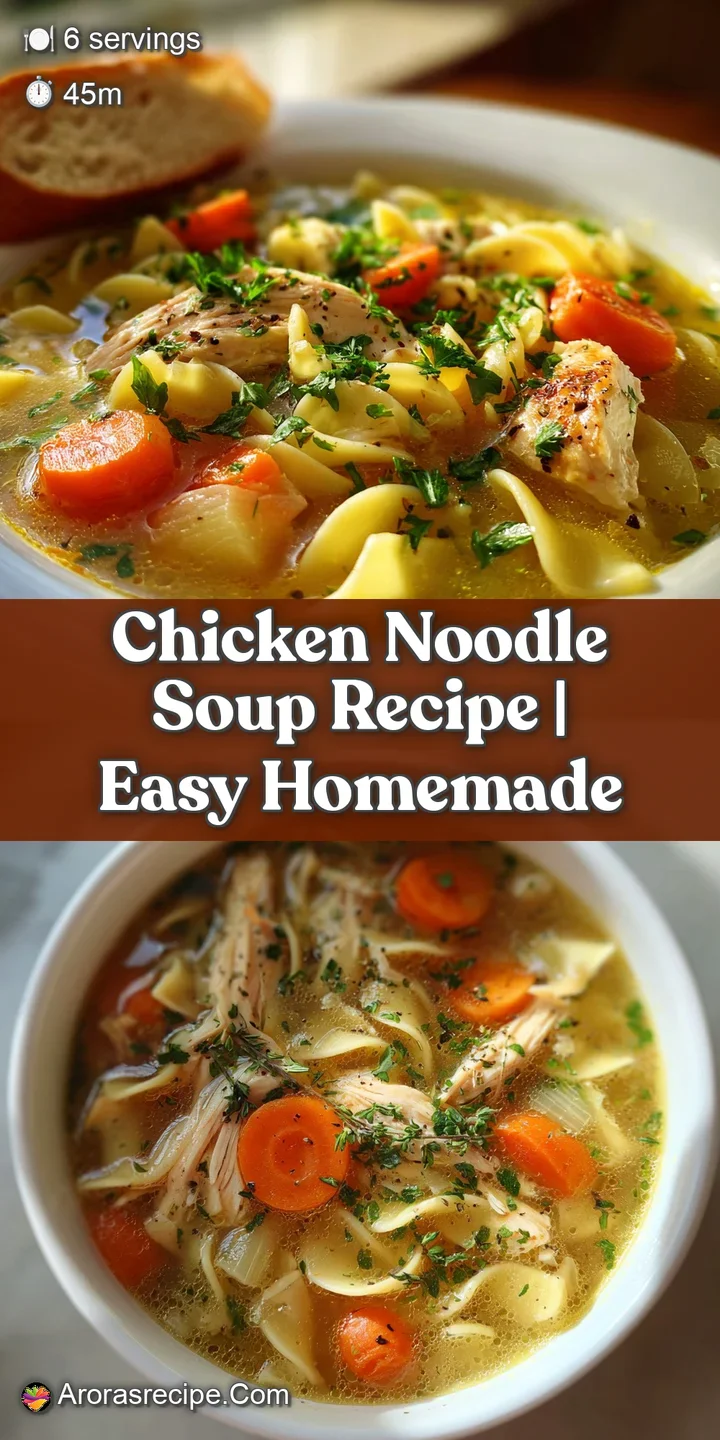
1045 mg mg of sodium per serving (45% of daily value)
The American Heart Association recommends limiting sodium intake to about 2,300mg per day for most adults.
Tips to Reduce Sodium in Your Chicken Noodle Soup
-
Low-Sodium Broth-30%
Replace the regular chicken bone broth with a low-sodium or no-salt added version. This single swap can significantly reduce the overall sodium content.
-
Reduce Added Salt-25%
Decrease the amount of kosher salt added. Start by halving it (using only 1/2 tsp) and taste the soup before adding more. Remember, you can always add more, but you can't take it away! If possible, eliminate entirely.
-
Unseasoned Chicken-15%
Ensure the cooked chicken breast is unseasoned or lightly seasoned with herbs and spices instead of salt. Pre-seasoned chicken can contain a significant amount of hidden sodium.
-
Enhance with Lemon-10%
Increase the amount of fresh lemon juice. The acidity brightens the flavors and can reduce the need for salt.
-
Fresh Herbs & Spices
Instead of relying on salt for flavor, experiment with other fresh herbs and spices. Consider adding dried oregano, marjoram, or a pinch of red pepper flakes for added depth.
Recipe FAQs
What ingredients are good in chicken noodle soup?
Fresh aromatics and quality broth are key. Diced yellow onion, carrots, celery, and garlic form the flavor base. For the liquid, chicken bone broth provides superior body and gelatin compared to standard stock.
Fresh thyme and bay leaves add classic aromatics, with lemon juice and parsley for a bright finish. Pre-cooked chicken and wide egg noodles are essential for texture and ease.
What are common mistakes when making chicken soup?
Boiling too vigorously and overcooking noodles are common pitfalls. Boiling can make the broth cloudy, while overcooked noodles become mushy. Using low-quality broth or boiling chicken directly in the soup for too long can also lead to a bland or tough result.
Always maintain a gentle simmer and add pre-cooked chicken towards the end.
What makes a really good chicken soup?
A deep, savory broth and perfectly cooked noodles are crucial. This comes from sautéing aromatics to develop flavor, using chicken bone broth for body, and finishing with fresh herbs and a touch of lemon juice for brightness. The secret is building layers of flavor from the start and controlling the cooking of the noodles to prevent them from becoming mushy. Mastering these foundational techniques is similar to how we achieve depth in a Hu Tieu My recipe.
What is the secret ingredient in chicken noodle soup?
There isn't one single "secret ingredient" but rather a combination of techniques. The true secret lies in developing a rich broth through proper sautéing of aromatics and using chicken bone broth for its gelatinous quality. A final splash of lemon juice acts as a flavor enhancer, brightening all the other components without adding sweetness or salt. This focus on balance and technique is akin to how we achieve clarity and depth in a Dashi Soup Stock recipe.
How do I prevent my chicken noodle soup from being bland?
Start by properly sautéing your aromatics. Onions, carrots, and celery should be cooked until softened and slightly golden to build a robust flavor base, not just boiled. Ensure you're using a good quality chicken bone broth, which is richer than standard stock.
Finally, don't forget a pinch of salt and a squeeze of fresh lemon juice at the end to brighten all the flavors.
Can I use rotisserie chicken for chicken noodle soup?
Yes, rotisserie chicken is an excellent shortcut. It's already cooked and seasoned, saving you time and effort. Simply shred the meat and add it to the soup during the last few minutes of cooking to heat through. This is a fantastic way to achieve great flavor with minimal active cooking time.
How do I get a silky broth instead of a watery one?
Use chicken bone broth and don't boil vigorously. Bone broth contains collagen and gelatin, which naturally thicken and enrich the soup, giving it a velvety mouthfeel. Avoid boiling the soup at a rolling boil after adding the broth, as this can emulsify fats and starches, leading to cloudiness.
A gentle simmer is key.
Chicken Noodle Soup
Ingredients:
Instructions:
Nutrition Facts:
| Calories | 302 kcal |
|---|---|
| Protein | 30.2 g |
| Fat | 7.1 g |
| Carbs | 28.4 g |
| Fiber | 2.6 g |
| Sugar | 3.8 g |
| Sodium | 1045 mg |
