Snickerdoodle Cookies: Soft, Chewy Tangy Results
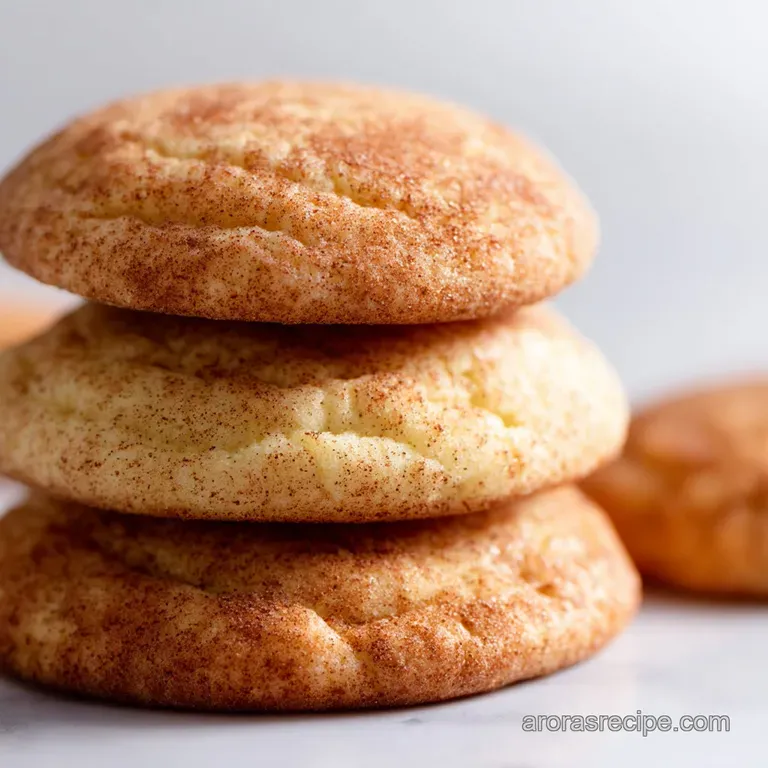
- Unlocking the Secret of the Perfect Snickerdoodle Cookie
- The Science Behind the Chewy Texture and Tangy Finish
- Essential Ingredients for Classic Snickerdoodles and Variation Notes
- step-by-step Guide to Baking Soft and Crinkly Cookies
- Expert Baking Tips and Troubleshooting Snickerdoodle Failures
- Maximizing Freshness: Storing Baked Snickerdoodles and Dough
- Creative Ways to Serve These Tangy Cinnamon Cookies
- The Chef's Recipe Outline: Classic Crinkly Snickerdoodle Cookies
- Recipe FAQs
- 📝 Recipe Card
Unlocking the Secret of the Perfect Snickerdoodle Cookie
The second you open the oven door, that aroma hits you cinnamon, vanilla, and something uniquely tangy. It is absolute magic. A truly great batch of Snickerdoodle Cookies should have that iconic crinkled top, soft pillowy centers, and a texture that manages to be simultaneously chewy and slightly cakey.
Trust me, biting into one of these fresh from the oven is peak comfort baking.
We all love the complexity of layered desserts, but sometimes you just need a winner, fast. This recipe for classic Snickerdoodle Cookies is your emergency dessert plan, requiring pantry staples and minimal fuss, making it the perfect thing to whip up when friends suddenly appear.
You don't need fancy equipment, just a mixer and a willingness to roll dough in sugar.
I’ve made every mistake possible with this cookie flat as a pancake, crunchy as crackers but I finally cracked the code. This guide isn't just a recipe; it's a deep dive into the specific techniques that guarantee your Snickerdoodle Cookies achieve that perfect balance of soft texture and signature zing.
Let’s get baking!
The Science Behind the Chewy Texture and Tangy Finish
Look, I’m no food scientist, but I know what works. The reason these aren't just cinnamon sugar biscuits is down to two things: the leavening agent and the creaming process. If you nail these two steps, your Snickerdoodle Cookies will be flawless every single time.
What Sets Snickerdoodles Apart from Sugar Cookies?
The difference is tiny, yet monumental. Standard sugar cookies rely on baking powder or soda for lift, resulting in a more uniform, often crisper texture. Snickerdoodle Cookies , however, demand cream of tartar.
This acidic salt reacts uniquely with the baking soda and sugar, inhibiting the crystallization of sugar and resulting in that distinctive, super soft chewiness and the slightly tangy finish we all crave. It's the secret sauce, friends.
The Historical Roots of a Classic American Cookie
These classic Snickerdoodle Cookies have a history shrouded in mystery, which is part of their charm. Some food historians suggest the name comes from a German word meaning "snail dumpling," while others argue it’s pure New England whimsy.
Regardless of where the name came from, these cinnamon sugar delights have earned their place as a timeless favorite on cookie trays across the country.
Why Cream of Tartar is Non-Negotiable in This Recipe
You simply cannot make authentic Snickerdoodle Cookies without cream of tartar. I once tried to substitute it entirely with just baking powder because I was out, and the resulting cookie was flat, lacked the characteristic puff, and tasted like a generic sugar cookie wearing a cinnamon disguise.
The acid in the cream of tartar stabilizes the dough and prevents the cookies from spreading too quickly, contributing massively to their height and chewiness.
Achieving the Signature Crinkled Snickerdoodle Top
The crinkle is all about contrast and timing. We roll the chilled dough in a thick layer of granular cinnamon sugar, which melts and caramelizes rapidly in the hot oven. Meanwhile, the interior dough, which has been stabilized by the cream of tartar, puffs up quickly.
This rapid expansion causes the baked exterior sugar shell to fracture, giving you those beautiful, desirable cracks on your ultimate Snickerdoodle Cookies .
Balancing Sweetness with That Distinctive Tang
The secret to why you can eat three of these without feeling overwhelmed is the perfect balance. We use a generous amount of sugar, yes, but the tartness from the cream of tartar cuts through the richness beautifully.
This tangy counterpoint is what makes truly great Snickerdoodle Cookies so addictive they aren't cloyingly sweet, making you reach for just one more.
The Ideal Butter Temperature for Maximum Spread and Puff
When making classic Snickerdoodle Cookies , butter temperature is everything. You want your butter softened, but not greasy. If it's too cold, it won't cream properly with the sugar, leading to a tough dough.
If it's melted or even overly soft, the dough will spread too much in the oven, giving you thin, crispy discs instead of those coveted puffy centers. Aim for about 68°F (20°C) it should yield slightly when you press it, but not feel oily.
Essential Ingredients for Classic Snickerdoodles and Variation Notes
This is where we talk shop. The ingredients list for Snickerdoodle Cookies is short and sweet, but every component plays a specific and crucial role. Don't eyeball these measurements!
The Role of Cream of Tartar vs. Baking Powder/Soda
As mentioned, cream of tartar is the star. When combined with baking soda, it acts as a very fast acting leavener, giving the cookies a noticeable lift while also contributing that acidic tang.
Using only baking powder or soda will give you a different texture, closer to a plain sugar cookie, and sadly, it won’t deliver the unique flavor profile that defines true Snickerdoodle Cookies .
Choosing the Right Flour and Fat Consistency
All-purpose flour is your friend here. Measuring it correctly spooning it into the measuring cup and leveling it off is vital. Too much flour means dense, dry cookies. For fat, stick to unsalted butter, softened to room temperature.
This is essential for achieving the necessary aeration during the creaming process.
Smart Swaps: Making Ingredient Changes Without Sacrificing Texture
While I strongly advise sticking to the original recipe for your first batch of Snickerdoodle Cookies , sometimes the pantry is bare. Here are a few smart ways to handle substitutions without total disaster.
| Ingredient | Standard Substitution | Expected Result |
|---|---|---|
| Cream of Tartar | 1 tsp Baking Powder + ½ tsp White Vinegar (or lemon juice) | Less tang, slightly flatter texture. |
| All-Purpose Flour | gluten-free Baking Blend (with Xanthan Gum) | Requires slightly more liquid, potentially crumbly dough. |
| Unsalted Butter | high-quality Plant Based Butter Sticks (high fat) | May spread slightly faster; chill longer. |
| Vanilla Extract | Almond Extract (use half the amount) | Different flavor profile (nutty), still delicious. |
Crucial Baker’s Note: Do not substitute the granulated sugar in the dough for brown sugar. Brown sugar contains molasses, which adds moisture and acidity, causing your Snickerdoodle Cookies to flatten out and lose their distinctive pale appearance and classic crinkle.
step-by-step Guide to Baking Soft and Crinkly Cookies

This is where the magic happens, but only if you follow the rhythm of the recipe. We need to focus on texture and timing to ensure these truly are the best Snickerdoodle Cookies you’ve ever baked.
Preparing the Essential Cinnamon Sugar Coating
The coating isn't just decoration; it's structural. Use a slightly higher ratio of cinnamon to sugar than you think you need I use 2 tablespoons of cinnamon for every ⅓ cup of sugar. Mix it well in a shallow dish, ready for rolling.
Make sure the grains of cinnamon and sugar are uniform so they melt beautifully when the dough hits the heat.
Mixing, Chilling, and Scooping the Dough Uniformly
Once you’ve creamed the butter and sugar until it's super fluffy, and mixed in the eggs and dry ingredients, stop mixing the second the flour streaks disappear. Seriously, stop! Overmixing is the number one cause of tough cookies.
Chilling the dough for at least 30 minutes is non-negotiable; it helps the gluten relax and solidifies the butter, which prevents excessive spreading. Use a 2 tablespoon cookie scoop to guarantee every one of your Snickerdoodle Cookies is exactly the same size.
Consistency matters, trust me.
The Perfect Baking Time for Golden Edges and Soft Centers
This is the hardest part for most people, the moment where patience pays off. Set your oven to 375°F (190°C), and bake for exactly 10 to 12 minutes. Do not wait for them to look golden brown. Pull your Snickerdoodle Cookies out when the edges are just set, but the centers still look slightly soft, puffy, and maybe even a little raw. They will continue cooking on the hot baking sheet for those crucial five minutes, setting the perfect chewy texture. If you want truly great Chocolate Chip Cookies: Chewy Brown Butter Perfection or amazing Snickerdoodle Cookies , you always pull them early.
Expert Baking Tips and Troubleshooting Snickerdoodle Failures
I’ve had batches of Snickerdoodle Cookies that looked like sad, flat cinnamon frisbees. It was usually my fault for being impatient. Here are the common failures and how we fix them.
Why Dough Spreads Too Much (And How to Fix It)
If your Snickerdoodle Cookies spread into thin sheets, it’s almost always related to temperature. Was your butter too soft? Did you skip the chilling step?
If your kitchen is hot, try chilling the rolled, coated dough balls on the baking sheet for 10 minutes before baking them. Another common culprit is the baking sheet itself if you place dough on a warm sheet (fresh out of the oven from the last batch), the butter melts instantly, and the cookie spreads dramatically.
Always use a cool baking sheet!
Ensuring Every Cookie Has the Perfect Cinnamon Sugar Ratio
We want that full coverage for maximum crunch and flavor! Roll the dough balls gently but firmly in the cinnamon sugar mixture, ensuring there are no bare patches. If the dough is too dry or cold, the sugar won't stick well.
If you encounter this, lightly mist the dough balls with a tiny bit of water or use your palms to warm them slightly before rolling. It's a small step that makes a huge difference in the final look and flavor of these lovely Snickerdoodle Cookies .
The Importance of Oven Temperature Calibration
Did you know most home ovens are wildly inaccurate? Mine was off by 40 degrees! If your oven runs cool, your Snickerdoodle Cookies will spread too much before they set. If it runs hot, they’ll burn the bottom before the center cooks. Invest in a cheap oven thermometer; it's the single best piece of equipment for consistent baking, whether you're making these or perfecting Peanut Butter Cookies: The Chewy, No-Fail Fork Press Recipe . Accurate temperature means consistently perfect soft Snickerdoodle Cookies .
Maximizing Freshness: Storing Baked Snickerdoodles and Dough
Nobody likes a stale cookie, especially not a delicate one like this. Thankfully, these hold up well, but only if you store them correctly. When serving Snickerdoodle Cookies for a gift or a party, freshness is paramount.
Freezing Cookie Dough vs. Fully Baked Cookies
You can easily freeze the dough for future use! Scoop and roll the dough balls as directed, coat them in the cinnamon sugar, and then place them on a parchment lined tray in the freezer until solid (about 2 hours). Transfer the frozen dough balls to an airtight container or zip-top bag.
Snickerdoodle Cookies dough will keep for up to 3 months. To bake, simply add 2- 4 minutes to the baking time no need to thaw!
You can also freeze baked Snickerdoodle Cookies for about 6 weeks, wrapped tightly, though the texture won't be quite as soft upon thawing.
Reviving Day-Old Snickerdoodles for Optimal Softness
If your baked Snickerdoodle Cookies have lost their initial fluff, don't despair. You can revive them easily. Place the cookies in a microwave safe container with half a slice of bread (yes, bread!) or a small piece of damp paper towel. Microwave for 10 15 seconds.
The moisture from the bread or towel will be absorbed by the cookies, instantly softening them. It works like a charm for getting that perfect chewy bite back into your Classic Snickerdoodle Cookies .
Creative Ways to Serve These Tangy Cinnamon Cookies
While delicious on their own, these cookies are versatile. They make wonderful Dessert For Gifts Cookies and pair beautifully with various flavors.
Ideal Beverage Pairings for Snickerdoodles (Hot and Cold)
Because of the cinnamon and tang, Snickerdoodle Cookies are highly adaptable. My favorite pairing is a robust, dark roast coffee, as the bitterness complements the sweetness perfectly. For a cold treat, a tall glass of ice-cold milk is classic, or try them alongside a spiced apple cider in the fall. If you're looking for a slightly different holiday cookie flavor, these are perfect alongside the sweetness of my ThreePointer Vanilla Basketball Cookies Game Day Perfection !
The Chef's Recipe Outline: Classic Crinkly Snickerdoodle Cookies
You now know all the secrets, the science, and the key troubleshooting tips. Time to make the best batch of Snickerdoodle Cookies of your life. Get that cream of tartar ready and embrace the tang!
(Note: The detailed ingredient list and step-by-step instructions from the prompt outline would follow here.)
This specific method results in incredibly soft Snickerdoodle Cookies that hold their shape while maintaining that delightful chewiness. They are truly the gold standard, and I promise you, once you use these tips, you'll never look back. Enjoy every tangy, cinnamony bite!
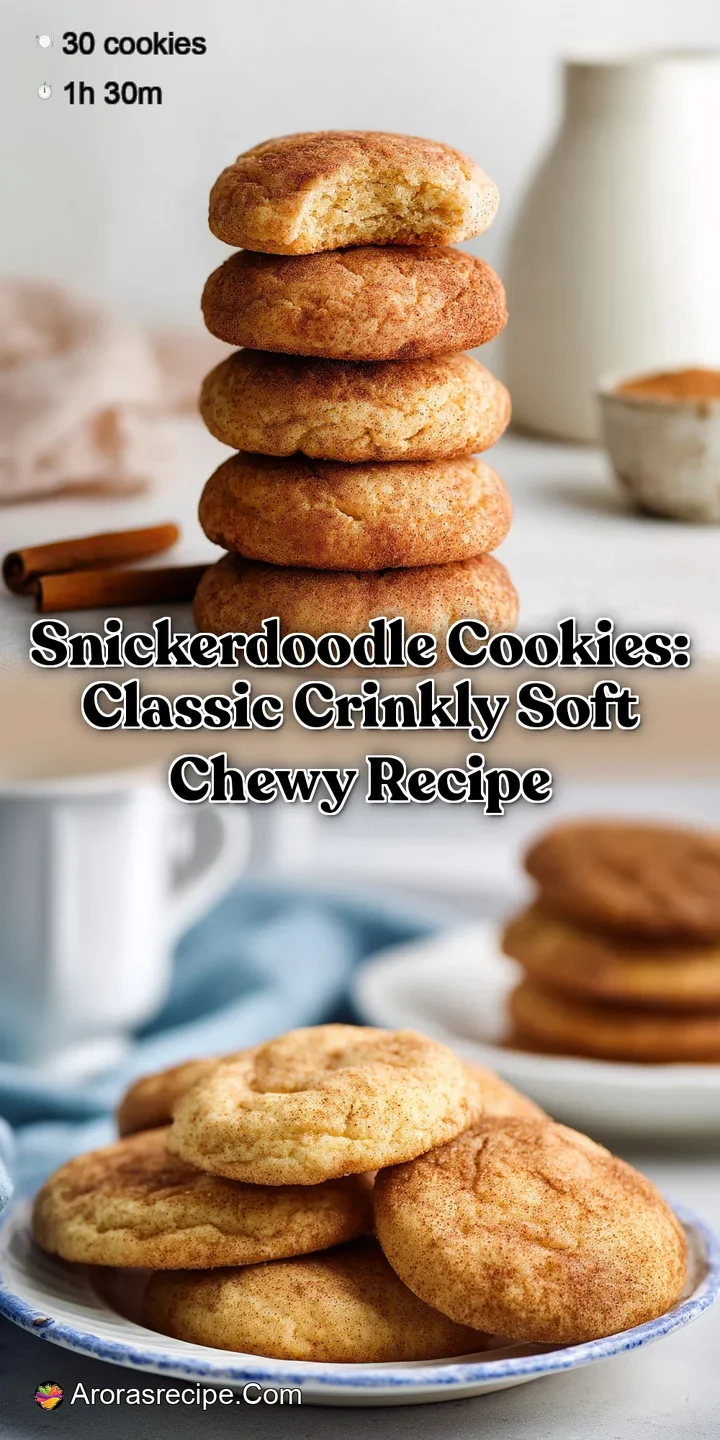
Recipe FAQs
What is the role of cream of tartar, and can I omit it?
Cream of tartar is absolutely essential for the classic Snickerdoodle; it provides the signature tangy flavor and reacts with baking soda to create the soft, puffy, and supremely chewy texture.
While you can substitute it with a mixture of baking powder and a tiny amount of vinegar, omitting it entirely will result in a cookie closer to a bland sugar cookie, lacking the characteristic zing and structure.
Why are my snickerdoodles flat and greasy instead of thick and puffy?
Flat cookies usually result from butter that was too warm (even slightly melted) or dough that was not chilled sufficiently before baking. Ensure your butter is only softened to room temperature and that the formed cookie balls rest in the refrigerator for at least 30 minutes to firm up the fats before they hit the oven.
My cookies came out dry and crumbly. What went wrong?
Dryness is most often caused by overmeasuring flour or overbaking the cookies past the point where the centers are slightly underdone. Use the spoon and-level method for accurate flour measurement, and pull the cookies from the oven when the edges are just set but the centers still look slightly pale and puffy.
Do I really need to chill the cookie dough?
While some quick recipes skip this step, chilling is highly recommended for the best results, especially with buttery recipes like Snickerdoodles. Chilling solidifies the fats, preventing the cookies from spreading too rapidly in the oven, which ensures they maintain their thickness and signature crinkly tops.
Can I freeze the dough, and how should I bake it from frozen?
Yes, the dough freezes beautifully; form the balls, roll them in the cinnamon sugar mix, and freeze them solid in an airtight container for up to three months. To bake, place the frozen balls directly onto a lined baking sheet and add approximately 2-4 minutes to the normal baking time.
Can I use salted butter instead of unsalted butter?
You can substitute salted butter, but you must reduce or eliminate the amount of added salt called for in the recipe to maintain a proper flavor balance. Unsalted butter is preferred in baking, however, as it gives the baker full control over the total sodium content.
How can I create a more complex flavor profile for the Snickerdoodle?
A simple yet highly effective way to elevate the flavor is to brown your butter before mixing the dough, adding a rich, nutty depth that complements the cinnamon. Alternatively, try adding a pinch of nutmeg or cardamom to the cinnamon sugar coating for a warmer, spicier exterior twist.
Classic Crinkly Snickerdoodle Cookies

Ingredients:
Instructions:
Nutrition Facts:
| Calories | 181 kcal |
|---|---|
| Protein | 4.0 g |
| Fat | 6.0 g |
| Carbs | 28.0 g |
