Liver Pudding: the Best Classic Homemade Southern Recipe
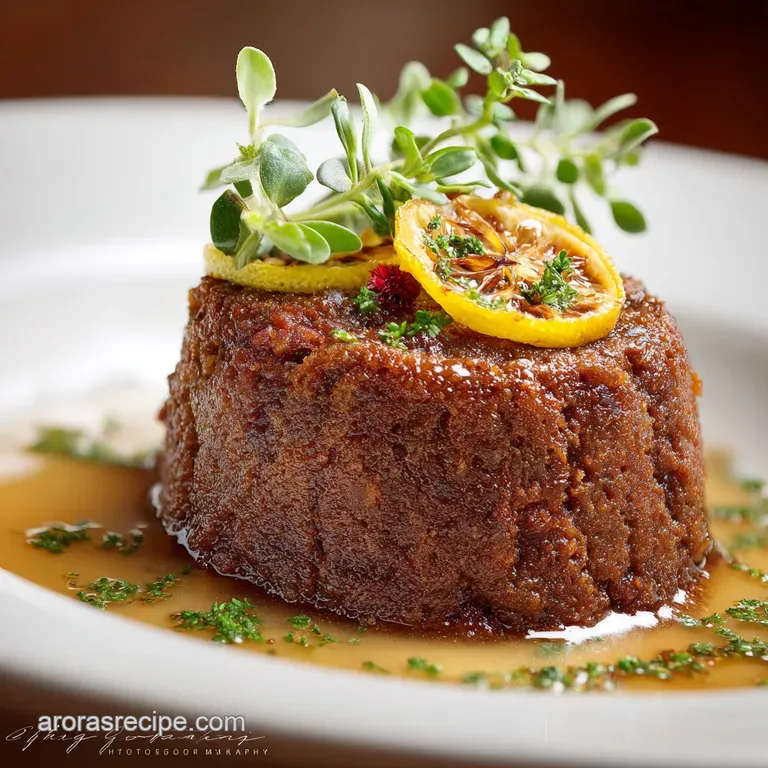
- The Butcher’s Best: What Exactly Is Southern Liver Pudding?
- Achieving the Signature Texture: The Science of Smoothness.
- Essential Components for the Classic Liver Pudding Recipe.
- Step-by-Step: Crafting Your Homemade Liver Pudding Loaf.
- Troubleshooting & Expert Secrets for the Best Result.
- Storage Solutions: Keeping Your Liver Pudding Fresh.
- How to Serve Liver Pudding: Classic Pairings and Modern Twists.
- Recipe FAQs
- 📝 Recipe Card
The Butcher’s Best: What Exactly Is Southern Liver Pudding?
The moment you drop a slice of this Homemade Liver Pudding into a hot, oiled skillet, your kitchen is instantly transported. That rich, meaty aroma, dominated by smoky black pepper and heaps of savoury sage, is just pure comfort.
When the crust starts to brown and crisp up, developing that beautiful caramelization, you know you’re about to have a breakfast that truly sticks to your ribs.
This isn’t just a weekend project; it's a lifesaver for your budget and your meal prep routine. Making it at home is incredibly cost effective because liver is so inexpensive, turning humble ingredients into something deeply luxurious.
Slice it, fry it, and you have instant, hearty breakfast protein for the whole week.
We are diving deep into how to achieve that signature silky smooth texture and perfectly balanced spice profile. I’ve made every mistake, trust me, from using too much rice (hello, grainy disaster!) to under seasoning (yawn). Let’s crack on and master this Southern staple together.
Achieving the Signature Texture: The Science of Smoothness.
The Mid-Atlantic Roots of This Comfort Food.
Liver Pudding, sometimes called livermush in certain regions, is a product of necessity, thriving in the Mid-Atlantic and Southern states, particularly North Carolina and South Carolina. It’s a classic example of nose-to-tail cooking, ensuring no part of the animal goes to waste, which is brilliant.
Historically, it was a way to bind organ meat with grains (rice or cornmeal) and fat for preservation.
Dispelling the Myths: It's Savoury, Not Sweet.
The name "pudding" often confuses people, making them think it’s some sort of sweet dessert. Absolutely not! This is a rich, robustly spiced savoury loaf, closer in character to a loose sausage filling or a pâté than something like my grandma’s Sticky Toffee Pudding: Nan's Comfort Food Recipe . We are talking about maximum umami and deep, earthy flavour here.
Why Liver Pudding is Perfect for Your Weekend Brunch Menu.
Because it takes all the stressful cooking out of the weekend! You do the work (mostly simmering and blending) on Friday, let it chill overnight, and then on Saturday morning, all you have to do is slice and fry. It pairs spectacularly with sharp cheddar grits and a runny fried egg.
The Crucial Role of Pork Shoulder and Fat Ratio.
Using pork shoulder (ground pork) with an 80/20 fat ratio is non-negotiable for success. The fat melts during the poaching and baking process, coating the liver proteins and ensuring the final pudding is moist, not dry, and blends into a creamy texture. Without enough fat, it will be crumbly and chalky.
Balancing the Spices: The Importance of Fresh Sage and Pepper.
Sage is the star it brightens the deep, earthy flavour of the liver. We use a surprisingly large amount of dried ground sage (or fresh, if you have it!), along with a generous hand of black pepper. The richness of the pork and liver needs those sharp, aromatic spices to cut through.
Why Boiling the Ingredients Ensures Safety and Consistency.
We don't actually boil them hard; we gently simmer or poach everything first. This pre-cooking step is vital for two reasons: safety, ensuring the meats are fully cooked, and consistency.
Cooking the pork shoulder and liver first, before blending, allows the collagen and proteins to soften, making it easy to achieve that flawless, smooth texture in the food processor.
Essential Components for the Classic Liver Pudding Recipe.
Selecting the Right Type of Liver (Pork Liver).
Pork liver is the traditional and preferred choice because it has a strong, distinctive flavour that holds up well against the heavy spicing. Make sure you trim away any sinew, veins, or membranes before cooking. Preparation is key!
If you can’t get pork liver, you could use calf’s liver, which is milder, but be aware the final flavour will be less intense.
Detailed Notes on Ratios: Pork vs. Liver vs. Binder.
We are aiming for a roughly 1:1 ratio of pork liver to ground pork shoulder, plus a binder like rice. The binder (cooked white rice, in this recipe) is essential for absorbing moisture and preventing the pudding from collapsing into paste. Too little binder, and it’s runny; too much, and it’s gritty.
When to Use White Pepper Instead of Black Pepper.
While I love the visual flecks and bite of freshly ground black pepper, white pepper is fantastic for a different kind of heat. It offers a subtle, internal warmth without the strong, fruity aroma of black pepper.
If you want a visually cleaner product, or if you prefer a sharper heat, swap half the black pepper for white.
Sourcing the Best Ingredients for Depth of Flavor.
Always use a good quality stock (pork or chicken) when simmering the ingredients. If you use water, the resulting pudding will taste flat. The small amount of stock we reserve and add back in during blending carries all the accumulated flavour from the spices and meats.
| Ingredient | My Recommendation | Viable Substitute |
|---|---|---|
| Pork Liver | Fresh, locally sourced | Calf’s liver (milder) or Chicken livers (stronger, reduce weight by 20%) |
| Ground Pork | 80/20 Pork Shoulder | Ground uncured ham or fatty bacon (adjust salt down) |
| Cooked Rice | Long grain white rice | Fine ground oatmeal or milk soaked bread/crumbs |
| Dried Sage | Freshly purchased, highly aromatic | Ground thyme + a pinch of nutmeg |
step-by-step: Crafting Your Homemade Liver Pudding Loaf.
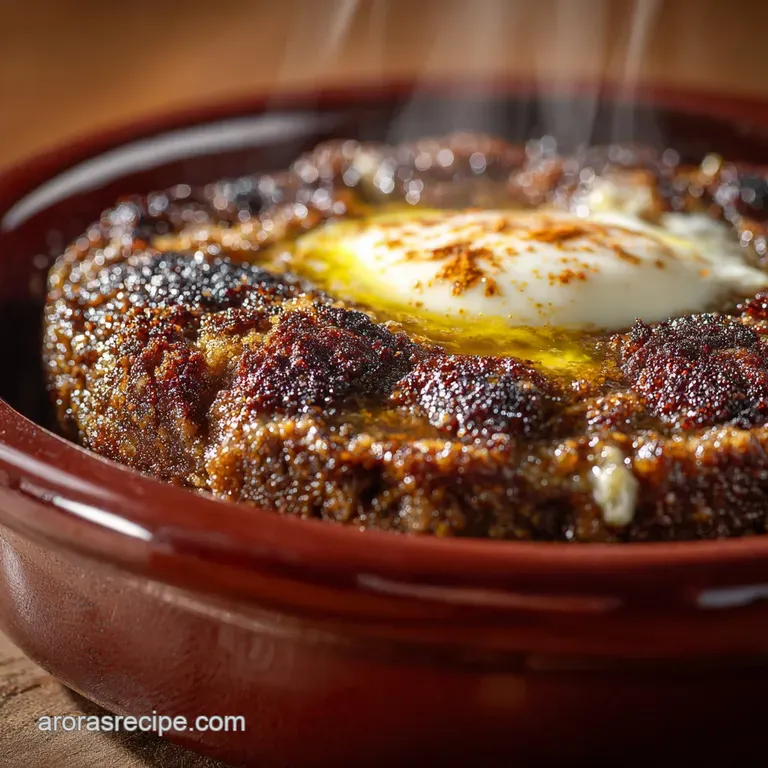
Preparation and Initial Simmering of the Pork and Organ Meats.
Start by sautéing your onions and garlic in butter until they smell nutty, about 7 minutes. Add the stock, salt, pepper, and your whole bay leaves. Bring it gently to a simmer.
Now, add your trimmed pork liver and poach it lightly for 10- 12 minutes until it changes colour throughout. Next, add the ground pork. Simmer everything together for another 15 minutes.
Chef's Note: Remember, we are simmering, not aggressively boiling! Hard boiling extracts too much flavour and can make the pork tough, resulting in a drier pudding.
Achieving the Perfect Grind (Using a Food Processor or Grinder).
Once cooked, strain the entire mixture, reserving that precious liquid. Transfer the meats, onions, garlic, and the cooled cooked rice to a powerful food processor. Pulse first to break it down, then run the processor until the mixture is uniform.
The goal is not chunky, but smooth like a very thick, emulsified batter.
Adjusting Seasoning and Testing the Mixture’s Consistency.
This is your crucial testing phase. If the pudding looks too dry, slowly drizzle in the reserved cooking liquid while the processor is running until it becomes spreadable and silky. Take a tiny spoonful of the warm mixture, fry it quickly in a pan, and taste it. Does it need more salt? More sage?
Adjust now, before baking!
Forming the Loaf and Final Cooking Times.
Scrape the seasoned, smooth mixture into your prepared loaf pan. Smooth the top with a spatula. Tightly cover the pan with foil; this traps the moisture and helps the pudding set beautifully without drying out.
Bake at 350°F (175°C) for about 30– 35 minutes, or until the internal temperature is exactly 165°F (74°C). That temperature confirms safety and firmness.
Troubleshooting & Expert Secrets for the Best Result.
Preventing a Granular or Watery Texture.
A granular texture usually means two things: either you didn't cook the binder (rice) enough, or you didn't blend long enough. To fix graininess, add a splash of reserved liquid or a spoonful of heavy cream and process again until smooth.
If it's watery, you added too much liquid; you can save it by baking it slightly longer, uncovered, to reduce the moisture.
The Secret Ingredient for Extra Earthiness (Optional Enhancement).
If you want a deeper, more robust, almost smoky earthiness, stir in a teaspoon of either Bovril or Marmite (or a similarly concentrated yeast extract) into your reserved cooking liquid before blending. This boost of umami is astonishing and enhances the overall "meatiness."
How to Fix Under Seasoned Liver Pudding.
You realize it's bland after it’s baked and chilled. Don't worry! You can't mix it in now, but you can heavily season the outside . When slicing and frying the pudding, dust the slices generously with a mixture of salt, pepper, and dried sage right before they hit the hot pan.
The spice coating will caramelize and offer the flavour correction you need.
Storage Solutions: Keeping Your Liver Pudding Fresh.
Refrigeration Life and Best Practices for Wrapping.
Once fully chilled and set, Liver Pudding is quite stable. It will keep beautifully in the refrigerator for about 5 to 7 days . The key is air-tight wrapping.
Either leave it in the loaf pan, tightly wrapped with cling film, or turn it out and wrap the whole loaf tightly in parchment paper followed by foil.
A Guide to Freezing Raw vs. Cooked Loaves.
You bet this stuff freezes well! I prefer freezing the cooked and cooled loaf. If you freeze it raw, the moisture content can separate when thawed, affecting the texture. Wrap the cooked loaf tightly in two layers of plastic wrap and one layer of foil. Label it clearly.
It will last up to 3 months.
Proper Thawing Techniques to Maintain Texture.
Never thaw Liver Pudding at room temperature. Transfer the frozen loaf directly to the refrigerator and let it thaw slowly overnight. Slow thawing prevents the formation of large ice crystals which can damage that smooth, creamy texture. Slice and pan-fry as usual once fully thawed.
How to Serve Liver Pudding: Classic Pairings and Modern Twists.
For the classic breakfast experience, nothing beats crisp, fried slices of Liver Pudding alongside grits, fried eggs, and a little hot sauce. The creamy grits are the perfect foil for the salty, crispy pudding.
If you’re having a savoury pudding party (which is a thing, right?), you could offer it alongside sweeter dishes. Perhaps pair it with a slice of my Classic Sweet Noodle Pudding Kugel Ultra Creamy and Crunchy Top for an unexpected contrast, or serve it on a piece of cornbread where you might traditionally put molasses, similar to a Proper SlowBaked Indian Pudding A Classic Molasses Cornmeal Custard .
- Classic: Sliced, pan-fried, served with eggs, grits, and a splash of vinegar based pepper sauce.
- Modern Twist: Serve cold slices on toast points with a smear of fig jam or apple butter. The sweet savoury combination is divine!
- Charcuterie Style: Cut into cubes and serve cold with pickled items like cornichons and sharp cheeses.

Recipe FAQs
Can I use chicken liver instead of pork liver in this recipe?
While chicken liver is acceptable, it yields a significantly milder flavor and a slightly softer texture compared to the traditional recipe. Pork or beef liver provides the essential robust, earthy flavor necessary for classic Southern liver pudding.
If you substitute, use the same weight ratio and adjust seasoning after blending, as chicken liver requires less spice.
My liver pudding is too crumbly or dry after cooking. How can I fix the texture?
This dryness often indicates insufficient fat or liquid, or overcooking during the initial preparation phase. When blending the mixture, gradually incorporate more of the reserved cooking liquid until the pudding achieves a smooth, yet thick, spreadable consistency, similar to a very hearty porridge.
Ensure you use pork shoulder with sufficient fat content (approximately 30%) as fat is crucial for binding the final product.
What is the difference between liver pudding and liver pâté?
Liver pudding is typically distinguished by its high binder content (often rice, cornmeal, or bread) and is traditionally boiled or steamed, resulting in a dense, sliceable texture.
Pâté, on the other hand, is generally richer, uses more butter and cream, and is usually baked, leading to a much smoother, easily spreadable consistency meant for crackers or toast points.
How long can I safely store cooked liver pudding, and can I freeze it?
Cooked liver pudding can be stored in an airtight container in the refrigerator for 5 7 days. Yes, it freezes exceptionally well; slice the pudding into individual portions, wrap tightly in plastic wrap, then seal in a freezer bag for up to 3 months. Thaw overnight in the refrigerator before slicing and frying.
My pudding tastes too bitter or too intensely "livery." How do I balance the flavor?
Bitterness often stems from insufficient seasoning or improper cleaning of the liver before cooking; make sure you trim away any ducts or green bile spots thoroughly. The key to mitigating the strong liver taste in the Southern recipe is using generous amounts of sage, black pepper, and salt, as these spices are essential for balancing the earthiness.
I don’t eat pork. Can I substitute the pork shoulder and liver with other meats?
You can substitute the pork shoulder with veal, lamb, or beef for the meat base, though this will significantly alter the traditional profile of the dish. It is vital to ensure your substitute meat has a high fat content (or add supplemental fat) to replicate the necessary richness and binding texture provided by the pork shoulder.
Use beef liver alongside the beef shoulder for a cohesive flavor.
What is the recommended method for serving liver pudding?
The classic serving method involves slicing the cold, cooked pudding into half inch thick rounds and pan-frying them in butter or oil until they develop a crisp crust and are caramelized on both sides.
Serve hot alongside traditional Southern breakfast fare like eggs, grits, or toasted bread, often enhanced with a dash of hot sauce or robust brown mustard.
Classic Southern Liver Pudding Recipe
Ingredients:
Instructions:
Nutrition Facts:
| Calories | 1665 kcal |
|---|---|
| Protein | 244.1 g |
| Fat | 63.9 g |
| Carbs | 11.3 g |
