Homemade Olive Garden Chicken Pasta
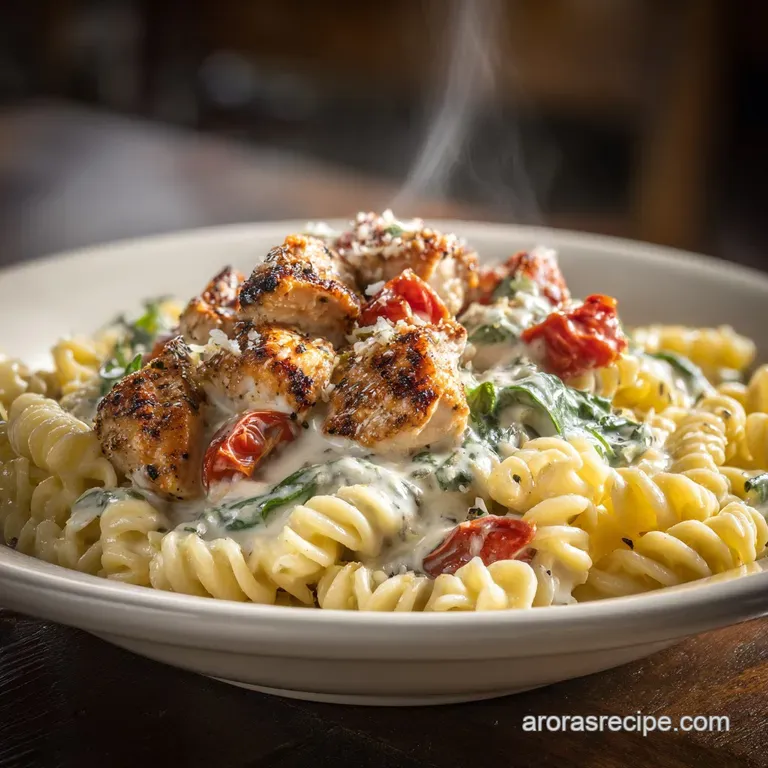
- Time: Active 10 minutes, Passive 20 minutes, Total 30 minutes
- Flavor/Texture Hook: Tangy, silky, and deeply savory
- Perfect for: Busy weeknight dinners or cozy weekend comfort
- Master the Ultimate Olive Garden Chicken Pasta
- Why This Comforting Dish Works
- Essential Planning and Prep Timing
- Gathering Your Fresh Prime Ingredients
- Necessary Tools for Culinary Success
- Clear Steps for Cooking Perfection
- Solving Your Common Pasta Struggles
- Creative Ways to Vary Flavor
- Best Storage and Preservation Secrets
- Ideas for Perfect Serving Pairings
- Myths About This Classic Dish
- Scaling the Recipe for Any Crowd
- Recipe FAQs
- 📝 Recipe Card
Master the Ultimate Olive Garden Chicken Pasta
The sharp, vinegary scent of Italian dressing hitting a hot skillet is my personal Pavlovian trigger for "dinner is almost ready." I remember the first time I tried to make this for a group of Nashville friends in my tiny first apartment; the space was so small the aroma basically became the wallpaper.
I was terrified the cream would curdle or the dressing would be too overwhelming, but once that first forkful hit, I knew I had cracked the code to that specific restaurant magic.
What makes this specific version stand out is how we handle the chicken. We aren't just tossing it in a pan; we're using the acidity of the dressing to break down the proteins, ensuring every bite is tender enough to cut with a fork. It is the ultimate comfort food that feels like a big hug at the end of a long day.
If you’ve been looking for that perfect balance of zesty and creamy, you’ve finally found it.
Why This Comforting Dish Works
- Acidic Tenderization: The vinegar in the Italian dressing breaks down tough muscle fibers in the chicken breasts before they ever hit the heat.
- Emulsification Stability: Using cubed cream cheese acts as a stabilizer, preventing the heavy cream from separating when it meets the acidic dressing residue.
- Starch Bonding: Reserved pasta water contains released starches that act as a bridge, helping the fat heavy sauce physically stick to the smooth pasta surface.
- Maillard Enhancement: The sugars in the bottled dressing caramelize quickly during the sear, creating deep brown "fond" on the pan that flavors the entire sauce.
Essential Planning and Prep Timing
Choosing how to cook your meal depends on how much "hands off" time you actually have. While I always reach for my heavy skillet for those crispy edges, sometimes the oven is the better choice for a big family gathering where you don't want to stand over the stove.
| Method | Time | Texture | Best For |
|---|---|---|---|
| Stovetop | 25 minutes | Crispy chicken edges and silky sauce | Quick weeknight hunger |
| Oven Bake | 45 minutes | Bubbling cheese crust and soft pasta | Sunday family dinners |
| Instant Pot | 20 minutes | Most tender, "fall apart" chicken | True hands off prep |
Building a meal that everyone loves requires a little bit of strategy, especially when it comes to the sauce. If you’re a fan of those big, bold restaurant flavors, you’ve probably tried my Olive Garden Chicken recipe which is a staple for soup lovers, but this pasta version takes that same flavor profile and makes it the main event.
Gathering Your Fresh Prime Ingredients
The beauty of this dish lies in how simple the components are, but how they transform when combined. We aren't looking for complex artisanal finds here; we want the classic, robust flavors that define Italian American comfort food.
| Ingredient | Science Role | Pro Secret |
|---|---|---|
| Italian Dressing | Acidic Marinade | Use a brand with visible herb flakes for better crust development. |
| Cream Cheese | Texture Stabilizer | Ensure it is completely at room temperature to avoid "white dots" in the sauce. |
| Parmesan Cheese | Umami & Thickening | Grate it yourself; pre shredded contains starch that prevents a smooth melt. |
- 0.68 kg (1.5 lbs) chicken breasts
- Sliced into bite sized strips. Why this? Lean protein absorbs the tangy marinade quickly. (Substitute: Chicken thighs for more moisture).
- 450 g (16 oz) Penne or Rotini
- Why this? The ridges (rigate) trap the velvety sauce. (Substitute: Fusilli or Bowtie).
- 240 ml (1 cup) Heavy Cream
- Why this? Provides the fat needed for a luxurious mouthfeel. (Substitute: Whole milk with a tablespoon of flour).
- 115 g (4 oz) Cream Cheese
- Softened and cubed. Why this? Thickens without needing a flour based roux. (Substitute: Mascarpone for a sweeter finish).
- 60 g (0.5 cup) Parmesan Cheese
- Freshly grated. Why this? Adds salt and structure to the liquid. (Substitute: Pecorino Romano for more bite).
- 3 cloves Garlic
- Minced.
- 0.5 tsp Black Pepper & 0.25 tsp Salt
- For seasoning.
- 120 ml (0.5 cup) Pasta Water
- Reserved from the pot.
- 1 tbsp Fresh Parsley
- Chopped for garnish.
Necessary Tools for Culinary Success
You don't need a professional kitchen to pull this off, but a few specific items make the process much smoother. I personally swear by a large cast iron skillet for this because it holds heat so well, but any heavy bottomed pan will do.
- Large Skillet: Aim for at least 12 inches so you don't crowd the chicken.
- Pasta Pot: A standard 6 quart pot is perfect for the penne.
- Microplane/Grater: For that fresh Parmesan (don't use the green shaker can!).
- Tongs: These are better than a spatula for flipping individual chicken strips.
- Whisk: Essential for smoothing out the cream cheese into the heavy cream.
Chef's Tip: Freeze your block of Parmesan for 10 minutes before grating. It makes the cheese firmer and prevents it from clumping or melting against the heat of your hands while you work.
Clear Steps for Cooking Perfection
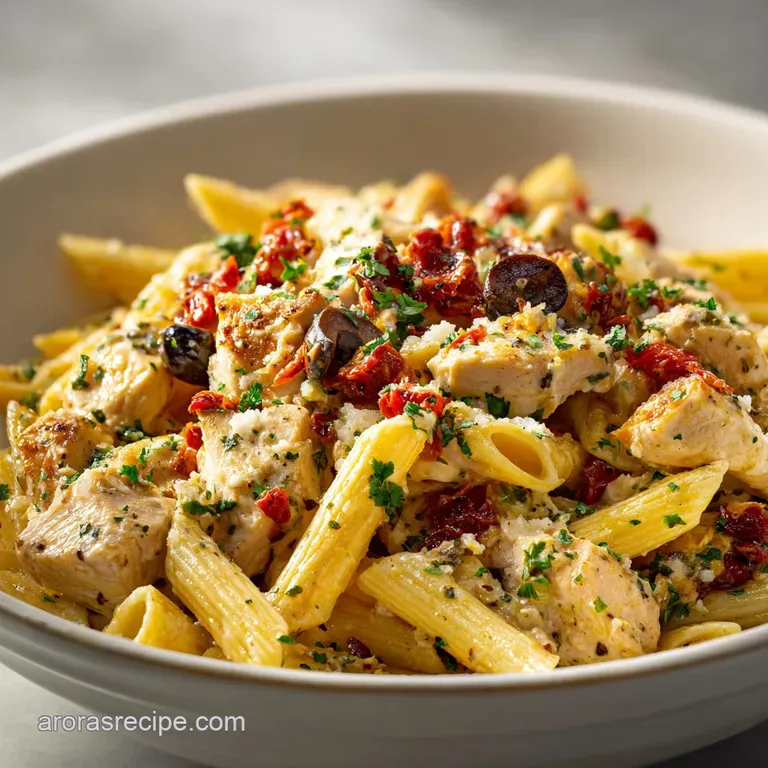
- Marinate the chicken. Toss the strips with 120 ml of dressing and let it sit for at least 10 minutes. Note: This starts the tenderization process.
- Boil the pasta. Cook the penne in salted water until just shy of al dente. Note: It will finish cooking in the sauce later.
- Reserve the liquid. Dip a measuring cup into the boiling water to save 120 ml before draining the pasta.
- Sear the poultry. Heat 30 ml of dressing in your skillet and add the chicken. Cook until the edges are golden and the centers are no longer pink, usually about 6-8 minutes.
- Sauté the aromatics. Move the chicken to a plate and add the minced garlic to the residual oil. Fry for 30 seconds until fragrant and pale gold.
- Build the base. Pour in the heavy cream and bring it to a gentle simmer, scraping up all those flavorful brown bits from the bottom.
- Incorporate the cheese. Whisk in the cubed cream cheese and Parmesan. Stir until the sauce is velvety and free of lumps.
- Combine everything. Toss the cooked pasta and chicken into the skillet.
- Adjust the consistency. Pour in the reserved pasta water 15 ml at a time. Toss until the sauce coats every piece of pasta like a glossy blanket.
- Final garnish. Sprinkle with black pepper and fresh parsley just before serving.
For those nights when you want something with a bit more of a kick, my Chicken and Sausage Pasta recipe uses a similar base technique but swaps the dressing for spicy aromatics, which is a great way to branch out once you've mastered this one.
Solving Your Common Pasta Struggles
Sometimes things go sideways in the kitchen, but almost every mistake in this recipe can be fixed with a little heat or a splash of water. The most common issue people face is a sauce that looks more like a science experiment than a restaurant dinner.
Why did my cheese clump instead of melting?
This usually happens if the sauce is too hot or if you used pre shredded cheese. High heat causes the proteins in the cheese to tighten and squeeze out fat, resulting in a rubbery mess.
If this happens, take the pan off the heat immediately and whisk in a tablespoon of very hot pasta water to try and smooth it back out.
| Problem | Root Cause | Solution |
|---|---|---|
| Grainy Sauce | Cheese added to boiling liquid | Remove from heat, whisk vigorously with a splash of cream. |
| Dry Pasta | Pasta absorbed all the liquid | Add reserved pasta water 1 tablespoon at a time. |
| Tough Chicken | Overcooked or skipped marinade | Slice thinner next time; ensure 10 minute marinade minimum. |
Common Mistakes Checklist
- ✓ Never rinse your pasta after draining; you need that starch to help the sauce stick.
- ✓ Use a heavy skillet to ensure even heat distribution and prevent the cream from scorching.
- ✓ Pat the chicken dry if you aren't marinating it, though for this recipe, the dressing acts as the oil.
- ✓ Don't add the salt until the very end; the dressing and Parmesan are already quite salty.
- ✓ Let the cream cheese sit on the counter for 30 minutes before you start cooking.
Creative Ways to Vary Flavor
If you want to make this your own, there are plenty of ways to tweak the profile without ruining the balance. I often throw in a handful of fresh spinach at the very end the heat from the pasta wilts it perfectly in about 30 seconds.
- The Zesty Kick: Add a teaspoon of red pepper flakes when sautéing the garlic. It cuts through the richness of the cream beautifully.
- The Veggie Boost: Roasted red peppers or sun dried tomatoes add a lovely sweetness that complements the vinegar in the dressing.
- The Lighter Swap: You can use half and half instead of heavy cream, but you'll need to simmer it longer to get that same thickness, and it won't be quite as "shatter proof" if reheated.
If you find yourself wanting a different texture entirely, you might enjoy a Traditional Chicken Noodle recipe which offers that same comfort but in a lighter, brothier format. It's all about what your soul needs that day!
Best Storage and Preservation Secrets
Leftover pasta is a gift, but only if you store it correctly. Because this sauce is cream based, it will thicken significantly in the fridge as the fats solidify and the pasta continues to drink up the moisture.
Storage: Keep leftovers in an airtight container in the fridge for up to 3 days. I don't recommend freezing this dish, as the cream and cream cheese tend to separate and become "grainy" once thawed and reheated.
Zero Waste Tip: If you have leftover Italian dressing at the bottom of the bottle, don't toss it! Use it to toss some broccoli or asparagus before roasting them. They make the perfect side dish for this pasta, and the flavor profile matches perfectly.
Reheating: Never use the microwave on high power! The intense heat will break the sauce, leaving you with a puddle of oil. Instead, put the pasta in a small skillet over medium low heat and add a splash of milk or water. Stir gently until the sauce becomes silky again.
Ideas for Perfect Serving Pairings
To really get that restaurant experience at home, you need the right supporting cast. I always serve this with a big bowl of greens to balance out the decadence of the heavy cream.
- A Crisp Salad: Use a simple lemon tahini or a light vinaigrette. Avoid heavy Caesar dressings as they compete too much with the pasta sauce.
- Garlic Bread: Essential for mopping up every last drop of that tangy sauce. If you're feeling fancy, rub a raw garlic clove on toasted sourdough.
- Roasted Broccoli: The charred bits of broccoli florets provide a "crunch" that contrasts perfectly with the velvety texture of the penne.
Myths About This Classic Dish
Myth: You must use name brand Olive Garden dressing for it to taste "right." Truth: While the branded dressing is delicious, any high-quality "Zesty Italian" dressing will provide the same acidity and herb profile.
The real secret is the cream cheese stabilization, not the label on the bottle.
Myth: Adding oil to the pasta water prevents sticking. Truth: This actually prevents the sauce from sticking to the pasta! The oil coats the noodles, making them too slippery for the sauce to bond. Just use plenty of water and give it a stir in the first two minutes of boiling.
Myth: You can't make this dish healthy. Truth: While "healthy" is subjective, you can easily swap the penne for chickpea pasta or whole wheat noodles and use a low-fat cream cheese. It changes the texture slightly, making it denser, but the flavor remains incredibly satisfying.
Scaling the Recipe for Any Crowd
When you're cooking for a party or just for two, you can't always just double or halve everything exactly.
Scaling Down (Cooking for 2): If you're halving the recipe, use a smaller 8 inch skillet so the sauce doesn't evaporate too quickly. You can still use one whole garlic clove (because you can never have too much garlic) and half an egg if the recipe called for one, but here, just eyeball half the cream.
Scaling Up (Cooking for 12): When doubling the batch, don't double the salt or the black pepper right away. Spices tend to intensify, so start with 1.5x the amount and taste as you go.
You'll also want to sear the chicken in two separate batches; crowding the pan will cause the meat to steam in its own juices instead of getting that beautiful brown sear. Reduce the total liquid by about 10% to ensure the sauce doesn't become too runny in a larger pot.
Recipe FAQs
Why is it called "marry me chicken pasta"?
No, this specific Olive Garden pasta is not officially called "marry me chicken pasta." The term "Marry Me Chicken" refers to a separate viral recipe trend known for its rich, creamy sauce, which shares some components like cream and cheese with this dish.
What goes well with Olive Garden chicken pasta?
A crisp, light salad is highly recommended. The rich, creamy texture of the pasta needs a sharp contrast to balance the palate.
What chicken pasta does Olive Garden serve?
The primary and most famous chicken pasta is Chicken Alfredo. This copycat recipe aims to capture that tangy, savory profile often associated with their creamy chicken offerings.
What pasta does Olive Garden use for chicken alfredo?
Olive Garden typically uses Fettuccine for its classic Chicken Alfredo. However, this specific recipe pairs better with Penne or Rotini because their ridges hold the heavier, tangier sauce more effectively.
How do I prevent the cream sauce from breaking when reheating leftovers?
Reheat slowly over medium low heat, adding liquid gradually. Do not microwave on high power, as this causes immediate fat separation; instead, add a splash of milk or reserved pasta water while stirring continuously in a skillet.
Is it necessary to marinate the chicken if I am short on time?
No, but the results will be less tender and flavorful. The dressing's acidity tenderizes the meat; if skipping the marinade, ensure you slice the chicken thinly and cook it very quickly to avoid toughness.
Can I substitute the heavy cream for a lighter option?
Yes, you can substitute half and-half, but expect a less stable sauce. If you substitute, you may need to add a thickener like a small slurry of flour or cornstarch to achieve the velvety consistency found in our Lemon Cream Sauce recipe.
Copycat Chicken Pasta
Ingredients:
Instructions:
Nutrition Facts:
| Calories | 728 kcal |
|---|---|
| Protein | 49.4 g |
| Fat | 32.6 g |
| Carbs | 60.2 g |
| Fiber | 2.3 g |
| Sugar | 3.8 g |
| Sodium | 525 mg |
