Cordon Bleu Sauce: Creamy & Tangy
- Time: Active 10 minutes, Passive 5 minutes, Total 15 minutes
- Flavor/Texture Hook: Silky, savory, and tangy
- Perfect for: Weeknight comfort or dinner parties
- The Secret to Perfect Cordon Bleu Sauce
- Why This Recipe Simply Works
- Components of a Silky Base
- Essential Ingredients and Substitutes
- Tools for a Smooth Finish
- Step by Step Sauce Success
- Fixing Common Sauce Mishaps
- Easy Flavor and Diet Swaps
- Debunking Sauce Misconceptions
- Keeping Your Sauce Fresh Longer
- Best Ways to Serve It
- Cordon Bleu Sauce FAQs
- 📝 Recipe Card
The Secret to Perfect Cordon Bleu Sauce
The first time I really understood the power of a good sauce, I was standing in my tiny Nashville kitchen, watching the chicken "shatter" under my knife. That golden, breaded crust was great, but it was missing that velvety, savory hug that only a Cordon Bleu Sauce can provide.
I remember the sizzle of the butter hitting the pan and that sharp, vinegary aroma of Dijon mustard hitting the air. It’s a scent that promises comfort before the first bite even happens.
We’ve all been there where we try to make a cream sauce and it ends up looking like library paste or, worse, it breaks into a greasy mess. I’ve made those mistakes so you don’t have to.
This version is all about that glossy finish and a punchy flavor profile that cuts right through the richness of the ham and Swiss inside the chicken. It isn't just a topping, it’s the bridge that brings the whole dish together.
This recipe is designed to be approachable and comforting, skipping the complex steps for something that actually works every single time. Whether you’re feeding a hungry family on a Tuesday or hosting friends who think you spent hours at the stove, this sauce is your secret weapon.
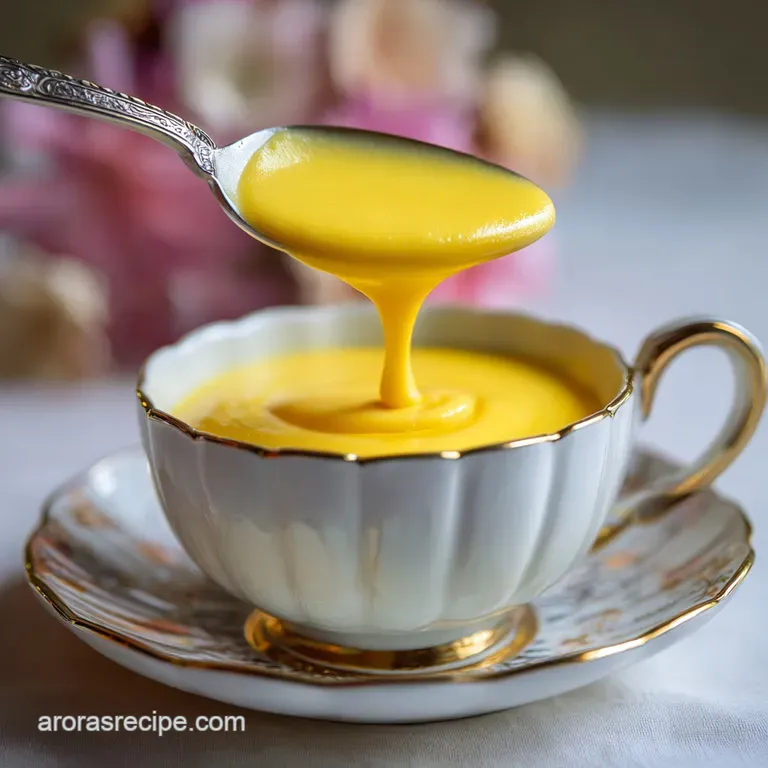
Trust me, once you see it coat the back of a spoon in a perfect, silky layer, you'll never go back to the jarred stuff.
Why This Recipe Simply Works
- The Starch Bridge Magic: Mixing flour and butter creates a roux that coats fat droplets, preventing them from clumping and ensuring a velvety texture.
- Mustard Emulsification: The Dijon acts as a natural stabilizer, keeping the milk and fats from separating while adding a sharp flavor.
- Gluten Network Control: Cooking the flour for just two minutes neutralizes the raw taste without weakening its ability to thicken the liquid.
- Casein Stability: Whole milk provides enough protein (casein) to create a sturdy structure that doesn't "break" when heat is applied.
While many people argue over the best way to finish this dish, I've found that how you cook the chicken often dictates how you should handle the sauce. If you're doing a quick weeknight meal, you might be tempted to just throw everything in the oven.
| Method | Time | Texture | Best For |
|---|---|---|---|
| Stovetop | 15 minutes | Ultra glossy and smooth | Immediate serving and precision control |
| Oven (Reheat) | 20 minutes | Thicker, more concentrated | Casseroles or make-ahead meals |
Cooking on the stovetop allows you to watch the sauce transform. You can see the exact moment the roux turns "blonde" and smells like toasted shortbread. It gives you the control to whisk out any tiny lumps before they become a problem.
Components of a Silky Base
To get that restaurant quality finish, we need to understand what each player does in the pan. We aren't just tossing things in a pot; we're building layers of flavor.
| Ingredient | Science Role | Pro Secret |
|---|---|---|
| Unsalted Butter | Fat medium | Use high-quality butter for a richer, more yellow hue |
| All purpose Flour | Thickening agent | Sift it first to avoid "flour pockets" in the roux |
| Whole Milk | Liquid body | Use cold milk against a hot roux to prevent instant clumping |
| Parmesan Cheese | Flavor & Salt | Grate it yourself; pre shredded has cellulose that won't melt smoothly |
You'll notice we're using Parmesan here instead of the traditional Gruyère found in some versions. It gives a salty, nutty bite that feels a bit more like home cooking. If you happen to be making something like my Gnocchi and Mushrooms recipe, you'll recognize that same savory depth that only good cheese can provide.
Essential Ingredients and Substitutes
- 2 tbsp (28g) Unsalted butter: Why this? Provides the fat base for the roux and a rich, creamy mouthfeel. (Substitute: Salted butter, but reduce added salt later).
- 2 tbsp (16g) All purpose flour: Why this? The essential thickener that creates a stable, pourable consistency. (Substitute: Cornstarch, but use half the amount and mix with cold milk first).
- 1.5 cups (355ml) Whole milk: Why this? Offers the perfect fat to protein ratio for a thick, white sauce. (Substitute: 2% milk works, but the sauce will be slightly thinner).
- 1/2 cup (45g) Freshly grated Parmesan cheese: Why this? Adds a salty, umami kick that balances the creamy milk. (Substitute: Pecorino Romano for a sharper, saltier punch).
- 1 tbsp (15g) Dijon mustard: Why this? Cuts through the fat and adds a sophisticated, tangy depth. (Substitute: Yellow mustard for a milder, more "Nashville" cafeteria vibe).
- 1/2 tsp (1.5g) Garlic powder: Why this? Distributes flavor evenly without the texture of fresh garlic bits. (Substitute: 1 clove fresh garlic, minced very fine).
- 1/4 tsp (0.75g) Onion powder: Why this? Adds a savory back note that complements the chicken and ham. (Substitute: Shallot powder).
- 1/4 tsp (1.5g) Salt: Why this? Enhances all other flavors; adjust based on the saltiness of your cheese.
- 1/8 tsp (0.3g) White pepper: Why this? Provides a gentle heat without leaving black specks in the white sauce. (Substitute: Ground black pepper).
- 1 tsp (5ml) Fresh lemon juice: Why this? The "secret weapon" that brightens the entire flavor profile at the end. (Substitute: White wine vinegar).
Tools for a Smooth Finish
You don't need a kitchen full of gadgets to make a world class Cordon Bleu Sauce. In fact, keeping it simple usually leads to better results. A heavy bottomed saucepan is your best friend here. It distributes heat evenly, so you don't end up with scorched spots on the bottom.
I personally love using a stainless steel pan because I can see the color of the roux changing more clearly than in a dark non stick pan.
A whisk is non negotiable. You want a balloon whisk that can reach into the corners of the pan. This is how you ensure every bit of flour is incorporated into the milk. If you're using a non stick pan, make sure your whisk is silicone coated so you don't scratch the surface.
Finally, a good microplane or fine grater for that Parmesan is key. The finer the cheese is grated, the faster and more evenly it will melt into the sauce, preventing that dreaded grainy texture.
Chef Tip: Freeze your block of Parmesan for 10 minutes before grating. It makes the cheese firmer and prevents it from clumping or melting from the warmth of your hands as you grate.
step-by-step Sauce Success
- Melt the butter. Place the 2 tbsp (28g) of unsalted butter in a medium saucepan over medium heat until it is foamy and bubbling. Note: This removes excess water from the butter.
- Form the roux. Whisk in the 2 tbsp (16g) of all purpose flour. Cook for 2 minutes until it smells nutty and looks like pale sand.
- Pour the milk. Gradually stream in the 1.5 cups (355ml) of whole milk while whisking constantly. Note: Adding it slowly prevents lumps from forming.
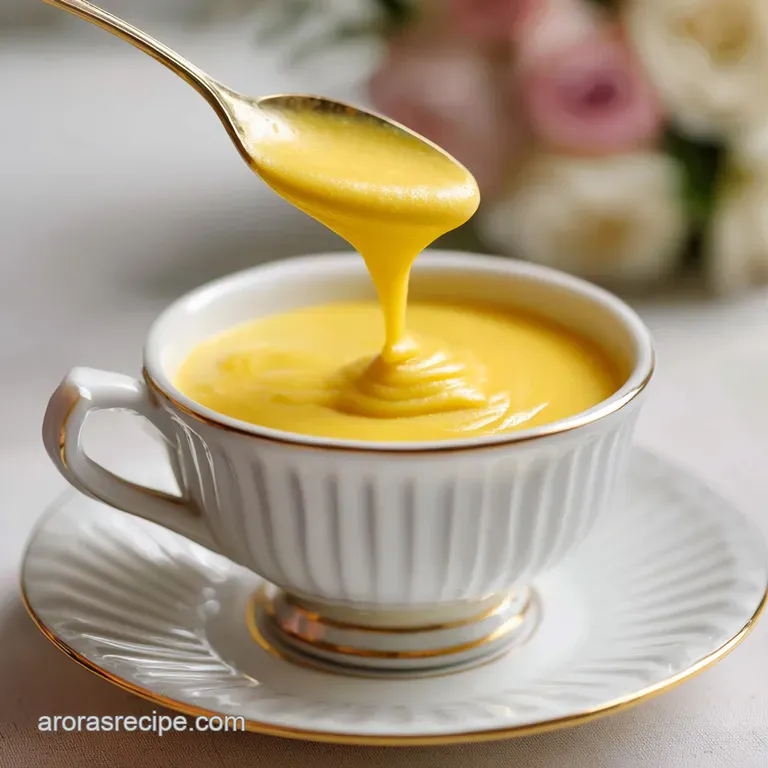
- Simmer and thicken. Continue whisking over medium heat for about 5 minutes until the sauce thickens and coats the back of a spoon.
- Season the base. Stir in the 1/2 tsp (1.5g) garlic powder, 1/4 tsp (0.75g) onion powder, 1/4 tsp (1.5g) salt, and 1/8 tsp (0.3g) white pepper.
- Add the tang. Whisk in the 1 tbsp (15g) of Dijon mustard until the sauce turns a light golden hue.
- Melt the cheese. Remove the pan from the heat and stir in the 1/2 cup (45g) of freshly grated Parmesan.
- Stir until smooth. Keep stirring until the cheese has completely vanished into the sauce.
- The final touch. Add the 1 tsp (5ml) of fresh lemon juice and give it one last whisk.
- Taste and adjust. Check for salt and pepper, then pour immediately over your chicken.
Fixing Common Sauce Mishaps
Even the best of us run into trouble sometimes. The most common issue with a white sauce is the texture. If your sauce looks like it’s curdling, don't panic. It usually just means the heat was a little too high or the cheese was added too fast.
Managing Texture Issues
If the sauce becomes too thick while it sits, it's because the starches are continuing to swell. Simply whisk in a tablespoon of warm milk at a time until it returns to that perfect, velvety pour. If it’s grainy, it might be the cheese.
Using pre shredded cheese is a common culprit here, as the anti clumping agents don't play well with heat.
| Problem | Root Cause | Solution |
|---|---|---|
| Lumpy sauce | Milk added too quickly | Use an immersion blender or strain through a fine mesh sieve |
| Grainy texture | Cheese overheated | Remove from heat earlier and use freshly grated cheese next time |
| Too thin | Not simmered long enough | Simmer for 2 more minutes or add a tiny bit more cheese |
Between you and me, I’ve had to pull out the blender more than once to save a sauce. It’s a trick that works wonders for getting that "shatter smooth" finish if your whisking hand got tired.
Common Mistakes Checklist
- ✓ Never stop whisking during the first two minutes of adding milk.
- ✓ Don't let the roux turn brown; you want a "blonde" roux for this specific sauce.
- ✓ Always remove the pan from the heat before adding the cheese to prevent graininess.
- ✓ Ensure your milk isn't ice cold; taking it out of the fridge 10 minutes early helps.
- ✓ Use a heavy bottomed pan to prevent the milk proteins from scorching.
Easy Flavor and Diet Swaps
This recipe is fairly forgiving if you need to scale it or change things up. If you're cooking for a crowd, you can easily double the ingredients. Just remember that a larger volume of milk takes longer to reach a simmer, so be patient.
Adjusting the Volume
When scaling down for a single serving, use a very small saucepan. A large pan will cause the milk to evaporate too quickly, leaving you with a thick paste instead of a sauce. For doubling the recipe, I recommend only increasing the spices by 1.5 times initially, then tasting and adding more if needed.
Spices can sometimes become overwhelming when doubled exactly.
| Original Ingredient | Substitute | Why It Works |
|---|---|---|
| Whole Milk (1.5 cups) | Evaporated Milk (1.5 cups) | Creates an even richer, more stable sauce that won't break easily. |
| All purpose Flour (2 tbsp) | Cup for-Cup GF Flour (2 tbsp) | Most 1:1 gluten-free blends contain xantham gum which mimics the thickening of wheat. |
| Dijon Mustard (1 tbsp) | Ground Mustard (1 tsp) | Provides the same mustard heat without the added vinegar/liquid. |
If you're looking for something with a bit more of a kick, you can try the technique from my Lemon Pepper Sauce recipe, which uses a similar butter base but focuses on bright citrus and cracked pepper.
Flavor Variations
- The Ultra Rich: Substitute half of the milk with heavy cream for a decadence that feels like a holiday meal.
- The Herbaceous: Stir in a teaspoon of fresh chopped tarragon or chives at the very end.
- The Smoky: Add a tiny drop of liquid smoke or use smoked paprika instead of onion powder.
Debunking Sauce Misconceptions
One thing I hear a lot is that you must use heavy cream to get a thick sauce. That’s just not true. A proper roux with whole milk will get you that beautiful thickness without the extra heaviness of cream. The flour provides the structure, not the fat.
Another myth is that you can't make this without Dijon. While the Dijon is classic for a Cordon Bleu Sauce, you can use other acids like white wine or more lemon juice to get that necessary brightness. The goal is to balance the fat, not necessarily to taste like a mustard jar.
Keeping Your Sauce Fresh Longer
If you have leftovers (which is rare in my house!), you can store this sauce in the fridge for up to 3 days. Put a piece of plastic wrap directly on the surface of the sauce before sealing the container. This prevents a "skin" from forming on top, which is just the proteins in the milk drying out.
To reheat, do it slowly on the stovetop over low heat. Add a splash of milk or water and whisk constantly. Do not let it boil, or the cheese will separate and become oily. I don't recommend freezing this sauce.
Since it’s a dairy based emulsion thickened with flour, the texture often becomes mealy or "weepy" once thawed and reheated.
Zero Waste Tip: If you have just a little bit of sauce left over, stir it into some cooked pasta or use it as a base for a quick stovetop mac and cheese. You can also use it as a dip for roasted vegetables. The flavors are so versatile that nothing should ever go to waste.
Best Ways to Serve It
While this is obviously the soulmate for chicken cordon bleu, it doesn’t have to stop there. I’ve drizzled this over roasted asparagus and even used it as a dip for crispy potato wedges. The tang of the Dijon makes it a great partner for anything breaded or fried.
The Professional Plate
When you're ready to serve, don't just dump the sauce over the top. For a "pro" look, slice the chicken first to show off the ham and cheese swirl, then drape the sauce over just one half. This keeps part of the breading crispy while still giving you plenty of flavor in every bite.
If you're feeling adventurous, this sauce is actually quite similar to what I use in my Chicken Cordon Bleu Sauce recipe, which goes into a bit more detail on the Gruyère version. Whether you’re serving this with a side of mashed potatoes or a simple green salad, it’s the kind of sauce that makes a home cooked meal feel like a real occasion.
If you want...
- Extra Crunch: Serve the sauce in a small ramekin on the side so you can dip each piece.
- More Depth: Sauté a tablespoon of minced shallots in the butter before adding the flour.
- A "Light" Version: Use chicken broth for half of the milk (this creates a "velouté" instead of a "bechamel").
This sauce is all about the joy of simple ingredients coming together to create something better than the sum of its parts. It's the Nashville way comfort food that doesn't try too hard but always delivers on flavor. Now, grab your whisk and let’s get that sauce bubbling!

Cordon Bleu Sauce FAQs
What is traditionally served with chicken cordon bleu?
Classic pairings include roasted vegetables, mashed potatoes, or a simple green salad. The richness of the chicken and sauce benefits from balancing sides.
What is a good substitute for cordon bleu sauce?
A béchamel or a simple Mornay sauce works well. Both are white sauces based on milk and a roux, with Mornay adding cheese for extra richness, similar to the flavor profile of Cordon Bleu sauce.
How do I make blue cheese sauce?
Melt butter, whisk in flour to form a roux, then gradually add milk until thickened. Stir in crumbled blue cheese, salt, and pepper until smooth. For a quick version, try our Creamy Blue Cheese Sauce Recipe Easy Quick Blue Ch: Silky Smooth.
How does Gordon Ramsay make blue cheese sauce?
Gordon Ramsay typically emphasizes a simple, quality base. His approach often involves a classic roux with butter and flour, whole milk, and good quality blue cheese, seasoned precisely for a balanced, rich flavor.
Can I use a different cheese in Cordon Bleu sauce?
Yes, Gruyère is a common and delicious alternative to Parmesan. Gruyère offers a nutty, slightly sweet flavor that complements the ham and chicken beautifully, creating a classic Swiss inspired sauce.
My Cordon Bleu sauce is lumpy. How do I fix it?
Use an immersion blender or strain the sauce through a fine mesh sieve. Lumps usually form when the milk isn't added gradually to the roux or when the sauce boils too vigorously after cheese is added. If you mastered emulsification in other recipes, this technique is similar.
How do I make Cordon Bleu sauce thicker?
Simmer the sauce longer over low heat while whisking constantly. Alternatively, you can create a slurry with a teaspoon of cornstarch mixed with a tablespoon of cold water and whisk it into the simmering sauce until it thickens.
Cordon Bleu Sauce

Ingredients:
Instructions:
Nutrition Facts:
| Calories | 171 kcal |
|---|---|
| Protein | 6.5 g |
| Fat | 11.8 g |
| Carbs | 8.1 g |
| Fiber | 0.2 g |
| Sugar | 4.5 g |
| Sodium | 402 mg |
