Cornbread Cookie Recipe Sweet and Buttery
- Time: Active 15 minutes, Passive 10 minutes, Total 25 minutes
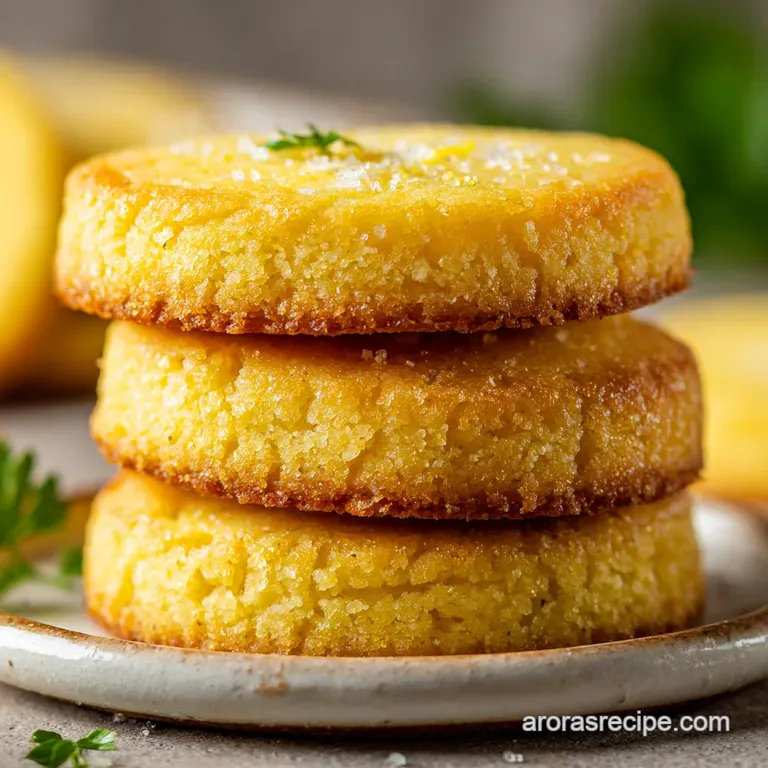
- Flavor/Texture Hook: A shatter crisp edge with a dense, honey soaked center
- Perfect for: Nashville style Sunday brunch or a cozy weeknight treat
- The Ultimate Cornbread Cookie Recipe Sweet and Buttery
- Why These Honeyed Cornmeal Treats Work
- Essential Specs For Better Baking
- Choosing Your Sweet Ingredient Elements
- Essential Gear For Golden Cookies
- Step-by-Step Path To Cookie Perfection
- Simple Fixes For Common Obstacles
- Fun Ways To Change Flavors
- Storing Your Freshly Baked Treats
- Best Pairings For Sweet Cookies
- Your Top Baking Questions Answered
- Recipe FAQs
- 📝 Recipe Card
Honestly, if you've ever stood in your kitchen at 10 PM debating whether to whip up a batch of muffins or a tray of cookies, this recipe is your new best friend. I remember the first time I tried a version of these at a little bakery in Nashville; I was skeptical about cornmeal in a cookie, thinking it might feel like eating sweet sand.
One bite changed everything, though I did spend three weekends failing in my own kitchen before I nailed the moisture balance.
Most recipes out there turn out dry enough to require a gallon of milk just to swallow one bite. We aren't doing that here. We're going for something that mimics that specific "melt in-your mouth" quality of a butter drenched piece of skillet cornbread, but in a portable, snackable format.
It's about that specific golden ratio of cornmeal to flour that gives you a crunch without the grit.
We’re going to use real honey and browned butter to hit those deep, caramel like notes that make these taste like they took hours to prep. Trust me, once you see that glaze hitting the warm surface of the cookie and sinking in, you'll never go back to plain sugar cookies again.
Let's get into the details of how to make this work every single time.
The Ultimate Cornbread Cookie Recipe Sweet and Buttery
The secret to this Cornbread Cookie Recipe Sweet and Buttery lies in the way we handle the fats and the cornmeal. Unlike a standard cookie where you just cream cold butter, we're looking for a specific texture that honors the Southern roots of the dish.
By using a mix of granulated and light brown sugar, we ensure the edges get that satisfying snap while the middle stays soft and slightly tacky from the molasses in the brown sugar.
The Science of Why it Works
Maillard Reaction: Browning the butter creates toasted milk solids that provide a complex nutty aroma through protein and sugar breakdown. Starch Gelatinization: The cornmeal absorbs moisture from the honey and egg, softening the grit into a tender, structural crumb.
Chef's Tip: To deepen the flavor, let your cornmeal sit in the whisked egg and honey for five minutes before adding the flour; it pre hydrates the grains for a smoother mouthfeel.
Why These Honeyed Cornmeal Treats Work
When we talk about the architecture of a cookie, cornmeal presents a unique challenge because it doesn't have the same gluten potential as wheat. This is actually a win for us. It means the cookies are naturally less likely to become tough or "bready" if you accidentally over mix the dough.
It's a very forgiving process that rewards patience more than technical skill.
Much like the technique used in our Southern Cornbread Dressing Recipe, the goal is a balanced hydration level. If the dough is too dry, the cookies will crumble into dust the moment you pick them up. If it's too wet, they'll spread into a thin, greasy puddle on your baking sheet. We use the honey not just for sweetness, but as a humectant to keep the interior velvety for days after baking.
| Ingredient | Science Role | Pro Secret |
|---|---|---|
| Fine Cornmeal | Structural integrity | Use "fine" grind only to avoid a sandy texture |
| Honey | Humectant | Prevents staling by trapping moisture in the crumb |
| Brown Butter | Flavor depth | Stop once it smells like toasted hazelnuts |
The interplay between the salty butter and the floral honey is what makes these stand out. It’s a flavor profile that feels old-fashioned and sophisticated all at once. If you've ever enjoyed a Sweet Potato Casserole recipe, you already know how well these earthy, sweet, and salty notes play together.
Essential Specs For Better Baking
Before you start preheating, let's look at the logistics. This isn't a "leave it in the oven until you remember it" kind of bake. Because of the cornmeal and the sugars, these can go from perfectly golden to burnt tasting in about ninety seconds.
You want to pull them out when the edges are just starting to tan but the centers still look a little "underdone" and soft.
The residual heat from the pan will finish the job. If you wait until the middle looks firm, you've overbaked them, and they’ll be hard as rocks once they cool down. We’re aiming for 18 servings, which is perfect for a standard half sheet pan if you bake in two batches.
| Method | Best For | Outcome |
|---|---|---|
| Stovetop | Browning Butter | Intense nutty aroma and toasted solids |
| Oven | Baking Cookies | Even rise and golden, crisp exterior |
I’ve found that using a middle rack is non negotiable here. The bottom heat can be too aggressive on the cornmeal, causing the base of the cookie to darken before the top is set. If your oven has a "hot spot," make sure to rotate the tray halfway through the ten minute timer.
Choosing Your Sweet Ingredient Elements
Quality matters when the ingredient list is this short. Don't reach for the cheapest "pancake syrup" style honey; get something with a bit of character, like a wildflower or clover honey. The nuances of the honey will actually survive the bake and shine through in that final glaze we brush on at the end.
- Unsalted Butter (225g): This allows you to control the salt. Why this? Browning butter adds a toasted dimension that mimics skillet fried cornbread.
- Fine Yellow Cornmeal (140g): Avoid "stone ground" for this specific recipe. Why this? Fine grind integrates into the flour for a cohesive, tender bite.
- Honey (42g + 21g): Used in both the dough and the glaze. Why this? It provides a distinct floral sweetness and keeps the cookies moist.
- Light Brown Sugar (50g): Provides chew.
- Granulated Sugar (150g): Provides the crisp edge.
- All purpose Flour (190g): The structural base.
- Large Egg (50g): Binding agent. Must be room temperature.
- Baking Powder (5g): For a slight lift.
- Kosher Salt (3g): To balance the sugars.
- Vanilla Extract (4g): For aroma.
- Powdered Sugar (60g): For the whipped honey butter topping.
- Flaky Sea Salt: For the final finish.
| Original Ingredient | Substitute | Why It Works |
|---|---|---|
| Honey | Maple Syrup | Thinner consistency; adds woody/caramel notes instead of floral |
| Fine Cornmeal | Polenta | Note: Will be much grittier; soak in egg/honey for 15 mins first |
| Light Brown Sugar | Dark Brown Sugar | Adds more moisture and a stronger molasses flavor |
Essential Gear For Golden Cookies
You don't need a high end kitchen to make these, but a few tools make the process much smoother. A heavy bottomed saucepan is essential for browning the butter. If the pan is too thin, the butter solids will burn before the water has even evaporated.
I usually use a stainless steel pan so I can actually see the color changing from yellow to brown.
A cookie scoop (the 2 tablespoon size) is my best friend here. It ensures every cookie is the same size, which means they all finish baking at exactly the same time. If you’re hand rolling them, try to keep them to the size of a golf ball.
You’ll also want some parchment paper or a silicone baking mat; these cookies have a high sugar content and love to stick to the pan if given the chance.
Chef's Tip: Put your mixing bowl in the fridge for 5 minutes before adding the browned butter. This helps cool the fat quickly so it doesn't scramble your egg when you mix them together.
step-by-step Path To Cookie Perfection
Preparing the Brown Butter
Start by melting your 1 cup (225g) of butter in a saucepan over medium heat. It will sizzle and pop as the water cooks out this is normal. Keep whisking until the foam subsides and you see little brown specks at the bottom.
The smell will shift from "buttery" to "toasty." Immediately pour it into a large, heat proof bowl to stop the cooking.
Integrating the Sweeteners
Add your granulated sugar (150g) and light brown sugar (50g) to the warm butter. Whisk them together vigorously. The warmth of the butter will help dissolve the sugar crystals, leading to a smoother cookie.
Once combined, let it cool for a few minutes before whisking in the room temperature egg (50g), 2 tbsp (42g) honey, and vanilla.
Folding the Dry Ingredients
In a separate bowl, sift together the flour (190g), cornmeal (140g), baking powder (5g), and salt (3g). Gradually fold this into your wet mixture using a spatula. Stop the moment you see no more white streaks of flour. Over mixing at this stage will activate the gluten in the AP flour and make the cookies tough.
Achieving the Golden Bake
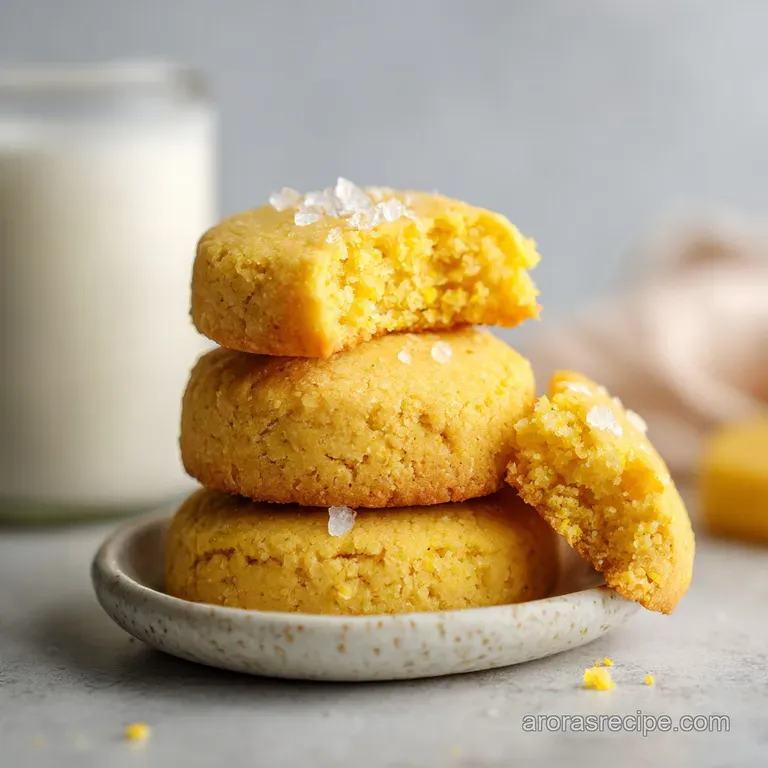
Scoop the dough into balls and place them 2 inches apart on your lined baking sheet. Give them a very light press with the palm of your hand just enough to create a slightly flat top. Bake at 175°C (350°F) for 10 minutes.
You are looking for a matte finish on top and just a hint of gold around the bottom edge.
Finishing with Honey Butter
While the cookies cool, whip together the 4 tbsp (56g) softened butter, powdered sugar (60g), and 1 tbsp (21g) honey. It should be light and airy. Once the cookies are barely warm to the touch, dollop a teaspoon of this honey butter on top and spread it slightly. Finish with a pinch of flaky sea salt.
Simple Fixes For Common Obstacles
Why Your Cookies Spread
If your cookies turned into one giant sheet pan pancake, the butter was likely too hot when you added the flour, or you didn't measure the flour by weight. Heat melts the structure before the edges can set.
Always ensure your browned butter has cooled to a lukewarm state, and if you’re in a humid kitchen, chill the dough balls for 30 minutes before baking.
Fixing a Gritty Texture
Sometimes the cornmeal feels like gravel in your mouth. This usually happens with "stone ground" or "coarse" varieties. If you've already bought the coarse stuff, you can pulse it in a clean coffee grinder or blender for 10 seconds to break it down.
Alternatively, letting the dough rest in the fridge for an hour allows the moisture to penetrate the tough outer hull of the corn kernel.
| Problem | Root Cause | Solution |
|---|---|---|
| Dry/Crumbly | Too much flour | Weigh ingredients; don't scoop with the measuring cup |
| No "Corn" Flavor | Old Cornmeal | Cornmeal contains oils that go rancid; use a fresh bag |
| Burnt Bottoms | Dark Baking Sheet | Use parchment or double stack your baking pans |
If you find the centers are staying raw while the edges burn, your oven might be running hot. I highly recommend an oven thermometer. They cost about ten dollars and will save you from a lifetime of ruined bakes. It’s a small investment for the peace of mind of knowing "350" actually means "350."
Fun Ways To Change Flavors
Once you've mastered the base Cornbread Cookie Recipe Sweet and Buttery, you can start playing with the profile. I've had great success adding a teaspoon of orange zest to the sugar the citrus oils cut through the heavy butter perfectly.
You can also swap the honey in the glaze for maple syrup if you want a more autumnal vibe.
Creating an Old Fashioned Twist
For a more rustic, "old-fashioned" feel, skip the whipped honey butter glaze. Instead, roll the dough balls in a mixture of cinnamon and sugar before baking (basically a cornbread Snickerdoodle). This creates a crackly, sparkling crust that highlights the earthy corn flavor without adding extra moisture.
Using Jiffy Mix
If you're in a rush, you can technically use a box of Jiffy cornbread mix as a base, but you'll need to reduce the added sugar by half and cut the flour down to 1/2 cup. It’s a "shortcut" method, but honestly, the scratch made version is so much better because you control the quality of the butter and the intensity of the honey.
Storing Your Freshly Baked Treats
These cookies actually improve after a few hours because the honey has time to settle into the crumb. Store them in an airtight container at room temperature for up to 4 days. If you've already glazed them, place a piece of parchment paper between the layers so they don't stick together.
For long term storage, these freeze beautifully. I recommend freezing the dough balls before baking. Just pop them onto a tray, freeze until solid, and then move them to a freezer bag. You can bake them straight from frozen; just add 2 minutes to the total bake time.
If you've already baked and glazed them, they’ll last in the freezer for 2 months, but the glaze might lose its "whipped" texture.
To use up leftovers or scraps, crumble any dry cookies over vanilla bean ice cream or use them as a base for a cheesecake crust. The buttery, corn heavy flavor makes for an incredible crust that stands up well to tart fillings like lemon or lime.
Best Pairings For Sweet Cookies
Since these are essentially the dessert version of a Southern staple, they pair naturally with other comfort foods. They are incredible alongside a sharp, hot cup of black coffee or a glass of cold buttermilk if you’re feeling traditional.
The acidity of the coffee or buttermilk balances the richness of the browned butter perfectly.
If you're serving these at a dinner party, they make a surprising but welcome side to a spicy chili or a bowl of Brunswick stew. It’s that sweet and savory contrast that Nashville cooking is famous for.
You could even serve them with a spread of seasonal fruits fresh peaches or blackberries are a dream match for the honey and cornmeal.
Your Top Baking Questions Answered
Can I use white cornmeal instead of yellow?
Yes, you can absolutely use white cornmeal. The flavor is slightly more delicate and less "nutty" than yellow cornmeal, and the cookies will obviously be much paler. It’s a great option if you want a more subtle corn flavor that lets the honey shine.
Why did my cookies turn out dry?
The most common culprit is over baking. Remember, these should look slightly underdone when they come out. Also, make sure you aren't over measuring your flour; if you "pack" the flour into the measuring cup instead of spooning and leveling it, you could be adding up to 25% more flour than the recipe calls for.
Do I really need to brown the butter?
You can use melted butter, but you’ll lose about 50% of the character of the cookie. Browned butter provides a "cooked" flavor that mimics the crispy edges of a cornbread skillet. It’s an extra five minutes of work that makes the difference between a "good" cookie and a "legendary" one.
How do I get that perfect circular shape?
The "pan banging" trick works well here. About 8 minutes into the bake, lift the tray and drop it against the oven rack. This collapses the air bubbles and pushes the edges out into a perfect circle.
You can also use a large circular cookie cutter to "scoot" the cookies into a circle immediately after they come out of the oven while they are still soft.
Recipe FAQs
Can I use white cornmeal instead of yellow?
Yes, you can. White cornmeal offers a more delicate corn flavor and results in a paler cookie. It's a good choice if you want the honey's floral notes to be more prominent.
Why did my cookies turn out dry?
Likely over baking or over measuring flour. These cookies should look slightly underdone when removed from the oven, as residual heat finishes the job. Ensure you're spooning and leveling flour, not scooping directly from the bag.
Do I really need to brown the butter?
Yes, for best flavor. Browning butter adds a complex, nutty depth that mimics the crispy edges of skillet cornbread. While melted butter works, browned butter significantly elevates the cookie's character.
How do I get that perfect circular shape?
Use the "pan banging" trick or cookie cutters. About eight minutes into baking, lift and drop the baking sheet to collapse the cookies into circles. Alternatively, immediately after baking, gently scoot them into shape with a round cookie cutter.
What is the secret to avoiding a gritty texture from the cornmeal?
Use fine cornmeal and allow the dough to rest. Opt for a finely ground cornmeal rather than "stone ground" or "coarse" varieties. Letting the dough chill for an hour allows the cornmeal granules to absorb moisture and soften.
Can I substitute the honey in the glaze?
Yes, maple syrup is a good substitute. It offers a similar liquid sweetness but with a distinct woody, caramel note. This swap works well for an autumnal flavor profile, much like the warm notes found in our Moist Pumpkin Bread with Classic Cream Frosting.
How should I store these cookies for maximum freshness?
Store in an airtight container at room temperature for up to 4 days. These cookies actually improve in texture after a few hours as the honey fully hydrates the crumb. If glazing, place parchment between layers to prevent sticking.
Cornbread Cookie Recipe
Ingredients:
Instructions:
Nutrition Facts:
| Calories | 249 kcal |
|---|---|
| Protein | 2.1 g |
| Fat | 13.4 g |
| Carbs | 31.2 g |
| Fiber | 0.8 g |
| Sugar | 17.4 g |
| Sodium | 115 mg |
