Chicken and Stuffing Casserole: Ultimate Creamy Comfort (No Canned Soup!)

- Introducing the Ultimate Comfort: The Creamy Chicken and Stuffing Casserole
- Deconstructing Comfort: The Flavor and Texture Science of This Casserole
- Essential Components for Your Hearty Chicken and Stuffing Casserole
- Substitutions and Swaps for the Casserole Base
- The Method: Constructing Your Creamy Chicken Casserole Layer by Layer
- Casserole Mastery: Chef's Tips for Success and Avoiding Common Mistakes
- Planning Ahead: Storage, Freezing, and Reheating Your Casserole
- The Perfect Accompaniments: What to Serve Alongside This Hearty Dish
- Recipe FAQs
- 📝 Recipe Card
Introducing the Ultimate Comfort: The Creamy Chicken and Stuffing Casserole
Forget fancy recipes and complicated Sunday roasts; this Chicken and Stuffing Casserole is pure, unadulterated comfort food that hits you right in the soul. That initial blast of buttery sage and onion aroma when you open the oven is just intoxicating.
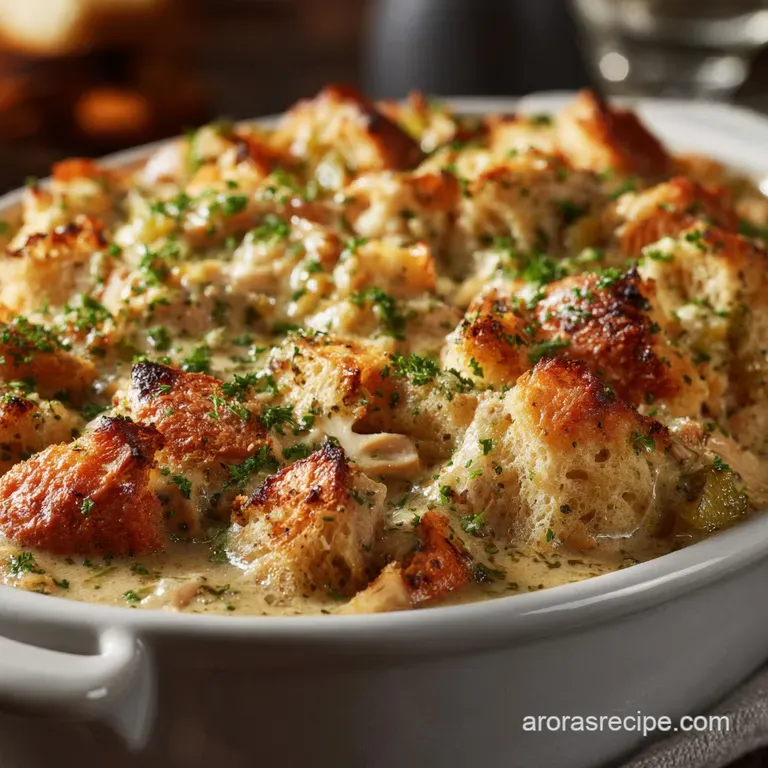
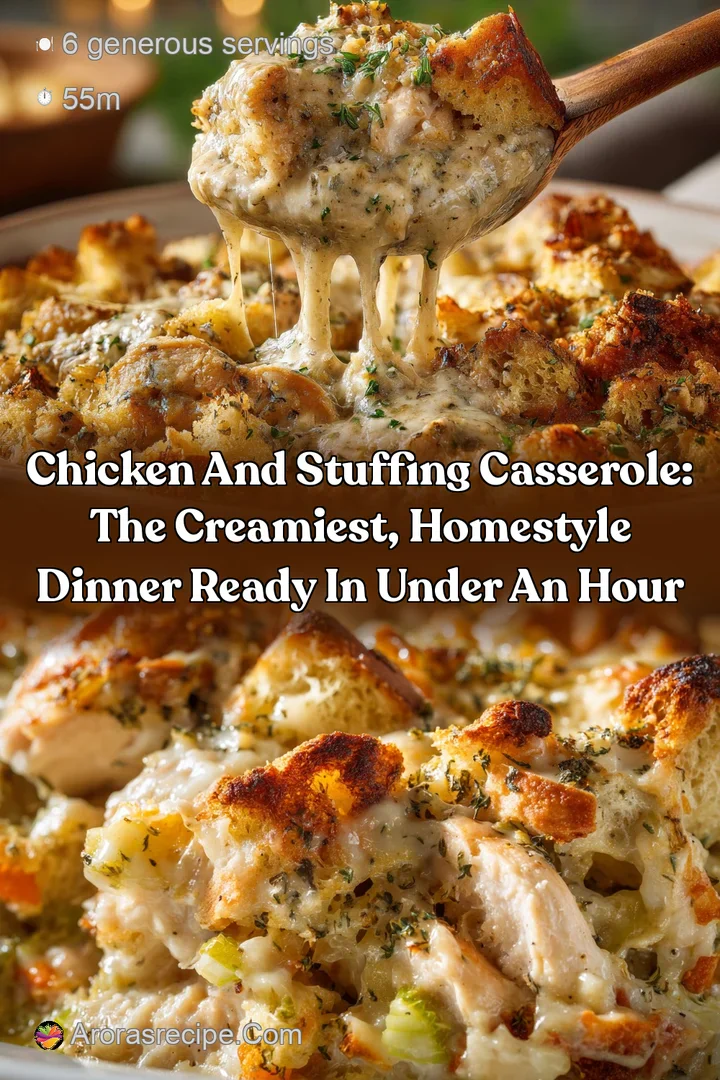
The bubbling, rich cream filling peeking out beneath a perfectly golden, crunchy crust signals dinner perfection.
This casserole is the ultimate weeknight cheat, taking that familiar roast dinner flavour and compressing it into less than an hour of total time. If you have leftover rotisserie chicken, you’re basically halfway done, making this a shockingly cheap and fast way to feed a crowd.
It’s practical, easy on the wallet, and guaranteed to earn rave reviews from your family.
I’ve made this creamy bake dozens of times, tweaking the recipe until it was absolutely flawless and totally ditching the canned soup shortcut. Ready to learn the secrets to nailing the crispiest topping and the most velvety filling imaginable? Trust me, this version is a massive upgrade if you want to see the simpler version, check out my Chicken Stuffing Casserole: Easy, Creamy Weeknight Winner sometime.
Deconstructing Comfort: The Flavor and Texture Science of This Casserole
The Anatomy of a Perfect Sunday Dinner Cheat
The brilliance of this dish lies in its layers. We are essentially building a highly flavourful pot pie filling, but substituting the pastry crust with a thick, herby stuffing topping. It provides maximum savouriness and wonderful texture without the headache of rolling dough. It’s genius, really.
Why the Homemade Sauce Elevates This Dish (Say Goodbye to Tinned Soup)
Look, I get it, canned cream of chicken soup is fast, but it’s often too salty and too gloopy for my liking. By quickly whipping up a roux based béchamel, you gain total control over the seasoning and the ultimate creaminess.
The sauce should be rich, velvety, and thick enough to coat the chicken without running all over the place.
Chef's Note: Using a quality chicken stock in your sauce, rather than just milk, adds incredible depth, which is the secret weapon for making this taste like proper Sunday gravy.
Time Commitment: How Long Does This Casserole Take?
We’re aiming for efficiency here. Because we rely on pre-cooked chicken (rotisserie is my go-to!), the active prep time is only about 20 minutes. It takes about 35 minutes to bake until bubbling, so you can have this ultimate comfort meal on the table in under an hour.
It’s perfect for those busy Tuesday evenings when you crave maximum comfort food.
The Crucial Contrast: Creamy Filling Meets Crispy Crust
This is the key textural component. The filling must be deeply creamy, soft, and moist, ensuring the cooked chicken stays succulent. Meanwhile, the stuffing topping needs to be aggressively crunchy and golden brown.
We achieve this contrast by using melted butter in the stuffing mixture and baking it at a slightly high heat, which guarantees textural complexity in every bite.
Mastering the Velvety Sauce Consistency
The biggest mistake people make with cream sauce is not cooking the flour enough, resulting in a grainy texture. You must cook the butter and flour (the roux) gently for a solid minute, stirring constantly, until it smells slightly nutty.
Using warm milk is also essential; adding cold liquid shocks the roux and makes lumps much more likely to form.
The Role of Sage and Onion in Maximum Savoury Depth
The traditional sage and onion combination is non-negotiable here. That deeply savoury, slightly earthy flavour profile is what instantly transports this dish into classic comfort territory. If you’re feeling ambitious, you could try using a blend similar to my Homemade Stuffing: Classic Sage Onion with a Crispy Crust recipe for the topping, but a good quality boxed mix works perfectly well for speed.
Essential Components for Your Hearty Chicken and Stuffing Casserole
| Ingredient | Role | Substitute |
|---|---|---|
| Cooked Chicken | Bulk, Protein | Cooked turkey, pre-cooked smoked ham (adjust seasoning). |
| Unsalted Butter | Roux base, Flavor | Olive oil (for sautéing), clarified butter (ghee) for the sauce. |
| Celery & Onion | Aromatics | Diced parsnip or leeks. |
| All-Purpose Flour | Thickener (Roux) | Cornstarch/cornflour (use half the amount) or a GF flour blend. |
| Whole Milk | Creaminess | Half and half (for ultra richness) or full fat oat milk. |
| Stuffing Mix | Crust | Crumbled dried cornbread mixed with poultry seasoning. |
Substitutions and Swaps for the Casserole Base
Choosing the Best Cooked Chicken Base (Rotisserie vs. Home Cooked)
Rotisserie chicken is absolutely your friend here. It’s already seasoned perfectly and is incredibly moist, which means less work for you. If you cook your own chicken, poach it gently in chicken stock beforehand.
Do not use raw chicken in this recipe, as it won't cook evenly and will release too much moisture, potentially resulting in a watery filling.
Elevating the Stuffing Crust: Sage, Onion, and Butter Ratios
We use a bit more melted butter than the box instructions usually call for, and this is intentional. The extra butter creates a richer flavour and a better structure for the topping, preventing it from drying out into powdery crumbs.
Mixing the stuffing lightly with hot stock and butter creates the necessary moisture to bind the crust perfectly.
Preparing Your Sautéed Vegetable Base
Don’t rush the aromatics. Cooking the celery and onion until translucent, about 5 to 7 minutes, coaxes out their natural sweetness and softens their texture. This is a crucial foundation for the rest of the flavour.
Adding a pinch of thyme and garlic powder here enhances that savory depth significantly.
Dairy Alternatives for the Rich Cream Sauce
If you need a non-dairy option, using full fat oat milk or cashew milk works surprisingly well in the roux, though the flavour profile will be slightly sweeter. For the heavy cream, coconut cream (the thick top layer from a can) can mimic the richness, but be aware of the slight coconut undertone.
Tips for Making This Dish gluten-free
This casserole adapts beautifully to GF needs! Simply substitute the all-purpose flour in the roux with cornstarch or a good 1:1 gluten-free flour blend. Crucially, make sure you source a certified gluten-free stuffing mix for the topping. The texture might be slightly different, but the flavour will still be spot-on.
The Method: Constructing Your Creamy Chicken Casserole Layer by Layer
Step 1: Building the Rich Roux and Cream Sauce Base
First, get your oven preheated to 375°F (190°C) and grease that 9x13 dish. Next, melt 4 tbsp of butter gently in a medium saucepan. Whisk in the flour and cook, stirring constantly, until it forms a pale blonde paste about one minute.
Now, gradually whisk in the warmed milk and then the chicken stock until the sauce is smooth and starts to thicken.
Step 2: Folding in the Cooked Chicken and Vegetables
Once the sauce coats the back of a spoon, turn the heat right down. Stir in the heavy cream and Dijon mustard for a little zing. Combine this velvety sauce with your sautéed onions, celery, and shredded cooked chicken in a large skillet.
Stir everything gently until the chicken is completely coated, then transfer the mixture into your prepared casserole dish.
Step 3: Preparing and Crumbing the Sage Stuffing Topping
In a bowl, mix your dry stuffing blend with the hot chicken stock and the 4 tbsp of melted butter. Mix it just enough to moisten the crumbs; we are not making a solid mass here. You want that beautiful crumble texture.
Spoon this buttery, herb laden stuffing evenly over the creamy chicken filling, ensuring you cover the dish completely.
Step 4: Achieving Golden Perfection in the Oven
Bake the casserole for 30 to 35 minutes. You are looking for a deep golden brown colour on the stuffing and vigorous bubbling around the edges of the filling. This ensures the center is piping hot and fully heated through.
Casserole Mastery: Chef's Tips for Success and Avoiding Common Mistakes
Preventing a Soggy Stuffing Topping
The number one complaint is a soggy top! The fix is two-fold: First, ensure the filling is not soupy before adding the crust (if it is, simmer the sauce longer to thicken it). Second, don’t cover the dish while baking.
If your topping is brown but the center isn’t hot yet, lightly tent it with foil and continue baking.
Ensuring the Filling is Perfectly Hot All the Way Through
Because we are using pre-cooked ingredients, we are essentially reheating and crisping. The filling must reach at least 165°F (74°C) in the centre. The easiest way to check is with a meat thermometer, but if it is bubbling vigorously in the middle, you’re usually safe. My biggest fail?
Serving a casserole once where the edges were hot but the middle was barely warm don't rush it!
The Importance of the Resting Period After Baking
I know you want to dive in immediately, but please, let the casserole rest for 5 to 10 minutes after removing it from the oven. This brief rest allows the sauce to settle and firm up slightly.
If you skip this, the sauce will run everywhere the minute you serve it, and you lose that creamy texture.
Planning Ahead: Storage, Freezing, and Reheating Your Casserole
Can I Assemble the Casserole 24 Hours in Advance?
Yes, absolutely! This is fantastic for meal prep. Assemble the filling and spread it in the casserole dish. Prepare the stuffing mixture separately (buttered and moistened). Store the filling (covered) and the stuffing (in an airtight container) in the fridge.
Do not combine them until right before baking, or the stuffing will absorb moisture and become soggy. Add 10 minutes to the bake time if starting cold.
Best Practices for Freezing the Baked Casserole
This dish freezes beautifully. Bake it completely, let it cool entirely, and then wrap the dish tightly in plastic wrap, followed by a layer of foil. It keeps well for up to three months. Thaw it overnight in the fridge before reheating.
Reheating Leftovers Without Drying Out the Chicken
When reheating individual portions, the microwave is easiest. If reheating the whole casserole, cover the dish tightly with foil and bake at 325°F (160°C) until hot. The foil traps the steam, preventing the chicken and the sauce from drying out.
You can remove the foil for the last five minutes to re-crisp the stuffing.
The Perfect Accompaniments: What to Serve Alongside This Hearty Dish
Since the Chicken and Stuffing Casserole is incredibly rich and hearty, you need simple, vibrant sides to cut through that creamy texture.
- Bright Green Beans: Steamed green beans tossed with lemon zest and flaky sea salt provide a perfect, crunchy, acidic contrast.
- Glazed Carrots: Carrots glazed lightly with butter and a touch of maple syrup are a classic pairing and add beautiful colour.
- Simple Side Salad: A sharp, vinegary green salad with robust leaves like arugula is fantastic for cleansing the palate.
Recipe FAQs
Why is my stuffing topping hard and dry instead of golden and crunchy?
A stuffing topping that is too dry usually indicates insufficient moisture before baking, or the oven temperature was too high. Ensure you combine the stuffing mix with the recommended amount of liquid (usually broth or water) and melted butter so it is moist, but not soggy, before spreading it over the casserole.
If it starts to brown too quickly, loosely tent the casserole with aluminum foil for the last 10 minutes of cooking.
Can I assemble this casserole ahead of time, and if so, how should I store it?
Yes, you can assemble the chicken and cream sauce base up to 24 hours in advance and store it tightly covered in the refrigerator. However, do not add the stuffing topping until just before baking, as the stuffing will absorb moisture from the sauce and become soggy.
Add the dry topping just prior to placing the dish in the oven to ensure maximum crispness.
My cream sauce seems too thin after baking. How can I ensure a thicker, velvety texture next time?
A thin sauce often means the roux base (butter and flour mixture) needed more time to cook or was insufficiently thickened. Ensure you cook the flour and butter mixture for at least two minutes before adding the liquid to activate the thickening power of the flour.
Alternatively, for a quick fix, stir one teaspoon of cornstarch mixed with a splash of cold water into the sauce base before assembly.
I don't have leftover chicken. Can I use raw chicken breast in this recipe?
This recipe works best with pre-cooked chicken, as the casserole bake time is calibrated for heating and browning, not cooking raw meat. If you must use raw chicken, cut it into small cubes (about half an inch) and lightly sauté it until almost cooked through before adding it to the cream sauce.
This ensures the chicken is cooked safely before the stuffing begins to burn.
Can I freeze the Chicken and Stuffing Casserole?
While the creamy chicken base freezes well, the integrity of the stuffing topping will be compromised by freezing and thawing. It is best to freeze the casserole base (chicken and sauce) separately for up to three months.
When ready to bake, thaw the base completely in the refrigerator, then prepare a fresh batch of stuffing and apply it just before baking.
I need to make this vegetarian. What is a good substitute for the chicken?
For a hearty vegetarian version, substitute the chicken with two cans of drained and rinsed cannellini beans or one pound of sautéed portobello mushrooms. You can also use a mixture of roasted winter vegetables like butternut squash and parsnips, ensuring they are coated thoroughly in the sage cream sauce.
Remember to use vegetable broth instead of chicken broth for the sauce base.
How can I elevate the flavour of the basic boxed stuffing mix?
To enhance a boxed stuffing mix, toast the bread cubes slightly in the oven before preparing them, which deepens the flavour and prevents them from getting gummy. Instead of using plain water or broth for moisture, sauté a quarter cup of chopped onions and celery in butter and use that flavoured liquid, adding a tablespoon of fresh chopped sage and parsley to the mix.
Creamy Chicken And Stuffing Casserole
Ingredients:
Instructions:
Nutrition Facts:
| Calories | 1087 kcal |
|---|---|
| Protein | 87.5 g |
| Fat | 58.4 g |
| Carbs | 46.1 g |
