Super Creamy Cauliflower Soup with Roasted Garlic

- Time: Active 15 minutes, Passive 45 minutes, Total 1 hour
- Flavor/Texture Hook: Velvety smooth with a nutty, caramelized finish
- Perfect for: Cozy weeknight dinners or elegant starter courses
- Making Super Creamy Cauliflower Soup with Roasted Garlic Perfectly
- The Science of Why it Works
- Essential Timing and Nutrition for This Homemade Meal
- High Quality Ingredients and Smart Pantry Swaps
- Minimalist Tools for a Seamless Cooking Experience
- Master the Process for a Velvety Smooth Texture
- Fixing Common Texture Issues and Flavor Mistakes
- Bold Flavor Variations for Your Dinner Table
- Professional Storage and Zero Waste Scraps Management
- The Best Accompaniments for This Savory Soup
- High in Sodium
- Recipe FAQs
- 📝 Recipe Card
Making Super Creamy Cauliflower Soup with Roasted Garlic Perfectly
If you've ever thought cauliflower was a bit bland or boring, I'm right there with you. For years, I only ever had it steamed into a mushy pile of nothingness, but everything changed when I started roasting it.
This article shares a recipe for Super Creamy Cauliflower Soup with Roasted Garlic, a comforting dish you'll want to make again and again. It’s the kind of meal that feels like a warm hug on a rainy Nashville afternoon, and honestly, the smell of that garlic roasting in your oven is better than any candle you could buy.
I used to make the mistake of boiling the veggies in broth, thinking it would save time, but the flavor was always flat. By roasting the cauliflower and an entire head of garlic first, you unlock a sweetness that just doesn't happen in a pot of water.
Trust me on this, that extra time in the oven is where the magic happens. We’re going for a texture so silky it feels like heavy cream, even though the vegetable to dairy ratio is actually quite lean.
Right then, let's talk about why this actually works. We aren't just making soup; we’re performing a bit of kitchen chemistry that turns sharp, pungent garlic into "white gold" and cruciferous greens into a buttery base.
You don't need fancy culinary school skills to get this right, just a little patience and a hot oven.
The Science of Why it Works
The secret to the depth of this soup lies in two specific chemical transformations that happen simultaneously in your oven.
- Maillard Reaction: High heat causes the amino acids and reducing sugars in the cauliflower to brown, creating hundreds of new flavor compounds that taste nutty and savory rather than just "cabbage y."
- Allicin Transformation: Roasting the garlic whole in its skin prevents the harsh, sulfurous allicin from dominating, instead allowing the starches to break down into sweet, spreadable sugars.
- Starch Gelatinization: As the cauliflower cells break down during the roast, they become more susceptible to being pulverized into a stable emulsion, resulting in a naturally thicker texture without needing flour.
The method you choose for cooking your vegetables fundamentally changes the moisture content and the final "mouthfeel" of the soup. While boiling is faster, roasting provides a concentrated flavor that can't be beaten.
| Method | Time | Texture | Best For |
|---|---|---|---|
| Roasting | 40 minutes | Concentrated, nutty, and buttery | Maximum depth and silky finish |
| Steaming | 15 minutes | Light, clean, and vegetal | A quick, low calorie lunch |
| Sautéing | 20 minutes | Sharp and savory | When you want a chunky, rustic texture |
Choosing to roast your ingredients allows the natural sugars to caramelize, which provides a natural sweetness that balances the earthy tones of the vegetable broth. If you are in a rush, you can steam the cauliflower, but you will miss out on that specific charred aroma that makes this recipe stand out.
Essential Timing and Nutrition for This Homemade Meal
When I first started blogging about these recipes, I realized people want to know exactly what they're getting into before they preheat the oven. This soup yields 5 servings, making it perfect for a family dinner or a week's worth of meal prep.
The prep is a breeze just 15 minutes to chop and prep while the oven does the heavy lifting for 45 minutes.
Chef Tip: Don't toss the cauliflower leaves! If they're fresh and green, toss them in a little oil and salt and roast them on a separate tray for 10 minutes. They turn into crispy, salty "chips" that make an incredible garnish.
Component Analysis
| Ingredient | Science Role | Pro Secret |
|---|---|---|
| Cauliflower | Bulk & Fiber | Cut into small, uniform florets to maximize surface area for browning. |
| Whole Garlic | Flavor Base | Leave the skin on while roasting to steam the cloves into a soft paste. |
| Heavy Cream | Emulsifier | Add at the very end to prevent the fats from breaking or curdling under high heat. |
The heavy cream acts as the final smoothing agent, but the real body comes from the fiber in the cauliflower. If you want a deeper color, you can let the cauliflower stay in the oven until the edges are almost black that "burnt" flavor adds a smoky note that is absolutely incredible.
high-quality Ingredients and Smart Pantry Swaps
For this recipe, you'll need 1 large head of cauliflower (approx. 900g), cut into small florets, and 1 whole head of garlic with the top 1/4 inch sliced off. You'll also need 3 tbsp extra virgin olive oil, 1 tsp sea salt, and 1/2 tsp cracked black pepper for the roasting stage.
For the soup base, grab 1 large yellow onion, 2 stalks of celery, 2 tbsp unsalted butter, 1 tsp dried thyme, 4 cups vegetable broth, 1/2 cup heavy cream, and 1 tsp fresh lemon juice.
| Original Ingredient | Substitute | Why It Works |
|---|---|---|
| Heavy Cream (1/2 cup) | Coconut Milk (full fat) | Similar fat content. Note: Adds a slight tropical note best with a pinch of curry powder. |
| Unsalted Butter | Avocado Oil | Maintains a high smoke point while keeping the dish dairy-free. |
| Vegetable Broth | Chicken Bone Broth | Adds more protein and a richer, savory "meaty" undertone. |
If you're looking for a completely vegan version, you might enjoy the techniques found in this dairy-free Gluten recipe, which uses similar vegetable based thickening methods. Substituting the cream for a high-quality cashew cream also works wonders if you want to keep that Nashville style richness without the dairy.
Minimalist Tools for a Seamless Cooking Experience
I’m a firm believer that you don't need a kitchen full of gadgets to cook like a pro. For this soup, you really only need two main pieces of equipment: a large rimmed baking sheet and a high speed blender or immersion blender.
The baking sheet is essential for the roasting phase; make sure it's large enough so the cauliflower isn't crowded, or it will steam instead of brown.
2 Must Have Tools
- The Immersion Blender: This is a lifesaver. You can blend the soup right in the pot, which means fewer dishes and less risk of splashing hot liquid everywhere.
- A Heavy Bottomed Pot: I love using a Dutch oven for this. It holds heat beautifully and ensures the onions and celery sauté evenly without scorching.
Master the Process for a Velvety Smooth Texture
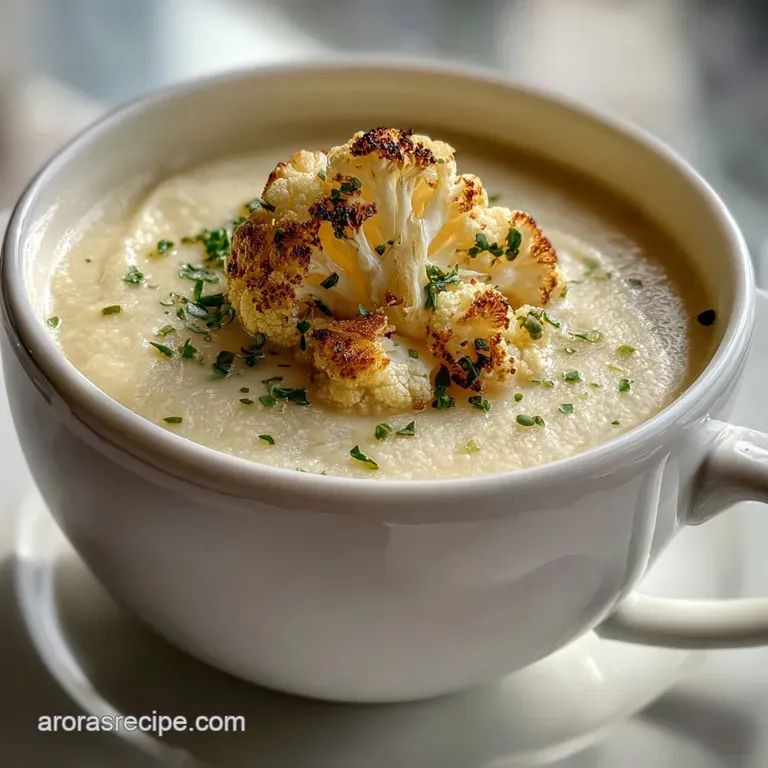
- Preheat your oven to 400°F (200°C).
- Toss the 900g of cauliflower florets with olive oil, salt, and pepper on the baking sheet. Note: This ensures every bit is seasoned and ready to brown.
- Wrap the head of garlic in foil with a drizzle of oil and place it on the sheet with the cauliflower.
- Roast for 30 to 35 minutes until the cauliflower is tender and charred on the edges.
- Sauté the diced yellow onion and sliced celery in 2 tbsp butter in your pot over medium heat.
- Stir in the dried thyme and cook for 1 minute until the herbs are fragrant.
- Add the roasted cauliflower to the pot and squeeze the soft garlic cloves out of their skins into the mix.
- Pour in the 4 cups of vegetable broth and simmer for 10 minutes until the flavors are fully merged.
- Blend the soup until it's completely smooth and velvety.
- Stir in the heavy cream and lemon juice just before serving.
Chef Tip: To get that professional "shatter" on top, fry up some sage leaves in a little butter for 30 seconds and use them as a garnish. They add a woody aroma that complements the roasted garlic perfectly.
Fixing Common Texture Issues and Flavor Mistakes
One of the biggest issues I see with vegetable soups is a lack of balance. If your soup tastes a bit flat, it’s usually because it needs a "bright" element. That’s why the lemon juice at the end is non negotiable it cuts through the richness of the cream and the roasted garlic.
Why Your Soup Might Be Grainy
If your soup isn't perfectly smooth, it usually comes down to the blending process. Cauliflower has a lot of fiber, and if you use a standard blender, you need to let it run for at least 60 to 90 seconds. If you use an immersion blender, move it slowly in a circular motion to catch every single floret.
| Problem | Root Cause | Solution |
|---|---|---|
| Bitter Taste | Garlic was burnt or scorched | Roast garlic wrapped tightly in foil to protect it from direct heat. |
| Thin/Watery | Too much broth added initially | Start with 3 cups of broth, blend, then add more until desired thickness is reached. |
| Bland Flavor | Lack of salt or acidity | Add an extra pinch of sea salt and a second teaspoon of lemon juice. |
Common Mistakes Checklist
- ✓ Never boil the garlic always roast it whole to keep the sugars sweet and mellow.
- ✓ Pat the cauliflower dry before oiling it; moisture on the surface prevents the Maillard reaction.
- ✓ Don't skip the celery; it provides a necessary aromatic base that rounds out the earthy cauliflower.
- ✓ Allow the soup to cool slightly before blending in a traditional blender to avoid a "steam explosion."
- ✓ Wait until the very end to add the cream to maintain a fresh, bright dairy flavor.
Bold Flavor Variations for Your Dinner Table
I love a recipe that you can tweak depending on what’s in the pantry. If you want something with a bit of a kick, try adding a teaspoon of smoked paprika or a pinch of red pepper flakes during the sautéing stage. The smokiness of the paprika pairs beautifully with the charred cauliflower.
For a more rustic, Southern feel, you can stir in some shredded sharp cheddar cheese right after blending. It turns the soup into something reminiscent of a loaded baked potato but much lighter.
If you're serving this for a special occasion, a drizzle of truffle oil or a sprinkle of toasted pine nuts can really make it feel premium.
Professional Storage and Zero Waste Scraps Management
This soup stores incredibly well, which is why it's a staple in my house for meal prep. Keep it in an airtight container in the fridge for up to 4 days. When reheating, do it over low heat on the stove. If you use a microwave, the cream might separate slightly, so give it a good whisk after heating.
- Freezing: This soup freezes beautifully for up to 3 months. However, if you know you’re going to freeze it, I recommend leaving the heavy cream out. Add the cream fresh when you thaw and reheat the soup for the best texture.
- Zero Waste: Don't throw away those cauliflower stalks! Peel the tough outer skin off the thick stem, dice the inside, and roast it right along with the florets. It has the same flavor and helps reduce kitchen waste.
- Leftover Hack: If you have a small amount of soup left, use it as a sauce for pasta the next day. It makes a killer "white sauce" when tossed with some penne and parmesan.
The Best Accompaniments for This Savory Soup
While this soup is plenty filling on its own, it’s even better when paired with the right sides. A thick slice of sourdough bread toasted with garlic butter is my go to. You want something crunchy to contrast with the velvety soup.
If you're looking for a fuller meal, this soup serves as a fantastic starter for a hearty Chicken and Sausage Stew recipe. The lightness of the cauliflower balances the rich, spiced chorizo in the stew perfectly. Alternatively, a simple arugula salad with a balsamic vinaigrette provides a peppery bite that cleanses the palate between spoonfuls of the creamy soup.
I've made plenty of mistakes in the kitchen, from burning my garlic to making soups that were more like water than silk. But that's the beauty of home cooking you learn what works through trial and error. This specific method of roasting before simmering is the "trick" that changed my soup game forever.
Give it a shot, and I promise you'll never look at a head of cauliflower the same way again. Happy cooking, y'all!

High in Sodium
860 mg 860mg of sodium per serving (37% 37% of daily value)
The American Heart Association recommends limiting sodium intake to about 2,300mg per day for optimal health.
Tips to Reduce Sodium in Your Cauliflower Soup
-
Low-Sodium Broth-30%
Swap regular vegetable broth for a low-sodium or no-salt added version. This can significantly cut down on the total sodium content of the soup.
-
Reduce Sea Salt-25%
Reduce the amount of sea salt used. Start by using 1/2 tsp instead of 1 tsp and adjust to taste after the soup is finished cooking.
-
Sauté Without Salt-10%
Omit salt when sautéing the onions and celery. Taste the soup once it's nearly done and only add salt if absolutely necessary.
-
Acid Boost-5%
Increase the amount of fresh lemon juice to enhance the flavor and naturally reduce the need for salt. Try 1.5 tsp instead of 1 tsp.
-
Spice it Up!
Experiment with other herbs and spices like garlic powder, onion powder, smoked paprika, or red pepper flakes to enhance the flavor without adding sodium. Fresh herbs are also great!
Recipe FAQs
Can I use frozen cauliflower for this soup?
No, stick with fresh for the best texture. Frozen cauliflower releases more water when cooked, which can dilute the flavor and make the soup less creamy.
How do I get the soup extra creamy without adding a lot of dairy?
Roast the cauliflower and garlic until deeply caramelized. This intensifies their natural sweetness and breaks down their structure, allowing them to blend into a thick, luxurious base. If you enjoyed mastering texture control here, see how the same principle of ingredient transformation for richness applies in our Chicken Gnocchi Soup: The Best Easy Homemade Recipe.
Why is my soup tasting bland?
Roasting is key for deep flavor. Boiling cauliflower won't develop the caramelized notes that make this soup rich. Also, ensure your garlic is roasted until soft and spreadable, not burnt.
Can I make this soup dairy-free or vegan?
Yes, substitute heavy cream with full fat coconut milk or cashew cream. For a vegan option, ensure you use vegetable broth and a plant based butter or oil for sautéing. This mirrors the methods in our dairy-free gluten-free Broccoli Cheddar Soup.
How long can I store leftovers?
Store in an airtight container in the refrigerator for up to 4 days. Reheat gently on the stovetop to maintain the best creamy texture; microwaving can sometimes cause the cream to separate slightly.
Is it necessary to roast the garlic whole?
Yes, roasting the garlic whole in its skin mellows its harshness and sweetens it significantly. This transforms it into a creamy, spreadable paste that blends seamlessly into the soup, unlike raw garlic which can be overpowering.
Can I add other vegetables to this soup?
Absolutely! Root vegetables roast beautifully alongside the cauliflower and garlic. Consider adding carrots, parsnips, or sweet potatoes for extra depth and sweetness. If you're looking for more ideas on roasting, check out our guide on and Root Vegetables.
Creamy Roasted Garlic Cauliflower Soup

Ingredients:
Instructions:
Nutrition Facts:
| Calories | 275 kcal |
|---|---|
| Protein | 5.1 g |
| Fat | 21.5 g |
| Carbs | 17.8 g |
| Fiber | 4.6 g |
| Sugar | 6.2 g |
| Sodium | 860 mg |
