Roasted Sweet Potatoes: Ultimate Crispy Technique
- Discovering the Best Crispy Sweet Potatoes
- The Science of Perfect Caramelization and Crispness
- Essential Ingredients for Ultimate Flavor & Texture
- Mastering the Technique: How to Roast Sweet Potatoes Flawlessly
- Pro Tips for Troubleshooting and Golden Results
- Preparation and Storage: Keeping Your Sweet Potatoes Fresh
- Creative Ways to Serve Your Golden Roasted Cubes
- Recipe FAQs
- 📝 Recipe Card
Discovering the Best Crispy Sweet Potatoes
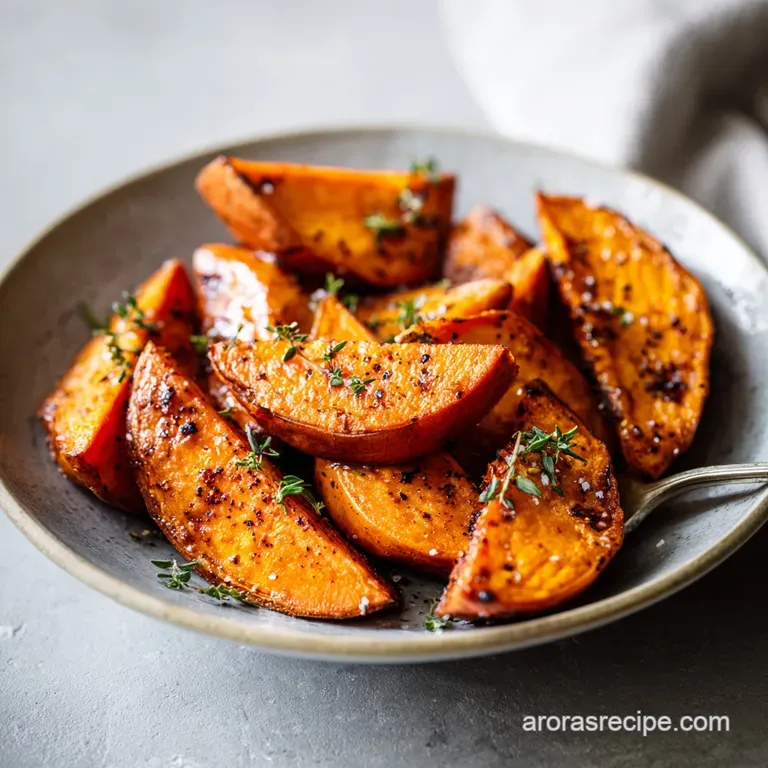
If you could bottle the smell of caramelizing sugar and rich earthiness, that’s exactly what hits you when you pull a sheet pan of perfect Roasted Sweet Potatoes out of the oven. Forget the sad, mushy cafeteria cubes you might remember.
We are talking about glorious, crackly edges that yield to a fluffy, almost creamy interior. This isn't just a side dish; this is the main event, and it is absolutely essential to master.
Honestly, this recipe has saved my weeknight dinners countless times. They are shockingly fast, incredibly cheap, and require minimal hands-on time exactly what you need when you walk in the door at 6 PM feeling defeated by the world.
They turn any simple protein into a satisfying, complete meal, and you’d be hard pressed to find a pickier eater who doesn't love these golden nuggets.
Today, we are ditching the guesswork and the over low heat methods that lead to failure. We’re going high and hot, focusing on the simple, repeatable science that ensures your Roasted Sweet Potatoes are crispy every single time. Let’s crack on and elevate your potato game forever.
The Science of Perfect Caramelization and Crispness
The secret to perfectly crispy Roasted Sweet Potatoes lies entirely in controlling moisture and maximizing surface contact with heat. This isn't magic; it’s just paying attention to a few tiny details most people overlook.
What Makes Sweet Potatoes an Essential Side Dish?
Sweet potatoes are dense, fibrous, and packed with natural sugars, which makes them prime candidates for the Maillard reaction that incredible process where food turns brown and delicious. They offer a fantastic sweet savory balance that complements nearly any main course.
Plus, if you’re trying to ramp up your fibre and Vitamin A, these Healthy Roasted Sweet Potatoes are your best friends.
Choosing the Right Variety for Roasting
While you can roast any tuber, the common orange fleshed sweet potato (often labeled Beauregard or Jewel) holds its shape beautifully and caramelizes quickly. Avoid overly massive, older potatoes, as their texture can sometimes be stringy.
Look for firm, medium sized specimens for the best results when making Easy Roasted Sweet Potatoes .
| Variety | Best For Roasting | Notes |
|---|---|---|
| Orange (Beauregard) | Yes, excellent | High moisture, high sugar, caramelizes fast. |
| Japanese (White Flesh) | Yes, very dense | Less sweet, often creamier texture, requires a few extra minutes. |
| Purple Sweet Potatoes | Use caution | Denser, slightly starchier, results in a beautiful color contrast. |
Quick Overview of Equipment Needed
You don’t need a fancy setup here, just one non-negotiable item: a large, rimmed baking sheet. Using parchment paper is optional but highly recommended because scraping caramelized sweet potato off metal is a chore nobody enjoys.
Make sure your baking sheet is bright and shiny , not dark or heavily oxidized, as dark pans absorb too much heat and can burn the bottoms before the center cooks.
The Importance of High Heat and Oven Position
We are setting the oven to 425°F (220°C) and sticking to it. High heat instantly attacks the surface moisture of the potato cubes, drying them out and allowing the oil to crisp them up. If the oven is too cold, the potatoes will sit in their own steam and become soft and gray.
We want fierce heat, placed on the middle rack for optimal air circulation and even browning across all your Roasted Sweet Potatoes .
Why Even Spacing Prevents Steaming
This is the biggest mistake I see home cooks make. They cram a 4 pound bag of potatoes onto one tiny sheet. When the pieces touch, the evaporating moisture gets trapped, creating a mini steam bath the exact opposite of what we want.
Always spread your potatoes into a single layer with a little breathing room between them. If they are touching, you need a second tray. Air circulation around each cube is paramount for maximizing the crisp edges on your Crispy Roasted Sweet Potatoes .
Harnessing Starch and Natural Sugars
The natural starches and sugars in sweet potatoes are what we are exploiting. The high heat breaks down the starch into simple sugars, which then caramelize into that deep golden crust. To help this along, we use a touch of fat (olive oil) and minimal seasoning initially.
You can always add more salt, but you cannot un-burn the sugar, so watch the clock carefully during the final minutes of cooking these magnificent Roasted Sweet Potatoes .
Essential Ingredients for Ultimate Flavor & Texture
Making delicious Roasted Sweet Potatoes is straightforward, but the quality of your oil and salt really matters here. Don’t skimp.
| Ingredient | Role | Substitution (If You're in a Bind) |
|---|---|---|
| Sweet Potatoes (Orange) | Base, texture, sweetness | Japanese sweet potatoes (denser) or even butternut squash (longer cook time). |
| Extra Virgin Olive Oil | Crispness, flavor conduit | Avocado oil or coconut oil (higher smoke point, good if you plan to go over 425°F). |
| Kosher Salt | Essential flavor enhancer | Fine sea salt (use about 3/4 the quantity, as it’s denser). |
| Smoked Paprika | Color and deep savory background | Regular sweet paprika + a tiny dash of liquid smoke, or chili powder. |
| Garlic Powder | Subtle savory note | Onion powder works perfectly, or a small sprinkle of dried Italian herbs. |
Mastering the Technique: How to Roast Sweet Potatoes Flawlessly
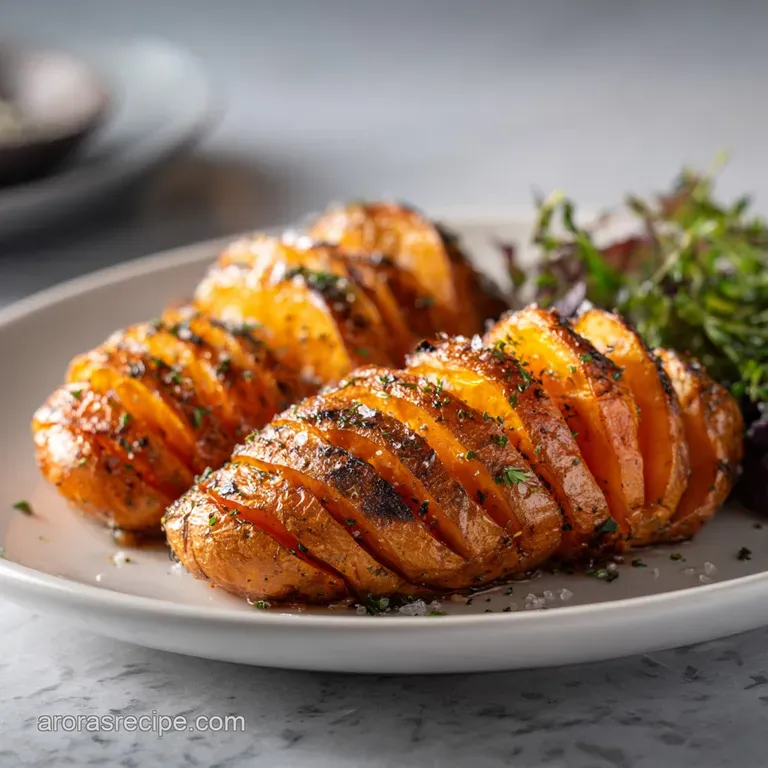
I remember the first time I made Roasted Sweet Potatoes —they were pale, mushy, and stuck so firmly to the tray that they were functionally inedible. It was tragic. I had committed all the cardinal sins: too low heat, too little oil, and terrible chopping.
Now that I’ve learned better, you get the benefit of my mistakes.
Detailed Breakdown of Our Signature Seasoning Blend
Our blend leans savory to balance the natural sweetness of the potato. The combination of smoked paprika and garlic powder is unbeatable. The paprika provides that stunning, deep orange red hue that screams "delicious" while the garlic powder adds baseline complexity.
Avoid fresh garlic here; it burns at high temperatures and will taste acrid long before your sweet potatoes are cooked through.
Oil Choices and Proper Coating Techniques
Olive oil is my go-to for flavor, but the key is using enough, but not too much. If you use too little, the potatoes stick and dry out. If you use too much, they’ll fry, not roast, and turn greasy. Three tablespoons for two pounds of cubed potatoes is the sweet spot. The most important step?
Dry the potatoes first, then oil them thoroughly, and finally, add the seasoning. The oil must adhere directly to the dry surface.
Adjusting Seasoning: Sweet vs. Savory Variations
For a sweet finish, skip the paprika and garlic. Instead, coat your cubes with olive oil, salt, cinnamon, and a pinch of nutmeg. Drizzle with a tablespoon of maple syrup in the last five minutes of baking.
If you’re making savory Roasted Sweet Potatoes —which I usually do you can increase the garlic powder slightly, or add a pinch of cayenne pepper for heat.
Preparation: Washing, Peeling, and Cutting Uniform Cubes
Washing is mandatory, even if you plan to peel them. If you leave the skin on, ensure you scrub away any dirt thoroughly. Now, for the cutting: Uniformity is non-negotiable. I repeat: one-inch cubes.
If one piece is half an inch and the next is an inch and a half, the small one will burn, and the large one will be raw. Slow down and measure with your eye, or even a ruler if you’re feeling neurotic.
step-by-step Preheating and Tray Setup
Preheat the oven to a screaming hot 425°F (220°C). Don't cheat the preheat time; the oven needs to be fully saturated with heat. Line your rimmed baking sheet with parchment paper. Once you've tossed the cubes with oil and seasoning, arrange them carefully on the sheet. Give them room!
You want maximum air circulation to ensure your Roasted Sweet Potatoes in Oven are perfectly crispy. The success of truly perfect Roasted Sweet Potatoes hinges on the heat, so always trust your oven thermometer over the dial. (K20)
Mid-Roast Tossing for Maximum Browning
After the initial 15 minutes, pull the tray out. You'll see the bottoms are already starting to brown and stick slightly to the parchment. Use a sturdy spatula to gently flip and redistribute the cubes. This ensures all surfaces get a chance to caramelize and become golden brown.
Do not skip this step! It’s vital for achieving the even coloring we want.
Chef's Note: If you hear sizzling when you toss them, that means the oil is hot and the moisture is evaporating. This is the sound of success. If you hear nothing, your oven might be struggling or you have too many potatoes on the tray.
Pro Tips for Troubleshooting and Golden Results
We’ve all had kitchen failures. Learning from them is how we get better. Making excellent Roasted Sweet Potatoes is about correcting course before disaster strikes.
Fixing Soggy or Pale Sweet Potatoes
If your potatoes are 20 minutes in and look pale or wet, you likely overcrowded the pan or your oven temperature dropped. Immediately spread them out onto a second sheet pan.
Increase the heat to 450°F (230°C) for the next 5- 8 minutes to force moisture evaporation. If they are already soft inside, there's not much you can do for crispness, but you can try to salvage the flavor by turning on the broiler for 60 seconds (watch them constantly!).
The Secret to Extra Crispy Edges
Want truly exceptional crunch? Toss the cubed potatoes in 1 tablespoon of cornstarch before adding the oil. The starch absorbs residual surface moisture and forms a super thin crust when heated, guaranteeing a crispy exterior.
This trick works wonders when preparing any type of Chopped Sweet Potato Recipes where maximum crunch is the goal.
Achieving Perfect Seasoning Adhesion
The seasoning must adhere to the oil, and the oil must adhere to the potato. This is why drying the raw cubes is so important. If you find your salt and spices falling off onto the parchment paper, you either skipped drying the potatoes or didn't use enough oil to coat them thoroughly.
Toss them aggressively until they look slightly sticky and uniform in color.
Safety First: Handling High Oven Temperatures
Since we are roasting at 425°F, please be mindful of the heat. Use long, thick oven mitts, especially when flipping the potatoes mid-roast. Hot oil splatters, and burnt sugar is extremely sticky and painful.
The deliciousness of these Easy Roasted Sweet Potatoes is not worth a third degree burn, friends!
Preparation and Storage: Keeping Your Sweet Potatoes Fresh
These sweet potatoes are always best eaten straight out of the oven, but life happens, and meal prep is crucial. These directions cover everything you need to know about storing and reheating your glorious Roasted Sweet Potatoes .
Meal Prepping Roasted Sweet Potato Cubes
If you are planning to use these for meal prep, roast them fully, let them cool completely on the baking sheet (don't cover them while hot, or they will steam themselves soft), and then transfer them to an airtight container. They keep beautifully in the fridge for up to 4 days. They make a wonderful addition to a packed lunch, especially paired with proteins like my famous Cooked Salmon: Perfect 400F Roasted Salmon in 25 Mins .
Reheating Methods for Maintaining Crispness
Never, ever microwave them. That just turns them into sad, damp little piles. The best way to revive that crispiness is by spreading them on a tray and heating them in a toaster oven or standard oven at 350°F (175°C) for about 5– 8 minutes.
An air fryer is also fantastic for reheating Roasted Sweet Potatoes Air Fryer style, giving them back their crunch in just 3- 5 minutes.
Can You Freeze Roasted Sweet Potatoes?
You bet, though they lose some structural integrity upon thawing. Once cooled, spread the roasted cubes on a tray and flash freeze them for an hour before transferring them to a freezer safe bag or container. This prevents them from sticking together. They last up to 3 months.
To use, reheat them directly from frozen using the oven method (they will take closer to 15 minutes). Freezing is a great method for storing large batches of these wonderful Sweet Potato Side Dishes .
Creative Ways to Serve Your Golden Roasted Cubes
These humble Roasted Sweet Potatoes are incredibly versatile, fitting in seamlessly with almost any flavor profile you throw at them. If you are just starting out with savory side dishes, mastering these Roasted Sweet Potatoes should be your top priority; they are reliable and universally loved.
(K21)
Classic Pairings and Hearty Meal Ideas
They are a classic stand-in for traditional potato fries or mash. I love serving them alongside a simple roast chicken or turkey, perhaps drizzled with some fresh sage butter. They pair wonderfully with acidic or salty flavors, like feta cheese or a balsamic glaze. If you prefer a richer side, you can also transform them easily into a casserole, though that’s a different recipe altogether like my comforting Sweet Potato Casserole: Velvety Filling Crunchy Pecan Topping .
Using Leftovers in Salads and Bowls
Leftover Roasted Sweet Potatoes are incredible cold, sliced into salads. They add bulk, sweetness, and tons of texture. Try them in a winter salad with mixed greens, dried cranberries, goat cheese, and a light vinaigrette.
They hold up beautifully and save you time on busy days when you need a quick component for lunch. This is one of the many Best Way To Roast Sweet Potatoes because the leftovers are just as useful as the primary meal.
Enhancing Flavor with Dipping Sauces and Toppings
Once they come out of the oven, you can truly go wild with toppings. A quick list of incredible additions:
- Fresh Herbs: Chopped parsley, chives, or rosemary.
- Cheese: Crumbled goat cheese or cotija.
- Acid: A quick squeeze of fresh lime or lemon juice brightens the flavor dramatically.
- Heat: A few shakes of your favorite hot sauce or chili flakes.
For a decadent finish, try tossing the finished Roasted Sweet Potatoes with some brown butter and sage right before serving. It’s an absolute game changer.
The deep color and caramelized crust you get with this method makes it the superior Roasted Sweet Potatoes Recipe available.
Making perfect Roasted Sweet Potatoes is a culinary superpower you should absolutely acquire. Remember: dry, uniform, and hot! Trust me, once you nail this simple technique, you’ll never buy pre-chopped or frozen sweet potatoes again. Enjoy every golden, glorious bite.

Recipe FAQs
How do I guarantee truly crispy edges on my roasted sweet potatoes?
Crispiness relies on three factors: high heat (425°F or higher), cutting the potatoes into uniform 1 inch pieces, and ensuring they are not crowded on the baking sheet. A thin coating of oil, coupled with adequate spacing, allows steam to escape quickly, promoting caramelization instead of steaming.
What is the difference between baking and roasting sweet potatoes?
Roasting typically uses higher temperatures (400°F+) applied to smaller, oiled pieces, emphasizing crisp edges and intense caramelization (the Maillard reaction). Baking usually refers to cooking a vegetable whole or in larger formats at a moderate temperature, which yields a softer, fluffier texture ideal for stuffing.
Can I roast sweet potatoes whole, and if so, how does the cooking time change?
Yes, whole roasting is excellent for achieving a baked potato texture, but it significantly increases the cooking time. Pierce the skin several times and roast at 400°F (200°C) for 45 to 60 minutes, or until the potato yields easily when squeezed, depending on its size.
This method creates a less caramelized exterior but a very creamy interior.
Why did my roasted sweet potatoes turn out mushy or sticky instead of firm?
Mushiness is almost always caused by overcrowding the pan, which traps moisture and causes the potatoes to steam instead of roast. Ensure you use two separate baking sheets if necessary, leaving at least half an inch of space between each piece.
Also, try to wait until the potatoes are mostly cooked before adding salt, as it can draw moisture out of the vegetable.
What are the best time and temperature settings for using an air fryer for this recipe?
The air fryer is perfect for quick, crispy results; set the temperature to 380°F (195°C) and use slightly less oil than the oven version. Cook the cubed potatoes for 15-20 minutes, ensuring you shake the basket vigorously halfway through to guarantee even browning and crispness on all sides.
How long can I store leftover roasted sweet potatoes, and can I freeze them?
Leftovers can be stored in an airtight container in the refrigerator for 3 to 4 days; they are best reheated in a hot oven or air fryer to regain some crispness. While you can freeze them, the texture often becomes slightly mushy or grainy upon thawing and is best used in blended soups or mashes rather than served as a side dish.
I want to adjust the flavor profile. What are some alternative seasoning variations?
Sweet potatoes are highly versatile; for savory notes, try a blend of chili powder, cumin, and a dash of cayenne pepper for heat. For a festive or sweeter profile, substitute the paprika with cinnamon, a pinch of nutmeg, and a light drizzle of maple syrup during the last 10 minutes of cooking.
Crispy Roasted Sweet Potatoes
Ingredients:
Instructions:
Nutrition Facts:
| Calories | 240 kcal |
|---|---|
| Fat | 9 g |
| Fiber | 5 g |
