Easter Appetizer Idea with Deviled Eggs
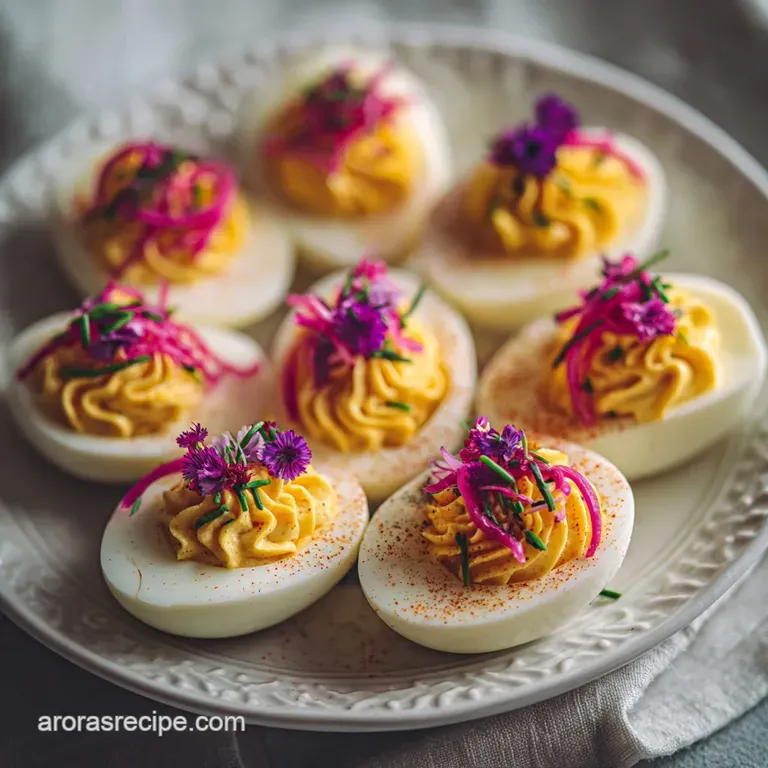
- Time: Active 15 minutes, Passive 12 minutes, Total 27 minutes
- Flavor/Texture Hook: Silky yolk custard with a smoky paprika finish and crisp radish bite
- Perfect for: Easter Sunday brunch, spring potlucks, or a Southern style appetizer spread
- Important Stats for Your Holiday Brunch Planning
- Choosing Quality Ingredients for the Creamiest Filling
- Tools You Need for a Mess Free Kitchen
- Simple Steps for a Crowning Brunch Centerpiece
- Solving Common Egg Cracking and Filling Woes
- Adjusting the Batch for Larger Holiday Crowds
- Debunking Old Wives Tales About Hard Boiling
- Keeping Your Eggs Fresh and Reducing Waste
- Perfect Side Dishes for Your Easter Spread
- Recipe FAQs
- 📝 Recipe Card
This Easter, elevate your appetizer game with a standout deviled egg recipe. I still remember my first holiday in Nashville, standing in my tiny kitchen with two dozen eggs and a look of pure defeat.
Half the shells had stuck to the whites, leaving me with what looked like craters on the moon rather than a polished holiday platter. It was a mess, and I nearly threw the whole batch over the fence, but that failure taught me everything I know now about the physics of a "perfect" egg.
The aroma of white vinegar and the sharp tang of Dijon mustard always take me back to my grandmother’s porch. We’ve all seen those rubbery, overcooked eggs with the unappealing gray green ring around the yolk, but we aren’t doing that today.
We’re aiming for a filling so smooth it feels like silk and a white that’s firm enough to hold its shape but soft enough to melt away.
Right then, let's get down to brass tacks. You don’t need fancy equipment or expensive truffle oils to make a dish people will talk about all through the church social. All you need is a little patience, a few pantry staples, and the secret to a shell that practically jumps off the egg.
Trust me on this, once you try steaming your eggs, you’ll never go back to the old boiling water and prayer method again.
The Chemistry of the Velvety Center
- Thermal Shock: Dropping cold eggs into hot steam causes the membrane to pull away from the shell instantly.
- Protein Denaturation: Steaming at a constant temperature prevents the proteins from tightening into a rubbery texture.
- Emulsification Stability: Mixing room temperature mayo with warm yolks creates a more stable, glossy emulsion that won't weep.
- Sulfur Prevention: A rapid 12 minute cook followed by an immediate ice bath stops the chemical reaction between iron and sulfur.
| Method | Cook Time | Texture | Shell Release |
|---|---|---|---|
| Traditional Boil | 10-14 mins | Variable, often rubbery | Hit or miss, often sticks |
| Steaming (Our Way) | 12 mins | Consistent, tender whites | Extremely easy, slips off |
| Pressure Cooker | 5 mins | Very firm, slightly tough | Reliable but can crack eggs |
Choosing the right method is the difference between a relaxing morning and a kitchen induced headache. I’ve found that steaming provides the most control over the final texture, especially when you’re fixin' to serve a crowd. It’s the smart way to handle delicate proteins without overdoing it.
If you are looking for more egg inspiration, you might enjoy my Quail Egg Dishes recipe which takes this same concept but shrinks it down for a bite sized Scotch egg. Both recipes rely on that perfect yolk consistency to really sing.
| Component | Science Role | Pro Secret |
|---|---|---|
| Large Eggs | Structural base and fat source | Use eggs that are about a week old for easier peeling |
| Pickle Juice | Acidulant for protein loosening | Adds a complex brine flavor that vinegar alone lacks |
| Dijon Mustard | Natural emulsifier and heat | Acts as a bridge between the fat and the acid |
Important Stats for Your Holiday Brunch Planning
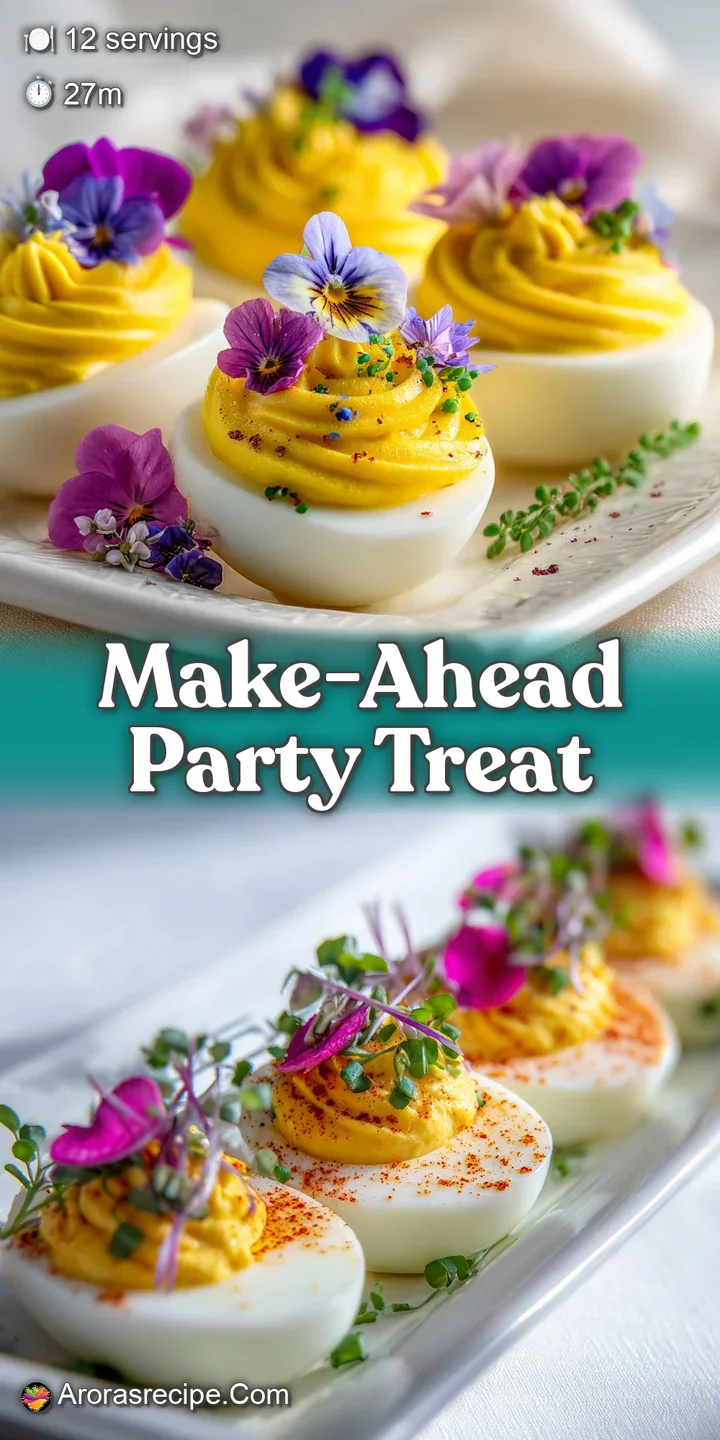
When you're hosting, the last thing you want is to run out of food or realize you've spent three hours on one tiny dish. These eggs are built for efficiency. With a total time of just 27 minutes, you can have these ready while the ham is resting.
Since one egg makes two servings, this recipe for 6 eggs gives you a dozen beautiful bites.
I usually estimate about two to three halves per person, though in my house, that number is a bit higher because my husband can’t keep his hands off them. If you’re doubling the recipe, just make sure your pot is wide enough that the eggs aren't piled on top of each other in three layers.
They need room for the steam to circulate.
For a larger spread, these pair beautifully with a Croissant Breakfast Sandwich recipe. The richness of the buttery croissant and the tang of the deviled eggs create a balanced breakfast that feels truly special.
Choosing Quality Ingredients for the Creamiest Filling
Success here starts in the grocery aisle. While I love a good bargain, there are a few places where quality really makes a difference. For instance, don't even bother with the low-fat mayonnaise. It has too much water and will make your filling runny enough to slide right off the egg white.
- 6 large Grade A eggs: Why this? The fat to protein ratio in Grade A eggs ensures a stable, creamy yolk.
- 1/4 cup high-quality mayonnaise: Why this? Provides the necessary fat for a velvety mouthfeel and rich flavor.
- 1 tsp Dijon mustard: Why this? Adds a sophisticated depth and helps emulsify the filling ingredients.
- 1 tsp sweet or dill pickle juice: Why this? Thins the filling slightly while adding a bright, acidic punch.
- 1/4 tsp smoked paprika: Why this? Introduces a subtle wood fired aroma that offsets the richness of the egg.
- 1/8 tsp kosher salt and cracked black pepper: For basic seasoning.
- 1 tbsp fresh chives: For a bright, oniony finish.
- 2 radishes: Provides a necessary textural contrast to the soft egg.
Tools You Need for a Mess Free Kitchen
You don't need a pantry full of gadgets, but a few specific items will make your life much easier. A steamer basket is my number one recommendation. It keeps the eggs out of the turbulent boiling water, which prevents them from knocking against each other and cracking prematurely.
I also swear by a simple piping bag or even just a gallon sized Ziploc bag with the corner snipped off. Trying to spoon the filling into the whites usually ends in a jagged, messy look. Piping them makes you look like a pro with about thirty seconds of extra effort. Plus, it’s just plain fun to do.
Chef's Note: If you don't have a steamer basket, you can use a metal colander that fits inside a large pot, just make sure the lid can still close tightly to trap that heat.
Simple Steps for a Crowning Brunch Centerpiece
- Boil the water. Fill a large pot with 2 quarts water and bring it to a rolling boil over high heat.
- Prepare the ice bath. While the water heats, combine 2 cups ice and cold water in a medium bowl and set it aside.
- Steam the eggs. Place the 6 eggs into a steamer basket and lower it into the pot. Cover and cook for 12 minutes exactly. Note: This time produces a fully set but creamy yolk.
- Shock the eggs. Immediately move the eggs into the ice bath for 10 minutes until they feel completely cold to the touch.
- Peel carefully. Gently crack the shells all over and peel under a thin stream of cool water. Note: The water helps the shell slide off.
- Slice and scoop. Cut the eggs in half lengthwise and gently pop the yolks into a medium mixing bowl.
- Create the base. Mash the yolks with a fork until they look like fine yellow sand.
- Mix the filling. Add 1/4 cup mayonnaise, 1 tsp Dijon, 1 tsp pickle juice, 1/4 tsp smoked paprika, salt, and pepper. Stir until the mixture is completely glossy.
- Pipe the yolks. Transfer the mixture to a bag and pipe it into the center of each egg white until it forms a generous mound.
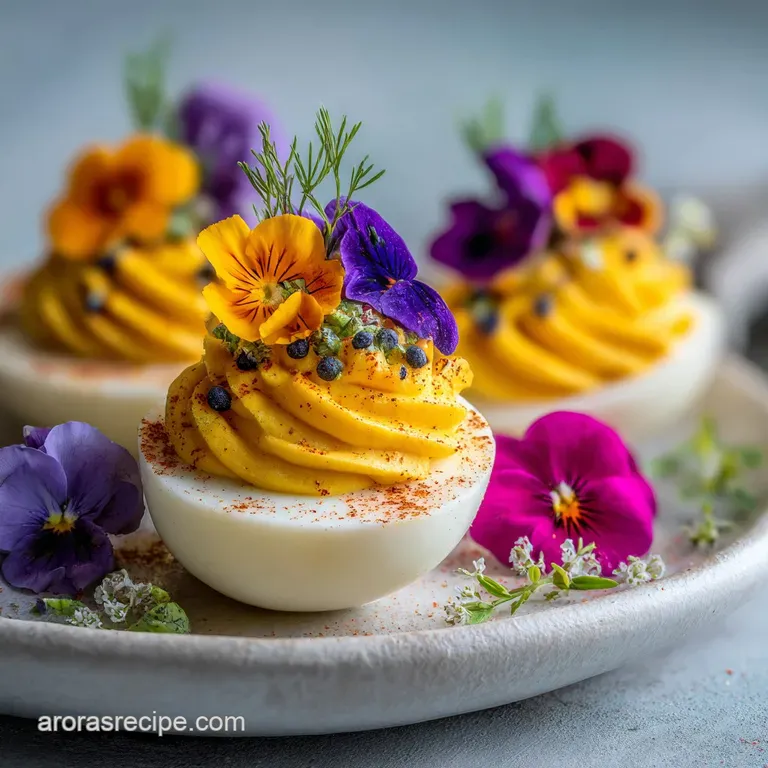
- Garnish and serve. Top with thinly sliced radishes, minced chives, and a tiny pinch of extra paprika.
Solving Common Egg Cracking and Filling Woes
Why Your Eggs Are Hard to Peel
This is the most common frustration. Usually, it's because the eggs were too fresh or they weren't shocked quickly enough. Fresh eggs have a lower pH, which makes the membrane stick tighter to the shell.
Fixing a Runny Filling
If you accidentally added too much pickle juice or used a watery mayo, don't panic. You can thicken it up by mashing in an extra hard boiled yolk if you have one, or even a tiny teaspoon of instant mashed potato flakes in a pinch. It sounds crazy, but it works without changing the flavor.
Dealing with Off Center Yolks
Sometimes the yolks settle against the side of the white, making the walls too thin. To prevent this next time, store your egg carton on its side for 24 hours before cooking. This helps center the yolk within the white.
| Problem | Root Cause | Solution |
|---|---|---|
| Green Ring | Overcooked sulfur reaction | Reduce cook time to 12 mins and use ice bath |
| Torn Whites | Peeling too fast | Peel under running water to lubricate the membrane |
| Grainy Filling | Yolks not mashed enough | Use a fine mesh sieve to push yolks through |
Common Mistakes Checklist
- ✓ Never start eggs in cold water; always add them to a preheated steamer pot.
- ✓ Don't skip the ice bath - carryover cooking will turn the yolks chalky.
- ✓ Pat the whites dry with a paper towel before piping to prevent the filling from sliding.
- ✓ Use a damp knife to slice the eggs for a clean, sharp edge every time.
- ✓ Wait to garnish with radishes until just before serving so they stay crisp.
Adjusting the Batch for Larger Holiday Crowds
When you're scaling down for a quiet morning, it's easy. For 3 eggs, just use half of everything. If you have half an egg left over, just whisk it and scramble it for a little chef’s snack.
Scaling up for a big Easter bash requires a bit more thought. If you're doing 24 eggs (4x the recipe), don't quadruple the salt and paprika right away. Spices can become overwhelming very quickly. Start with 3x the seasoning, taste it, and then add more if needed.
You'll also need to steam them in batches; crowding the pot will lower the temperature and give you unevenly cooked eggs.
For baking or large scale prep, remember that eggs are sensitive to temperature. If you're making 50 of these, keep the finished whites in the fridge while you work on the filling. Safety first, especially when mayo and eggs are involved!
Debunking Old Wives Tales About Hard Boiling
Vinegar in the water makes peeling easier. This is a popular one, but science says otherwise. The vinegar would have to penetrate the shell to affect the membrane, and in 12 minutes, that just doesn't happen. The real key is the "hot start" and the "cold shock."
Fresh eggs are better for deviled eggs. Actually, it's the opposite! Eggs that have sat in your fridge for a week or two have a higher pH, which helps the white separate from the shell membrane. Save the farm fresh eggs for poaching or frying where you want that structural integrity.
You have to boil them for 20 minutes to be safe. Lord have mercy, no! Twenty minutes will give you a rubbery ball that smells like sulfur. Twelve minutes of steam is more than enough to reach a safe internal temperature while keeping the texture pleasant.
Keeping Your Eggs Fresh and Reducing Waste
Deviled eggs are best eaten the day they are made, but you can store them in the fridge for up to 2 days. The trick is to store the whites and the filling separately. Put the filling in a piping bag and seal the end with a clip, then place the whites in an airtight container with a damp paper towel to keep them from drying out.
If you find yourself with leftover filling, don't you dare throw it out. It makes an incredible spread for a turkey sandwich or can be folded into a potato salad for an extra boost of flavor. As for the radish scraps, toss them into a freezer bag for your next batch of vegetable stock.
If you have extra whole eggs that you haven't peeled yet, they’ll stay fresh in their shells for a full week. I like to keep a few in the fridge for a quick protein packed snack during the busy work week.
Perfect Side Dishes for Your Easter Spread
These eggs are the stars of the show, but they love having friends on the plate. In the South, we usually serve them alongside a honey glazed ham and a big bowl of potato salad. The creaminess of the eggs cuts right through the saltiness of the meat.
For a lighter spring touch, serve them with a crisp green salad or some pickled asparagus. The acidity of pickled vegetables mirrors the pickle juice in the egg filling, creating a cohesive flavor profile across your whole appetizer spread.
If you're looking for another bite sized option to round out the table, these go beautifully with my New Years Eve recipe. The sweetness of the cranberry and the creaminess of the brie provide a lovely counterpoint to the savory, smoky notes of the deviled eggs. It’s all about balance, y’all!
Recipe FAQs
What appetizers go with deviled eggs?
Crab cakes, shrimp cocktail, or a charcuterie board are excellent choices. Deviled eggs pair well with a variety of seafood and finger foods, offering a creamy contrast to lighter, crisper options. Consider 35 Best Appetizer Recipes Ever: Party Favorites for more ideas.
What is the forgotten ingredient I always add to my deviled eggs?
It's likely pickle juice. A touch of sweet or dill pickle juice adds a subtle tang and helps thin the yolk mixture perfectly, cutting through the richness.
What are the five golden rules of deviled eggs?
Steam, ice bath, fresh yolks, quality mayo, and careful piping are key. Steaming ensures tender whites and easy peeling, the ice bath stops carryover cooking, fresh yolks mash smoothly, good mayo provides creaminess, and piping creates a neat finish.
How do you make deviled eggs appetizer?
Steam large eggs for 12 minutes, then shock them in an ice bath. After peeling, scoop out the yolks, mash them with mayonnaise, Dijon mustard, pickle juice, and seasonings, then pipe the mixture back into the hollowed out egg whites.
Why are my deviled eggs hard to peel?
Usually, it's because the eggs were too fresh or not shocked quickly enough. Fresh eggs have a tighter membrane against the shell, and a rapid cool down prevents the whites from adhering tightly.
Can I make deviled eggs ahead of time?
Yes, but store the whites and filling separately. You can boil and peel the eggs up to 2 days in advance. Keep the filling in a piping bag and the whites in an airtight container until you're ready to assemble.
What's the secret to a smooth deviled egg filling?
Mash the yolks thoroughly and use room temperature ingredients. A fine mash creates a velvety base, and combining ingredients at similar temperatures helps create a stable, glossy emulsion without weeping, much like achieving stability in our New Years Eve recipe.
Easter Deviled Eggs
Ingredients:
Instructions:
Nutrition Facts:
| Calories | 72 kcal |
|---|---|
| Protein | 3.2 g |
| Fat | 6.2 g |
| Carbs | 0.4 g |
| Fiber | 0.1 g |
| Sugar | 0.2 g |
| Sodium | 88 mg |
