Easy to Make Soy Sauce Eggs: Velvety Yolk Recipe
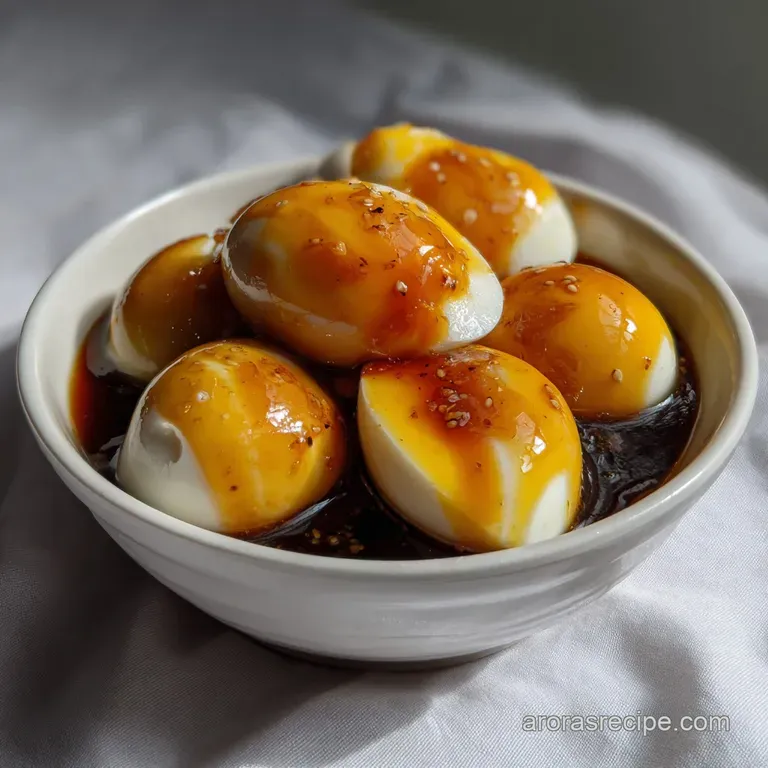
- Effort/Time: Minimal prep with a 17 minutes active window.
- Flavor Hook: Salty-sweet glaze meeting a velvety, custard-like golden yolk.
- Perfect for: High-protein meal prep, ramen toppings, or a sophisticated grab-and-go snack.
- The Culinary Physics Behind Why This Recipe Works
- The Science Behind the Ingredients
- Premium Ingredients Required for Easy To Make Soy Sauce Eggs
- Specialized Equipment to Perfect Your Ramen Egg Recipe
- Step-by-Step Instructions to Make Soy Sauce Eggs
- Common Pitfalls and Troubleshooting Your Sauce Eggs
- Flavor Variations and Easy Soy Sauce Egg Recipe Substitutions
- Long-Term Storage and Safe Reheating Protocols
- Creative Serving Suggestions for These Jammy Soy Sauce Eggs
- Recipe FAQs
- 📝 Recipe Card
Master the Art of Crafting Easy To Make Soy Sauce Eggs
We have all been there: peeling an egg only to find a rubbery white and a dry, chalky, sulfurous yolk. It is a kitchen heartbreak that ruins a perfectly good bowl of noodles. I remember my first attempt at Easy To Make Soy Sauce Eggs; I overboiled them so badly the yolks were basically powder, and the marinade was so salty it made my eyes water.
But then I started looking at the physics of the egg. I realized that the secret isn't just in the boiling time, but in how the marinade interacts with the proteins through the semi permeable membrane of the egg white. Once you nail the cooling process, the rest is just chemistry doing the heavy lifting for you.
When you crack that shell after a 24 hour soak, the aroma of star anise and ginger hits you first. Then, you slice it open. The "shatter" of the cured outer white gives way to a velvety, molten center that looks like liquid gold.
This isn't just a snack; it's a scientific triumph of flavor and texture that you can repeat every single week. Let's crack on.
The Culinary Physics Behind Why This Recipe Works
- Osmotic Infusion: The high solute concentration in the soy-mirin marinade creates osmotic pressure, drawing moisture out of the outer white and replacing it with savory compounds.
- Protein Coagulation Control: By introducing the eggs to boiling water rather than cold, we trigger immediate protein denaturation at the perimeter, ensuring the white sets firmly while the yolk remains insulated and liquid.
- Thermal Shocking: Moving the eggs instantly to an ice bath halts the carryover cooking process, preventing the formation of ferrous sulfide (that unappetizing green ring) around the yolk.
The Science Behind the Ingredients
The Science Behind Large Eggs
- What They Do
- Provide the structural base and rich, fatty mouthfeel for the dish.
- The Chemistry
- During boiling, the ovalbumin in the whites denatures into a solid lattice, while the yolk’s lipids remain fluid at lower internal temperatures.
- Why This Matters
- Precise timing ensures the white is structural enough to hold its shape while the yolk stays chemically "jammy."
The Science Behind Kikkoman Soy Sauce
- What It Does
- Acts as the primary curing agent and flavor delivery system.
- The Chemistry
- Through the Maillard reaction during its long fermentation, soy sauce is packed with glutamates that provide intense umami.
- Why This Matters
- The salt content in the soy sauce denatures the proteins on the egg's surface, creating a firmer, more seasoned exterior.
The Science Behind Mizkan Mirin
- What It Does
- Provides sweetness and a characteristic gloss to the finished egg.
- The Chemistry
- Mirin contains complex sugars and a specific acidity that balances the sodium levels in the soy sauce.
- Why This Matters
- It prevents the eggs from becoming overly salty while contributing to a "velvety" texture on the tongue.
Premium Ingredients Required for Easy To Make Soy Sauce Eggs
To achieve the best results for your Easy To Make Soy Sauce Eggs, use the highest quality pantry staples you can find.
- 6 Large Eggs: Use farm fresh eggs if possible for more vibrant, orange yolks.
- 1 tbsp Rice Vinegar: Why this? Helps weaken eggshells for easier peeling and stabilizes whites.
- 1 tsp Salt: Why this? Increases the boiling point of water and aids in shell separation.
- 120ml Kikkoman Soy Sauce: This brand provides a consistent sodium-to-umami ratio for the marinade.
- 120ml Mizkan Mirin: Essential for that authentic Japanese sweetness and shine.
- 120ml Water: To dilute the marinade slightly, preventing the eggs from becoming overly cured and tough.
- 50g Brown Sugar: Why this? Adds molasses depth that white sugar lacks.
- 2 cloves Garlic, smashed: Use fresh cloves to release essential oils.
- 1 inch piece Fresh Ginger, sliced: Provides a sharp, aromatic counterpoint to the salty soy.
- 1 Star Anise: Adds a subtle, licorice like complexity that defines a "Masterclass" egg.
| Original Ingredient | Substitute | Why It Works |
|---|---|---|
| 120ml Soy Sauce | 120ml Tamari | gluten-free and provides a slightly richer, darker color. |
| 120ml Mirin | 100ml Dry Sherry + 1 tsp Sugar | Mimics the acidic sweetness and alcoholic depth of mirin. |
| 50g Brown Sugar | 40g Honey | Adds floral notes; use less as honey is sweeter than sugar. |
| Rice Vinegar | Apple Cider Vinegar | Similar acidity profile, though adds a slight fruity note. |
Specialized Equipment to Perfect Your Ramen Egg Recipe
- Lodge 3 Quart Dutch Oven: The heavy base ensures even heat distribution and maintains a steady boil when eggs are added.
- OXO Good Grips Slotted Spoon: Critical for lowering eggs gently into the water without cracking the shells against the bottom.
- Large Glass Mixing Bowl: Used for the ice bath; glass holds the cold temperature longer than plastic.
- Ziploc Gallon Sized Freezer Bag: My secret trick for marinating. It forces the liquid around the eggs, ensuring 100% surface contact with less marinade required.
- KitchenAid Digital Timer: For a recipe where 30 seconds is the difference between "jammy" and "hard," a reliable timer is non-negotiable.
step-by-step Instructions to Make Soy Sauce Eggs
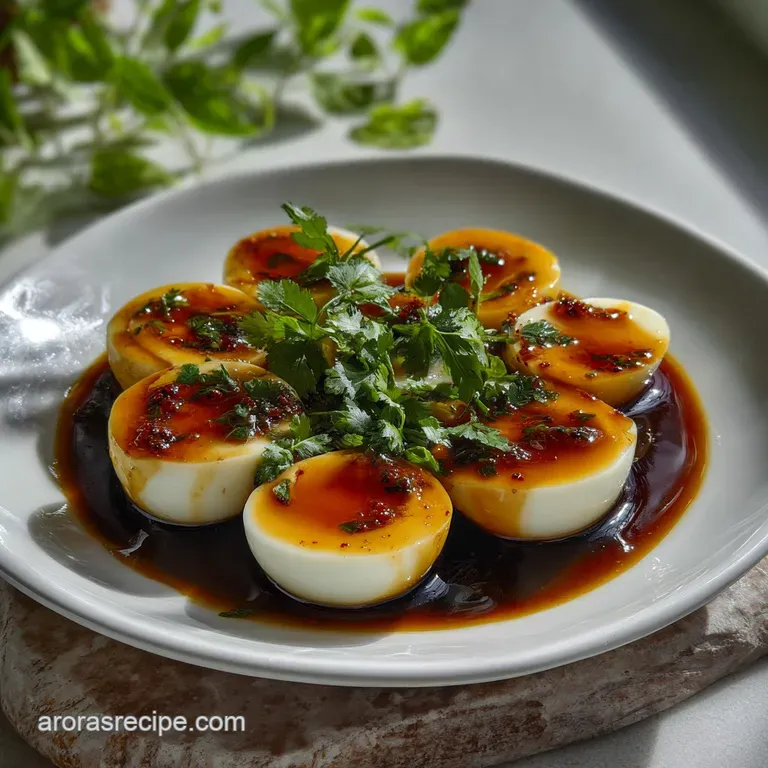
- Boil water. Fill your Lodge Dutch Oven with enough water to cover the eggs by an inch and bring to a rolling boil.
- Add salt and vinegar. Stir in 1 tsp salt and 1 tbsp rice vinegar. Note: This creates an acidic environment that makes the shells easier to remove.
- Lower the heat. Reduce to a simmer before adding eggs. Note: Prevents the shells from "shattering" upon contact with the pan bottom.
- Add 6 Large Eggs. Gently lower the eggs into the water using a slotted spoon.
- Simmer for 7 minutes. Set your timer immediately for 7 minutes until the whites are set but the center remains tender.
- Prepare the ice bath. While eggs boil, fill a large bowl with cold water and 2 cups of ice.
- Shock the eggs. Transfer eggs to the ice bath for 10 minutes until the shells feel cold to the touch and internal cooking stops.
- Simmer the marinade. In a small saucepan, combine 120ml soy sauce, 120ml mirin, 120ml water, 50g brown sugar, garlic, ginger, and star anise.
- Dissolve the sugar. Heat the mixture over medium for 3 minutes until the sugar dissolves and the star anise becomes fragrant.
- Cool the liquid. Allow the marinade to reach room temperature. Note: Adding hot marinade to cold eggs will ruin the texture.
- Peel the eggs. Tap the eggs gently on a flat surface and peel under cold running water.
- Marinate. Place eggs and liquid into a Ziploc bag, squeeze out the air, and refrigerate for at least 4 hours until the whites turn a deep mahogany brown.
Chef's Tip: Use a thumbtack to poke a tiny hole in the fat end of the egg before boiling. This releases the air pocket, resulting in a perfectly rounded egg without that flat, indented bottom.
Common Pitfalls and Troubleshooting Your Sauce Eggs
Making Easy To Make Soy Sauce Eggs seems simple, but the chemistry of a soft boiled egg is delicate.
One of the most common issues is the "rubbery" texture. This is usually caused by over curing. If you leave your eggs in the soy mixture for more than 24 hours, the salt starts to draw out too much moisture from the white, turning it from tender to leathery. This is similar to the precision needed when making a Mushroom Sauce Recipe, where timing the reduction is everything.
Another frustration is the off-center yolk. This happens because the yolk is less dense than the white and floats to the side during the first few minutes of boiling. To fix this, use your slotted spoon to gently "twirl" the eggs in the water for the first 2 minutes of cooking.
The centrifugal force keeps the yolk centered.
Troubleshooting Table
| Problem | Root Cause | The Fix | Pro Protocol |
|---|---|---|---|
| Hard-to-peel shells | Fresh eggs have a low pH, causing the membrane to stick. | Use eggs that are 1 2 weeks old. | Add 1 tsp baking soda to the boiling water to raise pH. |
| Rubbery egg whites | Over marination (osmotic dehydration). | Remove from marinade after 12 24 hours. | Store peeled eggs in a clean container without the liquid. |
| Broken yolks during peeling | Under cooked whites (protein lattice not fully formed). | Ensure a full 7 minute simmer. | Peel the eggs submerged in the ice bath water. |
| Bland flavor | Marinade was too cold or used too briefly. | Ensure the marinade is room temp when starting. | Poke 2 3 tiny holes in the white with a needle for deeper infusion. |
Flavor Variations and Easy Soy Sauce Egg Recipe Substitutions
Once you master the base Easy To Make Soy Sauce Eggs, you can experiment with the flavor profile to match different cuisines.
- Spicy Sriracha Kick: Add 1 tbsp of Sriracha and a teaspoon of red chili flakes to the marinade. This pairs excellently with a Thai Coconut Curry Chicken recipe for a fusion lunch.
- Keto/Low-Carb Swap: Replace the 50g of brown sugar with an erythritol based brown sugar substitute. The texture will be slightly less glossy, but the flavor remains intact.
- Smoky Fusion: Add 1 drop of liquid smoke or a teaspoon of smoked paprika to the marinade. This gives the eggs a "tea-smoked" quality without the hassle of actual smoking.
Long Term Storage and Safe Reheating Protocols
Proper storage is essential to keep your Easy To Make Soy Sauce Eggs safe and delicious.
Fridge Storage: These eggs will keep in the refrigerator for up to 4 days. Always store them in an airtight container. If you have removed them from the marinade, they may dry out slightly, so keep them covered.
Freezing: Do not freeze these eggs. The freezing process causes the water in the egg white to form large ice crystals, which destroys the protein structure. When thawed, the whites will be spongy, watery, and completely unpalatable.
Reheating: Never microwave a whole soy sauce egg; the steam buildup inside the yolk can cause it to explode. To enjoy them warm, submerge the cold egg in a bowl of hot (not boiling) water for 5 minutes. This gently warms the egg without further cooking the jammy yolk. If you are serving them in soup, like in our Chicken and Sausage Pasta recipe for a twist, just drop the cold egg into the hot broth right before serving.
Creative Serving Suggestions for These Jammy Soy Sauce Eggs
While Easy To Make Soy Sauce Eggs are the gold standard for ramen, they are surprisingly versatile across your weekly menu.
- Avocado Toast Upgrade: Mash a ripe avocado on sourdough, top with a sliced soy sauce egg, and sprinkle with furikake. The saltiness of the egg replaces the need for extra salt on the avocado.
- Rice Bowl Perfection: Serve two halved eggs over steaming jasmine rice with a drizzle of the leftover marinade and some chopped scallions.
- The Ultimate Snack: Eat them straight out of the fridge with a little bit of Japanese mayo and a dash of shichimi togarashi.
💡 Zero Waste Tip: Don't discard the leftover marinade. Leftover Marinade: Boil it for 5 minutes to sterilize, then use it as a base for stir fries or to braise pork belly.
Why: It is packed with infused ginger, garlic, and star anise flavors that only get deeper with time.
- Myth
- You must use room temperature eggs to prevent cracking.
- Truth
- Cold eggs are actually better as they prevent the yolk from cooking too fast, but you must lower them into the water gently to avoid thermal shock breakage.
- Myth
- Adding vinegar to the water flavors the egg.
- Truth
- The vinegar is purely to react with the calcium carbonate in the shell to make peeling easier; it does not penetrate the membrane in 7 minutes.
Whether you're prepping for the week or looking for that final touch on a gourmet bowl of ramen, mastering Easy To Make Soy Sauce Eggs is a fundamental skill that pays off every time you cut into that perfect, golden center. Trust me, once you go jammy, you never go back. For more rich sauce techniques, check out our Lemon Pepper Sauce recipe to keep your culinary skills sharp. This Easy To Make Soy Sauce Eggs recipe is truly the ultimate kitchen hack for flavor obsessed cooks.
Recipe FAQs
What is the ideal egg temperature before boiling?
Room temperature eggs prevent cracking. Cold eggs shock when introduced to boiling water, causing the shell membrane to separate violently from the white. Allowing them to sit out 15 minutes equalizes internal and external pressure, ensuring uniform cooking.
Must I use soy sauce for the brine?
No. Tamari provides deeper, gluten-free umami. Tamari is chemically similar to soy sauce but often boasts a richer fermented profile. This technique of osmotic flavoring is central to achieving deep penetration, similar to the curing principles used when developing flavor bases for recipes like the Easy Creamy Mushroom Sauce for Steak Quick Mushroo 15-Minute Recipe.
How do I guarantee a jammy, not hard, yolk?
Target a specific temperature range precisely. Cooking time is critical because the yolk coagulation temperature lags slightly behind the white’s denaturation point. Overcooking by even one minute pushes the lecithin past its optimal viscosity.
- Start eggs in already boiling water
- Use a kitchen timer rigorously
- Plunge immediately into ice bath
Can I boil the eggs first and then marinate them?
Yes, this produces a lighter exterior color. Boiling first yields a cleaner white surface texture, but the marinade penetrates less deeply into the albumen. The full soak time (minimum 4 hours) is necessary regardless of the initial cooking method.
Does adding vinegar to the water help peelability?
Myth: Adding vinegar guarantees easier peeling. Reality: Vinegar slightly acidifies the water, but easier peeling relies primarily on using older eggs (7-10 days post purchase) and the immediate ice bath shock.
Should I use light or dark soy sauce for color?
Dark soy sauce provides superior rich mahogany hue. Light soy sauce focuses on salt delivery, while dark soy has molasses or caramel added specifically for color depth. If you master this visual depth through glazing, you can apply similar principles of visual density contrast when working with a thick coating like the Easy White Chocolate Dipping Sauce Homemade White: 10-Minute Velvety Dip.
Is the sugar in the marinade necessary for preservation?
No, sugar primarily balances salinity and aids glazing. While high salt concentrations inhibit microbial growth, the small amount of sugar here functions as a flavor moderator and helps the exterior achieve a slightly glossy, non-crystalline finish when simmered briefly.
Easy Soy Sauce Eggs Mastered
Ingredients:
Instructions:
Nutrition Facts:
| Calories | 112 kcal |
|---|---|
| Protein | 6.8 g |
| Fat | 5.1 g |
| Carbs | 8.4 g |
| Fiber | 0.1 g |
| Sugar | 7.2 g |
| Sodium | 580 mg |
