The Ultimate Fluffy Cinnamon Rolls with Cream Cheese Glaze
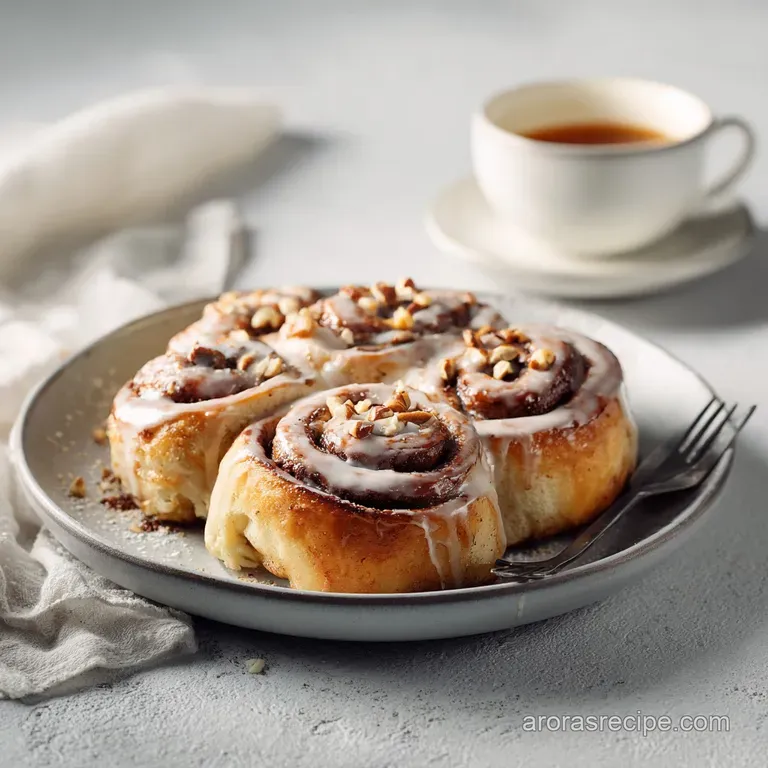
- Welcome to the Sweetest Morning: Mastering the Bakery-Style Cinnamon Roll
- The Science of Softness: Unlocking the Ultimate Texture
- Pantry Preparation: Essential Components for the Perfect Roll
- The Workflow: A Detailed Guide to Baking Your Rolls
- Expert Advice: Troubleshooting and Refining Your Bake
- Maximizing Freshness: Storage, Freezing, and Reheating
- The Final Touch: Presentation and Pairings
- Recipe FAQs
- 📝 Recipe Card
The smell, oh my god, the smell. It’s that deep, butter laced perfume of yeast, brown sugar, and honest-to-goodness cinnamon that pulls you out of bed on a Sunday morning, even if you’re already awake.
That aroma is the promise of the perfect, gooey, bakery style Cinnamon Rolls waiting patiently in your kitchen.
Listen, I've had my share of baking failures, trust me. I used to think Cinnamon Rolls were some mystical, complicated patisserie challenge reserved for those with French baking degrees. They’re not.
They just require precision and patience, which sounds demanding, but it’s actually incredibly therapeutic. This recipe is your roadmap to the softest, most pillowy dough you’ve ever touched.
We are skipping the dry, sad versions and going straight for the gold standard. We’re going to work through the dough, the perfect filling ratio, and that essential, tangy cream cheese glaze step-by-step. Get your mixer ready; we’re making legendary homemade Cinnamon Rolls .
Welcome to the Sweetest Morning: Mastering the Bakery Style Cinnamon Roll
It’s all about the experience, isn't it? When you pull a tray of these magnificent creations from the oven, they should be puffed up, golden brown, and absolutely dripping with potential.
The difference between a store-bought version and these from scratch Cinnamon Rolls is truly monumental. We are aiming for a roll so tender you don't even need a knife; they should pull apart with a gentle tug.
That takes technique, specifically in how we handle the fat and how long we let the yeast work its magic.
The Science of Softness: Unlocking the Ultimate Texture
The goal here is maximum fluffiness. We want zero dryness, only melt-in-your mouth tenderness. Achieving that incredible texture in your Cinnamon Rolls depends entirely on the quality of your dough structure.
Defining "Ultra Fluffy": What Makes This Dough Special?
We aren't making regular bread dough here. This is an enriched dough, meaning it has a high ratio of fat (butter), eggs, and sugar. These ingredients interfere with gluten development, preventing the dough from becoming tough or chewy. The richness ensures a soft crumb that stays fresh longer than lean bread.
True, bakery style Cinnamon Rolls are always made with this type of foundation.
Why We Use a Double Proof Method for Maximum Lift
If you skip the first rise, you’ll end up with dense, disappointingly small rolls. The first proof (bulk fermentation) builds flavor and structure. The second proof (after rolling and cutting) is crucial for the final lift, allowing the newly cut spirals to relax and fill out the baking dish.
If you want truly fluffy Cinnamon Rolls , embrace the double proof.
The Secret Weapon: Achieving the Perfect Cream Cheese Glaze Consistency
Don't let the glaze be an afterthought. A proper glaze needs to balance the intense sweetness of the roll filling with a little tang. Always use truly softened cream cheese and butter here, otherwise, you'll get lumps.
Start with less liquid than the recipe calls for, beating thoroughly, and only add more cream or milk one teaspoon at a time until you hit that dreamy, ribbon like consistency.
The Critical Role of Butter Incorporation in Enriched Doughs
The butter in the dough is melted, not cubed, which is different from many bread recipes. Melting the butter and mixing it in ensures the fat is evenly dispersed throughout the dough early on.
This coats the flour particles, contributing to that ultra tender, non-chewy crumb characteristic of superior Cinnamon Rolls .
Controlling Yeast Activity for a Slow, Flavorful Rise
Yeast is living; treat it nicely! The milk for activation should be warm, but never hot. Think bathwater temperature (about 105°F or 40°C). If it's too hot, you kill the yeast, and your Cinnamon Rolls won't rise. If it’s too cold, it takes forever. Precision is key.
Balancing Sweetness and Spice: Our Signature Filling Ratio
My biggest mistake when I first started making Cinnamon Rolls was thinking "more sugar equals better." Wrong! Too much sugar leads to leakage. The sugar melts during baking and runs out the sides, turning into hard caramel magma on the bottom of the pan.
We use a high ratio of cinnamon to brown sugar, creating a thick paste that stays put and guarantees intensely flavored Cinnamon Rolls .
Pantry Preparation: Essential Components for the Perfect Roll
Before we dive into the mixing, please make sure your butter and eggs are at room temperature for the dough. This helps them emulsify quickly into the warm liquid, ensuring a perfectly smooth, enriched base for these wonderful Cinnamon Rolls .
Equipment Check: Specialized Tools for Dough Handling
If you have a stand mixer with a dough hook, use it. It cuts the active kneading time in half. If you are kneading by hand, commit to the full eight minutes. The other indispensable tool?
Unflavored dental floss, which is how we’ll cut the tightest, most beautiful spirals for our bakery style Cinnamon Rolls .
Detailed List: Ingredients for the Enriched Dough
| Ingredient | Preparation Note |
|---|---|
| Whole Milk | Warmed to 105°F |
| Active Dry Yeast | Check expiration date! |
| Granulated Sugar | Feeds the yeast |
| Unsalted Butter | Melted completely |
| Large Eggs | Room temperature, lightly beaten |
| All-Purpose Flour | Spooned and leveled |
| Fine Sea Salt | Non-negotiable for flavor |
Crafting the Filling and Silky Glaze Components
The filling must be easily spreadable but solid enough to stay in place. The best homemade Cinnamon Rolls rely on this balance.
- Filling Butter: Must be softened , not melted, so it binds the sugar and cinnamon into a thick paste.
- Glaze Cream Cheese: Softened! If it’s cold, you will fight it forever and lose.
Ingredient Swap Guide: Dairy Alternatives and Flour Adjustments
If you have dietary constraints, you can still enjoy phenomenal Cinnamon Rolls ! Making dairy-free Cinnamon Rolls is surprisingly easy with these modern swaps.
| Component | Standard Ingredient | Viable Substitute |
|---|---|---|
| Dough Milk | Whole Milk | Oat Milk or High Fat Soy Milk |
| Dough Butter | Unsalted Butter | high-quality Plant Based Butter Sticks |
| Glaze Cream Cheese | Traditional Cream Cheese | Vegan Cream Cheese Alternative |
| Flour | All-Purpose | Bread Flour (results in slightly chewier roll, may need more liquid) |
The Workflow: A Detailed Guide to Baking Your Rolls
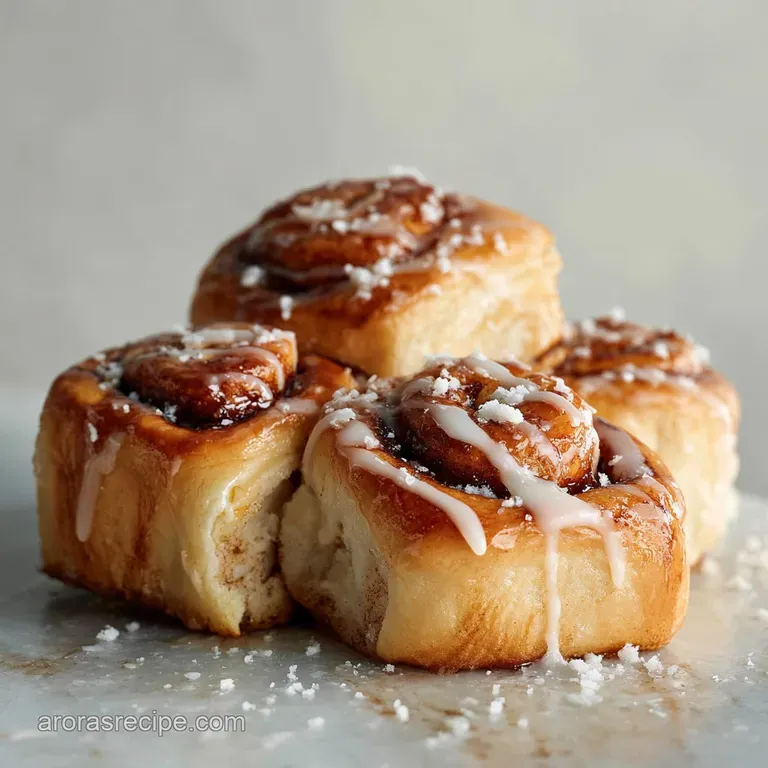
Trust the process. I know the waiting feels long, but remember, the yeast is building flavor and lightness during those passive stages. That is the secret to fluffy Cinnamon Rolls .
Phase One: Activating the Yeast and Mixing the Brioche Base
Start by waking up the yeast in your warm milk and sugar mixture (the sponge). Once it's foamy, you know your yeast is active and ready to make magic. Add the remaining wet ingredients, then gradually incorporate the flour and salt.
Knead for a full 6 to 8 minutes; this develops the gluten network needed to support the rich ingredients. If you want consistently delicious Cinnamon Rolls , don't skimp on this kneading time.
Chef's Note: I once added the salt directly to the yeast and milk, which killed it instantly. Salt and yeast are not friends; always add salt mixed into the flour to protect the little organisms.
Rolling and Cutting: Achieving Uniform Swirls
After the first proof, gently punch down the dough it’s therapeutic! Roll it out into that precise 18x12-inch rectangle. Spread the filling completely evenly. The key to gorgeous Cinnamon Rolls is rolling the log tightly .
Start at one long end and tuck the dough in firmly as you roll. When you get to the end, pinch the seam hard to seal it.
The Second Proof: Why Patience is Key Before Baking
Slice your rolls and arrange them snugly in the prepared baking dish. Cover them loosely and let them rise for the final 60 minutes. They should be visibly puffy and soft to the touch, nearly touching each other in the pan.
If your raw Cinnamon Rolls look dense and small, they are under proofed and need more time to achieve that airy lightness.
Baking Times and Internal Temperature Targets
Preheat the oven to 375°F (190°C). Don’t overcrowd the oven, or you risk uneven baking. Bake the rolls for 25– 30 minutes. If they start to brown too quickly on top, simply tent the dish with aluminum foil. Do not overbake them.
The internal temperature should be about 200°F (93°C) when fully cooked, ensuring the centers are moist and gooey. Overbaking kills fluffy Cinnamon Rolls .
Expert Advice: Troubleshooting and Refining Your Bake
Even after years of baking, things sometimes go wrong. Here’s how to fix the most common pitfalls encountered when trying to master Cinnamon Rolls .
Preventing Dry Rolls: The Importance of Milk Fat and Oven Moisture
Dryness is usually caused by two things: too little fat in the dough, or overbaking. Since we used an enriched dough (lots of butter and eggs), overbaking is the likely culprit. If your oven runs hot or you notice quick browning, try placing a shallow oven safe pan of water on the rack below your Cinnamon Rolls .
The steam generated will keep the air moist and the rolls soft.
My Rolls Unraveled! How to Cinch the Final Seam
This happens when the log wasn't sealed properly. After you roll up the log, make sure that final edge is pinched firmly onto the roll body. If the dough seems dry, dampen your fingers with a little water before pinching to help the seam adhere securely.
Dealing with Over Proofing vs. Under Proofing
The finger poke test is your friend. Gently poke the side of a roll. If the indentation immediately springs back, it is under proofed. If the indentation slowly springs back halfway, it is perfectly proofed. If the indentation stays put and the whole thing deflates slightly, it is over proofed.
Over proofed Cinnamon Rolls have a distinct yeasty, alcohol like flavor sadly, you can't save them once they are past the point of no return.
Maximizing Freshness: Storage, Freezing, and Reheating
If you manage not to eat all 12 rolls in one sitting, these storage methods are essential. These are the best Cinnamon Rolls to freeze because they hold up so well.
Storing Finished Rolls (Glazed vs. Unglazed)
Glazed rolls should be kept covered loosely at room temperature for up to 2 days, or refrigerated for up to 4 days. However, unglazed rolls keep much better. If you plan to store them for more than a day, wait to add the glaze until just before serving.
Unglazed rolls should be wrapped tightly and kept cool.
Freezing Unbaked Dough for Later Convenience
Freezing unbaked Cinnamon Rolls is the ultimate pro move. After the second rise (Step 12), cover the pan tightly with two layers of plastic wrap and one layer of foil. Freeze for up to 6 weeks.
When ready to bake, thaw overnight in the fridge, then let them come to room temperature for 60– 90 minutes before baking as usual.
The Best Way to Refresh Day-Old Buns
Day-old Cinnamon Rolls often lose their moistness. The trick is to re-steam them gently. Place the rolls in a microwave safe dish and lightly sprinkle them with a few drops of water. Cover the dish loosely with a paper towel and microwave in 20 second bursts until soft and warmed through.
This moisture boost revives the fluffiness perfectly.
The Final Touch: Presentation and Pairings
The perfect pairing for these rich Cinnamon Rolls is simplicity itself. A strong, black coffee is the traditional choice, cutting through the intense sweetness and creamy glaze. For a holiday morning, a bit of tart cranberry sauce on the side provides an excellent counterpoint to the richness.
Honestly though, these spectacular homemade Cinnamon Rolls are so good, they don't truly need a supporting cast.
I know the journey from flour and yeast to glorious, gooey bakery Cinnamon Rolls feels long, but every minute spent waiting is worth it for that first bite. Trust me, mastering this recipe will change your brunch game forever, and you'll never buy a dry, packaged version again.
These truly are the best Cinnamon Rolls you can make at home. Enjoy!
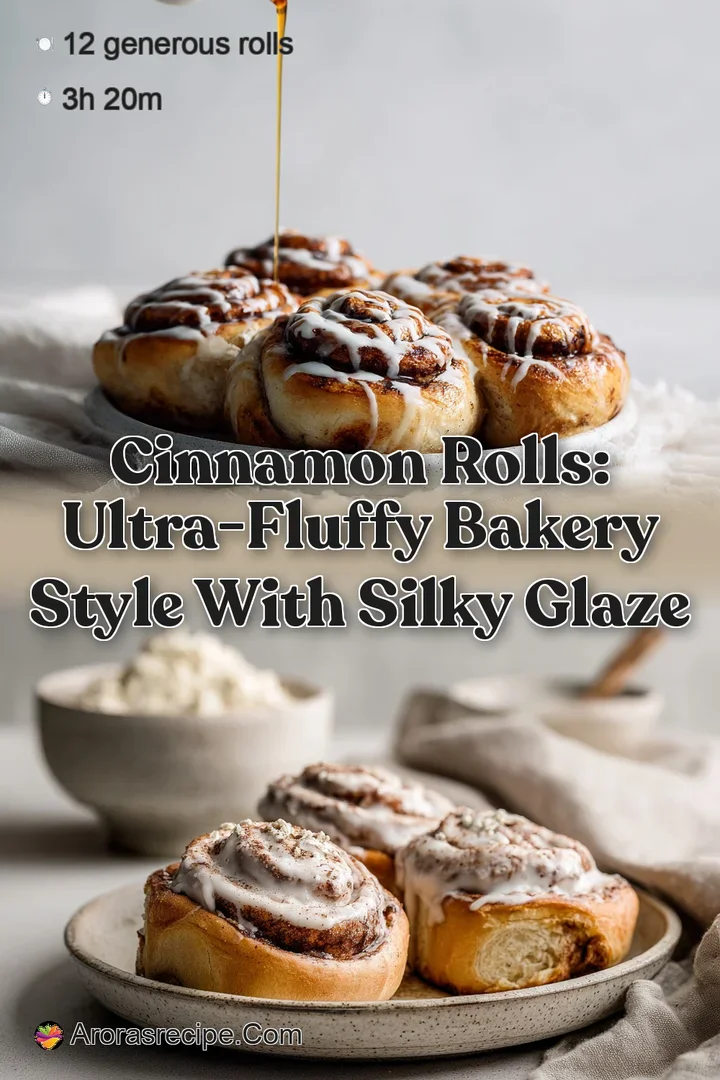
Recipe FAQs
Why are my cinnamon rolls tough or dry?
Toughness is usually caused by over mixing the dough, which develops too much gluten and reduces tenderness. Dryness occurs from over baking them; use a kitchen thermometer to ensure the rolls reach 200°F (93°C) internally, and always check the oven 5 minutes before the minimum baking time.
My dough isn't rising after the first proof. What should I do?
The most common culprit is dead yeast; ensure your milk temperature is between 105°F and 115°F (40°C 46°C) when activating the yeast. If the yeast is viable, the issue is likely a cold proofing environment, so move the bowl to a warmer spot, such as an oven that is turned off but has the light turned on.
Can I prepare the cinnamon rolls the night before baking?
Yes, this is an excellent strategy for fresh morning rolls. After cutting the rolls and placing them in the baking dish, cover them tightly with plastic wrap and refrigerate overnight (up to 12 hours). The next morning, allow them to sit at room temperature for 60 90 minutes before baking to finish the proof.
How do I prevent the buttery filling from leaking out of the rolls while they bake?
Leakage happens when the butter in the filling melts too quickly before the dough structure sets. Ensure your butter for the filling is softened but not melted, and roll the dough tightly before cutting. Also, try using unflavored dental floss to cut the rolls cleanly, which helps seal the edges.
Can this recipe be adapted to be vegan?
Yes, though adjustments are needed for this enriched dough. Replace the milk with oat or soy milk and use a high-quality stick of plant based butter. The eggs can be substituted with commercial egg replacer, though this may make the dough slightly less 'brioche like' and pillowy.
My glaze is too thin/too thick. How do I fix the consistency?
If the glaze is too thin, slowly whisk in an extra tablespoon of powdered sugar until the desired thickness is reached. If it is too thick, incorporate a small dash of milk or heavy cream until it reaches a slow, drizzly ribbon consistency. Always adjust slowly, as small additions make a big difference.
How should I store leftover baked cinnamon rolls?
Store leftover rolls in an airtight container at room temperature for up to two days, or in the refrigerator for up to four days. To refresh them, wrap individual rolls loosely in foil and reheat in a 300°F (150°C) oven for about 10 minutes, or microwave for 15 20 seconds.
Fluffy Bakery Style Cinnamon Rolls
Ingredients:
Instructions:
Nutrition Facts:
| Calories | 1353 kcal |
|---|---|
| Protein | 5.6 g |
| Fat | 62.8 g |
| Carbs | 191.4 g |
