Garlic Butter Yellow Beans: Snap-Fresh Perfection
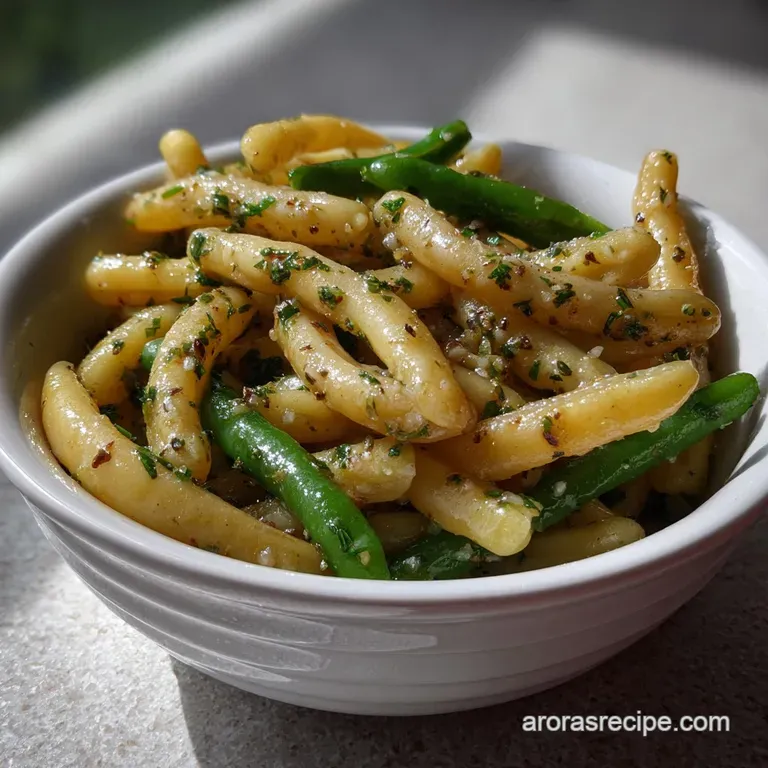
- Effort/Time: 20 minute total-investment
- Flavor Hook: Nutty browned butter paired with sharp, aromatic garlic
- Perfect for: Weeknight-side-hustles or elegant holiday-gatherings
We have all been there: staring down a pile of rubbery, over boiled beans that look more like gray sludge than a vibrant side dish. I once served a batch so mushy they practically dissolved upon contact with the fork, a culinary failure that led me to rethink everything I knew about legumes.
The secret to great Garlic Butter Yellow Beans isn't in the boiling water; it’s in the thermal management and the chemistry of the fat-to-acid ratio.
You want a vegetable that fights back just a little a characteristic "squeak" against the teeth followed by a burst of savory butter. By understanding how pectin behaves under heat and how allicin develops in garlic, we can move from "just a side dish" to a masterclass in texture.
This recipe delivers that exact sensory experience: the hiss of the Lodge Cast Iron Skillet, the nutty aroma of toasted milk solids, and the bright finish of fresh citrus that characterizes perfect Garlic Butter Yellow Beans.
The Culinary Physics of Perfect Texture
- Pectin Retention: Brief exposure to boiling water softens the outer cellular wall without collapsing the internal structure.
- Thermal Shocking: Submerging beans in an ice bath halts enzyme activity and locks in the vibrant yellow xanthophyll pigments, crucial for appealing Garlic Butter Yellow Beans.
- Surface Area Evaporation: Sautéing after blanching removes residual surface moisture, allowing the butter to cling rather than slide off.
- Emulsion Stability: The combination of 3 tbsp unsalted butter and 1 tsp fresh lemon juice creates a temporary emulsion that coats each bean in a thick, glossy film, the hallmark of well made Garlic Butter Yellow Beans.
The Science of Why These Elements Work
- What They Do
- Provide the structural foundation and sweet, grassy flavor profile.
- The Chemistry
- These contain high levels of hemicellulose and pectin which require precise heat to soften without undergoing total cellular collapse.
- Why This Matters
- Controlled heating ensures a "tender crisp" result rather than a mealy, waterlogged texture when making Garlic Butter Yellow Beans.
- What They Do
- Act as the primary aromatic compound and flavor catalyst.
- The Chemistry
- Mincing triggers the enzymatic reaction between alliin and alliinase to create allicin, the compound responsible for that pungent bite.
- Why This Matters
- Sautéing at lower temperatures mellows the allicin into a sweet, nutty profile that complements the Garlic Butter Yellow Beans.
- What They Do
- Provides the lipid base for the sauce and carries fat-soluble flavor compounds.
- The Chemistry
- As butter heats, water evaporates and milk solids undergo the Maillard reaction, creating toasted, complex flavors.
- Why This Matters
- high-quality fat creates a luxurious mouthfeel that balances the fibrous nature of the Yellow Beans in this preparation.
Strategic Sourcing and Ingredient Architecture
- 1 lb fresh yellow beans, trimmed: Why this? Freshness ensures maximum turgor pressure for that signature snap.
- 4 cloves fresh garlic, minced: Why this? Fresh cloves contain more volatile oils than pre-minced jarred versions.
- 3 tbsp unsalted butter: Why this? Allows for total control over sodium levels and better browning of milk solids.
- 1 tbsp extra virgin olive oil: Why this? Raises the smoke point of the butter to prevent burning during the sauté.
- 1/2 tsp Diamond Crystal Sea Salt: Why this? Flaky texture provides better surface coverage and a cleaner mineral finish.
- 1/4 tsp freshly cracked black pepper: Provides a sharp, piperine driven heat to cut through the fat.
- 2 tbsp fresh Italian parsley, finely chopped: Adds a hit of chlorophyll driven freshness to brighten the dish.
- 1 tsp fresh lemon juice: Why this? The citric acid acts as a surfactant, helping to emulsify the butter sauce.
| Original Ingredient | Substitute | Why It Works |
|---|---|---|
| Unsalted Butter | Miyoko’s Vegan Butter | High fat content mimics the creamy mouthfeel of dairy. Note: Browns faster. |
| Yellow Beans | Haricots Verts | Thinner walls cook faster. Note: Reduce blanching time by 60 seconds. |
| Italian Parsley | Fresh Chives | Adds a mild onion like finish. Note: More savory, less "green" than parsley. |
| Lemon Juice | Champagne Vinegar | Provides a similar acidity level (pH 3). Note: Adds a slightly more fermented, fruity note. |
Precision Temperature Control Protocol
- Boil a large pot of water with 1 tbsp of salt. Note: Salt increases the boiling point and seasons the beans from the inside out.
- Submerge the 1 lb fresh yellow beans into the rolling boil for 3 minutes until they turn bright gold and are slightly flexible but not soft.
- Transfer the beans immediately to a bowl of ice water for 2 minutes until the beans feel cold to the touch.
- Drain and pat the beans completely dry with a lint free towel until no visible water remains on the surface.
- Heat 1 tbsp extra virgin olive oil in a Lodge Cast Iron Skillet over medium high heat until the oil shimmers and a faint wisp of smoke appears.
- Add the 3 tbsp unsalted butter to the pan until the foam subsides and the butter begins to smell nutty.
- Toss in the 4 cloves minced garlic for 30 seconds until fragrant and pale golden, but not brown.
- Introduce the dried beans to the skillet until you hear a vigorous sizzle.
- Sauté for 4 minutes until the skins show slight blistering and the edges begin to caramelize.
- Season with 1/2 tsp sea salt and 1/4 tsp black pepper, then stir in 2 tbsp parsley and 1 tsp lemon juice until the butter forms a creamy, cohesive glaze worthy of any Garlic Butter Yellow Beans presentation.
Why Your Beans Might Struggle
If you’ve ended up with a pool of yellow liquid at the bottom of your bowl, the culprit is usually moisture management. When Yellow Beans are not dried properly after blanching, the residual water prevents the butter from emulsifying. Instead of a thick sauce, you get a broken, greasy mess. This is similar to the technique used in our Lemon Pepper Sauce recipe, where heat and agitation are key to a silky finish on your Garlic Butter Yellow Beans.
Another common pitfall is over crowding the pan. If you double this recipe without using two skillets, the thermal mass of the cold beans will drop the pan temperature instantly. Instead of a quick sauté, the beans will steam in their own juices. For a perfect pairing, these snap fresh vegetables go beautifully alongside a Steak and Mushrooms recipe. Achieving this texture is the difference between standard beans and fantastic Garlic Butter Yellow Beans.
| Problem | Root Cause | The Fix | Pro Protocol |
|---|---|---|---|
| Squeaky/Tough | Under blanching | Add 60 seconds to boil time | Test the "bend": bean should curve without snapping. |
| Burnt Garlic | Heat too high/Too early | Add garlic only after butter foams | Keep garlic moving constantly with a silicone spatula. |
| Watery Sauce | Wet beans | Pat dry with paper towels | Use a salad spinner for high volume drying. |
Thermal Mass and Scaling Laws
When doubling this Garlic Butter Yellow Beans recipe, the physics of heat retention change significantly. A single pound of beans in a 12 inch skillet allows for maximum surface contact.
When you go to 2 lbs, the volume increases cubically while the surface area of the pan remains constant, impacting the final texture of the larger batch of Garlic Butter Yellow Beans.
- Pan Capacity: If you must double the batch in one pan, increase the initial heating time by 2 minutes to ensure the cast iron has a deeper heat reservoir.
- Salt/Spices: Use 1.5x the salt (3/4 tsp) instead of 2x. You can always add more, but you can't remove it once it's absorbed.
- Boiling Water: Use a 15% larger pot to prevent the water temperature from dropping too far when the beans are added.
Debunking Common Vegetable Myths
Myth: Adding baking soda to the water keeps yellow beans bright. Truth: While it maintains color, it destroys the hemicellulose in the cell walls, resulting in a mushy, "soapy" texture. Stick to a salt only boil for superior Garlic Butter Yellow Beans.
Myth: You don't need to trim the "tail" end of the bean. Truth: The stem end is fibrous and woody. Trimming is essential for a consistent mouthfeel across the entire dish.
Storage, Reheating, and Zero Waste
Fridge Storage: Store Yellow Beans in an airtight Glasslock container for up to 4 days. The butter will solidify; this is normal and acts as a preservative for the garlic flavor in your leftover Garlic Butter Yellow Beans.
Reheating: Avoid the microwave, which turns the butter into a greasy puddle and toughens the beans. Reheat in a small skillet over medium low heat with a splash of water (1 tsp) to re-emulsify the sauce.
Freezing: Not recommended for the finished dish. The ice crystals will rupture the cell walls of the beans, making them mushy upon thawing. If you must freeze, blanch the beans for 2 minutes, shock them, dry them, and freeze them plain.
💡 Zero Waste Tip: Don't discard the bean trimmings. Trimmings: Toss them into your next batch of vegetable stock. Why: They contain residual sugars and minerals that add depth to homemade broths.
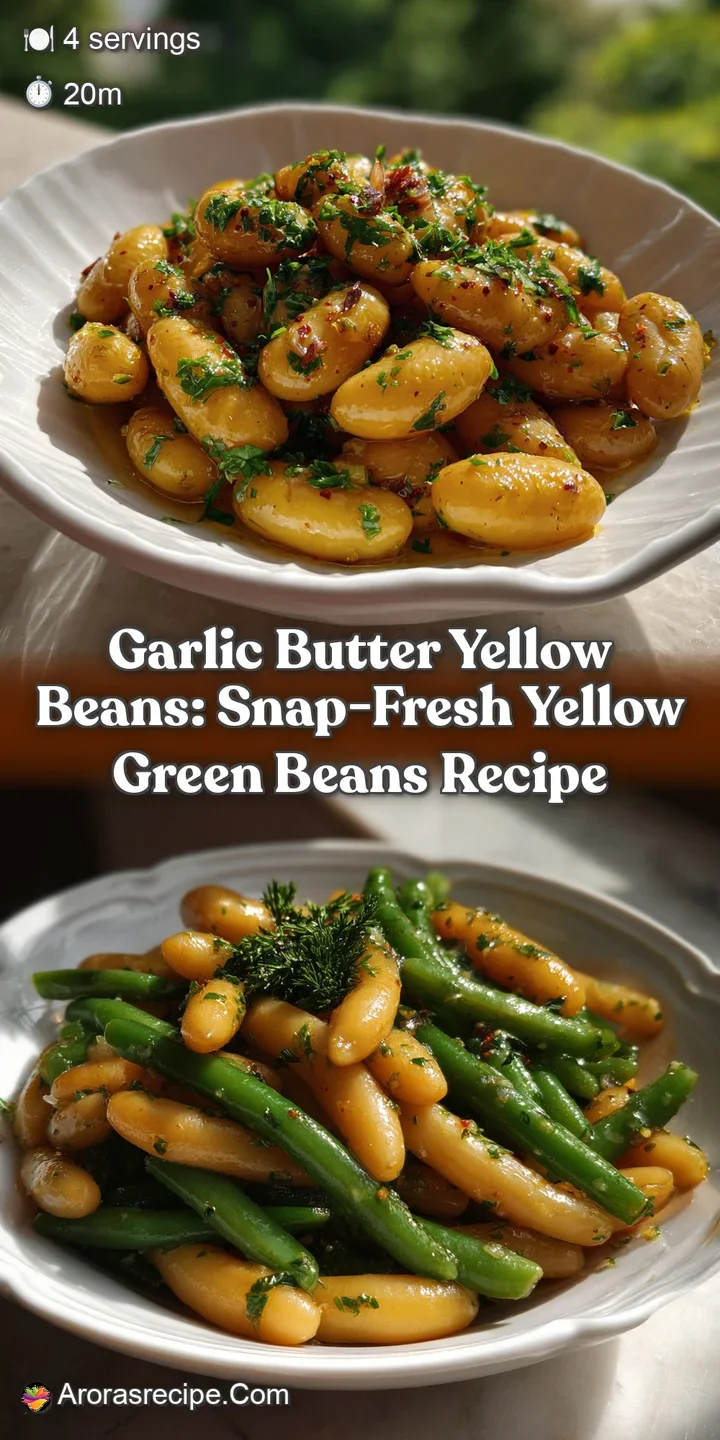
Whether you're looking for a Yellow Green Beans Recipe for a holiday or just a simple How To Cook Yellow Beans guide for Tuesday night, the key is the butter garlic-acid trinity. These Garlic Butter Yellow Beans provide the perfect crunch that pairs with everything from roasted chicken to a hearty Beans on Toast recipe. Trust the science, mind your pan temperature, and enjoy the most vibrant Garlic Butter String Beans you've ever tasted.
Recipe FAQs
How do I prevent the yellow beans from becoming mushy?
High heat searing ensures snap fresh texture. The initial rapid sauté evaporates surface moisture quickly, preventing steaming and subsequent limpness. This technique develops necessary structural integrity.
- Use the largest pan available
- Do not overcrowd the beans
- Maintain continuous movement during initial contact
Can I substitute the yellow beans with green beans?
Yes, green beans work well as a substitute. While green beans have slightly more cellulose, the high heat cooking method detailed here preserves their crispness. If you master controlling texture in this dish, you will find similar success when roasting meats, such as in our Sirloin Tip Steak: Pub-Style with Garlic Thyme Butter.
Is browning the butter necessary for flavor?
Yes, browning creates complex nutty notes. Heating butter solids (milk solids) past 300°F triggers the Maillard reaction, generating hundreds of aromatic compounds absent in melted butter alone. This flavor depth is similar to the controlled thermal reactions needed for quality baking, like in our Moist Cornbread: The Best Buttery Sweet Cornbread Recipe.
What is the ideal garlic infusion time?
Under one minute after blooming. Garlic burns rapidly in hot fat, turning bitter; heat must be reduced immediately before adding the beans. Sugar content is lower in garlic than in onions, causing significantly faster caramelization/scorching.
Is it okay to use garlic powder instead of fresh garlic?
Myth: Garlic powder offers the same aromatic punch as fresh minced garlic. Reality: Dehydrated garlic lacks all volatile sulfur compounds (like allicin) responsible for sharp flavor, resulting in a flat, dusty finish.
Should I use salted or unsalted butter?
Unsalted butter allows for precise seasoning control. Salted brands contain varying amounts of sodium, making it difficult to adjust seasoning against the natural salinity of the beans or any added salt. Precision control over salt is key for balancing the richness of browned butter.
Can I prepare the beans ahead of time?
Myth: Blanching fully tenderizes beans for make-ahead prep. Reality: Blanching destroys the cell wall structure, leading to inevitable textural collapse upon reheating, regardless of cooling method.
Garlic Butter Yellow Beans
Ingredients:
Instructions:
Nutrition Facts:
| Calories | 148 calories |
|---|---|
| Protein | 2.4g |
| Fat | 12.2g |
| Carbs | 9.4g |
| Fiber | 3.8g |
| Sugar | 2.1g |
| Sodium | 315mg |
