Grandpas Oyster Stew: Simple & Creamy
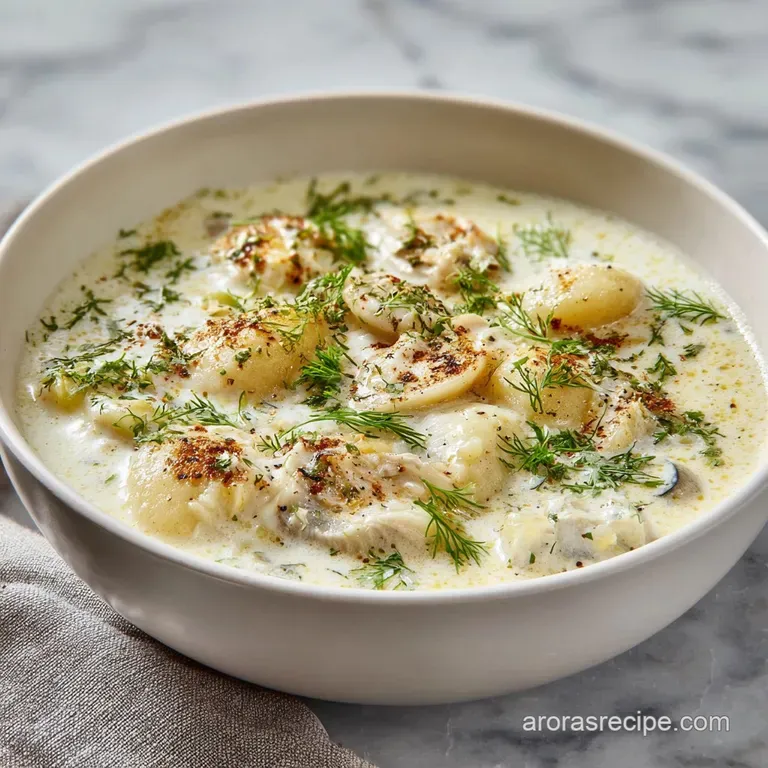
- Time: Active 10 mins, Passive 15 mins, Total 25 mins
- Flavor/Texture Hook: Briny, buttery, and velvety
- Perfect for: Christmas Eve tradition or a budget-friendly cozy dinner
- Mastering The Classic Grandpas Oyster Stew
- Important Recipe Timing Metrics
- Essential Pantry Building Blocks
- Necessary Cooking Equipment
- From Prep to Serving
- Troubleshooting Common Stew Issues
- Customizing Your Seafood Bowl
- Safe Storage and Reheating
- Serving and Pairing Suggestions
- Recipe FAQs
- 📝 Recipe Card
Mastering The Classic Grandpas Oyster Stew
The kitchen always smelled like a Nashville winter when Grandpa pulled out his heavy pot. I remember the rhythmic clink of his spoon against the side and the sharp, salty aroma of fresh oysters hitting warm butter.
He didn't use fancy gadgets or expensive thickeners; he just knew exactly when the milk was "smiling" (his word for that tiny shiver before a simmer) and when the oysters were ready to be served.
This recipe is the definition of Southern comfort, stripped down to what matters. We aren't making a thick, floury chowder here. Instead, we’re aiming for a thin, rich, and deeply savory broth that lets the seafood shine. It's a lesson in patience and heat management that I’m excited to walk you through.
If you’ve ever had a bowl of oyster stew that felt a bit flat or, worse, contained oysters that chewed like pencil erasers, you’re in the right place. We’re going to fix that today using a few old school tricks that make a world of difference. Let's get that butter melting.
Important Recipe Timing Metrics
The Physics of the Poach: Maintaining a temperature just below boiling prevents the oyster's delicate proteins from over coagulating. This ensures the edges curl slightly while the bellies remain soft and velvety.
| Method | Total Time | Texture | Best For |
|---|---|---|---|
| Grandpa's Classic | 25 mins | Thin, silky, pure oyster flavor | Authenticity & light dinner |
| The Fast Version | 12 mins | Briny, sharp, less aromatic | Quick lunch cravings |
| Roux Based | 35 mins | Thick, coating, heavy | Those who prefer chowder |
Getting the dairy right is the most important part of this process. Unlike a Savory Vegetable Beef recipe where you want a long, rolling simmer to tenderize meat, this stew requires a gentle touch. If you see big bubbles, you've gone too far.
Essential Pantry Building Blocks
| Ingredient | Science Role | Pro Secret |
|---|---|---|
| Oyster Liquor | Flavor Base | Never discard this; it contains the concentrated essence of the sea. |
| High Fat Butter | Emulsification | Cold butter whisked in at the end creates a glossy, stable finish. |
| Whole Milk | Texture | Provides the necessary proteins to carry the mineral notes of the oysters. |
| Nutmeg | Flavor Bridge | A tiny pinch cuts through the richness of the dairy and highlights the salt. |
The beauty of this dish lies in the ingredients you likely already have. While some might reach for heavy cream for the whole base, Grandpa always insisted on whole milk to keep it from feeling too heavy.
- 2 pints fresh shucked oysters: Look for "selects" or "standards" for the best size. Why this? Fresh oysters provide the essential liquor needed for the broth base.
- Substitute: Jarred shucked oysters work perfectly; just ensure they are packed in liquid.
- 4 tbsp unsalted high fat butter: Divided for sautéing and finishing. Why this? High fat butter (like European style) has less water, ensuring a silkier broth.
- Substitute: Standard unsalted butter works, though the broth may be slightly thinner.
- 2 stalks celery: Very finely minced to disappear into the broth. Why this? Provides a structural earthy note that balances the brine.
- Substitute: 1/2 tsp celery seeds if you don't have fresh stalks.
- 1 small shallot: Mined finely. Why this? Offers a gentler, sweeter aromatic profile than white onions.
- Substitute: The white parts of two green onions.
- 1 quart whole milk: The main body of the stew. Why this? Strikes the balance between creamy and light.
- Substitute: 2% milk works, but add an extra tablespoon of butter to compensate for fat.
- 1/2 cup heavy cream: For that final touch of luxury. Why this? Adds a velvety mouthfeel that coats the back of a spoon.
- Substitute: Half and half, though it won't be quite as rich.
- 1 tsp Worcestershire sauce: For depth. Why this? The fermented anchovies in the sauce boost the natural umami of the oysters.
- Substitute: A splash of soy sauce or a pinch of dulse flakes.
Necessary Cooking Equipment
To get that smooth, professional finish, you don't need much, but a heavy bottomed pot (like a Dutch oven or a thick stainless steel saucepan) is non negotiable. It distributes heat evenly, which is your best insurance policy against scorched milk.
You will also want a fine mesh strainer. Even the cleanest looking oysters can hide bits of sand or shell in their liquor. Pouring the liquor through a strainer ensures nobody bites down on a "crunchy" surprise in the middle of their silky stew.
Chef Tip: Freeze 1 tablespoon of your butter for 10 minutes before you start cooking. Grating this frozen butter into the stew right before serving creates a "butter bloom" that makes the broth look like liquid silk.
From Prep to Serving
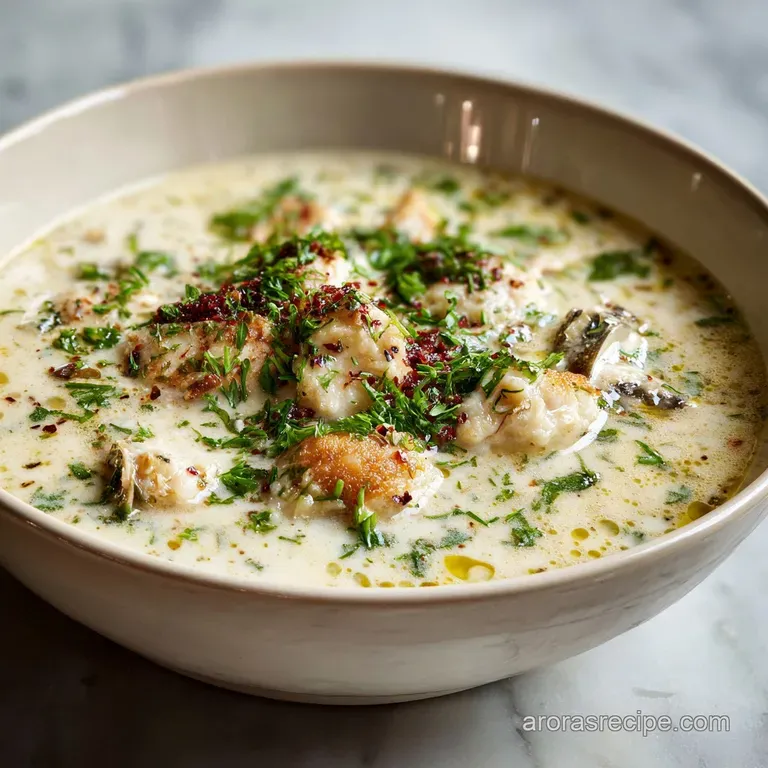
- Drain the oysters. Place a fine mesh strainer over a bowl and pour the oysters in. Note: Save every drop of that liquor; it’s the heart of the flavor.
- Sauté the aromatics. Melt 2 tablespoons of butter in your pot over medium low heat until it begins to foam.
- Soften the vegetables. Add the minced celery and shallot. Cook for 5 minutes until they are translucent and soft.
- Infuse the dairy. Pour in the whole milk, heavy cream, celery salt, white pepper, and the reserved oyster liquor.
- Scald the milk. Heat the mixture over medium low heat for about 8 minutes. Note: Watch for small bubbles around the edges; do not let it reach a full boil.
- Season the base. Stir in the Worcestershire sauce and the pinch of nutmeg.
- Poach the oysters. Gently slide the oysters into the warm milk.
- Watch for the curl. Cook for 3 to 5 minutes until the oyster edges begin to curl and ruffle.
- Mount with butter. Turn off the heat and whisk in the remaining 2 tablespoons of butter (or your grated frozen butter).
- Final garnish. Ladle into warm bowls and top with fresh parsley and a dust of smoked paprika.
Troubleshooting Common Stew Issues
Why is my milk curdling?
This usually happens because the heat was too high or the oysters were too acidic. If you see the milk starting to separate, immediately remove the pot from the burner and whisk in a splash of cold milk. To prevent this, never let the stew boil once the dairy is added.
Why does it taste bland?
Oysters vary in saltiness depending on where they were harvested. If it tastes "thin," don't just add salt. Try another dash of Worcestershire or a tiny squeeze of lemon juice. The acid will brighten the mineral notes of the seafood without making it salty.
| Problem | Root Cause | Solution |
|---|---|---|
| Rubbery Oysters | Overcooking | Remove from heat as soon as the edges ruffle. |
| Gritty Texture | Shell fragments | Always strain the oyster liquor through a fine mesh. |
| Thin Broth | low-fat content | Whisk in an extra tablespoon of cold butter at the end. |
Common Mistakes Checklist
- ✓ Don't skip straining the liquor; sand will ruin the velvety experience.
- ✓ Never let the milk reach a rolling boil, or it will shatter the proteins.
- ✓ Avoid using "pre cooked" canned oysters; the texture will be mushy.
- ✓ Use white pepper instead of black to keep the broth looking pristine and "clean."
- ✓ Preheat your serving bowls so the stew stays warm without further cooking.
Customizing Your Seafood Bowl
If you want to venture away from the Nashville style classic, there are a few ways to tweak this without losing the soul of the dish. For a Southern Spice Version, add a dash of hot sauce (like Tabasco) and a pinch of Old Bay seasoning during the milk heating phase.
It adds a back of-the throat heat that pairs beautifully with the creamy dairy.
For a New England Twist, you can sauté a few small diced potatoes with the celery. You'll need to simmer the potatoes in the milk for about 12 minutes before adding the oysters to ensure they are fork tender. This makes the stew feel more like a hearty meal. If you enjoy this style of cooking, you might also like a Chicken and Sausage Stew recipe for those nights when you want something even more rustic.
Making it Budget Friendly
Oysters can be pricey, but you can stretch this recipe by adding more "filler" that absorbs the flavor. The Bread Method: Serve the stew over a thick slice of toasted sourdough. The bread soaks up the liquor and makes the portion feel double the size.
The Cracker trick: Crushing saltines directly into the bowl is the traditional way to thicken the stew without buying expensive heavy cream.
Safe Storage and Reheating
Seafood is temperamental, so storage requires care. Store any leftover Grandpas Oyster Stew in an airtight glass container in the fridge for no more than 2 days. The oysters will continue to soften in the liquid, so they won't be quite as plump the next day, but the flavor of the broth actually deepens.
Zero Waste Tip: If you have leftover broth but no oysters, use it as a base for a quick seafood pasta. Toss it with some linguine and a handful of frozen shrimp for a completely different meal. The oyster shells can actually be crushed and used in your garden to add calcium to the soil!
When reheating, do not use the microwave. It will turn the oysters into rubber balls. Instead, pour the stew into a small saucepan and heat over the lowest setting on your stove, stirring constantly, until it is just steaming.
Serving and Pairing Suggestions
This stew is traditionally served with oyster crackers or saltines nothing fancy. The crunch of the cracker against the silky broth is essential. If you're looking for a vegetable side, a simple side salad with a sharp vinaigrette helps cut through the richness of the butter and milk.
- If you want more crunch, try topping the bowl with a few pieces of crumbled, crispy bacon.
- If you want more brightness, add a teaspoon of fresh chives right at the end.
- If you want a fuller meal, pair this with a crusty baguette to mop up every drop of the briny gold at the bottom of the bowl.
Trust me, once you master the "smiling" milk technique, you'll never look at store-bought canned soup the same way again. It's a humble dish that feels like a luxury, exactly the way Grandpa intended. Enjoy every spoonful!

Recipe FAQs
Can I use pre-shucked, jarred oysters instead of fresh?
Yes, jarred shucked oysters work perfectly fine. Ensure you reserve all the liquid from the jar, as this is crucial for the base flavor of the broth.
How do I keep the oyster proteins from becoming rubbery?
Remove the stew from the heat as soon as the oyster edges begin to curl. Do not allow the dairy base to reach a full boil once the oysters are added, as this overcooks the delicate seafood quickly.
How far in advance can I prepare components of this stew?
Infuse the milk with aromatics (celery/shallot) up to 24 hours ahead of time. Simply strain the solids out of the milk mixture before proceeding with the rest of the recipe later.
How to prevent the whole milk from scorching on the stovetop?
Use a heavy bottomed pot and maintain medium low heat throughout the dairy infusion stage. Stir frequently, especially near the bottom of the pot, to ensure even heat distribution and prevent sticking.
Is it true that I must use heavy cream for a silky texture?
No, whole milk is traditional and sufficient for the base. A small amount of heavy cream added near the end boosts richness, but the real silkiness comes from whisking cold butter in off the heat.
What is the best way to reheat leftover oyster stew?
Gently reheat leftovers on the stovetop over the lowest possible heat setting. Never use a microwave for reheating, as the rapid, uneven heating will certainly toughen the oysters immediately.
How should I thicken the broth if it tastes too thin?
Whisk in an extra tablespoon of cold, high fat butter right at the end when the heat is off. This technique creates a beautiful emulsified finish without adding flour or changing the pure flavor profile.
Grandpas Oyster Stew Recipe
Ingredients:
Instructions:
Nutrition Facts:
| Calories | 468 kcal |
|---|---|
| Protein | 18.9 g |
| Fat | 32.4 g |
| Carbs | 17.2 g |
| Fiber | 0.6 g |
| Sugar | 12.1 g |
| Sodium | 785 mg |
