Spring Meals: Halibut with Lemony Capers
- Celebrating the Season: The Ultimate Springtime Halibut Dish
- Mastering Texture and Balance: Why This Dish Sings
- Essential Ingredients for Your Pan-Seared Halibut
- Expert Notes on Ingredient Swaps and Prep
- Step-by-Step Method: From Prep to Plating
- Chef’s Secrets and Troubleshooting Common Issues
- Planning Ahead: Storage, Shelf Life, and Safety
- Complementary Sides for This Spring Dish
- Recipe FAQs
- 📝 Recipe Card
Celebrating the Season: The Ultimate Springtime Halibut Dish
When that first hint of warmth hits the air and the farm stands start groaning under the weight of green shoots, my kitchen just transforms. The aroma of citrus and fresh herbs, mixed with the slight whisper of butter hitting a searing hot pan, is pure heaven.
It signals the start of light, bright, and truly unforgettable Spring Meals .
Forget heavy roasts or complicated slow cooks for a second. We’re talking about an elegant, restaurant quality plate of food that takes you under 40 minutes, start to finish.
This is genuinely a lifesaver when you want to impress dinner guests or just treat yourself after a long day, without needing to spend a fortune or dirty every pot in the house.
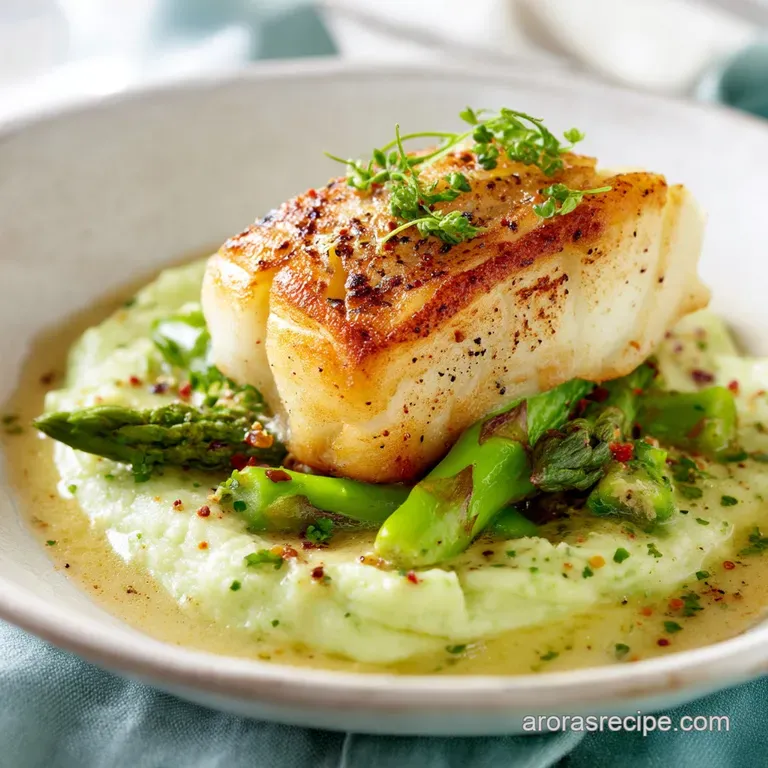
This specific recipe pan-seared halibut nestled on a vibrant green purée, drizzled with a sharp, salty vinaigrette is my absolute favourite transition dish. If you are looking for healthy Spring Meals that deliver on flavour and texture, this is the blueprint.
Let’s crack on and elevate your weeknight dinner game immediately.
Mastering Texture and Balance: Why This Dish Sings
You know those dishes that look simple, but every bite offers a new little surprise? That’s what we’re aiming for here. The secret to great Spring Meals is balancing richness with intense brightness, and this recipe absolutely nails it.
The Flavour Profile: Bright, Zesty, and Earthy
The base is the purée: intensely earthy from the asparagus and subtly sweet from the peas. Mint cuts through the richness, lending a beautiful, cooling finish. Then you hit the halibut, which is delicate and buttery, encased in a shatteringly crisp crust.
Finally, the lemon caper vinaigrette acts like a high five, delivering sharp, salty acidity that wakes up your whole palate. The best Spring Meals shouldn't be heavy, they should be invigorating.
Prep Time: Achieve Sophistication in Under 40 Minutes
I’m a firm believer that if a recipe requires three hours of active chopping, it belongs on the weekend. This is designed for speed. By coordinating the three elements blanching the greens, searing the fish, and whisking the dressing you minimize waiting time.
Most of the prep can be done before the pan even hits the heat, making quick Spring Meals totally achievable.
What Makes This the Perfect Spring Meal?
The use of seasonal ingredients harvested when they are at their peak sweetness and tenderness is truly the key here. Fresh asparagus, garden peas, and zingy lemons are all shouting "Spring!" and they combine naturally without needing heavy spices or complex sauces to mask their flavour.
This focus on simplicity and freshness is the hallmark of truly perfect Spring Meals .
The Maillard Reaction: Achieving the Perfect Halibut Crust
Why is a hot pan so critical? We’re chasing the Maillard reaction, darling! It's the chemical process that gives you that deep, nutty, golden brown crust on the halibut. When the outside of the fish hits screaming hot fat, the sugars and amino acids caramelize, transforming the texture from delicate to complex.
Trust me on this: A perfectly executed sear transforms plain fish into gourmet fare, and it’s the cornerstone of successful Spring Meals like this.
Temperature Contrast: Warm Fish vs. Cool Purée
One subtle trick that chefs use is temperature contrast. We serve the halibut piping hot, straight from the pan. The purée, while warmed gently, is slightly cooler and creamy. This difference adds another layer of sensory interest.
It makes the dish feel dynamic and lively, rather than just uniform, elevating these light Spring Meals far above average.
Acid as Counterpoint: How the Caper Vinaigrette Elevates Richness
Halibut is a relatively fatty fish, and it's cooked in butter and oil. If you didn't add acid, the dish would feel heavy and cloying. The sharp lemon juice and the briny pop of the capers slice through that richness perfectly, leaving your mouth refreshed and ready for the next bite.
This is simple kitchen logic: rich flavour needs bright acid, especially when planning delicate Spring Meals .
Essential Ingredients for Your Pan-Seared Halibut
When I’m making high-quality Spring Meals , I focus on quality over quantity. This list is short, but every item has a job to do.
- Halibut Fillets: Must be firm and smell fresh, like the ocean. About 6 oz portions are ideal for searing.
- Asparagus: Look for thin, bright green spears. The woody bottoms need to be snapped off they don’t purée well!
- Peas: Frozen peas are fine, honestly, as they are flash frozen at peak freshness. If you have fresh shelling peas, even better!
- Fresh Mint: Essential for the purée. Do not skip this; it adds that defining spring flavour.
- Lemon: Needs to be zesty. You need both the juice for acidity and the zest for aromatic oils.
- Capers: Briny, salty, little flavour bombs. They create incredible depth in the vinaigrette.
Expert Notes on Ingredient Swaps and Prep
What happens if you can't find halibut or run out of crème fraîche? No worries. Great Spring Meals are adaptable.
Selecting the Best Halibut Fillets
When shopping for this recipe, aim for fillets that are uniform in thickness. This ensures they cook evenly, which is crucial for perfect Spring Meals . If your fillets taper significantly, you’ll need to adjust the cooking time or carefully fold the thinner end under before searing.
Always buy skin-on if possible, even if you plan to remove it later, as the skin protects the fish.
Key Elements: Fresh Asparagus and Sweet Peas
The synergy between asparagus and peas is what makes the purée so lush. Asparagus provides that green, almost nutty earthiness, while peas bring the sweetness. To retain that brilliant, vibrant green colour the signature of good Spring Meals —you must shock the blanched vegetables in an ice bath immediately after cooking.
This halts enzymatic action and locks in the colour.
Building the Vinaigrette: Capers, Lemon Zest, and Oil
The vinaigrette is a simple emulsion, meaning you are forcing oil and acid (lemon juice) to mix using an emulsifier (Dijon mustard). The zest is crucial; it contains the potent oils that give you instant brightness without increasing the overall acidity. Whisk vigorously and season incrementally.
| Ingredient | Viable Substitution | Why It Works |
|---|---|---|
| Halibut | Thick Cod or Chilean Sea Bass | Similar mild flavour, firm white flesh, holds up to searing. |
| Capers | Finely Chopped Kalamata Olives | Provides the necessary salinity and briny pop. |
| Crème Fraîche | Heavy Cream or Greek Yogurt | Adds richness and creaminess without thinning the purée. |
| Fresh Mint | Basil or Parsley | Provides a contrasting herbaceous note, though the flavour profile will change slightly. |
Alternative Seasonal Green Vegetables
If asparagus or peas aren’t looking their best, you can easily substitute them to maintain the deliciousness of these Spring Meals . Try using 250g of shelled fava beans, or even blanched watercress blended with a handful of spinach.
Just remember that denser greens like kale will require a longer cooking time and more stock to reach a smooth consistency.
Substituting Halibut (White Flaky Fish Alternatives)
Halibut is pricey, I get it. If you're on a budget but still want sophisticated Spring Meals , look for thick cut, good quality Cod or even Tilapia (if you can get it thick enough).
The searing time will be similar, but cod might require slightly more basting to ensure the center cooks through without drying out. The principle remains the same: high heat, dry surface, and minimal movement.
Prepping the Purée Base for Maximum Brightness
Don't use boiling water from the kettle to blanch your greens; you need a rolling boil and plenty of salt. Salted water keeps the vegetables green and seasons them from the inside out. Once the greens are blanched, the ice bath must be truly icy.
This rapid temperature drop ensures your final purée is the most vibrant possible green, which is exactly what we want from visually appealing Spring Meals .
step-by-step Method: From Prep to Plating
Let’s coordinate this bad boy. We start with the dressing since it can sit, then the purée, and finally the star of these Spring Meals , the fish.
Step 1: Preparing the Vibrant Asparagus Pea Purée
- Blanch the Greens: Bring a large pot of salted water to a serious boil. Add the asparagus (excluding the reserved tips) and cook for 2 minutes. Immediately transfer to an ice bath. Then, cook the peas for 2 minutes. Drain well.
- Blend: Combine the shocked asparagus, cooked peas, vegetable stock, and chopped mint in a high speed blender. Blitz until completely smooth. If it looks like it’s struggling, add stock a tablespoon at a time.
- Finish: Stir in the crème fraîche for richness, if using. Season aggressively with sea salt and a touch of white pepper. Keep warm over the lowest heat setting while you cook the fish.
Step 2: Pan-Searing the Halibut to Flaky Perfection
- Dry and Season: This is the most important step for high ranking Spring Meals . Pat those fillets bone dry. Season generously on all sides with salt and pepper.
- Heat the Pan: Use your heaviest pan (cast iron is ideal) over high heat. Add the olive oil. Wait until it shimmers slightly this means the pan is ready.
- Sear: Gently place the halibut fillets away from you in the hot oil. Leave them alone! Sear for 3– 4 minutes until the bottom third is deeply golden. Do not nudge it.
- Flip and Baste: Reduce the heat to medium. Flip the fillets. Add the butter to the pan. Tilt the pan slightly and use a spoon to continuously scoop the foaming butter over the fish for the final 2– 3 minutes. The fish is done when it flakes easily with a fork. Let it rest for two minutes off the heat.
Step 3: Whisking the Zesty Lemon Caper Vinaigrette
While the fish rests, give the dressing a final stir. It should be slightly thickened. Taste it! Does it need more salt? Often, the capers provide enough, but a tiny pinch can lift the flavour.
Chef's Note: If your vinaigrette has separated (the oil and acid aren't mixing), add half a teaspoon of warm water and whisk rapidly. It often helps bring the emulsion back together, saving your delicious Spring Meals .
Step 4: Layering and Final Presentation
- Garnish Prep: While the halibut rests, quickly blanch the reserved asparagus tips until they are just tender crisp.
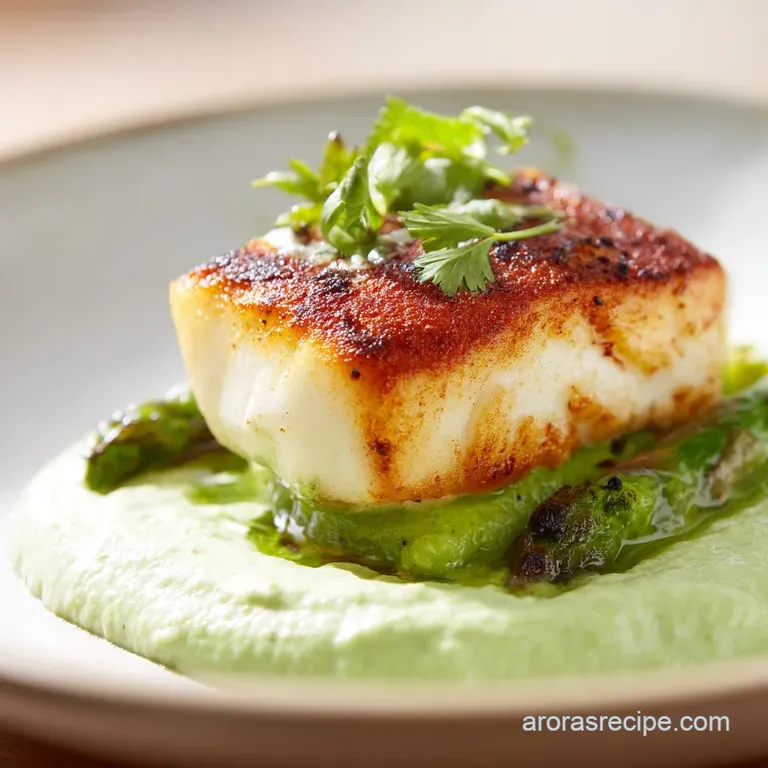
- Plate: Spoon a generous layer of the vibrant purée onto the center of a warm plate. Swirl or drag the spoon back for an artistic presentation.
- Top: Carefully place the resting halibut fillet on top of the purée.
- Dress: Drizzle the vinaigrette artfully over the fish and around the plate. Garnish with the bright green asparagus tips and serve immediately. This stunning presentation truly elevates these healthy Spring Meals .
Chef’s Secrets and Troubleshooting Common Issues
I’ve made every mistake in the book, so you don't have to. Learning from kitchen disasters is part of mastering delicious Spring Meals .
How to Prevent Halibut From Sticking to the Pan
Sticking happens for two reasons: not enough heat, or too much moisture. I once tried to rush the process and didn't pat my fish dry, resulting in a shredded, steaming mess a culinary crime when preparing delicate Spring Meals .
The Fix:
- High Heat: Ensure your pan is ripping hot.
- Dry Fish: Use three layers of paper towel to suck up every drop of surface moisture before seasoning.
- Don’t Touch It: Once the fish is in the pan, resist the urge to move it for the first 3 minutes. When a good crust forms, the fish will naturally release from the pan surface.
Achieving a Smooth, Non-Gritty Purée Consistency
Asparagus can be stringy, especially near the bottom. If your purée is gritty, you’ve either used the woody ends, or you didn't blend it long enough.
The Fix:
- Snap Test: Always snap the asparagus spears where they naturally break this ensures you only use the tender part.
- Strain (Optional): If your blender isn't high powered, pass the purée through a fine mesh sieve after blending. It’s extra work, but guarantees a silken texture ideal for elegant Spring Meals .
- Avoid Overcooking: Overcooked greens turn fibrous and are impossible to blend smoothly.
Planning Ahead: Storage, Shelf Life, and Safety
These delicious Spring Meals can absolutely be prepped in advance, making weekday dining even easier.
Storing Cooked Halibut and Purée Components
The purée is the easiest component to store. Once cooled, transfer it to an airtight container. It will keep beautifully in the refrigerator for up to 3 days. The vinaigrette, thanks to the oil and acid, can be stored at room temperature for a few hours, or kept covered in the fridge for up to a week.
Halibut, however, is best eaten immediately. Cooked fish starts to dry out quickly. If you must store it, use an airtight container and refrigerate for no more than 1 day to retain safety and flavour in these quick Spring Meals .
Reheating Instructions for Retaining Texture
You can gently reheat the purée in a small saucepan over low heat, adding a splash of stock or water if it seems too thick. For the halibut, avoid the microwave at all costs! It will turn the beautiful flaky texture rubbery.
Instead, place the cold fish on a baking sheet and reheat gently in a preheated oven at 150°C (300°F) for about 5 to 7 minutes, until just warmed through. This low, slow method keeps the integrity of these fine Spring Meals .
Note on Freezing Individual Components
The purée freezes surprisingly well! Freeze it in an airtight container for up to 3 months. Thaw overnight in the fridge, then reheat slowly and give it a quick re-blitz if the texture looks slightly separated. Do not freeze the halibut.
Frozen and thawed white fish loses its wonderful flaky texture, which would totally ruin the luxurious feel of these Spring Meals .
Complementary Sides for This Spring Dish
These bright Spring Meals really don't need much accompaniment, but sometimes you just want something extra to round out the plate.
Pairing Wines and Non-Alcoholic Beverages
When you’re serving a delicate, flaky fish paired with bright acid and fresh greens, you want a wine that doesn't overpower it. A crisp, unoaked white is mandatory. Think Sancerre or a New Zealand Sauvignon Blanc.
If you are looking for non-alcoholic Spring Meals beverages, a dry lemon soda or a cucumber and mint infused water works wonders to complement the fresh herbaceous notes.
Recommended Simple Starch Accompaniments
Since the purée provides plenty of body, keep the starch light. My personal favourite is simple New Potatoes, boiled until tender and tossed immediately with butter and finely chopped chives. The delicate, earthy flavour of new potatoes works perfectly alongside the complexity of the halibut and vinaigrette.
Alternatively, a small serving of plain couscous tossed with a little olive oil makes a lovely addition to these beautiful Spring Meals .
Enhancing the Presentation: Garnish Ideas
We’ve already included the blanched asparagus tips, but you can always do more. A tiny sprinkle of flaky sea salt (Maldon is my go-to) right over the seared crust adds visual sparkle and textural crunch.
A few edible flowers, like pansies or viola, look gorgeous and instantly signal that this is an elevated plate. Don't underestimate the power of a few extra herbs a sprinkle of microplane lemon zest or chopped chives over the top of the vinaigrette really makes these delicious Spring Meals pop.
This commitment to fresh, vibrant flavour and elegant presentation is why this dish is the highlight of all my favourite Spring Meals .

Recipe FAQs
Can I use a different type of fish if Halibut is unavailable?
Absolutely; this recipe works well with any firm, white fleshed fish, such as cod, sea bass, or thick cut snapper. Ensure the fillet is at least 1 inch thick for proper searing time, as thinner cuts will require significantly less time (around 3-4 minutes per side) to prevent overcooking.
Monitor the internal temperature, regardless of the substitution, for the best flaky results.
How do I prevent my pan-seared halibut from becoming dry or tough?
Halibut is naturally lean, making overcooking the main culprit for dryness. For perfectly cooked fish, aim for an internal temperature of 130 135°F (54 57°C) using an instant read thermometer, removing it immediately once achieved.
Also, ensure your pan and oil are piping hot before the fish is added to quickly establish a golden, moisture locking crust.
Can I use frozen peas and asparagus for the purée instead of fresh?
Yes, frozen vegetables are a convenient and cost effective option for the purée, and they retain their vibrant color well. Do not thaw the vegetables before using; drop them directly into boiling water, but reduce the blanching time to about 3 minutes to keep them bright green and prevent mushiness.
Shock them immediately in ice water once blanched.
The recipe calls for butter in the purée. How can I make this dairy-free or vegan?
To achieve a creamy, velvety texture without dairy, substitute the butter with a tablespoon of high-quality olive oil or a plant based butter alternative when blending. Alternatively, you can add a quarter cup of soaked, drained cashews to the blender along with the peas and asparagus, which provides natural richness and body to the purée.
Can the purée and vinaigrette be prepared ahead of time?
Both the asparagus pea purée and the lemon caper vinaigrette are excellent components for make-ahead meal prep and can be stored in airtight containers for up to 48 hours in the refrigerator.
For serving, gently reheat the purée on the stovetop, whisking in a splash of water or vegetable stock to restore its smooth consistency, but always sear the fish immediately before plating.
My lemon caper vinaigrette tastes too salty and acidic. How do I balance the flavor?
The saltiness usually comes from the preserved capers, while the acidity is from the lemon juice; balance this by adding a small pinch of granulated sugar or a few drops of maple syrup to round out the tartness.
If still too salty, introduce another tablespoon of good olive oil to help dilute the sodium content without compromising the vibrant texture.
Is this recipe naturally gluten-free?
Yes, as written, the Pan-Seared Halibut with Asparagus Pea Purée is entirely gluten-free, relying only on fresh produce, quality fish, and simple, natural fats. If plating with a side starch, ensure you use a gluten-free grain like rice or quinoa, and always confirm ingredient labels on vinegars and capers if severe sensitivities are a concern.
Halibut With Spring Pea Puree
Ingredients:
Instructions:
Nutrition Facts:
| Calories | 472 kcal |
|---|---|
| Protein | 40.2 g |
| Fat | 26.1 g |
| Carbs | 11.4 g |
