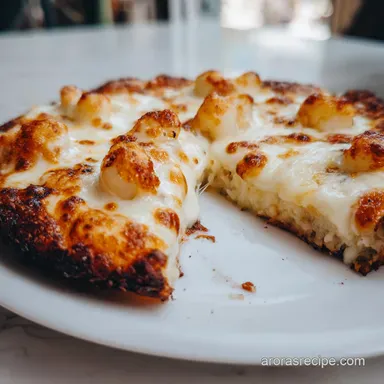
Homemade Pizza Recipe: Crispy Crust

- Time: 25 min active + 45 min resting = 85 min total
- Flavor/Texture Hook: Mahogany gold, crispy edges with a velvety cheese pull
- Perfect for: Friday night family traditions or a cozy date night
- The Best Homemade Pizza Recipe
- The Secret To That Rise
- Essential Ingredient Breakdown
- Everything You Need
- Tools For Success
- Step By Step Process
- Fixing Common Pizza Problems
- Troubleshooting Common Issues
- Adjusting Your Batch Size
- Common Pizza Myths
- Keeping Your Pizza Fresh
- Serving Your Creation
- Recipe FAQs
- 📝 Recipe Card
The Best Homemade Pizza Recipe
That smell is the first thing that hits you - that heady, sweet scent of blooming yeast mixing with the sharp, savory aroma of garlic hitting hot olive oil. I remember the first time I tried to make a pie at home in my little Nashville apartment.
I thought I needed some expensive Italian stone and a wood fired setup to get that authentic char. I spent way too much money on gear I didn't know how to use, and my first few crusts were basically cardboard crackers.
But here is the secret I learned after a few messy weekends: you don't need a professional studio to get a great result. All you really need is a scorching hot oven and a bit of patience with your dough. This homemade pizza recipe is the result of those mistakes.
It's designed for the home cook who wants that "pizzeria" feel without the stress or the overpriced equipment.
We are going for a classic, comfort style pie here. Think of it as the kind of meal that makes the whole house smell like a Sunday afternoon. You'll get a crust that's sturdy enough to hold plenty of toppings but has those airy, chewy pockets that make it feel legit. Let's get into how we make this happen.
The Secret To That Rise
I've always been fascinated by why some doughs turn into bricks while others float. When you're following this homemade pizza recipe, a few things are happening behind the scenes to make sure your crust doesn't fail you.
Yeast Activation: The sugar isn't for sweetness, it's fuel. It gives the yeast an immediate energy source to produce carbon dioxide, which creates those tiny bubbles that make the dough airy.
Gluten Development: Kneading isn't just about mixing; it's about building a web. By working the dough, we create a protein structure that traps the gas from the yeast, allowing the crust to rise instead of flattening out.
Over High heat Blast: When the dough hits a 475°F surface, the water in the dough turns to steam instantly. This creates a rapid expansion, giving you that mahogany gold exterior and a soft interior.
Moisture Balance: Using low moisture mozzarella is a conscious choice. High moisture fresh mozzarella can release too much water, leading to that dreaded "soup" in the middle of your pie.
Right then, before we dive into the ingredients, let's look at how this classic method compares to the "quick" versions you see online. Trust me, the extra 45 minutes of resting is where the magic happens.
| Feature | Quick No Yeast Method | Classic Yeast Method | The Impact |
|---|---|---|---|
| Rise Time | 0 minutes | 45 minutes | Yeast creates a far airier, chewier crumb |
| Texture | Dense, biscuit like | Light and elastic | Classic method feels like real pizzeria dough |
| Flavor | Flat, floury | Complex, fermented | Resting allows the flavors to develop |
Essential Ingredient Breakdown
When you're making this homemade pizza recipe, the quality of your basics matters. I don't believe in over complicating things, but knowing what each part does helps you fix things if they go sideways.
| Ingredient | Science Role | Pro Secret |
|---|---|---|
| All Purpose Flour | Provides the structure | Sift it first to avoid lumps in the dough |
| Active Dry Yeast | The lifting agent | Ensure water is warm, not hot, or you'll kill it |
| Olive Oil | Tenderizes the crumb | Use extra virgin for a richer, more fruity taste |
| Sea Salt | Controls yeast growth | Salt keeps the rise steady and adds depth |
I usually stick to all purpose flour because it's what most of us have in the pantry, but if you want a slightly chewier, "New York" style bite, you can swap in bread flour. According to King Arthur Baking, bread flour has a higher protein content, which creates a stronger gluten network.
Everything You Need
For this homemade pizza recipe, we keep it simple. No fancy imported powders, just real food. I've listed the substitutions here too, just in case you're staring at an empty pantry.
For the Dough:
- 2 1/4 tsp active dry yeastWhy this? Standard packet size for a consistent rise
- 1 cup warm water (approx 110°F)
- 1 tsp granulated sugarWhy this? Feeds the yeast for a better lift
- 3 cups all purpose flourWhy this? Versatile and creates a soft, foldable crust
- 2 tbsp extra virgin olive oil
- 1 tsp fine sea salt
For the Sauce:
- 1 can (15 oz) crushed tomatoesWhy this? Better texture than paste, thicker than puree
- 2 cloves garlic, minced
- 1 tbsp extra virgin olive oil
- 1 tsp dried oregano
- 1/2 tsp dried basil
- 1/2 tsp salt
- 1/4 tsp black pepper
For the Toppings: - 8 oz low moisture mozzarella cheese, shredded Why this? Melts evenly without making the crust soggy - 4 oz pepperoni slices
Substitution Table
| Original Ingredient | Substitute | Why It Works |
|---|---|---|
| All Purpose Flour | Bread Flour | Higher protein. Note: Result is chewier and slightly tougher |
| Active Dry Yeast | Instant Yeast | Faster acting. Note: Skip the 10 min foaming step |
| Mozzarella | Provolone/Monterey Jack | Similar melt point. Note: Changes the traditional flavor profile |
| Pepperoni | Italian Sausage/Mushrooms | Adds savory fat. Note: Sauté mushrooms first to remove water |
It's worth noting that if you're in a real rush, you can actually use a Bread Machine Pizza Dough to handle the kneading and rising for you. It's a lifesaver on weeknights.
Tools For Success
You don't need a commercial kitchen, but a few specific tools make this homemade pizza recipe much easier to manage.
- Large Mixing Bowl: Something you can really get your hands into.
- Baking Sheet or Pizza Stone: A heavy duty sheet is fine, but a stone distributes heat more evenly.
- Rolling Pin: Or just your hands if you prefer a more rustic look.
- Parchment Paper: This is my "insurance policy" against the pizza sticking to the pan.
- Pizza Cutter: A wheel is fine, but a large rocker blade is a total dream for clean slices.
Step by step Process
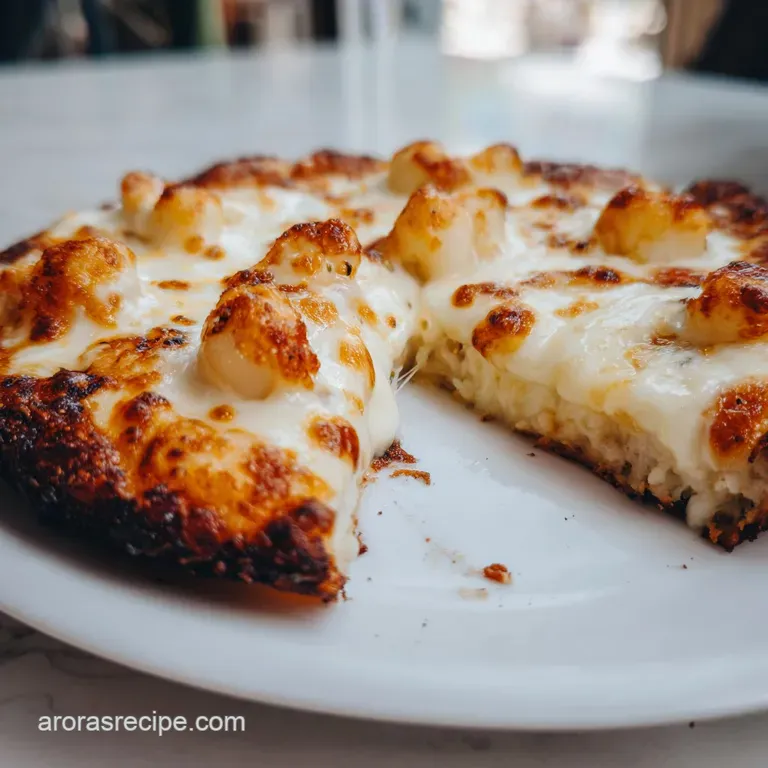
Let's crack on. This is the "flow" of the evening. If you follow these steps, you'll avoid the common pitfalls of home baking.
Bloom the yeast. Combine your warm water, sugar, and yeast in a bowl. Let it sit for 5-10 minutes until the top is foamy and smelling sweet. Note: If it doesn't foam, your yeast is dead; start over with fresh yeast.
Mix the base. Gradually stir in the flour, salt, and olive oil. Mix with a wooden spoon until a shaggy dough forms and pulls away from the sides of the bowl.
Knead for strength. Turn the dough onto a floured surface. Knead for 5-7 minutes until the dough feels smooth and bounces back when you poke it with your finger.
The first rise. Place the dough in a lightly oiled bowl and cover it with a damp cloth. Let it rest in a warm spot for 45 minutes until it has doubled in size.
Sauté the sauce. While the dough rests, heat olive oil in a pan. Sauté minced garlic for 1 minute until fragrant but not brown, then stir in crushed tomatoes, oregano, basil, salt, and pepper.
Simmer for 10 minutes until slightly thickened.
Preheat the heat. Set your oven to 475°F (245°C). If using a baking sheet, leave it inside the oven to get hot. Note: A hot pan is the key to a crispy bottom.
Shape the pie. Roll out your dough to your desired thickness on parchment paper. Spread a thin layer of your homemade sauce, then cover with mozzarella and pepperoni.
The final bake. Slide the pizza (and the parchment) onto the preheated sheet. Bake for 12-15 minutes until the cheese is bubbling and the crust is mahogany gold.
Chef's Note: Don't overload the center with toppings! If you put too much sauce or cheese in the middle, the dough won't cook through, and you'll end up with a soggy center. Keep it light.
Fixing Common Pizza Problems
Even the best of us have a "pizza disaster" every now and then. Usually, it's just a matter of temperature or timing. When you're using this homemade pizza recipe, keep an eye out for these specific issues.
Troubleshooting Common Issues
| Issue | Solution |
|---|---|
| Why Your Dough Didn't Rise | This is usually a temperature issue. If your water was too hot (over 130°F), you likely killed the yeast. If it was too cold, the yeast is just sleeping. Make sure your kitchen is warm, or put the bow |
| Why Your Crust Is Soggy | Sogginess usually comes from two things: too much sauce or a cold pan. Always preheat your baking sheet. Also, make sure your toppings aren't "wet" - if you're using fresh mozzarella or canned pineapp |
| Why Your Cheese Burned | If your cheese is blackening before the crust is done, your rack is too high. Move the pizza to the lower third of the oven. This puts the dough closer to the heat source and protects the cheese. Tr |
Common Mistakes Checklist
- ✓ Did you check if the yeast foamed before adding flour?
- ✓ Is the oven fully preheated to 475°F?
- ✓ Did you pat dry your toppings?
- ✓ Did you use a thin layer of sauce instead of a thick one?
- ✓ Is the baking sheet preheated?
Adjusting Your Batch Size
Depending on if you're feeding a solo craving or a whole football team, you might need to tweak this homemade pizza recipe.
Scaling Down (1 Medium Pizza): If you're cutting the recipe in half, the trickiest part is the egg (if you were using one, but we aren't here) or the yeast. Use 1 1/8 tsp of yeast and 1.5 cups of flour.
Reduce the bake time by about 2 minutes, as a single pizza doesn't absorb as much oven heat as two.
Scaling Up (4-6 Medium Pizzas): When doubling or tripling, don't just multiply the salt and spices by the same amount - go about 1.5x for the salt to avoid an overly salty crust. Work in batches.
If you try to crowd four pizzas into one oven, the temperature will drop, and you'll lose that crispy bottom.
Baking Adjustments: If you're baking multiple pies at once on different racks, rotate them halfway through. Lower the temp to 450°F (230°C) and extend the time by 3-5 minutes to ensure the bottom racks don't burn while the top ones stay raw.
Common Pizza Myths
There are a lot of "rules" about pizza that are actually just myths. Let's clear a few things up so you can enjoy this homemade pizza recipe without the stress.
The Rolling Pin Myth: Some people say you should never use a rolling pin because it "pops the bubbles." While that's true for a Neapolitan style with a puffy edge, for a home style pie, a rolling pin ensures an even thickness. This means the whole pizza cooks at the same rate.
The "Seal the Juice" Myth: You might hear that searing toppings or pre cooking everything "seals in the flavor." In reality, we pre cook things like mushrooms or sausage just to remove excess water. If you put raw mushrooms on a pizza, they release water during the bake, which makes your crust soggy.
The Sugar Myth: Some think sugar is just for taste. Actually, sugar helps the crust brown. Without it, you'd have to bake the pizza much longer to get that mahogany color, which would dry out the dough.
Keeping Your Pizza Fresh
One of the best parts of this homemade pizza recipe is that the dough is actually great for meal prep. You don't have to make everything at once.
Storage Guidelines:
- Fridge: Store uncooked dough in an oiled, airtight container for up to 3 days. It will actually develop a slightly more complex, sourdough like flavor as it sits.
- Freezer: Wrap dough tightly in plastic wrap and then foil. It stays good for 3 months. Thaw it in the fridge overnight before using.
- Cooked Pizza: Keep slices in an airtight container for 4 days.
Zero Waste Tips: If you have leftover dough that you didn't use for the main event, don't toss it! You can roll it into strips, brush them with garlic butter, and bake them as Homemade Breadsticks for a great appetizer. Also, save any leftover sauce in a jar; it makes a great dip for those breadsticks or a base for a quick pasta dish.
Serving Your Creation
The final step of this homemade pizza recipe is all about the presentation. A pizza is a communal experience, so make it a moment.
I love to serve my pies on a wooden board with a drizzle of honey or a sprinkle of red pepper flakes. If you want to add a hit of freshness, throw some fresh basil leaves on top after the pizza comes out of the oven. If you bake the basil, it just turns black and loses its punch.
For a side, a simple arugula salad with lemon vinaigrette cuts through the richness of the mozzarella and pepperoni. It's that perfect balance of heavy and light. Right then, slice it up while it's hot, and enjoy the fact that you just made a professional grade pie in your own kitchen.
Trust me, once you go homemade, you'll never go back to the delivery box.
Recipe FAQs
What is needed to make a pizza at home?
Flour, yeast, water, sugar, olive oil, salt, crushed tomatoes, garlic, herbs, mozzarella, and pepperoni. If you enjoy mastering dough textures, you can apply similar measuring precision to our homemade cornbread.
Can a prediabetic eat pizza?
Yes, but in moderation. Focus on smaller portion sizes and balance the meal with fiber rich vegetables to manage blood sugar levels.
What ingredients do you put on homemade pizza?
Low-moisture mozzarella and pepperoni slices. These specific toppings provide the classic flavor and melt perfectly in a high heat oven.
Can dialysis patients have pizza?
Consult a medical professional first. Pizza is typically high in sodium and potassium, which may conflict with strict dialysis dietary restrictions.
Why didn't my pizza dough rise?
Your water temperature was likely incorrect. If water exceeds 130°F, the yeast dies; if it is too cold, the yeast remains dormant and won't bloom.
Is it true I can bake the pizza at any temperature?
No, this is a common misconception. You must preheat the oven to 475°F to ensure the crust achieves a mahogany gold color and crisp texture.
How to prevent a soggy crust?
Preheat the baking sheet or stone. Use a thin layer of sauce and ensure your toppings are not wet before adding them to the dough.
Homemade Pizza Recipe