How to Make Beef Gravy: Easy 10-Minute Roux Method
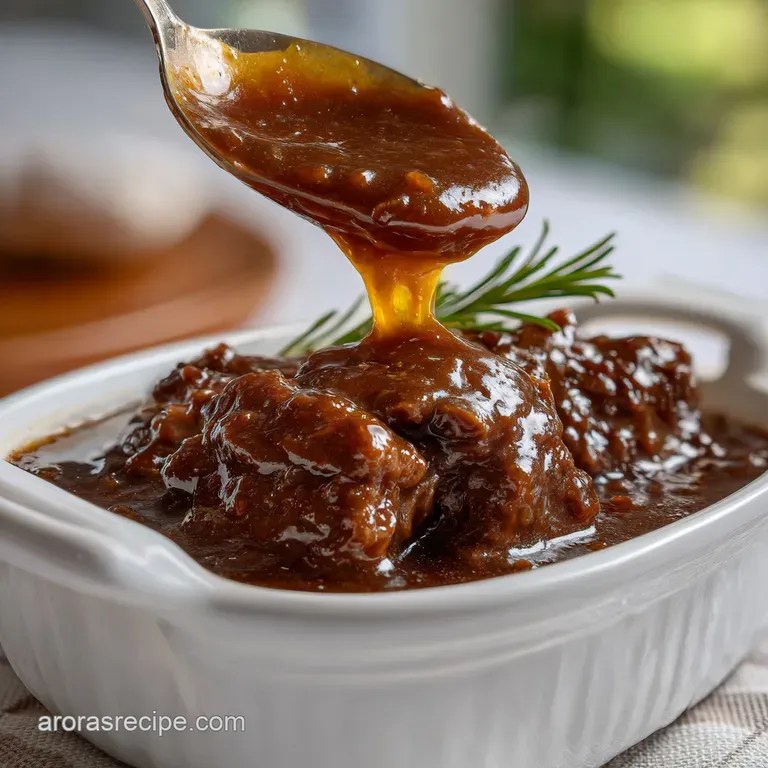
- The Ultimate Guide to Making Rich Beef Gravy from Scratch
- Essential Ingredients and Smart Substitutions
- Step-by-Step: How to Make Beef Gravy Perfectly
- Troubleshooting Common Gravy Mistakes
- Storing and Freezing Homemade Beef Gravy
- Pairing Your Gravy: Classic Serving Suggestions
- Nutrition Information
- Recipe FAQs
- 📝 Recipe Card
The Ultimate Guide to Making Rich Beef Gravy from Scratch
You know that feeling when you pull a roast out of the oven, and the whole kitchen smells like victory? But then you realize you still need to pull off the gravy and you’re sweating because everyone hates lumpy gravy.
I’ve been there. I’ve made thin, watery brown sauce, and I’ve made gloppy, floury mess. But I finally cracked the code on how to make beef gravy that is truly rich, deeply flavored, and velvety smooth in less time than it takes to set the table.
We’re talking 10 minutes, start to finish. This is the easy beef gravy recipe you’ll keep taped inside your cupboard. Learning how to make beef gravy this quickly changes weeknight dinners forever.
Ready to make beef gravy that will steal the show?
What Makes This Beef Gravy Recipe So Rich?
This isn't just about dumping ingredients in a pot. The deep flavor and smooth finish come down to one crucial food science step: the roux. Knowing how to make beef gravy starts right here.
The Science of the Roux: A roux is simply cooked fat and flour. When you gently heat the fat (drippings or butter) and flour together for a few minutes, the fat coats the individual starch granules in the flour.
This coating is critical because it prevents the starch granules from clumping together when you add the liquid. When the liquid hits the fat-coated flour, the starch molecules hydrate slowly and evenly, creating that silky, lump free texture.
Mastering this step is key to understanding how to make beef gravy .
The Temperature Rule: When adding liquid to the hot roux, the liquid must be cold or room temperature. Adding hot stock to a hot roux encourages the starch molecules to swell and seize up immediately, leading to a lumpy mess.
Adding cold liquid gives you time to whisk and incorporate the flour completely before the thickening process kicks off. This simple temperature control is vital for anyone asking how to make beef gravy without lumps.
Essential Ingredients and Smart Substitutions
This easy beef gravy recipe requires only a few key players. The goal is maximum flavor impact with minimum ingredients. Knowing these swaps is essential when you learn how to make beef gravy on the fly.
| Ingredient You Need | The Best Swap | Why This Swap Works |
|---|---|---|
| Fat/Drippings (from a roast) | Unsalted Butter (equal measure) | Provides richness and the necessary fat for the roux base. Using butter gives a slightly cleaner, dairy forward flavor, but the gravy remains beautifully smooth. Tip: Brown the butter slightly for a nuttier flavor. |
| All-Purpose Flour | Cornstarch (use half the amount of flour) | Creates a glossy, faster thickening slurry instead of a roux. Honest Trade Off: Cornstarch gravy is much clearer and lacks the opaque, mouth coating thickness you get from a classic flour roux. Great for gluten-free Diet needs. |
| Beef Broth/Stock | Better Than Bouillon (Mixed with Water) | Provides deep, savory flavor concentrate. While great for flavor, it often contains more sodium than traditional stock. Adjust added salt accordingly. |
| Worcestershire Sauce | Soy Sauce (Low Sodium) | Adds a necessary umami kick. Soy sauce provides salinity and depth, though it lacks the subtle vinegar tang of Worcestershire. |
Selecting the Best Beef Stock for Maximum Depth
The depth of your beef gravy from beef broth is completely dependent on the quality of your liquid. If you’re making gravy from a roast, use the leftover pan juices and scrape up those savory brown bits (the fond ) for liquid gold.
If you don't have drippings or fond, use low-sodium, high-quality beef stock. Avoid plain water it yields thin flavor. A good stock makes all the difference in your final product when you decide how to make beef gravy .
step-by-step: How to Make Beef Gravy Perfectly
Remember, speed is essential here. Have all your ingredients measured and ready to go. We're aiming for a 10 minute finish!
Prep Time: 5 minutes | Cook Time: 10 minutes | Yield: 8 servings
Step 1: Preparing the Browned Roux Base
In a medium saucepan or the skillet you used for your roast, melt 4 tablespoons of butter or beef drippings over medium heat. Once the fat is sizzling lightly, whisk in 4 tablespoons of all-purpose flour (or your chosen substitute see the table!).
Whisk continuously for 2 to 3 minutes until the mixture smells slightly nutty and turns a light golden brown color. This is the 'cooking out' stage. If you rush this, your finished gravy will taste raw and floury.
This darkens the Brown Gravy Recipe base, which is crucial for authentic flavor when you make beef gravy .
Step 2: Whisking in the Cold Liquid (Avoiding Lumps)
Remove the saucepan from the direct heat for 30 seconds. This allows the heat to drop slightly, ensuring you don't instantly steam the liquid.
Pour in 3 cups of cold beef stock (or beef gravy from beef broth ) slowly, whisking furiously as you pour. Whisking non-stop as the liquid hits the roux is the golden rule to avoid any lumpy patches.
The mixture will look thick and pasty at first, then suddenly smooth out as the liquid incorporates. This technique guarantees success when you master how to make beef gravy .
Step 3: Simmering Time and Final Reduction
Return the saucepan to medium heat. Add 1 teaspoon of Worcestershire sauce, ½ teaspoon of dried thyme (optional, but delicious), and fresh black pepper.
Bring the gravy up to a gentle simmer, whisking occasionally. Do not boil aggressively. As soon as it starts to bubble, the starch will activate, and the gravy will thicken. This only takes about 5 minutes. If you want a thicker gravy, simmer for 1 to 2 minutes longer.
If you want a thinner consistency, simply whisk in a splash more cold stock. The final texture is what defines good how to make beef gravy . Taste and add salt last. If you use drippings or salted stock, you might not need much!
This is genuinely the simplest way to make beef gravy that everyone will rave about.
For the ultimate Sunday dinner, this gravy is perfection poured over creamy mashed potatoes or my ultra crispy How To Make Wedges From Potatoes: Ultra Crispy Fluffy .
Troubleshooting Common Gravy Mistakes
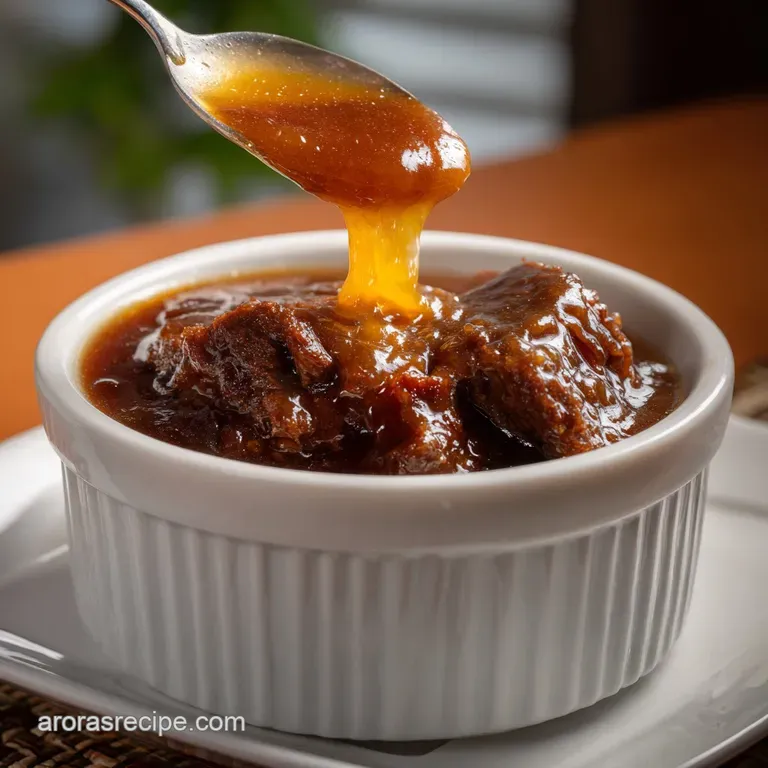
We all mess up sometimes. Here are the quick fixes for when things go slightly off plan when you make beef gravy .
| Uh-Oh Moment | Root Cause | The Fix |
|---|---|---|
| Gravy is Lumpy | Adding hot liquid to a hot roux; not whisking fast enough during liquid addition. | Remove from heat. Use an immersion blender or standard blender to smooth out the lumps. If you don't have one, push the gravy through a fine mesh sieve. |
| Gravy is Too Thin | Not enough roux (fat/flour ratio) or not enough simmering time. | Make a small slurry: Mix 1 tablespoon of cornstarch with 2 tablespoons of cold water. Whisk this mixture slowly into the simmering gravy and cook for 1 minute until thickened. This corrects thin beef gravy from beef broth . |
| Gravy Tastes Bland/Flat | Low-quality broth, or not cooking the roux long enough. | Whisk in a teaspoon of tomato paste or a small cube of beef bouillon for an instant flavor injection. A tiny splash of red wine vinegar can also brighten the taste. |
Storing and Freezing Homemade Beef Gravy
Because this is such a quick method, you might as well make beef gravy in a large batch! Many people prefer to freeze portions after learning how to make beef gravy from scratch.
Safe Refrigeration: How Long Does Gravy Last?
Homemade beef gravy from scratch is a perishable item because of its protein and fat content. Store leftover gravy in an airtight container in the refrigerator for up to 3 to 4 days.
The Best Way to Freeze and Reheat Gravy
Gravy freezes beautifully, especially the flour based roux variety. Knowing how to make beef gravy ahead of time saves serious time during the holidays.
- Freezing: Allow the gravy to cool completely. Transfer it to freezer safe bags or containers. Freeze for up to 4 months.
- Reheating: Thaw the frozen gravy overnight in the fridge. Reheat gently in a saucepan over medium low heat, whisking constantly. Gravy often separates slightly when thawed; whisking will bring it back together. If it’s too thick, add a tablespoon of cold stock or water.
If you are looking for a recipe that naturally achieves a richer color and depth through longer reduction, you might want to try this incredible Brown Gravy Recipe: Deep Flavoured, Easy Homemade Gravy next time.
Pairing Your Gravy: Classic Serving Suggestions
Once you know how to make beef gravy , the possibilities are endless!
Traditional Uses (Mashed Potatoes and Roasts)
Obviously, this gravy is non-negotiable for Sunday Roast beef dinners and holiday mashed potatoes.
Creative Ways to Use Leftover Beef Gravy
- Poutine: Pour hot gravy and cheese curds over hot french fries.
- Shepherd's Pie Topping: Use it as the base sauce for the meat layer beneath the mashed potatoes.
- Hot Beef Sandwiches: Use the gravy to drench open faced sandwiches featuring leftover roast. It's the ultimate comfort food hack after you learn how to make beef gravy this good.
Nutrition Information
| Nutrient | Amount |
|---|---|
| Calories | 100 kcal |
| Protein | 1.2 g |
| Fat | 8.7 g |
| Carbs | 4.5 g |
| Fiber | 0.2 g |
| Sugar | 0.3 g |
| Sodium | 233 mg |

Recipe FAQs
How to make homemade beef gravy?
To make homemade beef gravy, the key is creating a smooth roux with fat drippings and flour first, then slowly whisking in beef broth to prevent lumps. Browning the drippings properly develops the deep, rich flavor foundation necessary for classic gravy.
How to make easy beef gravy?
Yes, this recipe is designed to be easy by focusing on the two-stage process: making a perfect roux followed by slow incorporation of the liquid. Ensure your broth is warm or room temperature when adding it to the hot roux to help achieve a smooth consistency quickly.
How to make homemade beef gravy with flour?
Flour is essential for thickening the gravy, as it acts as a starch that gels when heated with liquid. You must cook the flour in the fat for at least two minutes this is the 'roux' to cook out the raw flour taste, which is crucial for rich flavor.
How to make homemade steak gravy?
To specifically make steak gravy, use the fond (browned bits) left in the pan after searing your steak, skimming off excess fat if necessary. The robust flavor of the steak fond is what differentiates this from a standard roast gravy and provides intense flavor; for pairing ideas, this gravy is excellent served over dishes like our Rich Buona Beef Tuna Genovese Copycat The Ultimate Deli Sandwich.
How to make homemade beef broth gravy thick enough?
If your gravy is too thin, you need to create a slurry using one tablespoon of cornstarch mixed with two tablespoons of cold water, then whisk it into the simmering gravy. Bring the mixture to a boil briefly, and the heat will activate the cornstarch, thickening it immediately without adding more flour or compromising flavor.
How to make homemade beef broth gravy (instead of using pan drippings)?
Yes, you can certainly make a high-quality broth based gravy without pan drippings by heating high-quality beef broth first and creating a beurre manié (equal parts softened butter and flour kneaded together).
Whisk small knobs of this butter/flour paste into your simmering broth until the desired thickness is reached.
Can I make beef gravy ahead of time?
Yes, beef gravy stores exceptionally well; cool it completely, then refrigerate it in an airtight container for up to four days. When reheating, you will likely need to whisk in a splash of water or extra broth to return it to its original smooth consistency.
How To Make Beef Gravy Fast
Ingredients:
Instructions:
Nutrition Facts:
| Calories | 100 kcal |
|---|---|
| Protein | 1.2 g |
| Fat | 8.7 g |
| Carbs | 4.5 g |
| Fiber | 0.2 g |
| Sugar | 0.3 g |
| Sodium | 233 mg |
