Korean Bbq Chicken Recipe
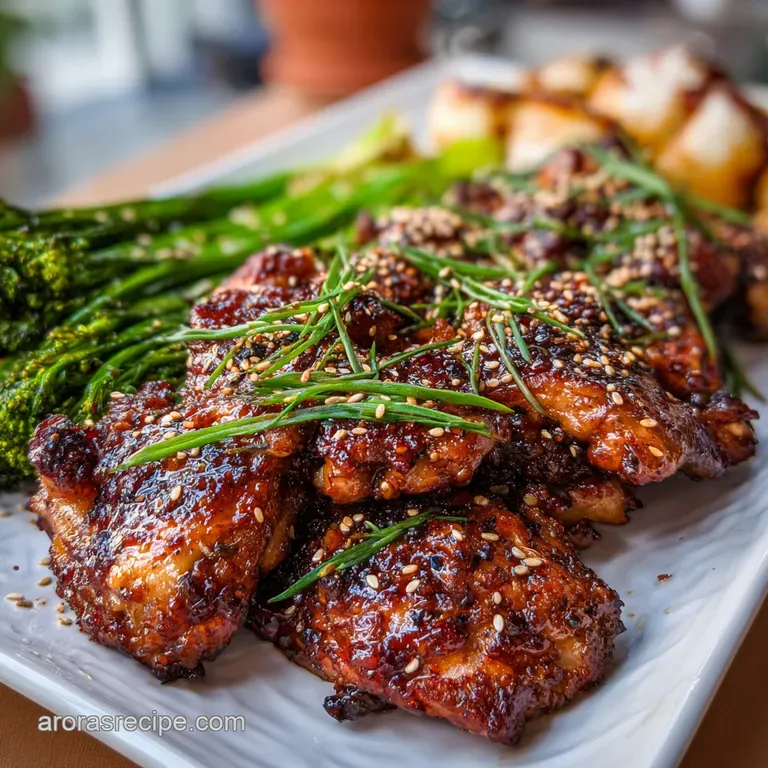
- Time: Active 20 minutes, Passive 1 hour 15 minutes, Total 1 hour 35 minutes
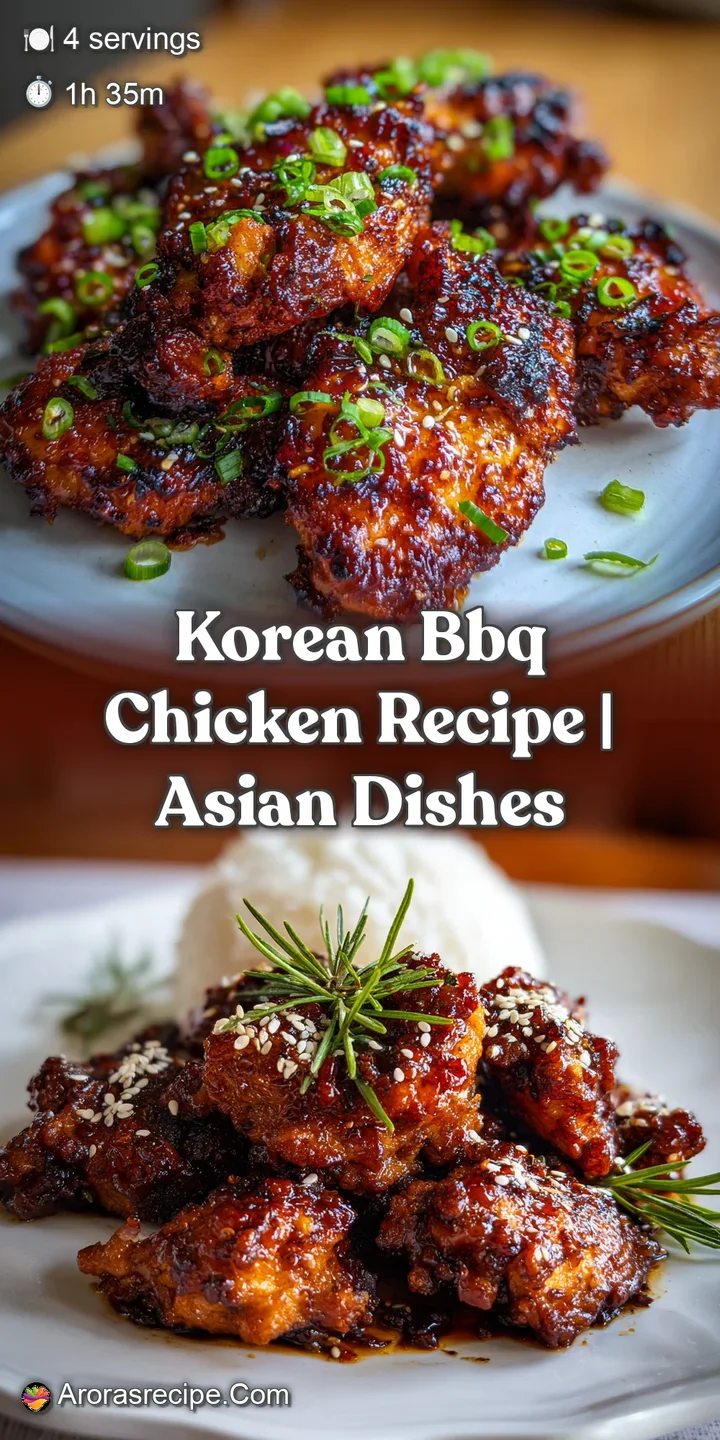
- Flavor/Texture Hook: Sticky, sweet heat glaze with a smoky char and velvety interior
- Perfect for: Weekend meal prep or an impressive but simple dinner party
- The Best Easy Homemade Korean BBQ Chicken Recipe
- The Secret Science Behind This Korean BBQ Glaze
- Choosing Your Best Cooking Method For Results
- Analyzing The Components Of The Flavor Profile
- Selecting Your Elements and Smart Substitutions
- Necessary Kitchen Equipment For Success
- Bringing The Dish To Life Step By Step
- Managing Common Cooking Obstacles
- Adjusting The Recipe For Your Needs
- Debunking Kitchen Tales About Korean BBQ
- Proper Storage And Reducing Kitchen Waste
- The Best Sides For Your Chicken
- Critical Level of Sodium
- Korean BBQ Chicken Recipe FAQs
- 📝 Recipe Card
The Best Easy Homemade Korean BBQ Chicken Recipe
The first time I tried making this in my kitchen, the air was thick with the scent of toasted sesame oil and that unmistakable fermented kick of gochujang. I had the windows open, but honestly, the neighbors probably thought I was running a professional kitchen because the aroma was so intense and inviting.
It wasn't a "perfect" first attempt I ended up with a slightly charred pan because of the high sugar content but the flavor was so addictive that I knew I had to refine the technique.
After countless batches and a few smoky afternoons, I finally unlocked the secrets to that signature mahogany glaze and tender bite. We are moving away from the rubbery, flavorless poultry you might find at a buffet and toward something truly special.
It is the kind of meal that makes everyone at the table go quiet because they are too busy enjoying the contrast of the crispy edges and the juicy meat.
This version is all about making the most of a few key ingredients without needing a specialized charcoal grill. We are using the science of marination to do the heavy lifting for us.
Trust me on this, once you see how that ruby red sauce clings to the meat and starts to bubble and caramelize in the pan, you will never want to go back to basic bottled sauces.
The Secret Science Behind This Korean BBQ Glaze
To get that restaurant style result, we have to look at how the ingredients interact with the muscle fibers of the chicken. It is not just about layering flavors; it is about changing the structure of the meat itself.
- Enzymatic Tenderization: The grated Asian pear contains a specific enzyme called calpain which acts as a natural meat tenderizer. It physically breaks down tough protein strands during the marinating process, resulting in a texture that is noticeably more tender than chicken marinated in salt alone.
- Maillard Reaction Control: The high sugar content from the brown sugar and pear juice encourages rapid browning. By using a heavy bottomed skillet or grill, we create a complex depth of flavor through caramelization that balances the heat of the chili paste.
- Emulsification Stability: The toasted sesame oil and gochujang create a thick, stable emulsion when whisked together. This ensures the marinade coats every nook and cranny of the chicken rather than just sliding off into the bottom of the bowl.
- Osmotic Infusion: The soy sauce provides the salt necessary to draw the ginger and garlic flavors deep into the chicken thighs. This prevents the common problem of "flavor on the outside, bland on the inside."
Choosing Your Best Cooking Method For Results
Before we get our hands messy, you need to decide which cooking method fits your afternoon. While a grill is traditional, the stovetop or air fryer can produce results that are just as impressive if you follow the right cues.
| Method | Prep Time | Visual Cue | Best For |
|---|---|---|---|
| Cast Iron Skillet | 15 minutes | Deep char marks and bubbling sauce | Getting that "smoky" stovetop finish |
| Outdoor Grill | 12 minutes | Visible grill lines and edges curling | Authentic summer BBQ flavor |
| Air Fryer | 18 minutes | Glaze becomes tacky and darker red | Busy weeknights with zero cleanup |
I personally swear by the cast iron skillet for this particular chicken recipe because it holds heat so well. The heavy metal allows the sugars to caramelize into a thick, sticky coating that really mimics the over high heat environment of a charcoal fire. If you’re looking for more ways to use that leftover jasmine rice you'll likely serve with this, this pairs beautifully with my Chicken Fried Rice recipe.
Analyzing The Components Of The Flavor Profile
You cannot just throw these things in a bowl and hope for the best. Understanding why we use specific ingredients will help you become a better cook overall.
| Ingredient | Science Role | Pro Secret |
|---|---|---|
| Gochujang | Provides fermented depth and base heat | Use a brand that lists "sun dried chiles" for better color |
| Asian Pear | Natural tenderizer and moisture source | Grate it finely to release the maximum amount of juice |
| Toasted Sesame Oil | Adds fat and a nutty aromatic finish | Add half to the marinade and a splash at the very end |
| Brown Sugar | Lowers the smoke point for better char | Pack it tightly to ensure the ratio of sweetness is correct |
While this dish has a kick, if you want something creamier for another night, you should try my Thai Coconut Curry Chicken recipe. It uses a similar base of aromatics but moves into the velvety territory of coconut milk.
Selecting Your Elements and Smart Substitutions
Here is exactly what you need to grab from the pantry. I have kept the budget in mind, so if you cannot find one specific thing, do not panic.
- 2 lbs boneless, skinless chicken thighs: Why this? Thighs have enough fat to stay juicy under high heat. (Substitute: Chicken breasts, but reduce cook time by 3 minutes).
- 1/4 cup gochujang: Why this? This fermented paste is the backbone of the flavor. (Substitute: Sriracha mixed with a little miso paste).
- 3 tbsp soy sauce: Why this? Provides the salt and savory umami base. (Substitute: Tamari for a gluten-free version).
- 2 tbsp toasted sesame oil: Why this? Essential for that nutty, toasted aroma. (Substitute: Peanut oil with a drop of sesame extract).
- 3 tbsp brown sugar: Why this? Creates the sticky caramelization on the skin. (Substitute: Honey or maple syrup).
- 2 tbsp rice vinegar: Why this? Cuts through the sugar and fat with brightness. (Substitute: Apple cider vinegar).
- 1 tbsp fresh ginger, grated: Why this? Provides a sharp, spicy counterpoint to the sweetness. (Substitute: 1 tsp ground ginger).
- 4 cloves garlic, minced: Why this? Adds the necessary aromatic punch. (Substitute: 1 tsp garlic powder).
- 1/4 cup grated Asian pear: Why this? The secret to the most tender meat. (Substitute: Grated Bosc pear or Red Delicious apple).
- 1/2 tsp black pepper: Why this? Adds a different kind of heat than the chiles.
- 2 green onions, sliced: Why this? For a fresh, crunchy garnish.
- 1 tbsp toasted sesame seeds: Why this? Adds texture and visual appeal.
Chef's Note: If you use the apple substitute for the pear, make sure to peel it first. The skin won't break down and can leave a weird texture in the final sauce.
Necessary Kitchen Equipment For Success
You do not need a fancy kitchen, but a few specific tools will make your life much easier.
- A Large Mixing Bowl: You want plenty of room to toss the chicken so every piece is fully submerged.
- Fine Box Grater: Essential for getting the ginger and Asian pear into a pulp like consistency.
- Heavy Skillet (Cast Iron preferred): This is non negotiable if you want that over high heat char without the chicken sticking.
- Tongs: To flip the chicken precisely without tearing the delicate, sticky glaze.
- Meat Thermometer: The only way to ensure 100% safety and juiciness every single time.
Bringing The Dish To Life step-by-step
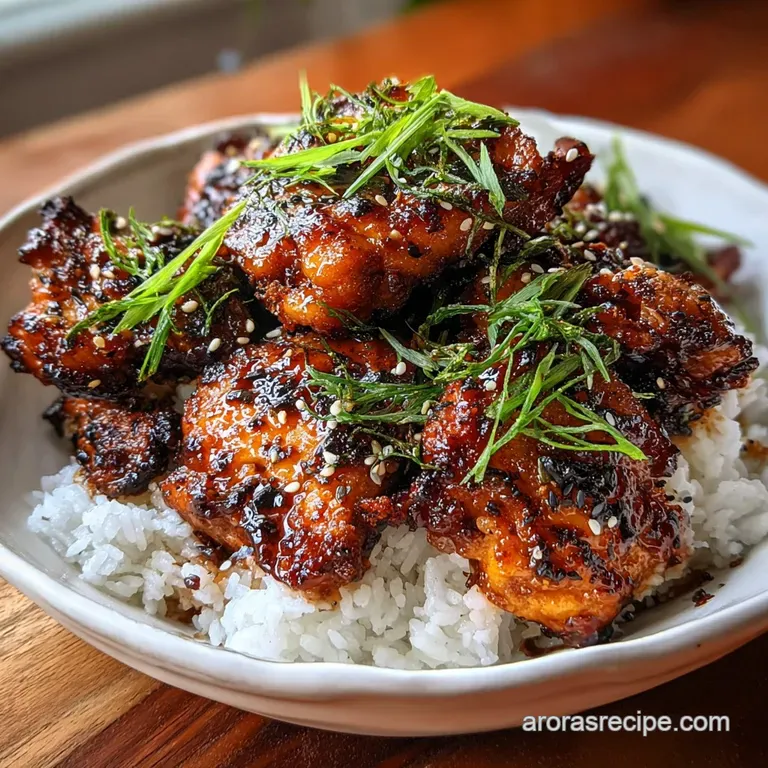
Right then, let's crack on. This is where the magic happens. Pay close attention to the sensory cues like the sound of the sizzle and the color changes.
1. The Flavor Infusion
In your large mixing bowl, whisk together the 1/4 cup gochujang, 3 tbsp soy sauce, 2 tbsp toasted sesame oil, 3 tbsp brown sugar, 2 tbsp rice vinegar, 1 tbsp grated ginger, 4 cloves minced garlic, 1/4 cup grated Asian pear, and 1/2 tsp black pepper.
Whisk until the sugar is fully dissolved and the sauce looks like a glossy, deep red velvet.
2. Marinating for Success
Add the 2 lbs of chicken thighs to the bowl. Use your hands or tongs to coat each piece thoroughly. Note: Make sure the marinade gets into all the folds of the thighs. Cover and refrigerate for at least 1 hour. The meat should look slightly darker as it absorbs the soy and pear enzymes.
3. Preheating the Surface
Place your skillet over medium high heat. Let it get hot for about 3 minutes. You should see a faint wisp of smoke rising from the pan. This is the signal that the surface is ready to sear the sugars immediately.
4. The over High heat Transformation
Add a small splash of oil to the pan. Place the chicken thighs in the skillet, leaving space between them. Do not overcrowd. Cook for 6-7 minutes on the first side until the edges are blackened and the sauce is bubbling violently around the meat.
5. Flipping for the Finish
Turn the chicken over. Cook for another 5-7 minutes. Note: The second side usually cooks faster because the pan is now fully saturated with heat. Watch for the glaze to turn from a liquid to a tacky, thick coating.
6. Verification of Doneness
Use your meat thermometer to check the thickest part of the thigh. It should read 165°F. The chicken should feel firm but springy to the touch.
7. The Resting Phase
Remove the chicken from the heat and place it on a clean cutting board or plate. Note: This allows the juices to redistribute so they don't run out when you slice it. Let it sit for 5 minutes while you slice the green onions.
8. The Garnish
Sprinkle the 2 sliced green onions and 1 tbsp toasted sesame seeds over the top. The green against the dark red chicken makes the dish pop visually.
Managing Common Cooking Obstacles
Even with the best instructions, things can go sideways. Here is how to handle the most common issues that might pop up in your kitchen.
Why Your Chicken Is Burnt But Raw Inside
This usually happens when the heat is too high. The sugars in the gochujang and pear juice will burn at a much lower temperature than the chicken cooks. If you see the glaze turning black before the meat is firm, turn your heat down immediately and add a tablespoon of water to the pan to create steam.
Why Your Sauce Is Too Thin
If you find the sauce isn't clinging to the chicken, it might be because the chicken was too wet when it went into the marinade. Next time, pat the chicken dry with paper towels before adding it to the bowl.
To fix it now, remove the chicken once cooked and simmer the remaining sauce in the pan for 2 minutes until it reduces into a syrup.
| Problem | Root Cause | Solution |
|---|---|---|
| Bland Chicken | Marinated for less than 30 mins | Allow a full hour; salt hasn't penetrated the fibers |
| Chicken is Tough | Using breasts instead of thighs | Cook 2-3 mins less or use the Asian pear tenderizer |
| Sauce is Bitter | Burnt garlic or sugar | Scrape pan and finish with a drizzle of fresh honey |
Common Mistakes Checklist
- ✓ Never skip the Asian pear; it is the primary source of that "melt in-mouth" texture.
- ✓ Preheat your pan for a full 3 minutes; a cold pan leads to steaming rather than searing.
- ✓ Don't overcrowd the skillet; cook in two batches if necessary to keep the temperature high.
- ✓ Let the meat rest; cutting too early will result in dry chicken as the moisture escapes.
Adjusting The Recipe For Your Needs
Sometimes you are cooking for a crowd, and sometimes it is just you. Here is how to scale this bbq chicken recipe without losing that flavor balance.
Scaling Down (Feeding 1-2 people): If you are cutting the recipe in half, use the full amount of ginger and garlic. These aromatics lose their punch in smaller quantities, so keeping the original amount helps maintain the depth.
Reduce the cooking time by about 20% since a smaller amount of meat will reach temperature faster in the pan.
Scaling Up (Feeding 8-10 people): When doubling the recipe, do not double the salt or soy sauce entirely. Start with 1.5x the amount and taste. Liquids do not reduce as quickly when there is a massive volume in the pan, so you might need to simmer the sauce separately at the end to get that sticky consistency.
Always cook in batches trying to sear 4 lbs of chicken at once will just result in a gray, boiled mess.
Cooking Comparisons: Fresh vs. Shortcut
| Component | Fresh Method | Shortcut Method | Result |
|---|---|---|---|
| Aromatics | Grated fresh ginger/garlic | Jarred paste or powder | Fresh is much sharper; jarred is milder/sweeter |
| Tenderizer | Fresh Asian pear pulp | Canned pear juice | Fresh pulp provides better texture breakdown |
If you are looking for a quicker dinner that uses similar pantry staples, check out my Chicken and Sausage Pasta recipe. It uses a different technique but hits those same comforting, savory notes that make a weeknight meal feel special.
Debunking Kitchen Tales About Korean BBQ
One common misconception is that you need a charcoal grill to get "real" flavor. While charcoal adds a specific smoke, the Maillard reaction the browning of sugars and proteins happens just as effectively in a cast iron skillet.
The char you see in restaurants is often just the caramelization of the gochujang, which we are replicating perfectly here.
Another myth is that you can't over marinate this chicken. Because of the Asian pear, if you leave the chicken in the marinade for more than 24 hours, the enzymes will actually turn the meat to mush. I have made the mistake of leaving it for two days, and the texture was almost like paste.
Stick to 1 to 12 hours for the best results.
Proper Storage And Reducing Kitchen Waste
If you find yourself with leftovers, you are in luck. This chicken actually tastes fantastic the next day as the spices continue to meld.
Fridge Storage: Store in an airtight container for up to 4 days. When reheating, add a tiny splash of water to the pan to loosen the glaze so it doesn't burn before the chicken is hot.
Freezer Guidelines: You can freeze the chicken in the marinade! This is a great meal prep hack. Place the raw chicken and marinade in a freezer bag, squeeze out the air, and freeze for up to 3 months. As it thaws in the fridge, it will marinate perfectly.
Zero Waste Tip: Don't throw away those green onion roots! Place them in a small jar of water on your windowsill, and they will regrow in a week. Also, if you have leftover marinade that wasn't touched by raw meat, simmer it down with a bit of chicken stock to make a killer sauce for roasted vegetables.
The Best Sides For Your Chicken
To really round out the meal, you need the right partners on the plate.
- Fluffy Jasmine Rice: The neutral starch is essential for soaking up all that extra sticky glaze.
- Pickled Radish (Danmuji): The cold, crunchy acidity resets your palate between spicy bites.
- Smashed Cucumber Salad: A Nashville meets Seoul hybrid! Use rice vinegar and a little sugar to create a refreshing side.
- Steamed Bok Choy: Briefly sautéed with a little garlic, this provides a healthy, bitter contrast to the sweet chicken.
Decision Shortcut: Which Version Should You Make? If you want maximum spice, add 1 tbsp of Gochugaru (Korean chili flakes) to the marinade. If you want a smokier finish, add 1/4 tsp of liquid smoke or use a smoked soy sauce.
If you want a kid friendly version, swap half the gochujang for extra brown sugar and a splash of ketchup.
This chicken recipe is a staple in my house because it feels like a celebration even on a boring Tuesday. Once you master the sizzle of the pan and the timing of that glaze, you'll be the one people are texting for the secret. Enjoy the process, and don't be afraid of a little char!
Questions You Might Have
Can I use chicken breasts instead? Yes, but be careful. Breasts lack the fat content of thighs and can dry out quickly. Reduce the cooking time by about 2 minutes per side and use a meat thermometer to pull them off the heat exactly at 165°F.
What if I can't find Gochujang? While there is no perfect 1:1 swap, a mixture of Sriracha and a bit of white miso paste can mimic the spicy, fermented profile. It won't be quite as thick, so you might need to simmer the sauce a bit longer to get it sticky.
Is it supposed to be this dark? Yes! The combination of brown sugar, soy sauce, and the high heat of the pan will create a very dark, mahogany color. As long as it doesn't smell like acrid smoke, that dark color is where all the flavor lives.
Do I have to peel the Asian pear? I recommend it. The skin is quite thick and doesn't break down, so peeling it ensures the marinade stays silky and smooth rather than having little bits of grit in it.
Critical Level of Sodium
1145 mg mg of sodium per serving (50% % of daily value)
The American Heart Association recommends limiting sodium intake to about 2,300mg per day for overall health.
Tips to Reduce Sodium in Your Korean Chicken:
-
Low-Sodium Soy Sauce-25%
Replace regular soy sauce with a low-sodium or reduced sodium soy sauce. This single swap can significantly cut down the sodium content without drastically altering the flavor.
-
Dilute Gochujang-20%
Gochujang contributes a fair amount of sodium. Try using half the amount of gochujang and supplementing with a pinch of red pepper flakes or a dash of sriracha to maintain the spice level while reducing sodium.
-
Homemade Marinade-15%
Instead of using store-bought marinades that often contain high levels of sodium, make your own from scratch using fresh ingredients and controlling the amount of sodium added.
-
Increase Asian Pear-10%
Increase the amount of grated Asian pear in the marinade. The natural sweetness helps balance the flavors and allows you to use less of the higher sodium ingredients.
-
Boost with Herbs & Spices
Enhance the flavor profile with fresh herbs like cilantro or basil, and spices like ginger and garlic powder. These additions can help compensate for the reduced sodium without compromising the taste.
Korean BBQ Chicken Recipe FAQs
What's the secret to Korean chicken's flavor?
The secret lies in the balance of sweet, savory, and spicy fermented ingredients combined with a tenderizing agent. Gochujang provides the spicy sweet base, soy sauce adds umami, and Asian pear acts as a natural tenderizer, breaking down meat fibers for a melt-in-your mouth texture.
What is Korean barbecue marinade made of?
A typical Korean BBQ marinade includes gochujang (fermented chili paste), soy sauce, garlic, ginger, sesame oil, and a sweetener like brown sugar or honey. Often, a fruit like Asian pear or apple is grated in to help tenderize the meat, and rice vinegar adds a touch of acidity.
What is the sauce they use at Korean BBQ?
The iconic sauce is a rich, complex marinade, often gochujang based, that caramelizes beautifully. It's a blend of fermented chili paste, soy sauce, garlic, ginger, sesame oil, and a sweetener, sometimes enhanced with fruit purée for extra tenderness and sweetness.
What cut of chicken is best for Korean barbecue?
Boneless, skinless chicken thighs are best for Korean BBQ chicken. They have enough fat to stay juicy and tender, even under high heat, and absorb marinades exceptionally well, resulting in a more flavorful and less dry outcome compared to chicken breasts.
Can I substitute chicken breasts for thighs?
Yes, you can, but be cautious. Chicken breasts have less fat and can dry out easily. Reduce the cooking time by approximately 2-3 minutes per side and use a meat thermometer to ensure you pull them off the heat right at 165°F to prevent overcooking.
What if I can't find Gochujang?
A mixture of Sriracha and white miso paste can offer a similar spicy fermented profile. While not an exact match, it provides heat and some depth, though you may need to simmer the sauce a bit longer to achieve the desired sticky consistency.
Why is my Korean BBQ chicken so dark?
That deep, dark color is intentional and comes from the sugars caramelizing under high heat. The combination of brown sugar, soy sauce, and the Maillard reaction in a hot pan creates a rich, mahogany glaze that is full of flavor.
As long as it doesn't smell burnt, it's a good sign of well developed taste.
Korean Bbq Chicken
Ingredients:
Instructions:
Nutrition Facts:
| Calories | 451 kcal |
|---|---|
| Protein | 44.8 g |
| Fat | 18.2 g |
| Carbs | 22.8 g |
| Fiber | 1.2 g |
| Sugar | 15.6 g |
| Sodium | 1145 mg |
