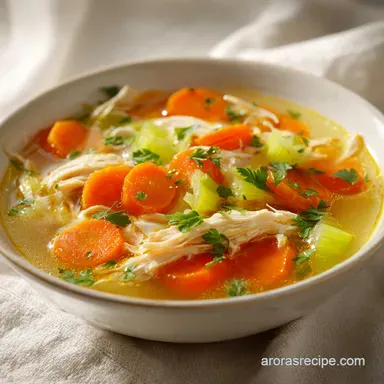
Leftover Turkey Soup: Savory and Silky

- Time:10 minutes prep + 20 minutes cook = Total 30 minutes
- Flavor/Texture Hook: Savory, silky broth with tender, non mushy noodles
- Perfect for: Post holiday meal prep, chilly weeknights, or budget-friendly comfort
Cozy and Hearty Leftover Turkey Soup
The smell of butter sizzling with diced carrots and celery always takes me back to my grandmother's kitchen in Nashville. There's something about that specific aroma that just screams "comfort" before the pot even starts to bubble. But for a long time, my version of this dish was a disaster.
I'd throw everything in a pot at once, simmer it for an hour, and end up with turkey that felt like chewing on a rubber band and noodles that had basically dissolved into a thick, gummy paste. It was depressing, honestly.
I realized the problem wasn't the ingredients, but the timing. Leftover turkey is already cooked, so treating it like raw meat is a huge mistake. You're not "cooking" the turkey; you're just warming it through.
Once I started treating the turkey and noodles as "finishers" rather than "base" ingredients, everything changed. Now, I get a velvety broth and meat that actually retains its texture. Trust me, the difference is night and day.
This recipe is all about rescue. We're taking those cold remnants from the fridge and turning them into something that feels like a fresh, intentional meal. It's budget-friendly because we're using what we have, but it tastes like you spent all day on it.
Right then, let's get into how we actually make this work without ruining your dinner.
The Secret to the Flavor
Since we're working with already cooked meat, we have to build a massive amount of flavor into the liquid itself. If the broth is boring, the whole soup is boring.
- Aromatic Base: Sautéing the vegetables first creates a savory depth that raw boiling just can't match.
- Acid Balance: A squeeze of lemon at the end cuts through the heaviness of the turkey fat, making the flavors pop.
- Staggered Cooking: Adding noodles at the very end prevents them from absorbing all the broth and turning into mush.
- Fat Integration: Using both butter and olive oil gives you the richness of dairy with the over high heat stability of oil.
| Method | Time | Texture | Best For |
|---|---|---|---|
| Stovetop | 30 min | Silky & Bright | Quick weeknight dinner |
| Slow Cooker | 4-6 hrs | Deeply Infused | Set and forget mornings |
| Instant Pot | 25 min | Consistent & Fast | Maximum efficiency |
By picking the right method, you can control exactly how the turkey behaves. I usually stick to the stovetop because it gives me the most control over the noodle texture, which is where most people go wrong.
Component Analysis
The ingredients might seem simple, but each one is doing a specific job to make sure this isn't just "warm turkey water."
| Ingredient | Science Role | Pro Secret |
|---|---|---|
| Unsalted Butter | Flavor Carrier | Brown it slightly for a nuttier taste |
| Fresh Lemon Juice | Brightener | Always add after heat is off to keep it fresh |
| Egg Noodles | Thickener | Use wide noodles to stand up to the turkey chunks |
| Turkey Broth | Umami Base | Use broth made from the carcass for double the flavor |
I've found that using unsalted butter is key here. Since leftover turkey and store-bought broth can be salt bombs, using unsalted butter lets me control the seasoning at the very end. If you use salted, you might find the soup becomes too salty once the broth reduces.
The Essential Pantry List
Get your chopping board ready. I like to have everything prepped (mise en place) before the butter hits the pan because this moves fast once the heat is on.
- 2 tbsp unsalted butter Why this? Adds a rich, silky mouthfeel to the broth
- 1 tbsp olive oil Why this? Prevents butter from burning at medium heat
- 1 medium onion, diced (150g) - Substitute: Shallots for a milder taste
- 3 medium carrots, sliced into rounds (120g) - Substitute: Parsnips for an earthier vibe
- 3 stalks celery, sliced (80g) - Substitute: Bok choy stems for a twist
- 3 cloves garlic, minced (15g) - Substitute: Garlic powder (1/2 tsp) if fresh is out
- 1 tsp dried thyme - Substitute: Dried rosemary or sage
- 8 cups low sodium turkey or chicken broth - Substitute: Vegetable broth for a lighter version
- 3 cups leftover turkey meat, shredded or cubed (450g) - Substitute: Cooked chicken
- 2 cups wide egg noodles (200g) - Substitute: Ditalini or Orzo (adjust cook time)
- 1 bay leaf Why this? Adds a subtle herbal background note
- 1/2 cup fresh parsley, chopped (15g) - Substitute: Fresh cilantro or chives
- 1 tbsp fresh lemon juice Why this? Wakes up the heavy savory notes
- salt to taste
- black pepper to taste
Chef Note: If you're using a homemade stock from your turkey carcass, you might not need much extra salt. Always taste your broth before adding the salt at the end.
Bringing It All Together
Let's crack on with the cooking. Use a large pot or a Dutch oven, something that can hold a few liters without splashing over the sides.
- Melt the butter and olive oil over medium heat in a Dutch oven or large stockpot. Add the diced onion, carrots, and celery, cooking until onions are translucent and carrots have softened (about 5–7 minutes). Note: Don't rush this; the softer the veg, the better the base.
- Stir in the minced garlic and dried thyme, cooking for 60 seconds until fragrant. Listen for a gentle sizzle, but don't let the garlic brown or it'll turn bitter.
- Pour in the broth and add the bay leaf. Increase heat to medium high to bring to a gentle boil, then reduce heat to low and simmer for 10 minutes.
- Stir in the shredded leftover turkey and the egg noodles. Simmer for an additional 6–8 minutes, or until the noodles are tender. Watch for the noodles to swell and the turkey to be heated through.
- Remove the bay leaf, stir in the fresh parsley and lemon juice, and season with salt and pepper to taste.
It's important to remember that the noodles will keep cooking even after you turn off the heat. I usually pull them off the stove when they're just underdone. This ensures they stay firm and don't turn into a mushy mess by the time they hit your bowl.
Solving Common Texture Issues

Even with a good plan, things can go sideways. Most issues with this recipe come down to the ratio of liquid to solids or the timing of the noodles.
Why Your Noodles Are Mushy
If your noodles have lost their shape, it's usually because they sat in the hot broth for too long. This happens often if you let the soup simmer for 20 minutes after adding them.
To fix this, cook your noodles in a separate pot of water and add them to individual bowls before pouring the soup over them.
Why Your Turkey Is Dry
Turkey is lean, and reheating it for too long strips away what little moisture is left. The fix is to add the meat in the final 8 minutes. If your turkey is particularly dry, try shredding it into smaller pieces so it can absorb more of the broth.
| Problem | Root Cause | Solution |
|---|---|---|
| Watery Broth | Too much liquid or not enough simmer | Simmer without lid for 5 mins to reduce |
| Bland Taste | Lack of acid or salt | Add an extra teaspoon of lemon juice |
| Greasy Surface | Too much turkey skin/fat | Skim fat with a spoon before adding noodles |
- ✓ Pat your vegetables dry after washing to ensure they sauté instead of steam.
- ✓ Preheat your pot for a minute before adding the oil and butter.
- ✓ Don't overcrowd the pot if you're doubling the recipe; work in batches if needed.
- ✓ Always remove the bay leaf before serving, nobody wants to bite into a dried leaf.
- ✓ Add the lemon juice only at the very end to preserve the bright citrus flavor.
Customizing Your Bowl
This is a flexible recipe. Depending on what's left in your crisper drawer, you can change the whole vibe of the meal. If you're looking for something even more comforting, you might enjoy a White Lasagna Soup for your next creamy craving.
For a Creamy Twist
If you want a creamy leftover turkey soup, stir in 1/2 cup of heavy cream or a dollop of sour cream right before serving. This gives it a velvety texture that feels more like a chowder. Just be careful not to boil the cream, or it might separate.
Adding Hearty Vegetables
For a more rustic version, try a leftover turkey soup with potatoes. Dice one large russet potato into small cubes and add them at the same time as the carrots. You'll need to extend the simmer time by about 10 minutes to ensure the potatoes are tender. This adds a lovely starchiness to the broth.
Low Carb Swaps
If you're avoiding noodles, swap the egg noodles for cauliflower florets or spiralized zucchini. Add these in the last 3-5 minutes of cooking. Since these don't absorb liquid like pasta does, your broth will remain thinner and clearer.
Equipment Variations
While a Dutch oven is my go to, an Instant Pot is a lifesaver if you're short on time. Use the "Sauté" function for the vegetables, then pressure cook the broth and turkey for 5 minutes. Stir in the noodles at the end using the "Sauté" mode again for 6-8 minutes.
Common Misconceptions
There are a few "rules" people follow with turkey soup that I've found just aren't true in a real home kitchen.
One common myth is that you must boil the turkey for an hour to get the flavor out. Honestly, since the turkey is already cooked, boiling it for an hour just turns the meat into tasteless strings. The flavor comes from the broth and the sautéed aromatics, not from overcooking the meat.
Another one is that you should add the noodles at the start. Some people say it "thickens the soup." While it does thicken it, it does so by releasing too much starch and making the soup cloudy and gummy. I'd rather have a clear, vibrant broth and a separate noodle texture any day.
Storage and Waste Reduction
To make the most of your holiday bird, you have to think about the leftovers strategically.
Fridge and Freezer Guidelines Store the soup in airtight containers in the fridge for up to 4 days. If you plan to freeze it, I have a huge tip: freeze the soup without the noodles. Noodles don't freeze well; they become spongy and weird. Freeze the broth, veg, and turkey for up to 3 months.
When you reheat it, just boil a fresh handful of noodles and stir them in.
Zero Waste Tips Don't throw away those turkey bones! Even if you've already made your soup, you can simmer the carcass with an onion and a carrot for 4 hours to make a concentrated stock.
This stock can be frozen in ice cube trays and added to any future pan sauce or gravy to add an instant hit of umami.
If you have leftover parsley stems, don't toss them. Tie them in a bundle with kitchen twine and drop them into the broth during the simmer. You get all the herbal flavor without the woody texture in your final bowl.
Serving and Enjoying
The best way to serve this is in a wide, shallow bowl to show off the colorful carrots and fresh parsley. Because the broth is so light and bright, it pairs beautifully with something crusty. I usually serve mine with a toasted sourdough slice rubbed with a raw garlic clove.
If you have kids who are picky about "green things," you can blend a portion of the sautéed vegetables into the broth before adding the turkey. This hides the veg but keeps all that nutritional goodness and depth.
For those who like a bit of heat, a dash of hot sauce or a sprinkle of red pepper flakes on top works wonders. The spice plays off the lemon juice perfectly, giving the soup a little kick that wakes up the palate.
Just remember to let it sit for a couple of minutes before diving in, that first sip of hot turkey broth is a rite of passage every winter.
High in Sodium
820 mg 820 mg of sodium per serving (36% 36% of daily value)
The American Heart Association recommends a daily sodium limit of 2,300 mg, with an ideal limit of 1,500 mg for most adults to reduce cardiovascular risk.
Tips to Reduce Sodium
-
Swap the Broth-30%
Replace low-sodium broth with homemade unsalted stock or a salt-free vegetable base to significantly cut the primary sodium source.
-
Skip Added Salt-25%
Eliminate the 'salt to taste' completely. Rely on the natural flavors of the mirepoix and turkey to season the soup.
-
Rinse Leftover Turkey-20%
If the leftover turkey was heavily seasoned, lightly rinse the meat or use fresh, unseasoned turkey breast to avoid hidden sodium.
-
Choose Low-Sodium Noodles-10%
Check labels and choose whole-grain or fresh egg noodles with the lowest sodium content per serving.
-
Boost with Aromatics
Increase the amount of fresh parsley, black pepper, and lemon juice to enhance the flavor profile without adding any salt.
Recipe FAQs
How to make turkey soup using leftovers?
Sauté diced onion, carrots, and celery in butter and olive oil. Stir in garlic and thyme, simmer in broth with a bay leaf for 10 minutes, then add shredded turkey and egg noodles for another 6–8 minutes before finishing with parsley and lemon juice.
Which soup is best for diabetics?
Low-sodium, vegetable-heavy soups are generally best. Focus on high-protein turkey and fiber-rich carrots and celery while limiting the portion of egg noodles to help manage blood sugar levels.
What is a popular dish made from leftover turkey?
Turkey soup is a classic favorite. It is one of the most efficient ways to use leftover meat and bones to create a comforting, nutrient-dense meal.
What soup is good for gastritis?
Clear, low-acid broths with cooked vegetables are usually safest. This turkey soup is gentle, though you should omit the lemon juice and black pepper if your stomach is currently sensitive.
How to freeze the soup without ruining the noodles?
Freeze the soup without the noodles. Because noodles become spongy when frozen, freeze only the broth, vegetables, and turkey, then boil fresh noodles when you reheat the soup.
Is it true that I have to boil the turkey meat again to make it safe?
No, this is a common misconception. Since the turkey was already cooked, you only need to simmer it in the broth for 6–8 minutes to heat it through.
Can I use chicken broth if I don't have turkey broth?
Yes, chicken broth is a perfect substitute. If you enjoy this method of building a savory base, see how we use similar principles in our Traditional Caldo de Res.
Leftover Turkey Soup in 35 Minutes: Savory and Silky Broth